Makeup for Mature Skin Over 40: Your Complete Routine Guide
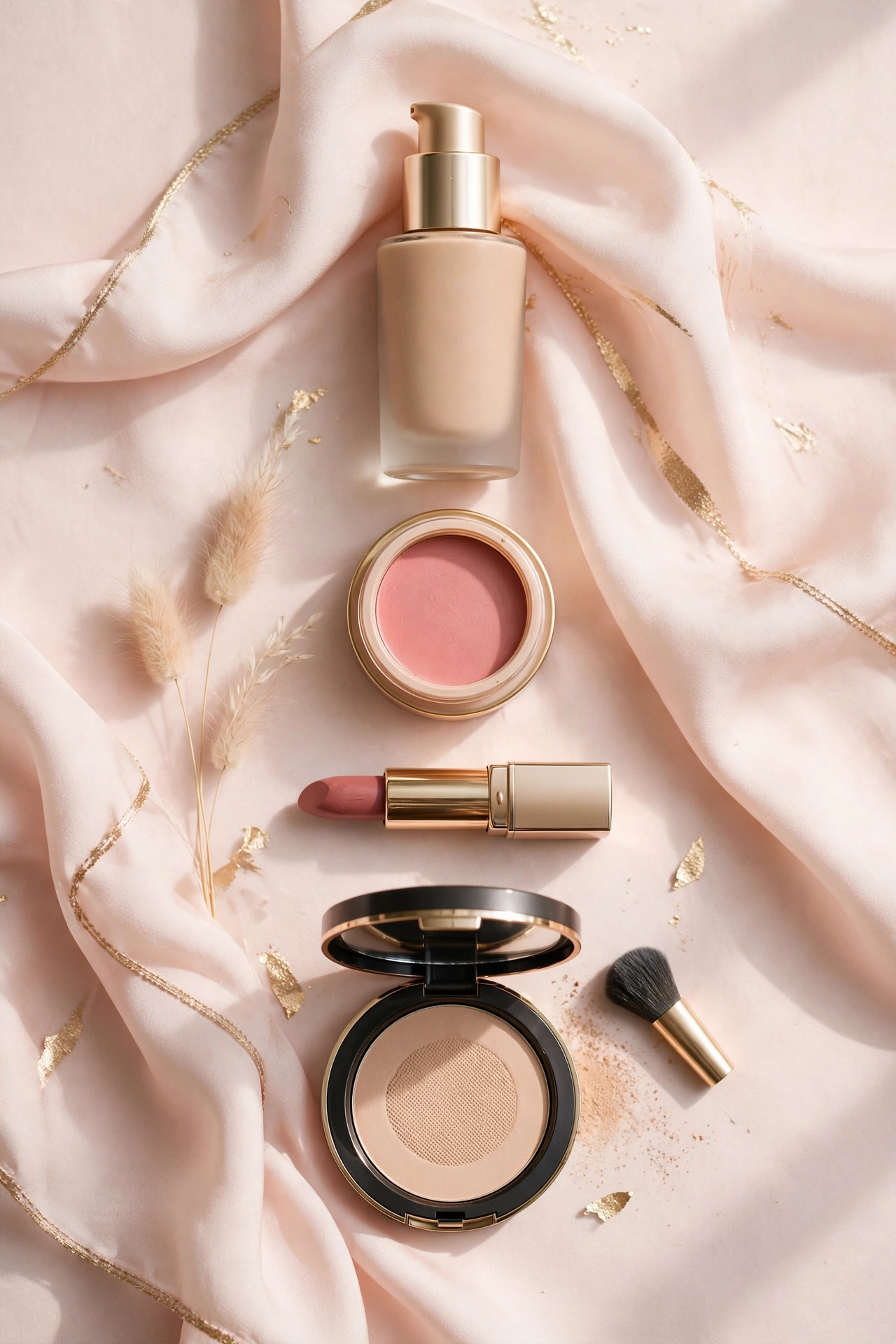
Makeup over 40 is not about hiding your age — it is about working with skin that has changed. After 40, skin tends to be drier, thinner, and less firm, which means the full-coverage matte foundations and heavy powders that worked in your twenties can start settling into fine lines and making skin look tired. The good news? With a few smart swaps, makeup can make mature skin look fresh, radiant, and lifted.
The core philosophy of makeup for mature skin over 40 is simple: hydration first, cream textures second, and a light hand everywhere else. This guide walks you through the full routine in order — skin prep, base, eyes, cheeks, and lips — so you can build a look that flatters your skin instead of fighting it. If you are starting your makeup journey from scratch, our step-by-step makeup guide for beginners pairs perfectly with this routine.
Ready for the detail work? The rest of this pillar guide links out to deep dives on each area: choosing the best crease-proof concealer for mature skin, applying eyeshadow on hooded mature eyes, picking the most flattering lipstick shades for women over 50, and avoiding the common makeup mistakes that add years.
Step 1: Skin Prep — Hydration Before Everything
Great mature-skin makeup starts in your skincare routine, not your makeup bag. As estrogen declines through perimenopause and menopause, skin produces less oil and holds less water, so makeup applied to under-hydrated skin looks patchy, settles into lines, and fades unevenly.
Layer Moisture, Don’t Skip It
A rich moisturizer is non-negotiable before makeup. Give it a full two to three minutes to sink in before you touch foundation — this prevents the base from mixing with wet moisturizer and sliding around. Many makeup artists recommend a hydrating primer on top of moisturizer for mature skin, since primer fills in fine lines and gives foundation something to grip. For what primers actually do, see our primer explainer.
Treat the Under-Eye Area Separately
The under-eye area is thinner and drier than the rest of your face, and it needs its own prep. A light eye cream — patted, not rubbed, with your ring finger — plumps fine lines so concealer sits smoothly instead of creasing. Skip heavy or greasy eye creams right before makeup; they make concealer slip.
Exfoliate Gently, Regularly
Makeup sits best on smooth skin. A gentle exfoliation once or twice a week removes the flaky dead skin that makes foundation look cakey. Over-exfoliating backfires, though — irritated skin is harder to make up, not easier.
Step 2: Base — Lightweight and Luminous
The biggest mindset shift in makeup for mature skin over 40: less coverage looks like more youth. Heavy, full-coverage matte foundation is the fastest way to look older, because it pools in fine lines and flattens the natural dimension of your face.
Choose Hydrating, Medium-Coverage Formulas
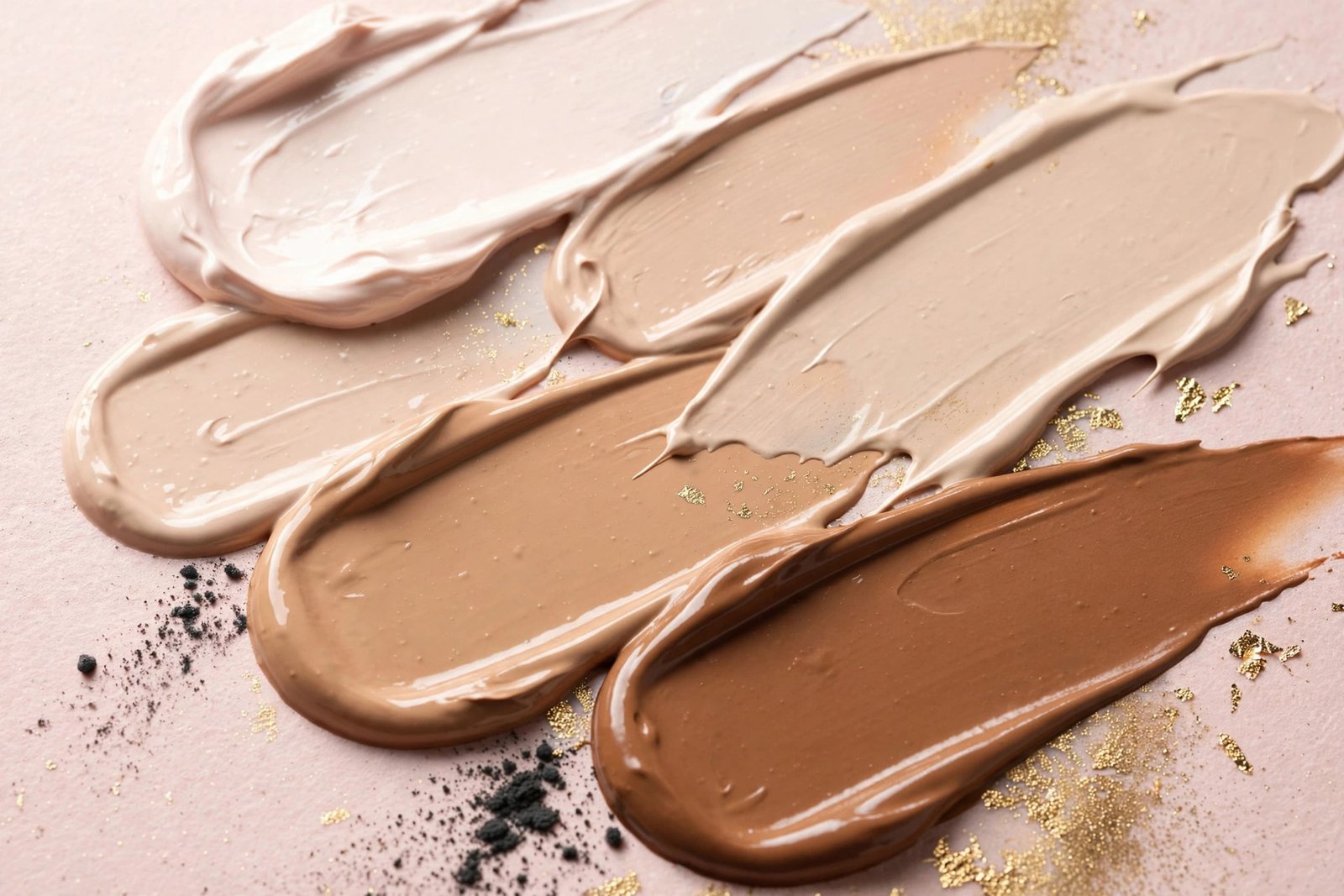
Look for foundations labeled hydrating, luminous, dewy, or serum-foundation. These formulas have finer pigments and more flexible ingredients, so they move with your skin instead of cracking into expression lines. Tinted moisturizers and BB creams are also excellent for everyday — they even out tone while letting your real skin show through. Our tinted moisturizer vs foundation comparison can help you pick your lane, and if budget is a concern, see our drugstore foundations for dry mature skin.
Match Your Shade (and Check It in Daylight)
A foundation even one shade too dark can look muddy on mature skin, while too-light shades look chalky and emphasize texture. Test along your jawline and check in natural daylight. Remember that skin tone can shift slightly with age and sun exposure, so a shade that worked at 35 may not work at 45.
Apply Less Than You Think
Start with a thin layer and build only where you need it — usually the center of the face. A damp sponge presses foundation into skin for a skin-like finish; brushes give more coverage, so use a light hand. For a detailed breakdown of what goes wrong with too much product, read our guide on makeup mistakes that age you.
Powder Sparingly (or Skip It)
This is the rule mature-skin makeup artists repeat most: use powder only where you truly need it. A light dusting through the T-zone controls shine without dulling the whole face. Heavy all-over powder is one of the classic makeup mistakes that make you look older because it settles into every line. A hydrating setting spray is a better finishing step for mature skin — it melts powder into skin and adds a natural glow.
Step 3: Eyes — Lift, Don’t Drag Down
Eyes change with age: lids can become hooded, lashes thin, and the under-eye area shows more. The techniques that flatter mature eyes are all about lifting and light.
Primer and Transition Shades Are Your Best Friends
An eyeshadow primer keeps color from creasing in lid folds — especially important on mature lids. Then place a soft matte transition shade slightly above your natural crease, not in it. This is the single most flattering trick for hooded eyes: it creates the illusion of a higher, more open crease. Our full technique guide covers how to apply eyeshadow on hooded mature eyes step by step.
Shimmer, Placed Strategically
Shimmer is not the enemy — placement is. A touch of light shimmer on the center of the lid and inner corner lifts and brightens. Avoid shimmer all over the lid or on the brow bone’s outer edge, where it can emphasize crepey texture. If you are shopping, our best eyeshadows for hooded eyes roundup focuses on formulas that work with — not against — lid folds.
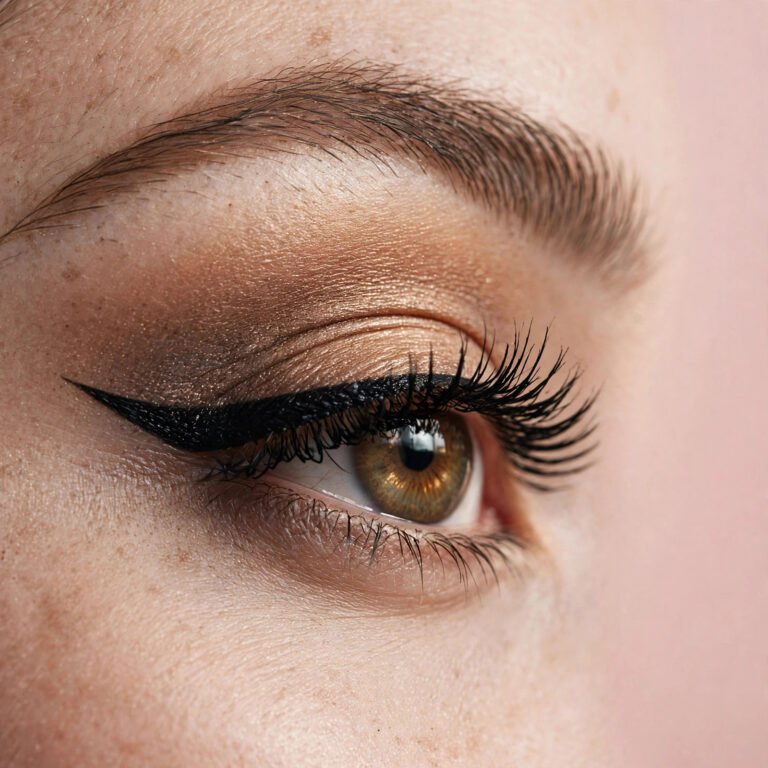
Rethink Eyeliner
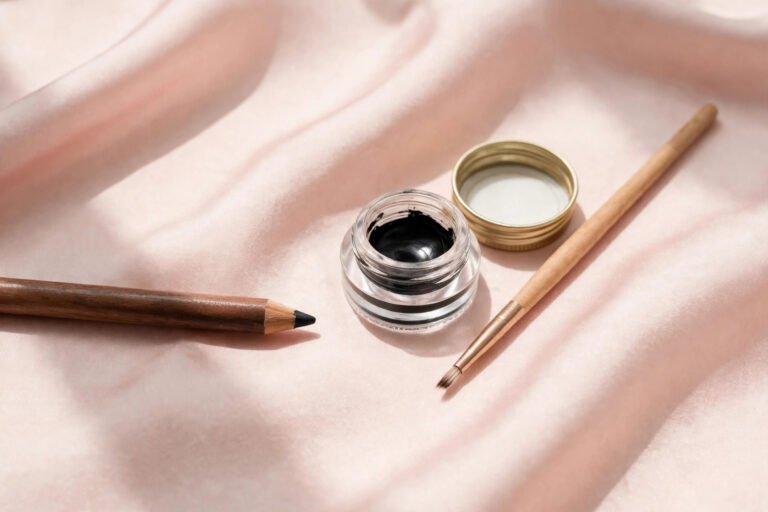
Thick black liner all around the eye can look harsh and make eyes appear smaller. Instead, try tightlining (lining right at the lash base) to define eyes without a visible heavy line, and smudge a soft brown or charcoal along the upper lash line for definition that looks effortless. Keep lower-liner minimal — a heavy lower line drags the eye down. For smudge-proof technique, see how to stop eyeliner from smudging.
Mascara and Brows Frame Everything
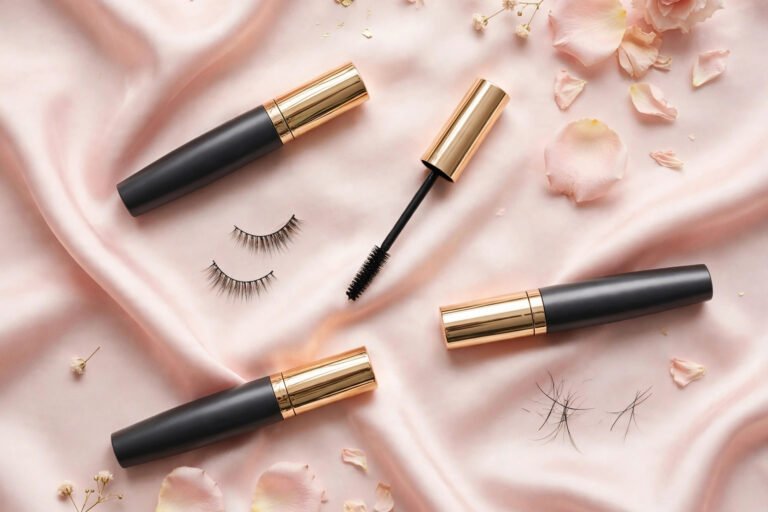
Curling lashes before mascara opens the eye noticeably. Choose a lengthening rather than volumizing formula if lashes have thinned, and consider tubing mascara, which resists smudging on mature under-eyes. Brows thin with age too, and filling them in with light, hair-like strokes takes years off — our how to fill in eyebrows naturally walks through the beginner-friendly method.
Step 4: Cheeks — Cream Over Powder
Blush is one of the most youth-giving products in your bag, yet many women over 40 skip it. A flush of color on the cheeks brings life and warmth back to the face instantly.
Why Cream Blush Wins for Mature Skin
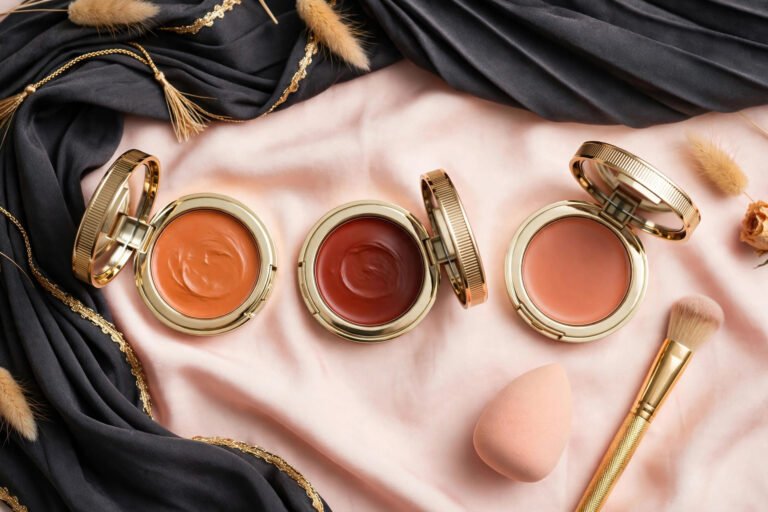
Cream and liquid blushes melt into skin for a natural, lit-from-within flush, while powder blush can sit on top of textured skin and look dusty. Apply cream blush to the apples of the cheeks and blend upward toward the temples — this upward placement gives a lifted effect. Our cream blush vs powder blush comparison breaks down the differences in detail, and the beginner’s blush guide covers shade selection by skin tone.
Bronzer and Highlighter: Use a Light Hand
A touch of bronzer where the sun naturally hits adds warmth, but heavy contouring can look harsh on mature skin. Highlighter belongs on the high points of the cheekbones only — skip the nose tip and anywhere with texture, since shimmer emphasizes unevenness.
Step 5: Lips — Hydration, Liner, and the Right Shades
Lips thin and lose definition with age, and lipstick can feather into the fine lines around the mouth. The fix is prep plus the right formula.
Prep and Line Before Color
Exfoliate lips gently, apply balm, and let it absorb. Then define lips with a liner that matches your lipstick (or your natural lip color) — liner is the single best defense against feathering. Our how to apply lip liner covers the technique that keeps color in place.
Choose Hydrating, Mid-Tone Shades
Matte, long-wear lipsticks are the most drying option and tend to emphasize lip lines. Creamy satin finishes and hydrating formulas are far more flattering. For shade guidance by age, see our best lipstick shades for women over 50 — berry, rose, and warm nude tones are universally flattering starting points. You can also learn tricks to make lipstick last longer without drying formulas.
The 40+ Makeup Kit: What to Keep and What to Ditch
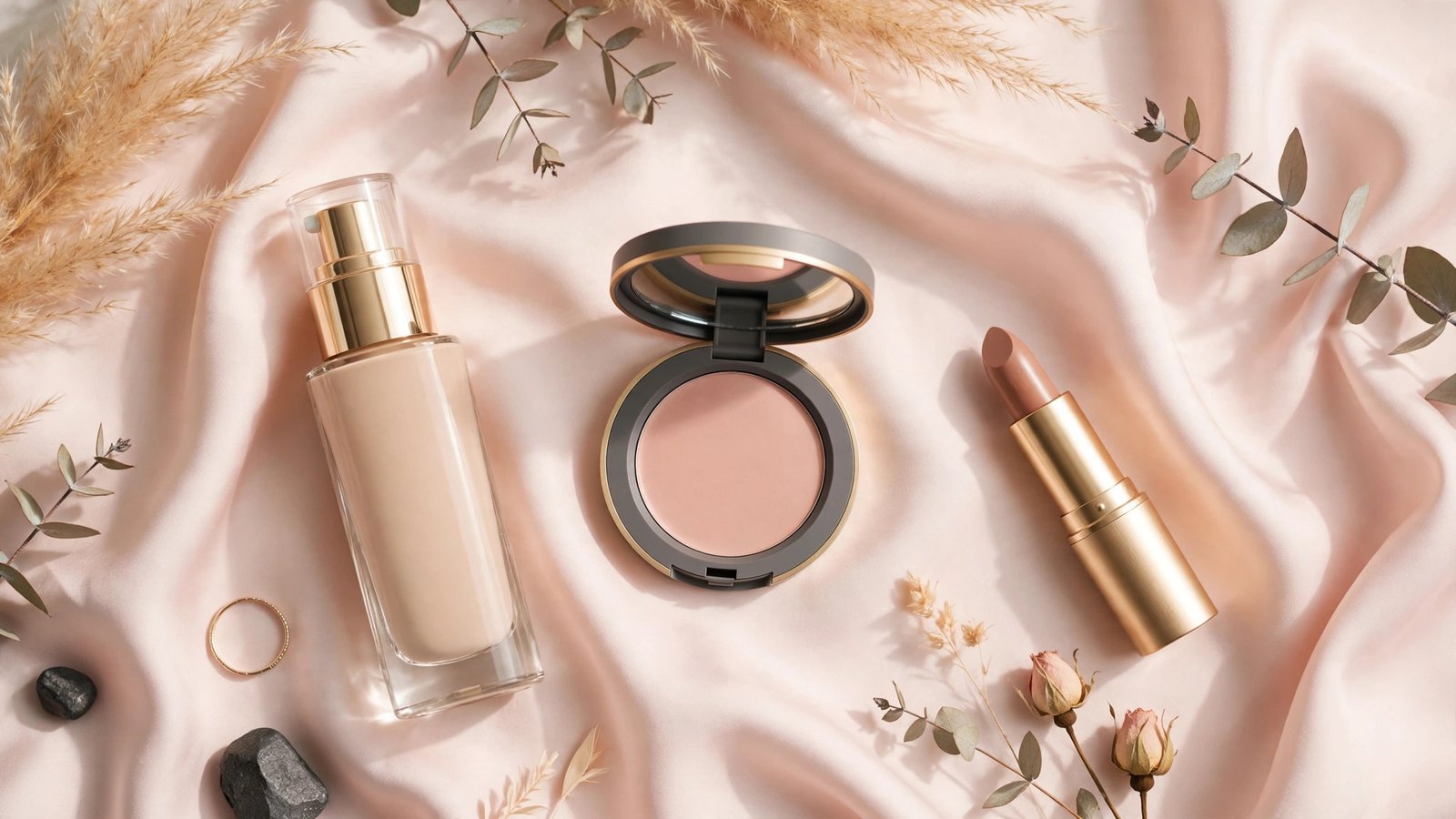
Keep: hydrating primer, medium-coverage luminous foundation, damp sponge, concealer one shade lighter than foundation, cream blush, soft matte transition eyeshadow, lash curler, tubing mascara, brow pencil, lip liner, creamy lipstick, hydrating setting spray.
Ditch or demote: full-coverage matte foundation for daily wear, heavy all-over powder, glitter eyeshadow on textured lids, harsh black liner on the lower waterline, and very dark or very pale lipsticks that flatten the lips.
Remember: this is a framework, not a rulebook. The best makeup for mature skin over 40 is the version you enjoy wearing — these techniques simply give you the most flattering starting point.
Key Takeaways
- Hydration-first skin prep is the foundation of flattering makeup over 40: moisturizer, eye cream, and a hydrating primer before any color.
- Choose lightweight, luminous base formulas and apply less than you think — heavy matte foundation settles into fine lines and ages the face.
- Powder only the T-zone (or skip it); finish with a hydrating setting spray instead of all-over powder.
- For eyes, place transition shadow above the crease, use shimmer strategically, tightline instead of heavy liner, and fill in thinning brows.
- Cream blush blended upward gives a youthful lift; powder blush can look dusty on textured mature skin.
- Prep lips with balm, define with liner to prevent feathering, and choose creamy satin lipsticks over drying mattes.
- The four deep-dive companions to this guide: crease-proof concealer, hooded-eye eyeshadow technique, flattering lipstick shades over 50, and the makeup mistakes to avoid.
Frequently Asked Questions
What is the best foundation for mature skin over 40?
Hydrating, medium-coverage foundations with a luminous or satin finish work best for most women over 40. Serum foundations, dewy formulas, and tinted moisturizers move with the skin instead of settling into fine lines. Avoid full-coverage matte foundations for everyday wear — they emphasize texture and can look cakey.
Should women over 40 wear powder?
Only sparingly. A light dusting of translucent powder through the T-zone controls shine without dulling the face. Heavy all-over powder settles into fine lines and is one of the most aging makeup mistakes. A hydrating setting spray is usually a better finishing step for mature skin.
How do I keep concealer from creasing under my eyes?
Prep with eye cream, use a hydrating concealer formula (not a thick matte one), apply thin layers with a damp sponge, and set with the tiniest amount of powder — or skip powder and use setting spray. Our detailed guide on the best concealer for mature skin that doesn’t crease covers product picks and technique.
What eyeshadow colors are best for mature eyes?
Soft mattes in warm neutrals (taupe, soft brown, warm beige) are the most flattering and forgiving. A light shimmer on the center of the lid adds dimension. Avoid very dark shades all over the lid and heavy glitter, which can emphasize crepey texture. The key technique is placing your transition shade above the natural crease.
How can I make my lips look fuller after 40?
Define the lip line with a liner matching your natural lip tone, then fill in with a creamy satin lipstick in a mid-tone berry, rose, or warm nude. Avoid very dark shades (they make lips look smaller) and drying mattes (they emphasize lines). A dab of gloss in the center of the lower lip adds the illusion of fullness.
Do I need to change my makeup routine at 40?
Not completely — but most women benefit from swapping heavy matte formulas for hydrating ones, switching powder blush to cream, easing off heavy powder, and adding under-eye prep. Small formula and technique changes make a bigger difference than buying all-new products.
Love this? Pin it for later!