How to Stop Eyeliner Smudging: 12 Pro Tips for Oily Lids
You draw a crisp line at 8am. By noon it’s a soft gray blur; by 3pm it’s migrated into your crease and halfway down your cheek. If this is your daily reality, you are not doing eyeliner wrong — you’re likely missing the small prep and formula choices that separate liner that lasts from liner that travels.
Smudging has specific, fixable causes: oily lids, the wrong formula for your skin, skipped primer, and application habits that work against longevity. This guide covers all twelve of the techniques makeup artists actually rely on to keep liner sharp all day — including what to do differently if you have oily lids or hooded eyes, where smudging hits hardest.
For the full foundation on liner types and techniques, see [the beginner’s eyeliner guide → eyeliner-guide-for-beginners]. This guide is the anti-smudge specialist.
Key Takeaways
- Most smudging comes from oily lids and skipped prep, not from “bad” liner.
- The winning formula is: primer + waterproof liner + powder/shadow setting.
- Gel and waterproof liquid liners outlast creamy pencils on oily lids.
- Setting liner with a matching eyeshadow is the single biggest wear-time upgrade.
- Hooded eyes need fast-setting formulas because the lid fold transfers wet liner.
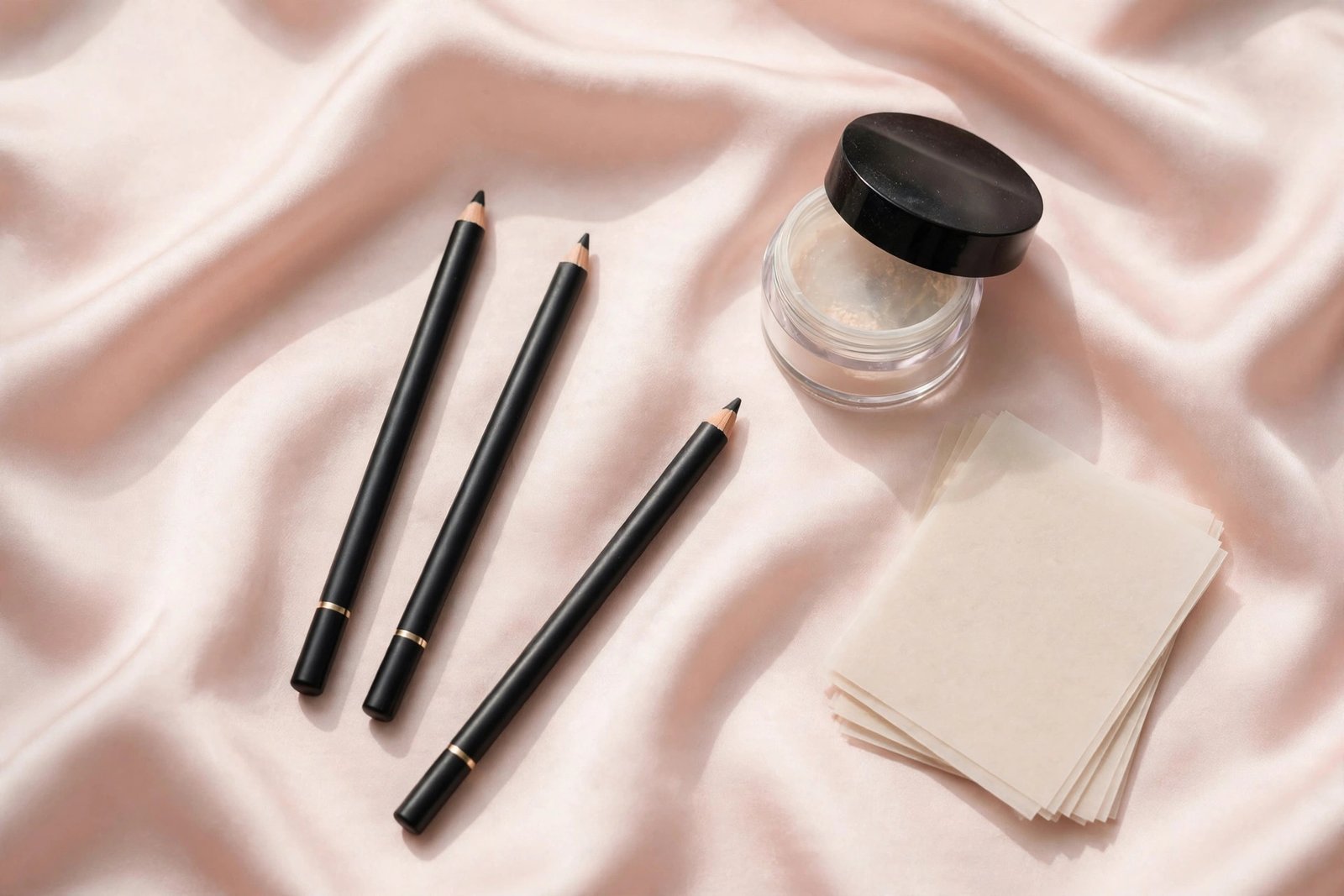
- Keep a pointed cotton swab and blotting papers in your bag for midday touch-ups.
Why Does Eyeliner Smudge? The 6 Main Causes
Fixing smudging starts with diagnosing it. These are the culprits, roughly in order of how often they cause the problem:
- Oily eyelids. Skin naturally produces oil, and the eye area is no exception. Oil dissolves makeup through the day, and liner sitting on an oily base slides. If your T-zone gets shiny by midday, your lids are almost certainly contributing to smudge.
- No primer. Bare skin gives liner nothing to grip. Without a primer base, even good formulas break down faster.
- The wrong formula. Creamy, non-waterproof pencils are designed to smudge — that’s their aesthetic. On oily lids or in humidity, they migrate within hours. Formula choice matters more than brand.
- Product residue on the lids. Moisturizer, sunscreen, foundation, or eye cream left on the lids creates a slippery layer under the liner. Eye cream applied too close to the lash line is a classic hidden cause.
- Touching your eyes. Rubbing, even lightly, transfers liner. Allergies, tired eyes, and contact-lens adjustments all cause unconscious rubbing through the day.
- Hooded lids and humidity. On hooded eyes, the lid fold presses against the liner constantly, transferring it upward. Heat and humidity soften every formula. If you have hooded eyes, [this guide → best-eyeliner-for-hooded-eyes] pairs smudge-proof product picks with placement that minimizes transfer.
12 Proven Ways to Stop Eyeliner Smudging
1. Prime your lids — every time
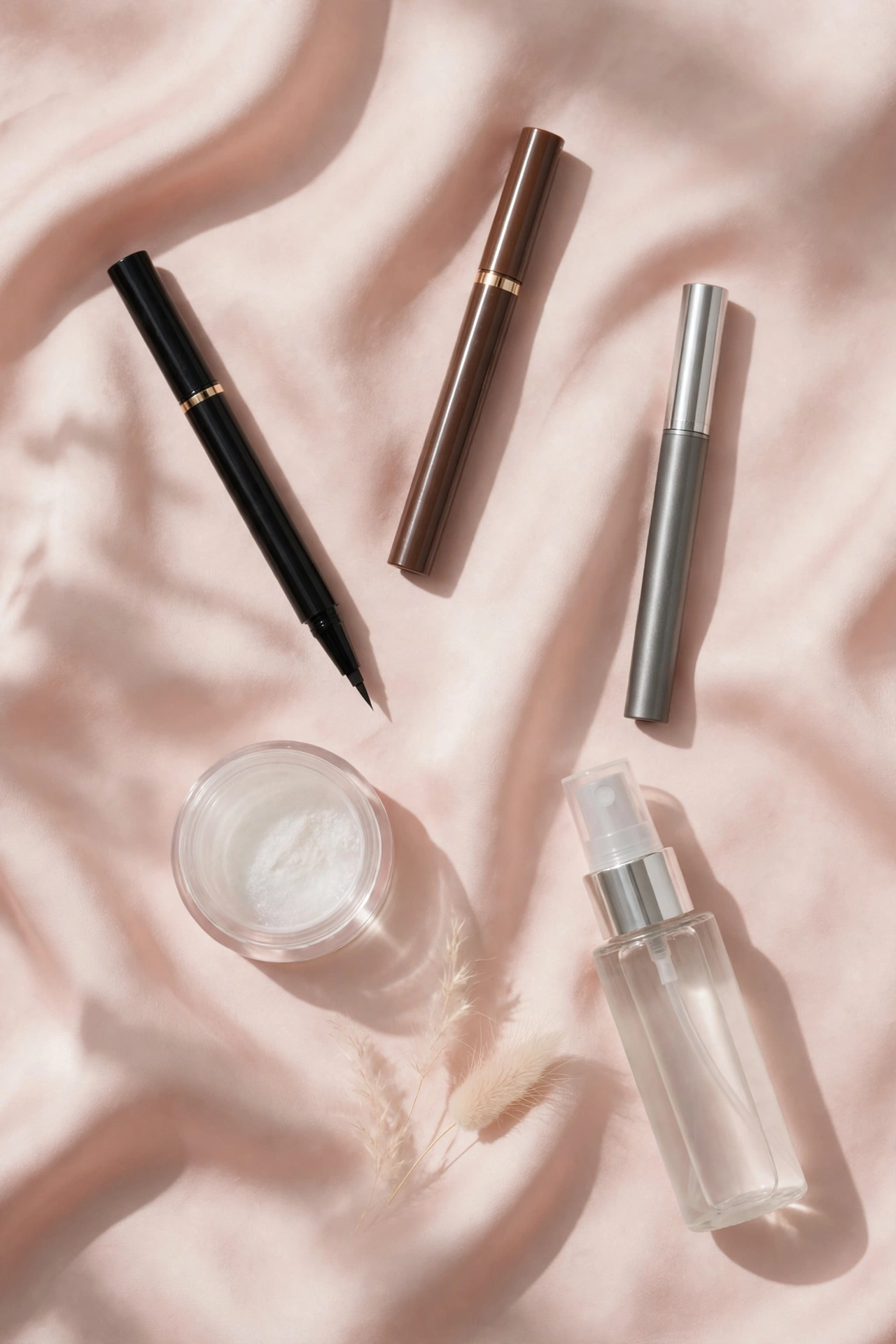
An eyeshadow primer creates a grippy, oil-absorbing base that holds liner in place for hours longer. Apply a thin layer across the lid and along the lash line before anything else. If you don’t own a dedicated primer, a thin layer of concealer set with translucent powder works as a substitute. The [eyeshadow primer guide → eyeshadow-primer-do-you-need-it] explains how the same product doubles as your liner base.
2. Start with clean, dry lids
Remove all residue — moisturizer, sunscreen, foundation — from the eyelids before priming. Use micellar water or a gentle cleanser on a cotton pad. Even a thin film of skincare is enough to make liner slide. Apply eye cream around the orbital bone, not on the lids themselves.
3. Switch to a waterproof formula
This is the highest-impact single change for most people. Waterproof liners resist oil, tears, humidity, and sweat — the four things that dissolve standard formulas. On oily lids, a waterproof pencil outperforms a non-waterproof liquid every time. Look for “waterproof” plus “smudge-proof” on the label; the combination matters.
4. Set your liner with matching eyeshadow
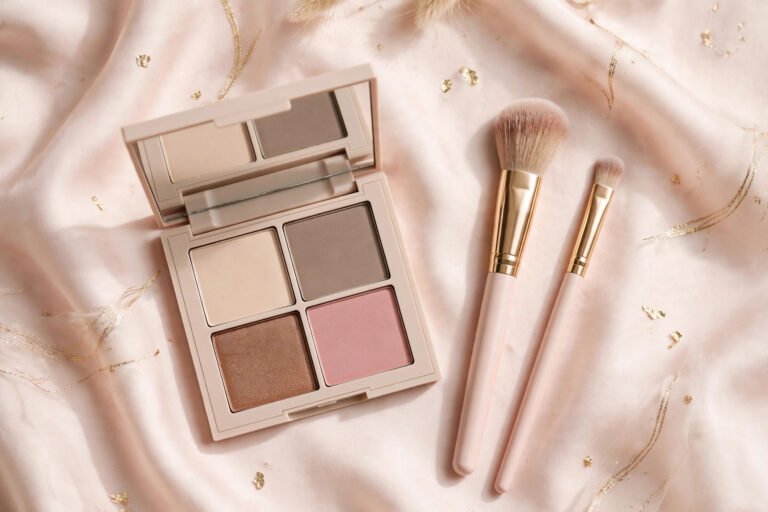
After the liner dries completely, press a matching eyeshadow over it with a small flat brush — black shadow over black liner, brown over brown. The powder absorbs oil through the day and physically locks the liner down. Makeup artists call this the single most effective longevity trick, and it works with every formula.
5. Layer pencil under liquid or gel
For maximum staying power, tightline or line with a waterproof pencil first, then go over it with gel or liquid. The layered combination adheres better and wears longer than either formula alone — the pencil grips the skin, the liquid or gel seals over it.
6. Choose gel or liquid over creamy pencil on oily lids
Formula hierarchy for longevity on oily skin: gel and waterproof liquid at the top, twist-up waterproof pencils in the middle, creamy kohl pencils at the bottom. If you love the soft pencil look, you can still wear it — just set it with shadow (tip #4) and accept a softer, smokier result rather than a crisp line.
7. Keep layers thin
Thick applications of any liner take longer to dry, crack more easily, and have more product available to migrate. Two thin layers, letting the first dry before adding the second, outlast one thick layer. This applies especially to liquid liner, which can crack and flake when applied heavily.
8. Let it dry before you blink normally
Give liquid and gel liner 30–60 seconds to set fully before resuming normal blinking. Look downward while it dries — this keeps the wet line away from the brow bone and lid fold. Rushing this step is how liner stamps itself onto the upper lid.
9. Blot lids midday
Carry blotting papers. A quick press on the lids around midday lifts accumulated oil before it can dissolve your liner — without disturbing the makeup the way powder touch-ups sometimes do. This two-second habit noticeably extends wear on oily skin.
10. Finish with setting spray
A light mist of setting spray after your makeup is complete adds a flexible film over everything, liner included. Hold it 8–10 inches away and let it dry naturally. It won’t make a non-waterproof liner waterproof, but it measurably improves the wear of an already-good base.
11. Tightline instead of lining the waterline
The lower waterline is the wettest area around the eye and the first place liner breaks down. If your liner always fails there first, switch your definition to [tightlining the upper waterline → tightlining-vs-waterline-eyeliner] — it lasts far longer because it’s sheltered by the lashes — and keep lower-lid definition to a softly smudged shadow instead.
12. Address the eye-rubbing habit
If allergies or tired eyes have you rubbing through the day, no product fully compensates. Allergy eye drops (used as directed), adequate sleep, and consciously using blotting papers instead of fingers around the eyes all reduce the mechanical smudging that products can’t prevent.
Best Formulas for Oily Lids: What to Buy
If you’re shopping specifically for smudge resistance on oily lids, prioritize in this order:
- Waterproof gel liner — sets to a budge-proof finish, brush application gives thin precise lines, excellent longevity.
- Waterproof felt-tip liquid — fast-setting, intense color, great for wings that need to survive the day.
- Waterproof twist-up pencil — the practical everyday option; sets better than traditional kohl and needs no sharpener.
- Tubing or long-wear formulas — some modern liners use film-forming technology that resists oil particularly well; worth trying if standard waterproofs still fail you.
And pair any of them with primer underneath and shadow setting on top — the three-part system beats any single product.
The Oily-Lid Connection: Fix Your Whole Eye Routine
Eyeliner doesn’t smudge in isolation — if your lids are oily enough to move liner, your eyeshadow is probably creasing and fading too. The prep routine is the same for both: clean lids, primer, powder setting. If shadow longevity is also a battle, [this guide to making eyeshadow last on oily lids → how-to-make-eyeshadow-last-oily-lids] covers the full oily-lid eye routine, and the two guides together solve the whole problem rather than half of it.
When It Smudges Anyway: Midday Rescue
Even with perfect prep, long days and heat happen. Keep a small kit for touch-ups:
- Pointed cotton swabs — the fastest cleanup tool. Dry for smudges, or barely damp with micellar water for stubborn transfer.
- Blotting papers — de-oil the lids before touching up, or fresh liner slides on the oil.
- A twist-up waterproof pencil — quicker and more forgiving for touch-ups than liquid; re-line, then press a little powder over it.
- Translucent powder and a small brush — dust under the eyes to clean up migrated liner and prevent further travel.
The rescue order matters: blot first, clean up migration with a swab, reapply liner, set with powder. Touching up over oil just restarts the smudge cycle.
Frequently Asked Questions
Why does my eyeliner smudge even though it’s waterproof?
Waterproof resists water, but heavy lid oil can still break formulas down — and “waterproof” varies enormously between brands. Add primer underneath and shadow setting on top; the three-part system succeeds where the product alone doesn’t. Also check that you’re not applying eye cream on the lids.
How do I keep eyeliner from smudging on hooded eyes?
Use a fast-setting waterproof formula, apply with eyes open, keep lines thin, and always set with matching shadow. The lid fold is the main transfer mechanism on hooded eyes, so dry-down speed matters as much as waterproofing. Product picks and placement details are in [the hooded-eyes guide → best-eyeliner-for-hooded-eyes].
Does setting spray really help eyeliner last?
It helps as a final layer over an already-solid base — primer plus waterproof liner plus shadow setting. On its own over bare-skin-applied liner, the effect is modest. Think of it as the sealant, not the foundation.
What’s the longest-lasting eyeliner formula?
On most people, waterproof gel liner set with matching eyeshadow gives the longest wear, followed closely by waterproof liquid. But individual skin chemistry varies — oily lids break down some formulas faster, which is why the prep-and-setting routine matters as much as the product.
Why does my lower eyeliner smudge but my upper doesn’t?
The lower waterline and under-eye area stay moist from tears, and the lower lid moves constantly when you blink and smile. Lower liner simply lives in a harsher environment. Waterproof twist-up pencils last longest there; alternatively, switch lower definition to [tightlining → tightlining-vs-waterline-eyeliner] plus smudged shadow, which wears far better.
Smudge-proof eyeliner isn’t about finding one magic product — it’s a system. Clean lids, primer, a waterproof formula suited to your skin, thin layers, and powder setting will keep liner sharp through long days, humidity, and oily skin alike. Build the habit in that order, and the 3pm panda-eye check becomes a thing of the past. For technique foundations to pair with these longevity tricks, [the beginner’s eyeliner guide → eyeliner-guide-for-beginners] covers every formula and method in one place.
beginner’s eyeliner guide
best eyeliner for hooded eyes
tightlining vs waterline eyeliner
make eyeshadow last on oily lids
do you need eyeshadow primer
Love this? Pin it for later!