Do You Need Eyeshadow Primer? Benefits, Types & How to Use It
Eyeshadow primer is the product beginners skip most often — and the one that would improve their results the most. A pea-sized amount of primer is the difference between eyeshadow that fades and creases by lunch and eyeshadow that looks freshly applied at midnight. But is it truly essential for everyone? This guide explains exactly what eyeshadow primer does, who needs it most, the alternatives that can substitute for it, and how to apply it correctly.
For the complete beginner routine that primer fits into, see the complete eyeshadow guide for beginners.
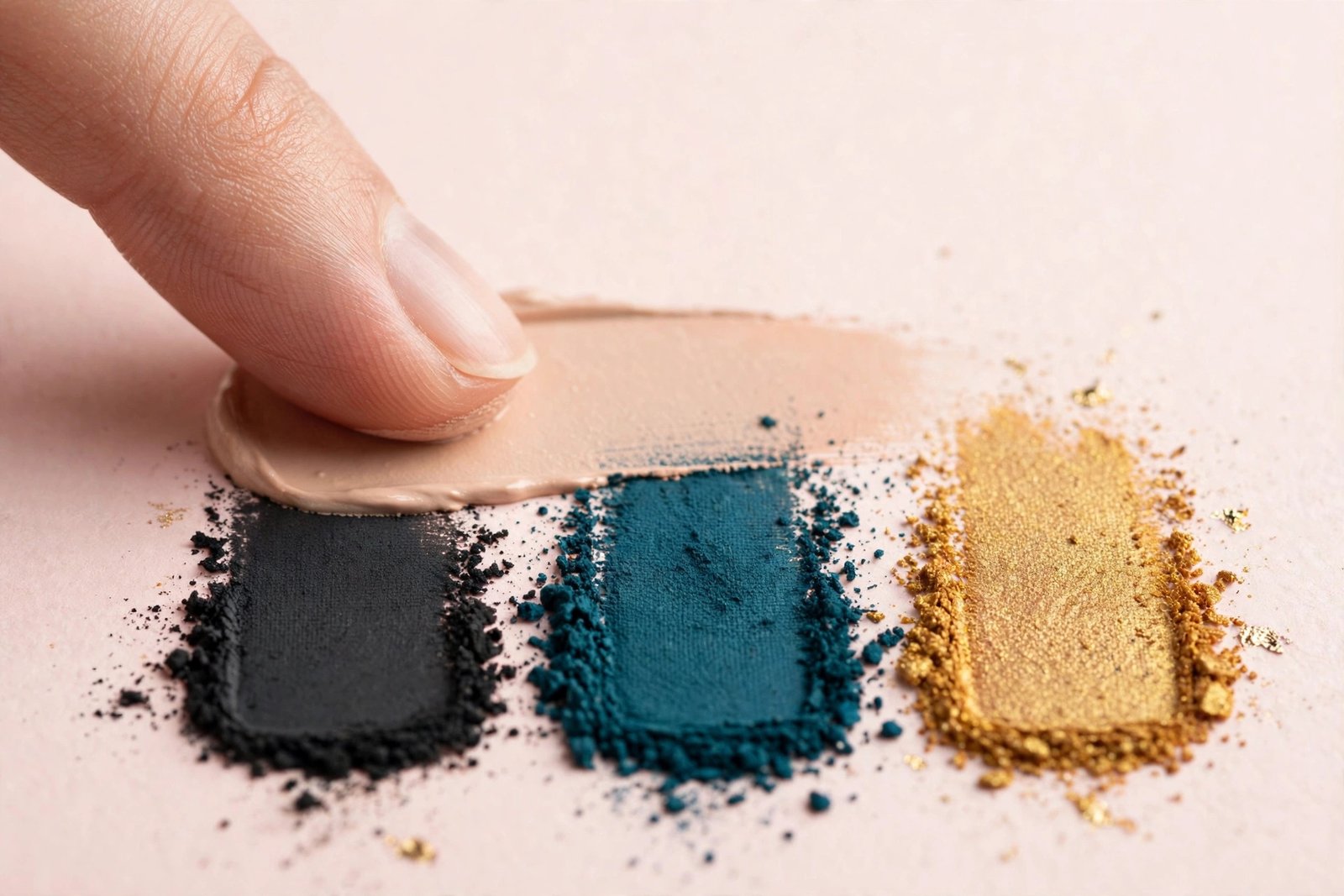
Key Takeaways
- Eyeshadow primer grips pigment, intensifies color, prevents creasing, and extends wear time.
- Oily lids benefit the most — primer is close to essential for this skin type.
- Concealer can substitute for primer in a pinch, but dedicated primers control oil better and crease less.
- Apply a thin layer from lash line to brow bone and let it set before adding shadow.
- Always set primer with a powder or skin-toned shadow — blending over tacky primer causes patchiness.
- Cream eyeshadow can double as a primer base when layered under powder shadow.
What Eyeshadow Primer Actually Does
Eyeshadow primer is a base product applied to the lids before eyeshadow. It performs four jobs at once:
1. Grips pigment. Primer creates a slightly tacky surface that powder shadow adheres to. Colors apply more evenly and with stronger payoff — the shade in the pan finally looks like the shade on your lid.
2. Prevents creasing. Without primer, the natural oils on your lids and the constant movement of blinking push eyeshadow into the crease lines within hours. Primer forms a barrier between skin oils and pigment that keeps shadow smooth.
3. Extends wear time. Eyeshadow applied over primer routinely lasts 8+ hours; without primer, fading often starts within 3–4 hours, especially on oily lids.
4. Intensifies color. Shadows — particularly mattes and lighter shades — appear richer and truer over primer because less pigment gets absorbed into the skin.
Understanding what primer does generally helps too — the guide to what makeup primer does covers face primers, which work on the same adhesion principle.
Do You Actually Need It? An Honest Breakdown
You almost certainly need it if: your lids are oily, your eyeshadow creases within a few hours, your shadow fades noticeably by afternoon, you have hooded eyes (the fold increases creasing and transfer), or you wear eye makeup for long days and events.
You can probably skip it if: your lids are dry, you only wear a light wash of shadow for short periods, and your makeup consistently lasts fine without it. Some people with very dry lids genuinely do not need primer for everyday looks.
The honest middle ground: even if you can skip it, primer still improves color payoff and makes blending easier. It is inexpensive, a tube lasts months, and it is the highest-impact-per-dollar product in eye makeup. For most people, the question is not whether primer helps — it does — but whether the improvement matters enough for a given day. For anything beyond a quick daytime wash of color, it is worth the ten seconds.
Types of Eyeshadow Primer and Bases
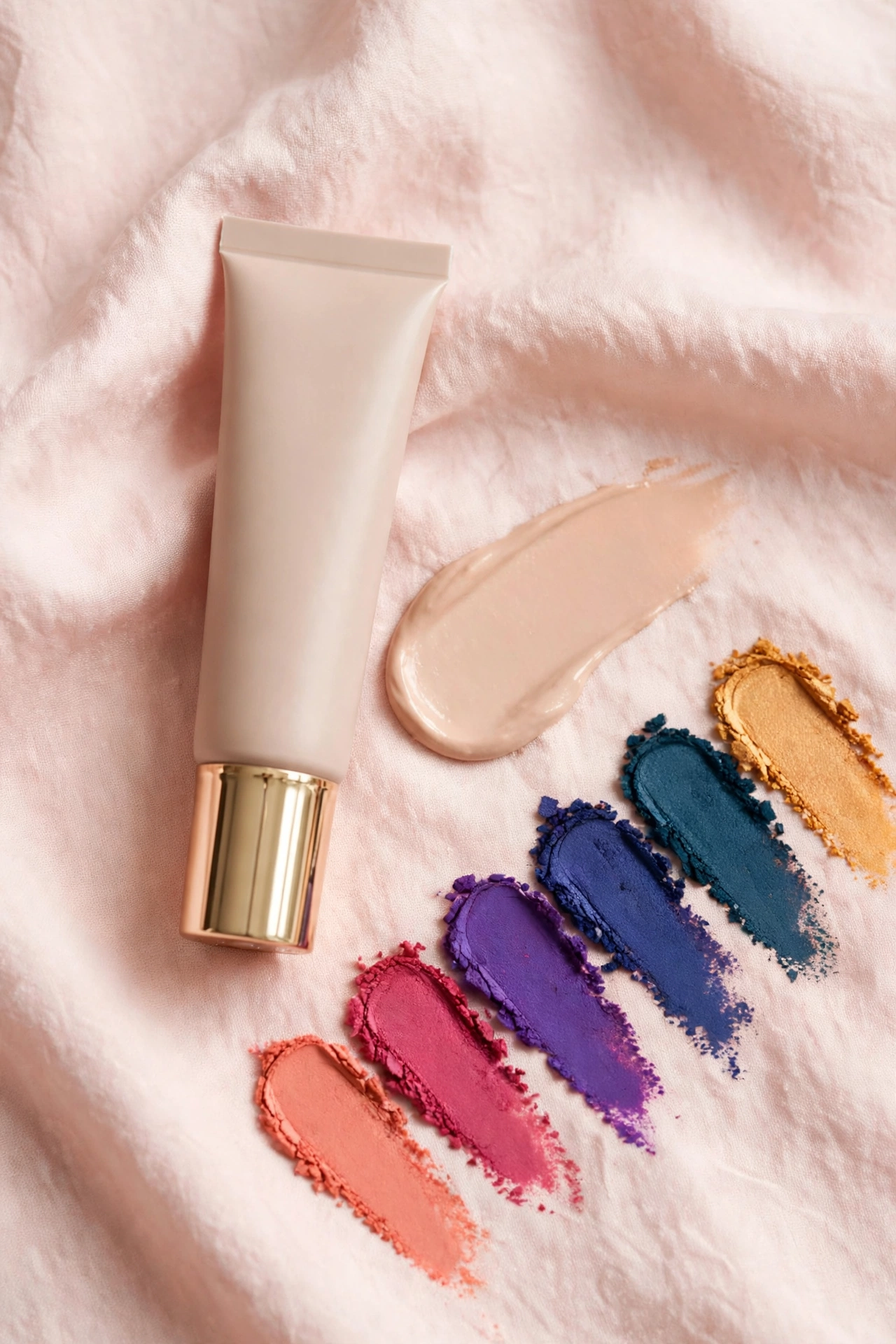
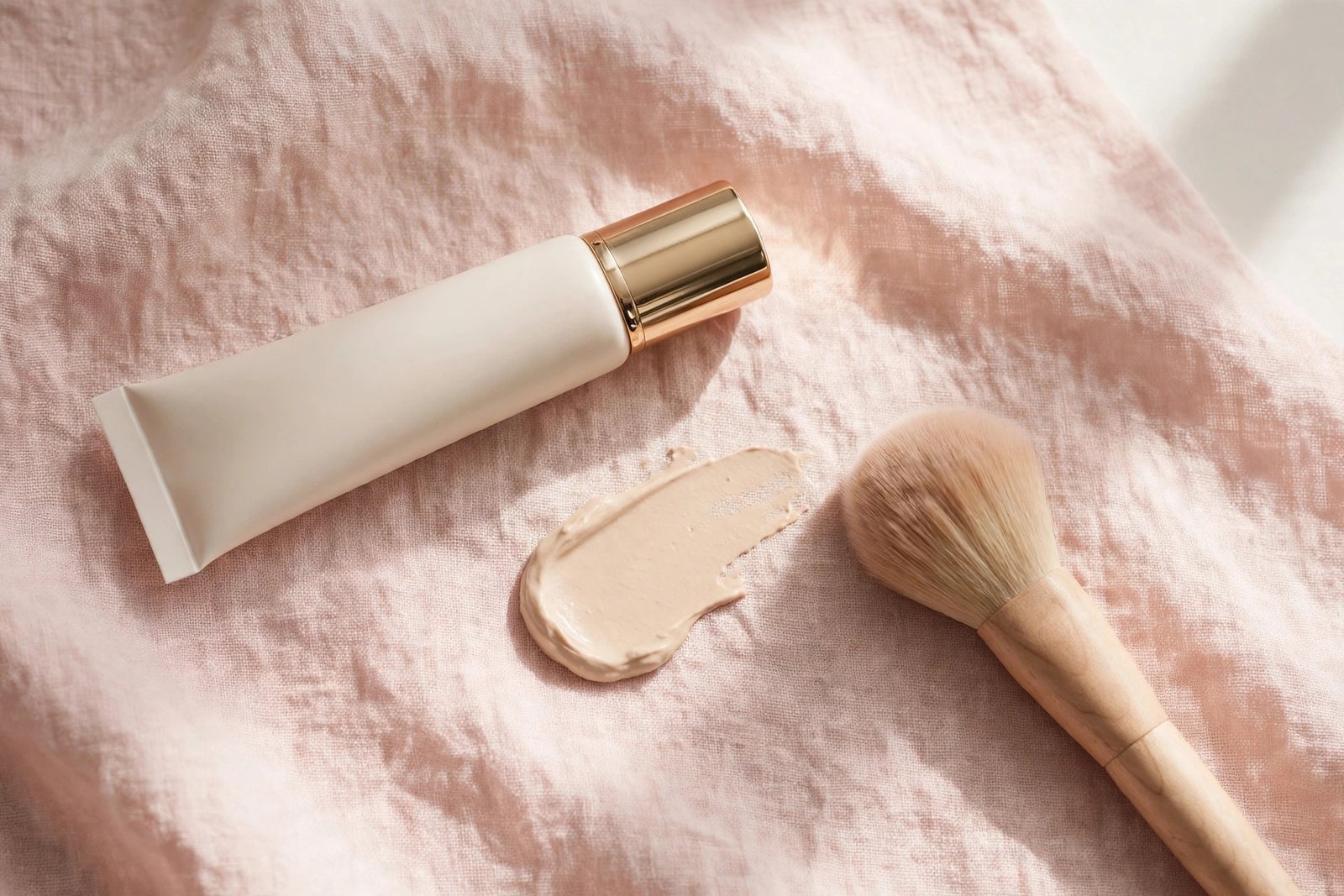
Dedicated eyeshadow primers come in squeeze tubes, wands, and pots. They are formulated specifically for the thin, mobile skin of the lids, with oil-absorbing ingredients that keep shadow in place. This is the best option for oily lids and long wear.
Tinted vs. untinted primers. Tinted primers even out lid discoloration (veins, redness) and can be worn alone for a polished no-makeup look. Untinted/transparent primers do the gripping job without changing lid color. Either works under shadow.
Concealer as primer. A thin layer of concealer is the most common primer substitute. It grips shadow reasonably well and evens out lid tone. Downsides: most concealers are not formulated to control lid oil, so they crease faster than dedicated primers on oily lids, and thicker layers can cake. In a pinch it works; as a daily solution, primer wins.
Cream eyeshadow as a base. A cream shadow in a neutral shade, set with powder shadow on top, functions as both color and primer. The powder grips the cream and barely moves. This layering trick is one of the best longevity techniques in eye makeup — and it means the cream shadow pulls double duty.
Face primer on the lids. Mattifying face primers can work on lids in a pinch, but they are formulated for different skin and can irritate the delicate eye area. A dedicated eye primer is safer and more effective.
Powder-only base. Setting the lids with translucent powder or a skin-toned matte shadow absorbs oil and helps shadow apply evenly, but it does not grip pigment the way primer does. It is a partial solution — better than nothing, not as good as primer.
How to Apply Eyeshadow Primer Correctly
Technique matters — even good primer underperforms when applied wrong.
-
Start with clean, dry lids. Blot away excess moisturizer or sunscreen and let skincare absorb fully. Primer applied over a greasy base cannot grip properly.
-
Use a small amount. A pea-sized dot (or one thin swipe of a wand) covers both lids. More product does not mean more hold — excess primer pills, creases, and interferes with blending.
-
Spread thin and even. Use a fingertip or a flat brush to spread primer from lash line to brow bone, including the inner corner. The layer should look sheer, not opaque.
-
Let it set. Wait 30–60 seconds until the primer feels dry or only very slightly tacky. Applying shadow over wet primer drags and patches.
-
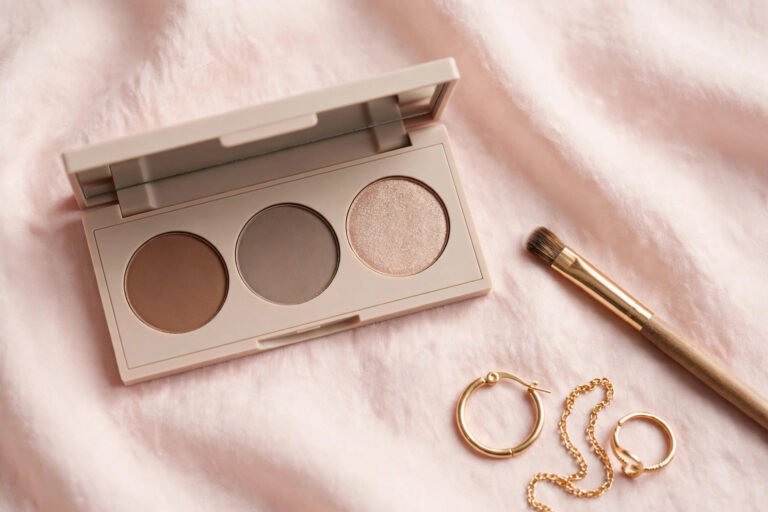
Set with powder. Sweep a skin-toned matte shadow or translucent powder over the primed lid with a fluffy brush. This is the step beginners miss: primer alone is grippy, and powder shadow blends poorly over a tacky surface. The powder set creates the smooth, blendable canvas that makes everything after it easier.
If your eyeshadow still fades despite primer, the issue is usually one of these steps — most often skipping the powder set or applying too much product. Oily lids may also need a long-wear primer formula specifically; the guide to making eyeshadow last on oily lids goes deeper on that scenario.
Eyeshadow Primer for Specific Situations
Oily lids: primer is close to mandatory. Choose a long-wear or mattifying formula, blot lids before application, and set with powder. Layering cream shadow under powder shadow adds even more staying power.
Hooded eyes: the fold’s constant skin-on-skin contact makes creasing and transfer worse, so primer plus a powder set is the foundation of every hooded-eye routine. The eyeshadow guide for hooded eyes builds on this base.
Mature lids: primer smooths the surface and prevents shadow from settling into fine lines. Choose a lightweight, non-drying formula and keep the layer thin — heavy primer can emphasize texture.
Glitter and metallic shadows: these need extra grip. Apply primer, then press the shimmer or glitter on with a finger or damp brush rather than sweeping it. For heavy glitter, a dedicated glitter glue over primer is the most secure option.
Primer Mistakes to Avoid
- Using too much. The most common error. A thick layer creases worse than no primer at all.
- Skipping the set. Blending powder shadow directly over tacky primer creates patchy, unblendable color.
- Applying over wet skincare. Moisturizer and sunscreen need to absorb fully first, or primer slides on top of them.
- Using old, separated primer. If the formula has separated or changed texture, its gripping power is gone — replace it.
- Expecting primer to fix bad shadow. Primer maximizes what your eyeshadow can do, but it cannot make a chalky, unpigmented shadow perform like a good one.
Frequently Asked Questions
Can I use concealer instead of eyeshadow primer?
Yes, as a substitute. A thin layer of concealer grips shadow and evens lid tone. But dedicated primers control oil better and resist creasing longer, so they outperform concealer on oily lids and for long wear.
How long does eyeshadow primer last once applied?
A good primer keeps eyeshadow looking fresh for 8–12 hours on most lids. On very oily lids, expect solid performance for 6–8 hours before touch-ups help.
Do I need primer if I only wear a little eyeshadow?
For a sheer wash of a single shade worn for a few hours, you can skip it — especially on dry lids. For anything more involved or longer-wearing, primer is worth it.
Can eyeshadow primer irritate eyes?
It should not, when applied to the lids and not inside the lash line or waterline. If you have sensitive eyes, choose a fragrance-free formula and patch-test first. Discontinue use if you experience stinging or redness.
Does primer work with cream eyeshadow?
Yes — primer under cream shadow improves its wear, and cream shadow under powder shadow acts as an additional gripping layer. The combination of primer + cream + powder is the longest-wearing stack available.
Eyeshadow primer is not marketing fluff — it is the structural foundation that everything else sits on. Ten seconds of primer, a 30-second set, and a powder sweep will do more for your eye makeup than any new palette. Once you see the difference, skipping it stops feeling like an option.
Love this? Pin it for later!