What Does Makeup Primer Do? Do You Really Need It?
If you’ve ever stood in the makeup aisle staring at a wall of primers — blurring, hydrating, mattifying, color-correcting — and thought, “Is this just another product they’re trying to sell me?” you’re not alone. Primer is one of the most misunderstood steps in makeup. Some people swear it’s the secret to flawless foundation, while others skip it entirely and their makeup looks just fine.
So what’s the truth? Let’s break down exactly what makeup primer does, the different types, who actually needs it, and how to use it correctly so you’re not wasting money on a step your skin doesn’t need.
New to makeup altogether? This article is part of our beginner makeup series. For the full routine from skin prep to setting spray, see our complete step-by-step makeup guide for beginners.
What Makeup Primer Actually Does
At its core, a makeup primer is a base layer applied after skincare and before foundation. Think of it like the primer you’d use before painting a wall — it creates a smooth, even surface so everything you put on top goes on better and lasts longer.
Here’s what a good primer does for you:
- Creates a smooth canvas. Primer fills in the look of pores, fine lines, and uneven texture so foundation glides on instead of settling into every crevice.
- Helps makeup last longer. It gives foundation something to grip onto, which means less fading, sliding, and midday touch-ups.
- Controls oil or adds hydration. Depending on the formula, primer can mattify an oily T-zone or add a layer of moisture under makeup for dry skin.
- Evens out skin tone. Color-correcting primers neutralize redness, sallowness, or dullness before foundation even goes on.
- Prevents pilling and patchiness. A good primer acts as a buffer between your skincare and makeup, reducing the chance that layers ball up or separate.
That said, primer is not magic. It won’t fix a skincare routine that isn’t working, and it can’t make a mismatched foundation shade look right. It enhances — it doesn’t rescue.
The Main Types of Primer (and What Each One Is For)
Not all primers do the same thing. Buying the wrong type for your skin is the number one reason people conclude “primer doesn’t work.” Here’s a rundown of the main categories:
Mattifying Primers
Designed for oily and combination skin. These typically contain oil-absorbing ingredients like silica or clay that keep shine at bay for hours. If your foundation slides off by lunchtime or your T-zone turns into a mirror by 2pm, this is your category.
Best for: Oily skin, combination skin, humid climates.
Hydrating Primers
The opposite end of the spectrum. These are packed with humectants like hyaluronic acid or glycerin and give dry skin an extra layer of moisture under makeup. They prevent foundation from clinging to dry patches or looking cakey.
Best for: Dry skin, mature skin, winter months.
Blurring / Pore-Filling Primers
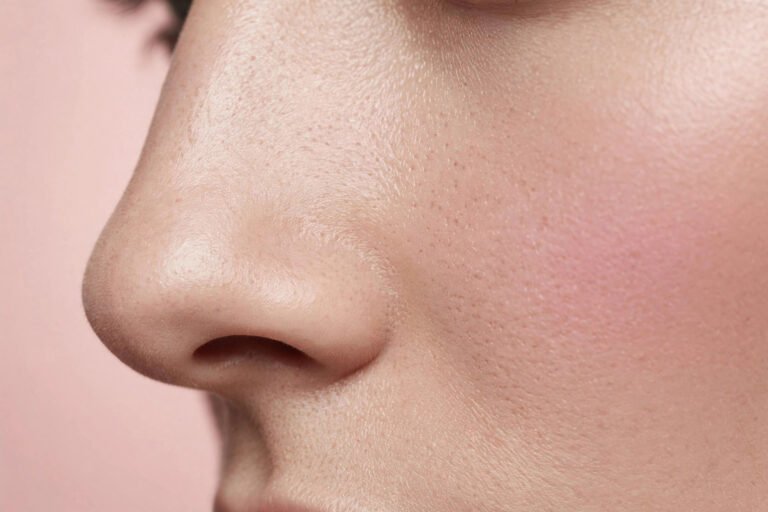
These have a slightly silicone-heavy, velvety texture that visually smooths the look of large pores and fine lines. They don’t actually shrink pores (nothing topical can), but they create an optical blurring effect that photographs beautifully.
Best for: Visible pores, textured skin, special occasions and photos.
Color-Correcting Primers
Tinted primers that neutralize specific discoloration:
– Green cancels redness (rosacea, blemishes, irritation)
– Lavender/purple brightens sallow, yellow-toned skin
– Peach/orange counteracts dark circles and dullness on medium to deep skin tones
Best for: Anyone with noticeable discoloration they want to correct with less foundation.
Illuminating Primers
These contain light-reflecting particles that give skin a lit-from-within glow. They’re lovely under sheer foundation or worn alone on good skin days.
Best for: Dull skin, dry skin, anyone wanting a dewy finish. Skip if you’re very oily — glow plus oil can read as greasy.
Do You Really Need Primer? (An Honest Answer by Skin Type)
Here’s the honest answer most beauty articles won’t give you: not everyone needs primer. It depends on your skin, your foundation, and what bothers you about your makeup.
You probably NEED primer if:
- Your foundation fades within a few hours. If you’re oily and makeup melts off, a mattifying primer genuinely extends wear time.
- Your foundation looks cakey or patchy. Often this is a texture issue that a smoothing or hydrating primer fixes. (If cakey foundation is your main struggle, our guide on why foundation looks cakey and how to fix it covers every cause in detail.)
- You have very visible pores and want them to look smoother under makeup.
- You have significant redness that requires heavy foundation to cover — a green primer lets you use less.
You can probably SKIP primer if:
- Your makeup already lasts all day. If your foundation looks the same at 6pm as it did at 8am, primer is solving a problem you don’t have.
- You wear minimal makeup. Tinted moisturizer or BB cream on good skin days rarely needs a primer underneath.
- Your moisturizer works as a base. Many modern moisturizers (especially gel-creams) create a perfectly good base for foundation on their own.
- You’re on a tight budget. A good moisturizer + good foundation beats a cheap primer + good foundation every time. Spend the money where it counts first.
By skin type, quick verdict:
| Skin Type | Primer Verdict |
|---|---|
| Oily | Yes — mattifying primer makes the biggest difference here |
| Dry | Helpful — hydrating primer prevents cakey, patchy foundation |
| Combination | Yes for the T-zone — you can spot-apply where needed |
| Sensitive | Optional — choose fragrance-free; patch test first |
| Normal/balanced | Optional — nice to have, not essential |
How to Apply Primer Correctly
Applying primer wrong is worse than not using it at all. Here’s the right way:
- Start with skincare, and let it absorb. Apply your moisturizer (and sunscreen) first, then wait 1–2 minutes. Primer applied over wet skincare will pill.
- Use a pea-sized amount. This is the most common mistake — more is not better. A pea-sized amount covers the whole face. Using too much causes pilling and makes foundation slide.
- Focus on problem areas. You don’t need primer everywhere. Concentrate on the T-zone for mattifying formulas, or dry patches for hydrating ones.
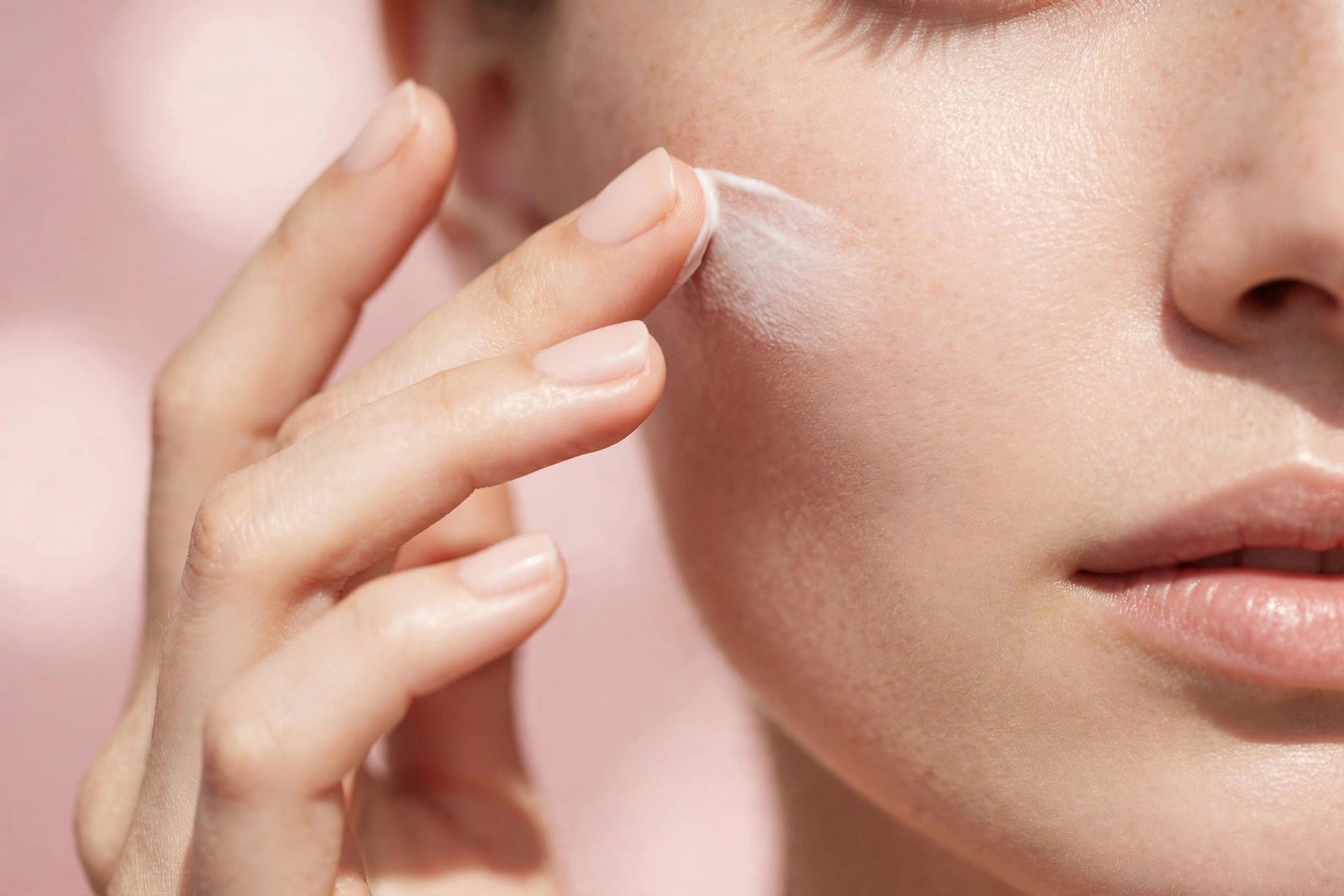
- Press, don’t rub. Use your fingertips to press primer into the skin rather than rubbing it around. This is especially important for pore-filling primers — pressing pushes product into pores for that blurring effect.
- Wait 30–60 seconds before applying foundation. Give the primer a moment to set so the layers don’t mix into a mess.
Primer vs. Moisturizer: What’s the Difference?
This confuses a lot of beginners, so let’s clear it up:
- Moisturizer is skincare. Its job is to hydrate and nourish your skin. It absorbs over time.
- Primer is makeup prep. Its job is to create an optimal surface for foundation. It sits on top of the skin.
They are not interchangeable, but there is overlap. A rich moisturizer can function as a hydrating primer for dry skin. And some primers contain skincare ingredients. But in general:
- If your concern is dryness, prioritize a good moisturizer over a hydrating primer.
- If your concern is makeup longevity or texture, that’s what primer is for.
- You can use both — moisturizer first, let it absorb, then primer.
One thing to avoid: using a silicone-heavy primer over a silicone-heavy moisturizer without letting the first layer absorb. That’s a fast track to pilling.
6 Common Primer Mistakes That Waste Your Money
- Using too much product. A pea-sized amount is enough. Excess primer balls up under foundation.
- Applying over wet skincare. Wait for moisturizer and sunscreen to fully absorb first — at least a minute or two.
- Using the wrong type for your skin. Mattifying primer on dry skin emphasizes flakes; hydrating primer on oily skin causes sliding. Match the formula to your skin type.
- Rubbing instead of pressing. Especially with pore-blurring primers, pressing gives a smoother result.
- Skipping it where you need it, using it where you don’t. Spot-apply. Oily T-zone gets mattifying primer; dry cheeks might get hydrating primer or none at all.
- Expecting it to fix everything. Primer won’t compensate for the wrong foundation shade, expired products, or unprepped skin. It’s one piece of the puzzle.
Frequently Asked Questions
Can I wear primer without foundation?
Absolutely. Blurring and illuminating primers look great on their own — they even out the look of skin without any coverage. This is a great “no-makeup makeup” option.
Does primer go before or after sunscreen?
After. The order is: skincare → sunscreen → primer → foundation. Sunscreen needs to be the last skincare step to work properly, and primer goes on top of it.
How long does primer last once opened?
Most primers last 12 months after opening (check the PAO symbol on the packaging). Silicone-based primers can separate over time — if it smells off or the texture changes, replace it.
Is expensive primer better than drugstore primer?
Not necessarily. Primer is one of those categories where drugstore options perform remarkably well. The key is choosing the right type for your skin, not the right price point.
Can primer cause breakouts?
Any new product can, especially if it’s comedogenic or if you’re not removing it properly at night. If you’re acne-prone, look for non-comedogenic formulas and always double cleanse at the end of the day.
Do I need a separate eye primer?
If your eyeshadow creases within hours, yes — eye primer is formulated differently (tackier, more gripping) than face primer and works much better on lids. Face primer on eyes is better than nothing, but a dedicated eye primer is worth it for oily lids.
Key Takeaways
- Primer creates a smooth base that helps foundation apply evenly and last longer — but it’s not mandatory for everyone.
- Match the primer type to your skin concern: mattifying for oil, hydrating for dryness, blurring for pores, color-correcting for discoloration.
- Less is more: a pea-sized amount, pressed (not rubbed) into the skin, after skincare has absorbed.
- If your makeup already lasts all day, you can skip primer and spend that money elsewhere in your routine.
- The biggest mistake is using the wrong type for your skin — that alone convinces most people primer “doesn’t work.”
Want the full picture? Our step-by-step makeup guide for beginners walks through the entire routine — from skin prep to setting spray — so you know exactly where primer fits in.
Love this? Pin it for later!