Silk Pillowcase Benefits for Skin and Hair: Is It Worth It?
You’ve probably seen silk pillowcases all over social media — beauty influencers swear they wake up with smoother skin and frizz-free hair. But is it real science or just clever marketing? Let’s look at what silk pillowcases actually do for your skin and hair, how they compare to satin, and whether they’re worth the investment.
If you’re building better beauty habits from the ground up, check out our complete guide to beauty tips for beginners for the full picture.
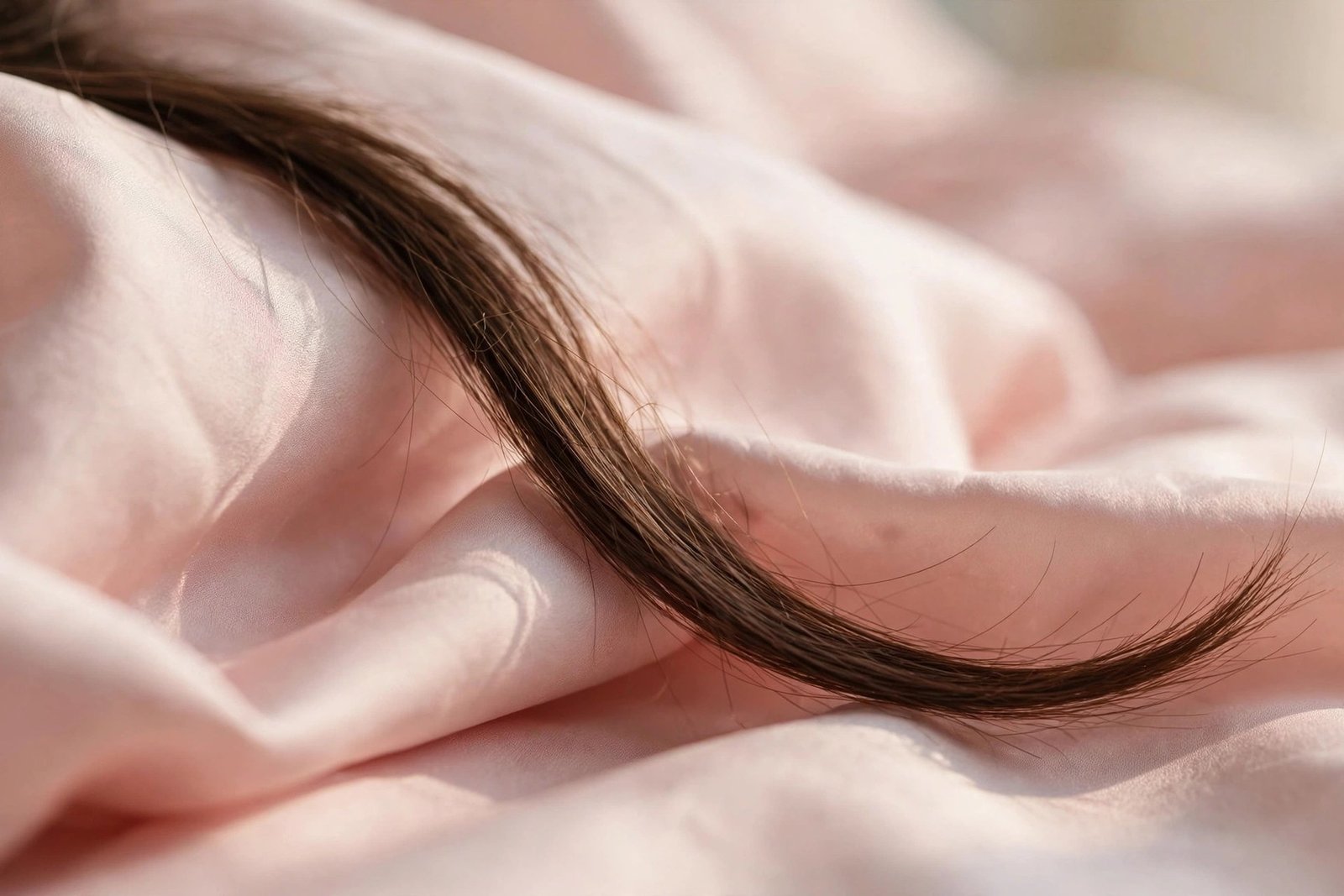
What Does a Silk Pillowcase Actually Do?
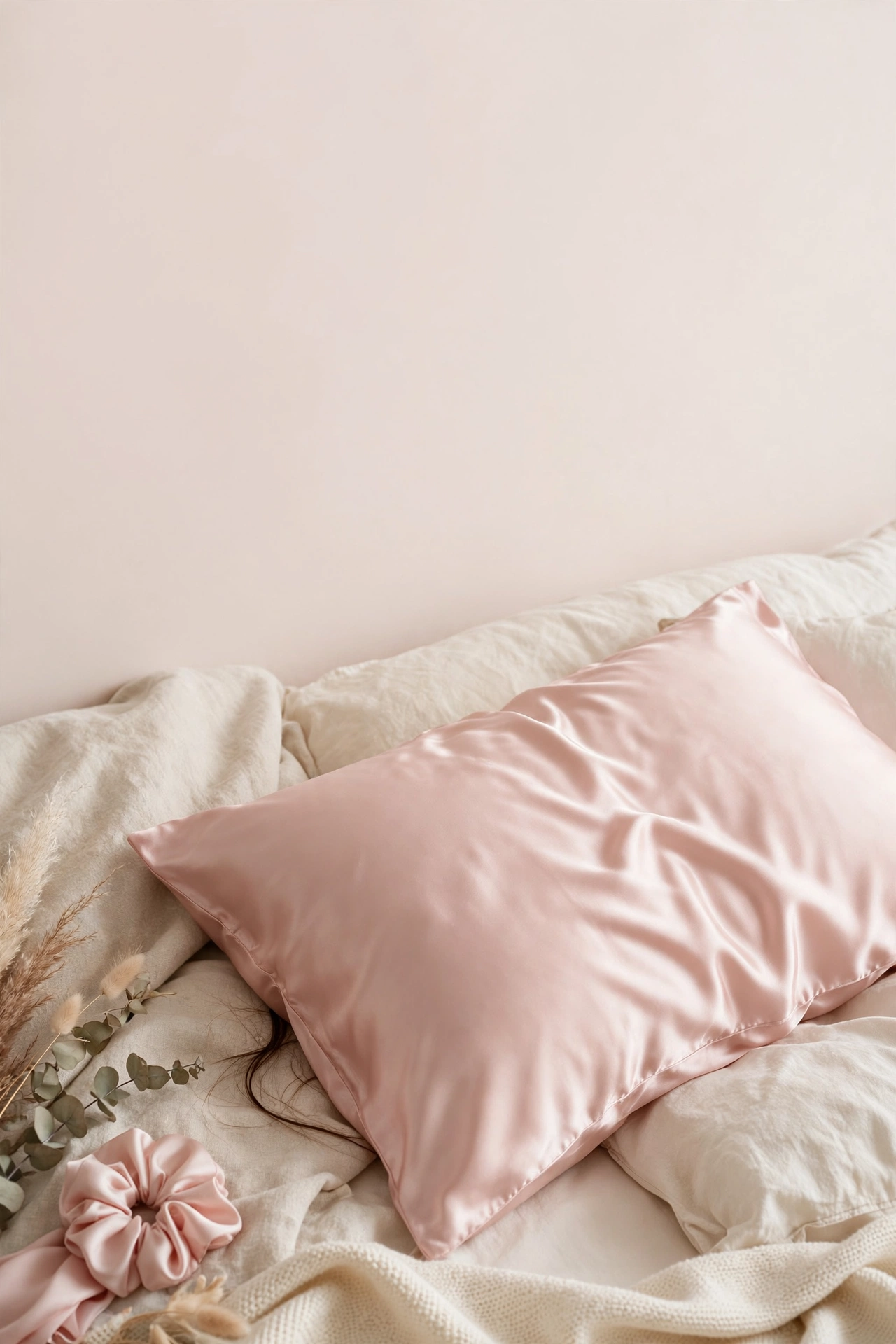
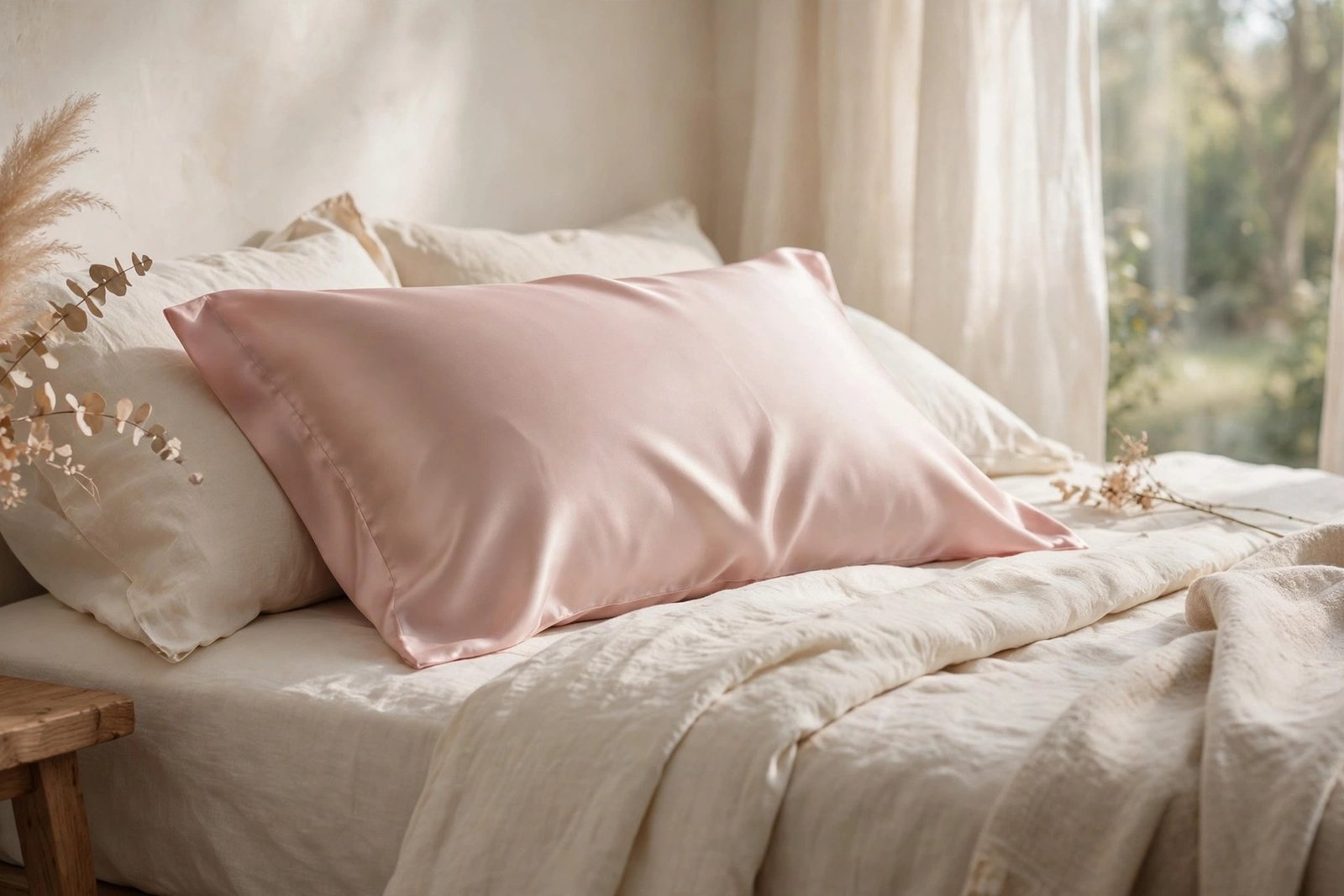
A silk pillowcase replaces your regular cotton pillowcase with one made from silk — a natural protein fiber produced by silkworms. The key difference is the surface texture: silk is incredibly smooth, while cotton has a rougher weave that creates friction against your skin and hair while you sleep.
Think about it: you spend roughly 7–8 hours every night with your face and hair pressed against your pillowcase. That’s thousands of hours per year of contact. The material matters more than most people realize.
Silk’s smooth surface means:
– Less friction on skin (fewer sleep creases and less tugging)
– Less friction on hair (less breakage, tangling, and frizz)
– Less moisture absorption than cotton (your skincare products and hair’s natural oils stay where they belong)
Benefits for Skin
Fewer Sleep Creases and Wrinkles
Cotton pillowcases grip the skin. When you toss and turn, the fabric drags against your face, creating temporary sleep lines. Over years, dermatologists note that repeated creasing in the same areas can contribute to fine lines — especially for side sleepers.
Silk’s slippery surface lets your skin glide instead of drag. You’ll still get some compression from the pillow itself, but the friction-based creasing is significantly reduced. This is one of the most commonly reported benefits, and it makes intuitive sense given the physics involved.
Better for Acne-Prone Skin
Silk absorbs less moisture than cotton, which means it also absorbs less of the oils, sweat, and skincare products from your face overnight. A cleaner pillowcase surface means less buildup transferring back onto your skin.
That said — a silk pillowcase is not an acne treatment. If you’re dealing with breakouts, the fundamentals (gentle cleansing, non-comedogenic products) matter far more. But as part of an overall routine, a cleaner sleep surface certainly doesn’t hurt. For more on building an effective routine, see our skincare routine guide for beginners.
Keeps Skincare Products on Your Face
Ever notice your expensive night cream seems to vanish by morning? Cotton is absorbent — it wicks moisture (and your products) away from your skin. Silk is far less absorbent, so more of your nighttime skincare stays on your face where it can actually work.
This is especially noticeable with richer products like night creams, facial oils, and overnight masks.
Gentler on Sensitive Skin
The smooth, non-abrasive surface of silk is less irritating for sensitive or reactive skin types. If you wake up with redness or irritation that seems to come from nowhere, your rough cotton pillowcase could be a contributing factor.
Benefits for Hair
Less Frizz and Breakage
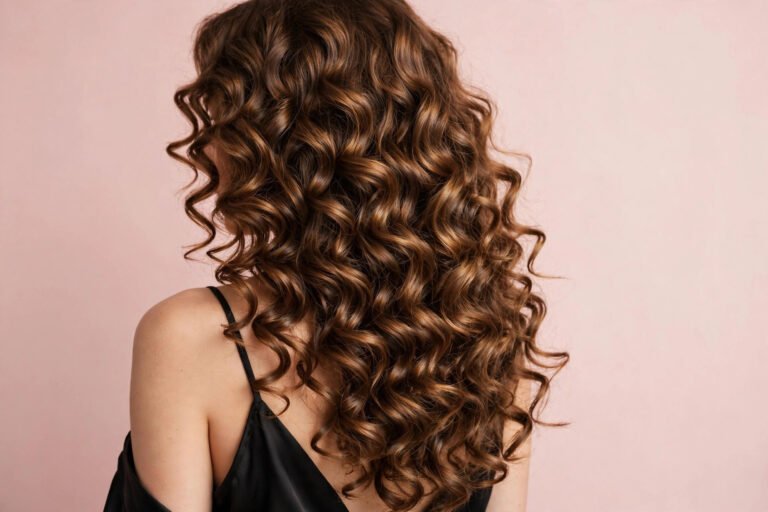
This is where silk pillowcases arguably shine the brightest. Cotton creates friction against the hair shaft, roughing up the cuticle (the outer protective layer). A rougher cuticle means more frizz, more tangling, and more breakage over time.
Silk lets hair slide smoothly, keeping the cuticle flatter and more intact. Many people with curly, coily, or frizz-prone hair notice the biggest difference — less morning bedhead, fewer tangles to fight through.
Helps Hairstyles Last Longer
If you straighten your hair or style it before bed, a silk pillowcase helps preserve the style overnight. Less friction means your sleek blowout or defined curls survive the night better. Pair this with proper nighttime hair protection — see our guide on how to sleep with straightened hair for the full strategy.
Less Moisture Loss
Just as with skin, cotton wicks moisture away from hair. If you apply leave-in treatments or oils before bed, a silk pillowcase means more of that hydration stays in your hair rather than transferring to the fabric.
Silk vs Satin: What’s the Difference?
This is one of the most common points of confusion. Here’s the breakdown:
Silk is a natural fiber made by silkworms. It’s breathable, temperature-regulating (cool in summer, warm in winter), hypoallergenic, and naturally smooth. It’s also expensive — real silk pillowcases typically cost $50–$100+.
Satin is not a fiber — it’s a weave. Satin can be made from silk, polyester, nylon, or blends. Most affordable “satin” pillowcases are polyester satin. They’re smooth and slippery like silk, but:
– Less breathable (polyester traps heat)
– Less durable (pilling and wear over time)
– Don’t have silk’s natural temperature regulation
– But: much cheaper ($10–$25) and still reduce friction significantly
The verdict: Real silk is the premium option with the best performance, but polyester satin gives you maybe 70–80% of the friction-reduction benefit at a fraction of the price. If budget is a concern, satin is a perfectly reasonable starting point.
| Feature | Real Silk | Polyester Satin |
|---|---|---|
| Friction reduction | Excellent | Very good |
| Breathability | Excellent | Moderate |
| Temperature regulation | Yes | No |
| Durability | High (with care) | Moderate |
| Price | $50–$100+ | $10–$25 |
| Hypoallergenic | Yes | Varies |
How to Choose a Silk Pillowcase
If you decide to invest in real silk, here’s what to look for:
Check the Momme Weight
Momme (pronounced “mommy”) measures silk density — like thread count for cotton. Look for:
– 19 momme: Lightweight, affordable, decent quality
– 22 momme: The sweet spot — durable, luxurious, good value
– 25+ momme: Ultra-premium, very durable, most expensive
For a pillowcase you’ll use nightly, 22 momme is the best balance of quality and price.
Look for Mulberry Silk
Mulberry silk (from silkworms fed exclusively on mulberry leaves) is the highest quality. It’s more uniform, smoother, and more durable than wild silk varieties like tussah.
Grade Matters
Silk is graded from A to C. Grade 6A is the highest quality — look for this on the label.
Closure Type
Envelope closures (where the pillow tucks inside) tend to stay in place better than zippered ones, and there’s no zipper to snag your hair.
Realistic Pricing
Be skeptical of “100% silk” pillowcases under $30 — they’re almost certainly polyester satin mislabeled. Genuine mulberry silk at 22 momme typically starts around $50 for a standard/queen size.
How to Care for a Silk Pillowcase
Silk requires gentler care than cotton, but it’s not as high-maintenance as people think:
- Machine wash on delicate in a mesh laundry bag, or hand wash
- Use cold water — hot water damages silk fibers
- Use a gentle detergent — no bleach, no fabric softener
- Air dry or tumble dry on low — high heat is silk’s enemy
- Wash weekly — just like any pillowcase, it accumulates oils and needs regular cleaning
With proper care, a quality silk pillowcase can last 2–3 years of nightly use.
Frequently Asked Questions
Will a silk pillowcase clear up my acne?
No — a silk pillowcase alone won’t treat acne. It can help by providing a cleaner, less irritating sleep surface, but acne requires a proper skincare routine. Think of it as a supporting player, not the star treatment.
How long until I see results?
Most people notice less morning frizz and fewer sleep creases within the first week. Longer-term benefits (less breakage, smoother skin texture) build over weeks to months of consistent use.
Can I just use a satin pillowcase instead?
Absolutely. Polyester satin provides most of the friction-reduction benefits at a much lower price. It’s a great way to test whether the concept works for you before investing in real silk.
Do silk pillowcases help with wrinkles?
They can help reduce sleep-induced creasing, which is one contributor to fine lines over time. They won’t reverse existing wrinkles or replace sunscreen and retinoids for anti-aging. Manage expectations accordingly.
Are silk pillowcases worth it for short hair?
The hair benefits are most dramatic for medium to long hair, curly/coily textures, and frizz-prone hair. If you have very short hair, you’ll still get the skin benefits, but the hair advantages will be less noticeable.
How often should I wash a silk pillowcase?
Once a week, same as any pillowcase. If you have acne-prone skin, some dermatologists suggest changing pillowcases every 2–3 days — in that case, having two silk pillowcases to rotate is practical.
Key Takeaways
- Silk pillowcases reduce friction on both skin and hair, leading to fewer sleep creases, less frizz, and less breakage
- They’re less absorbent than cotton, so your skincare products and hair treatments stay where they belong
- Real silk (mulberry, 22 momme, Grade 6A) is the premium option; polyester satin gives most of the benefit at a fraction of the price
- They’re a supporting player, not a miracle — they complement a good routine but don’t replace one
- Worth it? If you struggle with frizz, tangling, or morning skin creases — yes, especially starting with affordable satin to test the concept
Small upgrades to your nighttime routine compound over time. For more ways to wake up looking refreshed, explore our beauty tips for beginners guide.
Love this? Pin it for later!