How to Get Thicker Eyebrows Naturally at Home (What Works)
Fuller eyebrows can completely change the look of a face. They frame the eyes, add balance to features, and give that polished look even on a no-makeup day. If your brows are thin from over-plucking, aging, or just genetics, the good news is that there are natural approaches that can help — but it helps to know which ones are backed by logic and which are just internet myths.
This guide covers the natural methods worth trying, what to realistically expect, and the mistakes that can make things worse.
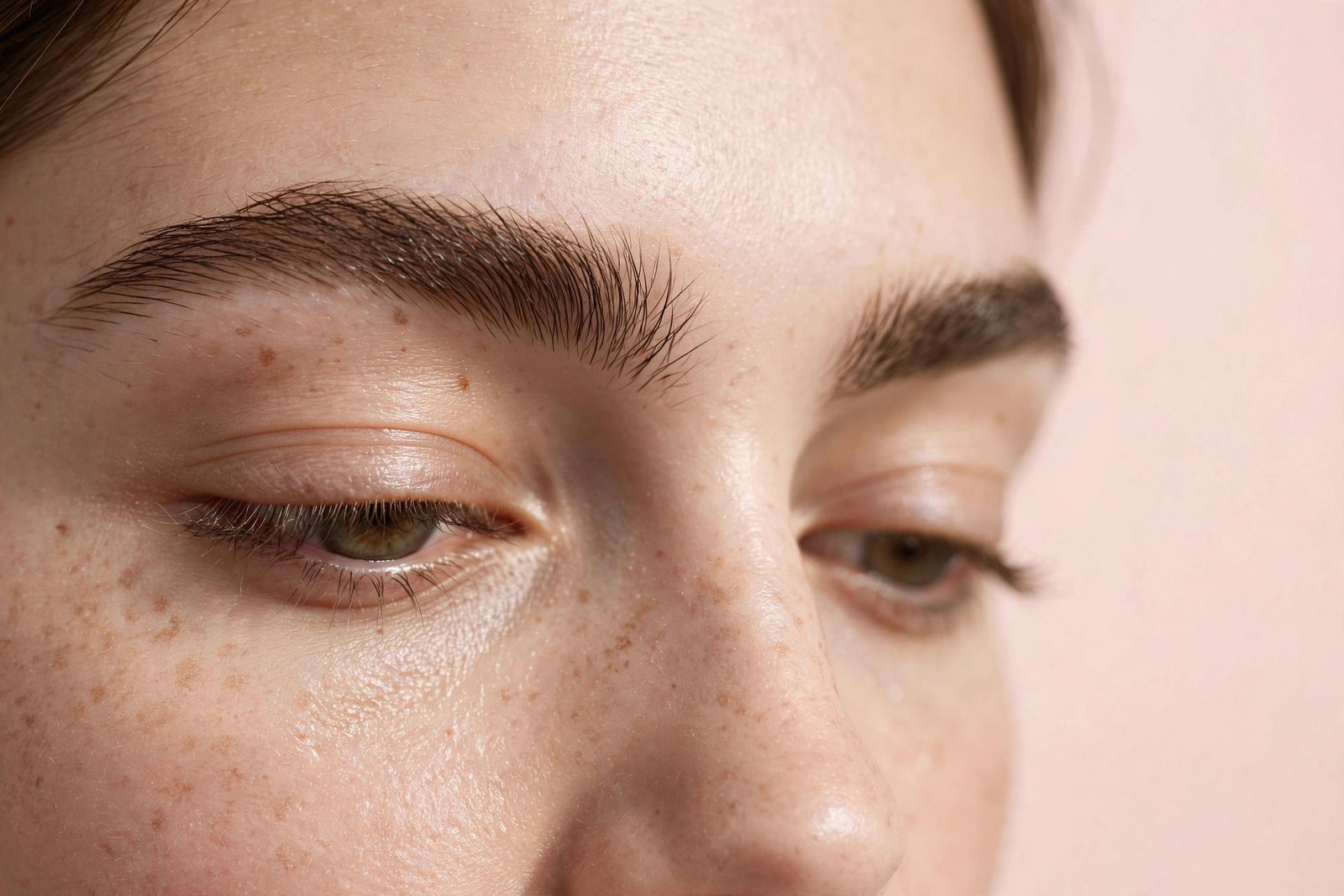
Why Eyebrows Get Thin in the First Place
Before trying to grow thicker brows, it helps to understand why they thinned out. The cause affects which approach makes sense.
Over-plucking and waxing. This is the most common reason. Years of aggressive tweezing can damage hair follicles, and some follicles stop producing hair altogether if they’ve been traumatized repeatedly. The earlier you stop, the better the recovery odds.
Aging. Like the hair on the head, eyebrow hair gets thinner with age. Hormonal changes — particularly during perimenopause and menopause — can slow hair growth and make individual hairs finer.
Nutritional gaps. Hair needs protein, iron, zinc, biotin, and vitamins A, C, D, and E to grow well. A diet low in these nutrients can show up first in the brows and lashes, which have shorter growth cycles than scalp hair. (If you’re working on your overall skincare nutrition, our guide on layering vitamin C and niacinamide covers two of the most important skin nutrients in detail.)
Skin conditions. Eczema, seborrheic dermatitis, or psoriasis around the brow area can disrupt hair growth. Thyroid disorders (both hypo- and hyperthyroidism) are also a well-known cause of thinning eyebrows, particularly loss of the outer third of the brow. If your brows are thinning suddenly and you can’t explain why, it’s worth mentioning to a doctor.
Stress. Telogen effluvium — stress-related hair shedding — can affect eyebrows too, not just the scalp.
Genetics. Some people simply have naturally sparse brows. Natural methods can improve density to a point, but they can’t override genetics entirely.
If you’re losing brow hair in patches, or the loss came on suddenly, see a dermatologist before trying home remedies. There may be an underlying cause that needs treatment.
7 Natural Methods for Thicker Eyebrows
Here’s an honest look at the most popular natural approaches — what each one does, and what the evidence actually supports.
1. Castor Oil
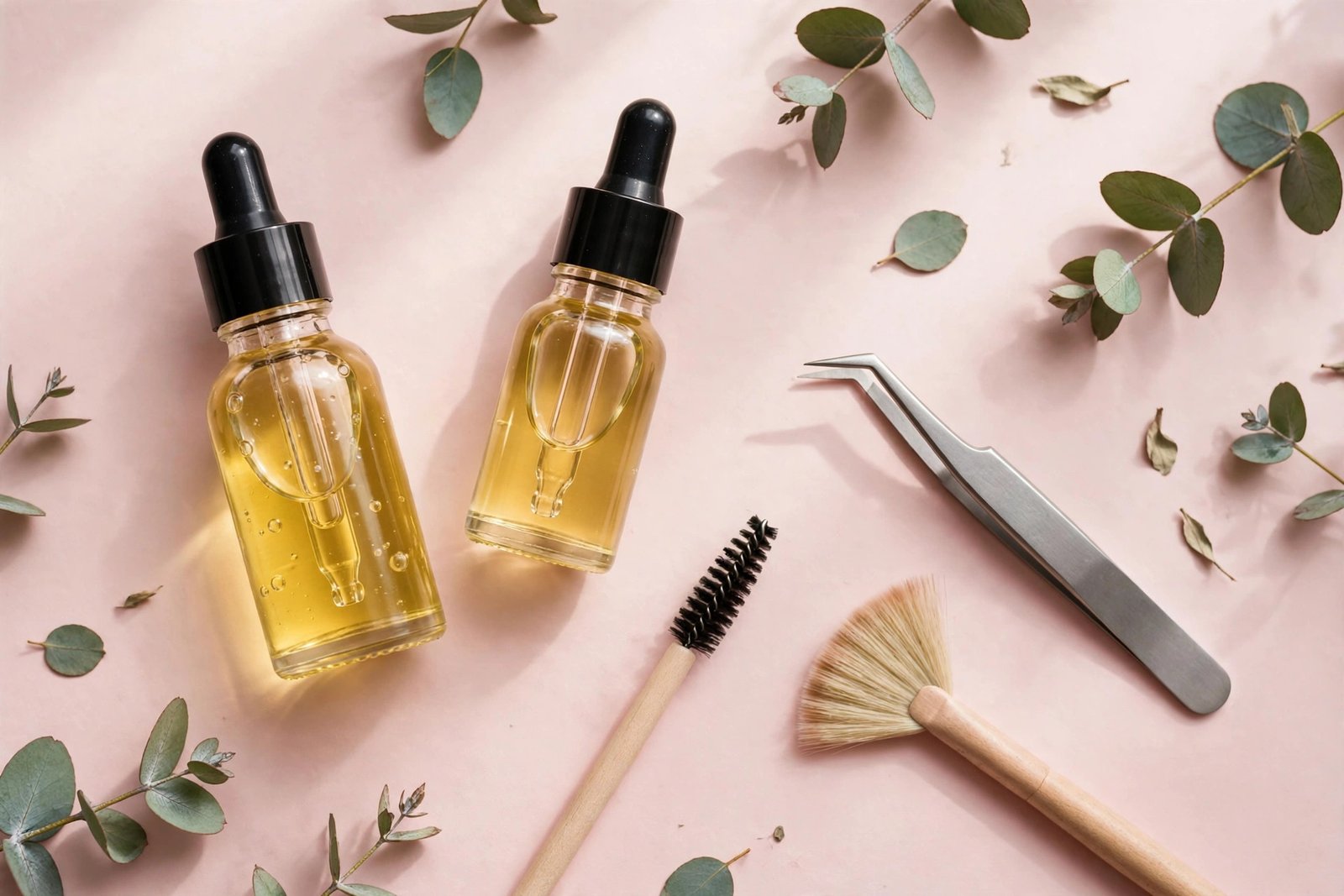
Castor oil is the most talked-about natural brow remedy, and for reasonable cause. It’s rich in ricinoleic acid, a fatty acid with anti-inflammatory properties, and it’s an excellent emollient — meaning it conditions the hair shaft, making existing brow hairs look thicker, shinier, and healthier.
What it likely does: keeps the brow area moisturized, reduces breakage of existing hairs, and creates a healthier environment for growth. What it probably doesn’t do: magically create new follicles where none exist.
How to use it: Apply a small amount with a clean spoolie brush before bed. A drop is enough — you don’t want it dripping into your eyes. Wash off in the morning.
2. Coconut Oil
Coconut oil penetrates the hair shaft better than most oils thanks to its low molecular weight. For brows, this means less protein loss and stronger hairs that are less likely to snap off.
It’s a good option if castor oil feels too thick or sticky. Use the same way: a tiny amount on a spoolie at night.
3. Aloe Vera
Fresh aloe vera gel contains enzymes and amino acids that condition hair. It’s lighter than oils, so it’s a good daytime option. Some people find it mildly stimulating to the skin, which may support a healthy follicle environment.
Apply fresh gel (from the plant, not the green bottled kind with alcohol) to clean brows and leave for 20–30 minutes before rinsing.
4. Brow Massage
This one is free and surprisingly sensible. Massaging the brow area for a few minutes daily increases blood circulation to the follicles. Better blood flow means better nutrient delivery — the same principle behind scalp massage for hair growth.
Use your fingertips in small circular motions along the brow bone for 2–3 minutes. You can do it dry or with a drop of oil.
5. Biotin-Rich Diet (and Supplements, Carefully)
Biotin (vitamin B7) is involved in keratin production, and keratin is what hair is made of. True biotin deficiency is rare, but if your diet is low in eggs, nuts, seeds, sweet potatoes, or salmon, you might not be getting enough.
Food first is the safest approach. If you consider a biotin supplement, know that high doses can interfere with certain lab tests (including thyroid and heart tests) — tell your doctor you’re taking it.
6. Stop Over-Grooming
This isn’t a product, but it’s the single most effective “natural method.” Put the tweezers down for at least 8–12 weeks. Pluck only obvious strays well outside the brow line. Many people are surprised how much fuller their brows look after just two months of leaving them alone.
7. Onion Juice (Yes, Really)
This one sounds strange, but there’s actually a small published study on onion juice for alopecia areata (patchy hair loss) showing regrowth in some participants. The sulfur compounds in onions may support collagen production around follicles.
The downside: it smells, and it can irritate skin. If you try it, dilute fresh onion juice, apply for 15 minutes, and rinse thoroughly. Patch test first. This is the least pleasant option on the list, so most people start with the oils.
What Actually Works vs. What’s Hype
Let’s be honest about expectations:
Likely to help: Stopping over-plucking, brow massage, conditioning oils (castor, coconut), addressing nutritional gaps, treating underlying skin or thyroid conditions.
Might help: Aloe vera, onion juice, peptide serums (not strictly “natural,” but worth mentioning as a next step).
Probably hype: Rubbing garlic on brows, “brow growth” claims from plain petroleum jelly (it seals in moisture but doesn’t stimulate growth), and any product promising results in days.
The truth is that no natural method creates new follicles. What they do is: protect existing hairs from breakage, improve the growth environment, and help you keep every hair you have. For many people, that’s enough to see a visible difference.
Realistic Timeline: How Long Before You See Results
Eyebrow hair grows in a cycle, and it’s slower than most people expect.
- Weeks 1–4: You probably won’t see new growth yet. Hairs you stopped plucking are in the early growth phase beneath the skin.
- Weeks 6–8: Fine, light hairs may start appearing. This is where most people give up — don’t.
- Weeks 12–16: This is the realistic window for visible improvement. A full brow growth cycle takes about 3–4 months.
- Month 4+: You’ll know your brows’ true potential by now.
Consistency matters more than which oil you pick. Applying castor oil sporadically for two weeks and declaring it useless isn’t a fair test. Commit to 12 weeks of a simple routine before judging.
Take a photo on day one (in natural light, no makeup) and compare monthly. Daily mirror-checking makes progress invisible.
What to Avoid
Some popular advice can actually set you back:
Over-exfoliating the brow area. Harsh scrubs or strong acids on the brows can irritate follicles. Be gentle.
Tinting or dyeing too frequently. Brow tints are fine occasionally, but the chemicals can weaken hairs if overused. Space appointments at least 3–4 weeks apart.
Microblading as a first resort. It’s a commitment and a cost. Try the natural route for 3–4 months first — you might be surprised.
Essential oils undiluted. Tea tree, rosemary, and peppermint oils get recommended for brow growth, but undiluted essential oils can cause contact dermatitis. Always dilute in a carrier oil, and patch test.
Shaving your brows to “reset” them. This is a myth. Shaving doesn’t make hair grow back thicker — that’s an illusion caused by the blunt tip of regrown hair. It just leaves you with no brows for weeks.
FAQ
Can castor oil really grow eyebrows?
It conditions existing hairs and supports a healthy follicle environment, which helps you retain more hair. It won’t create new follicles, but most people see improved fullness from reduced breakage alone.
How long does it take to grow thicker eyebrows naturally?
Expect 12–16 weeks for visible results. Brow hair cycles are slow — patience and consistency matter more than the specific product.
Do eyebrow serums work better than natural oils?
Peptide-based serums have more targeted formulations, but they’re also more expensive. Natural oils are a reasonable first step; if they don’t give you the results you want after 4 months, a serum is a logical next step.
Why are my eyebrows thinning as I age?
Hormonal changes slow the hair growth cycle and make individual hairs finer. This is normal. Gentle care, good nutrition, and avoiding over-plucking help you keep what you have.
Should I see a doctor about thinning brows?
Yes, if the thinning is sudden, patchy, or accompanied by other symptoms (fatigue, weight changes, hair loss elsewhere). Thyroid issues and nutrient deficiencies are common, treatable causes.
Key Takeaways
- The most effective natural approach is simple: stop over-plucking, massage daily, and condition with castor or coconut oil.
- Give it 12–16 weeks. Brow growth is slow, and consistency beats any single product.
- Address the root cause — check nutrition, manage stress, and rule out thyroid or skin conditions if thinning is sudden.
- Avoid harsh treatments, undiluted essential oils, and the temptation to over-groom while you wait.
- Natural methods improve what you have; they can’t create follicles that don’t exist. Set expectations accordingly.
For a broader routine that supports healthy skin and hair overall — including the nutrition and habits that help brows thrive — see our beginner’s beauty guide.
Love this? Pin it for later!