How to Double Cleanse: The 2-Step Method for Clear Skin
If your skin still feels gritty after washing, your sunscreen seems to linger at the end of the day, or your serums don’t absorb the way they should, the problem might not be your products — it might be your cleanse. Double cleansing is a simple two-step method that removes everything a single wash leaves behind, and it’s one of the easiest upgrades to your beginner skincare routine.
What Is Double Cleansing?
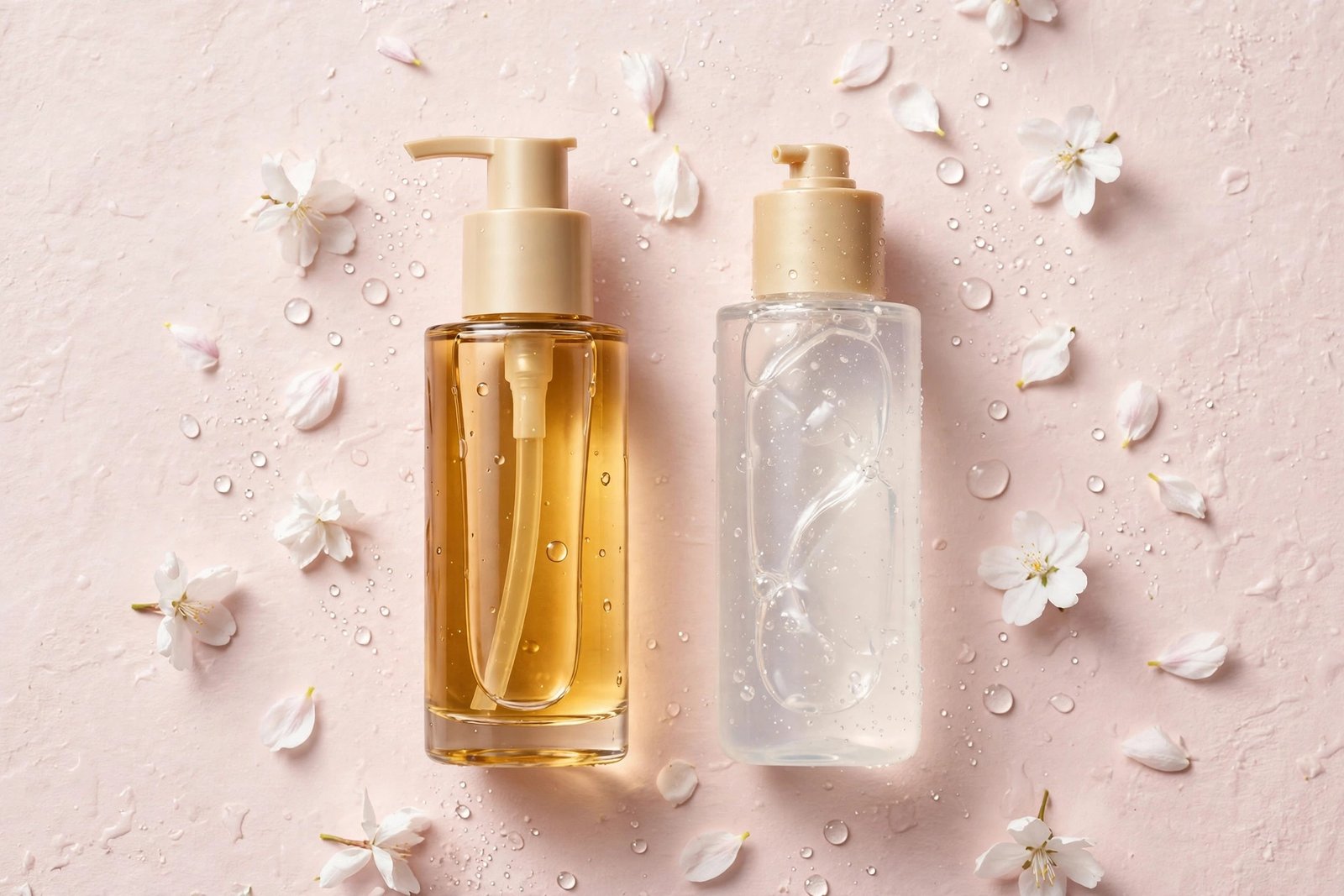
Double cleansing means washing your face twice, using two different types of cleansers in sequence:
- An oil-based cleanser (cleansing oil or cleansing balm) to dissolve sunscreen, makeup, sebum, and oil-based impurities.
- A water-based cleanser (gel, foam, or cream) to remove sweat, dirt, and any remaining residue.
The method comes from Korean and Japanese skincare traditions, where thorough but gentle cleansing is considered the foundation of everything else. The logic is straightforward: oil dissolves oil, and water dissolves water-based grime. One cleanser alone rarely handles both jobs perfectly, especially if you wear sunscreen or makeup daily.
Why Does Double Cleansing Work?
It comes down to basic chemistry — “like dissolves like.” Your face collects two kinds of debris during the day:
- Oil-soluble buildup: sunscreen filters, makeup, excess sebum, and pollution trapped in oil. A water-based cleanser alone often can’t fully break these down.
- Water-soluble buildup: sweat, dust, and environmental dirt. An oil cleanser alone can leave a film behind.
When you use both in sequence, each step does what it does best. The oil cleanser melts away the stubborn oil-based layer, and the water-based cleanser sweeps away the rest — leaving a truly clean canvas without the tight, stripped feeling of a single harsh cleanser.
Dermatologists generally agree that gentle, thorough cleansing supports skin health — and a well-formulated double cleanse removes more residue than a single cleanse, with less friction and less irritation.
How to Double Cleanse: Step-by-Step
Here’s the exact method, start to finish:
Step 1: The Oil Cleanse
- Start with dry hands and a dry face. Oil cleansers need to contact the oils on your skin directly — water creates a barrier that makes them less effective.
- Dispense a coin-sized amount of cleansing oil or scoop out a blueberry-sized amount of cleansing balm. Warm a balm between your palms until it melts.
- Massage gently for 60 seconds. Use circular motions across your forehead, cheeks, nose, chin, and jawline. Give extra attention to areas where sunscreen or makeup builds up. Don’t scrub — let the oil do the work.
- Wet your hands slightly and massage again. The oil will turn milky white as it emulsifies. This step helps it rinse away cleanly.
- Rinse thoroughly with lukewarm water. Not hot — hot water strips the skin and can cause irritation.
Step 2: The Water-Based Cleanse
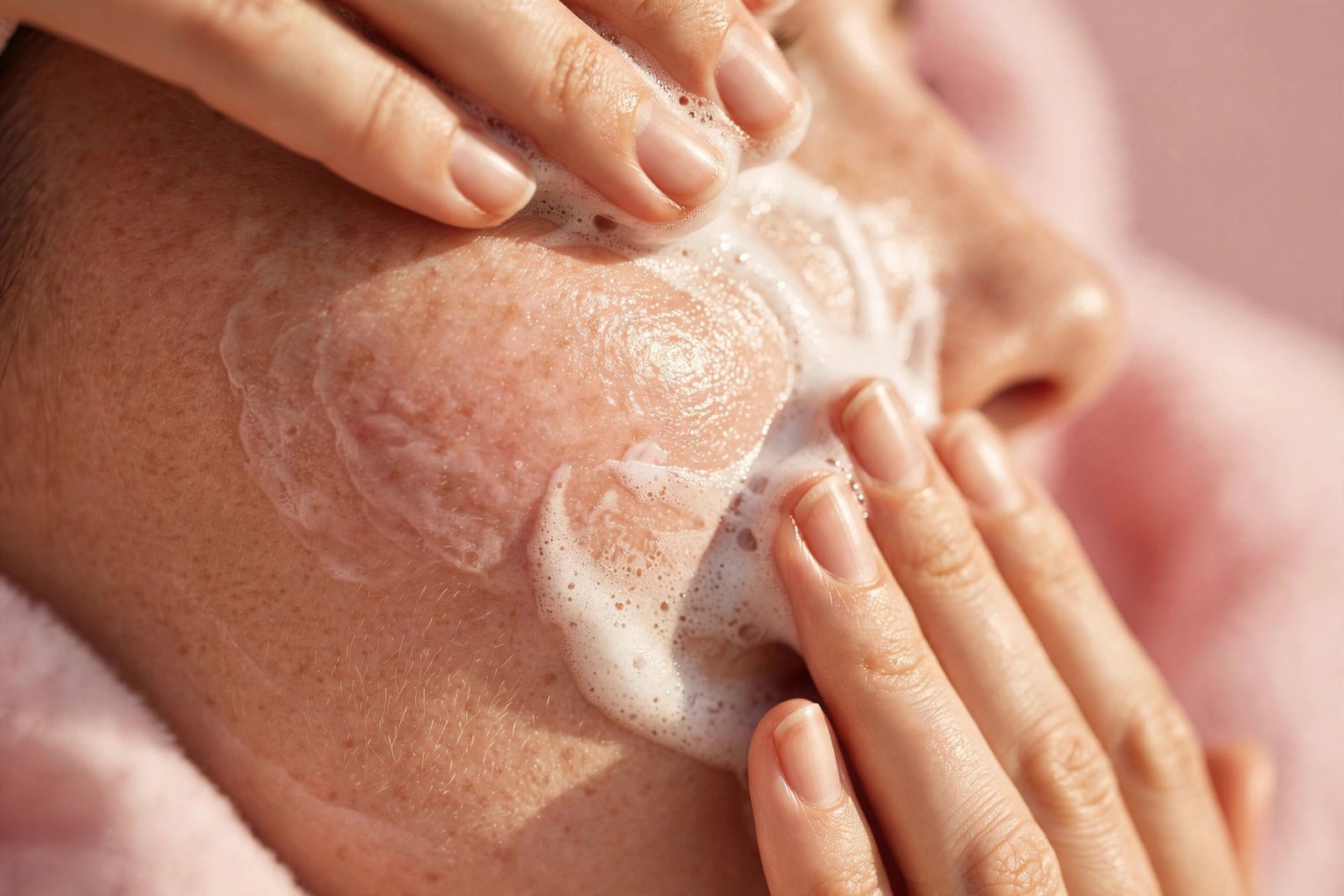
- Apply your second cleanser to damp skin. A pea- to dime-sized amount of gel, foam, or cream cleanser is plenty.
- Massage for 30 to 60 seconds. Use gentle, upward circular motions. This step removes the remaining residue, sweat, and water-based impurities.
- Rinse with lukewarm water and pat dry. Use a clean towel and pat — don’t rub. Your skin should feel clean and comfortable, never tight or squeaky.
That’s it. From there, continue with the rest of your step-by-step skincare routine — toner, serums, moisturizer, and sunscreen in the morning.
When to do it: Double cleanse in the evening, when the day’s sunscreen, makeup, and buildup need to come off. In the morning, a single gentle cleanse (or just lukewarm water for very dry skin) is usually enough.
The Best Oil-Based Cleansers (by Skin Type)
Not all oil cleansers are the same. Look for one that emulsifies well (turns milky with water) and rinses clean without leaving a film.
For oily and acne-prone skin: Choose lightweight cleansing oils with ingredients like grapeseed or jojoba oil. Popular options include DHC Deep Cleansing Oil and the Anua Heartleaf Pore Control Cleansing Oil, both known for rinsing cleanly. Avoid heavy, comedogenic oils if you’re breakout-prone.
For dry skin: Richer cleansing balms with shea butter or ceramides feel nourishing. The Beauty of Joseon Radiance Cleansing Balm and Clinique Take The Day Off Cleansing Balm are widely recommended for dry skin types.
For sensitive skin: Fragrance-free formulas are safest. The Ordinary Squalane Cleanser is a minimalist, fragrance-free option, and many dermatologists point to simple balm formulas without essential oils or added fragrance.
For combination skin: A mid-weight cleansing oil that emulsifies thoroughly works well — you get the dissolving power without heaviness on the T-zone.
Tip: If you wear waterproof mascara or long-wear foundation, let the oil cleanser sit on those areas for 20 to 30 seconds before massaging. The extra contact time dissolves stubborn formulas so you don’t have to rub.
The Best Water-Based Cleansers (by Skin Type)
Your second cleanser should be gentle — its job is finishing the clean, not stripping the skin.
For oily and acne-prone skin: Gel or foaming cleansers with salicylic acid or niacinamide help keep pores clear. CeraVe Foaming Facial Cleanser and La Roche-Posay Toleriane Purifying Foaming Cleanser are dermatologist-recommended staples.
For dry skin: Cream or milky cleansers with glycerin, ceramides, or hyaluronic acid clean without stripping. CeraVe Hydrating Facial Cleanser and Vanicream Gentle Facial Cleanser are popular fragrance-free picks.
For sensitive skin: Look for “fragrance-free” and “for sensitive skin” on the label. Low-foam or non-foam formulas tend to be gentlest. Vanicream and La Roche-Posay Toleriane Hydrating Gentle Cleanser are frequently recommended by dermatologists.
For combination skin: A gentle gel cleanser that doesn’t over-dry the cheeks works well. If your T-zone is very oily, you can use a slightly stronger cleanser there and a gentler one elsewhere — or just keep it simple with one balanced formula.
Who Should Double Cleanse (and Who Should Skip It)
Double cleansing is great for you if:
– You wear sunscreen daily (which you should — here’s how to pick one for oily, acne-prone skin)
– You wear makeup, especially long-wear or waterproof formulas
– Your skin feels congested or your pores look clogged
– You live in a polluted city or wear a mask for long hours
You might skip it (or do it only sometimes) if:
– You have very dry, reactive, or eczema-prone skin and a single gentle cleanse already works
– Your skin barrier is currently damaged or irritated — focus on repair first
– You don’t wear sunscreen or makeup and rinse well with a single cleanser
Sensitive skin note: Double cleansing can absolutely work for sensitive skin — the key is choosing fragrance-free, low-irritant formulas for both steps and keeping the massage gentle. If your skin feels tight afterward, your cleansers are too strong, not the method itself.
7 Common Double Cleansing Mistakes to Avoid
- Using the oil cleanser on wet skin. Water blocks the oil from contacting sunscreen and sebum directly. Always start dry.
- Skipping the emulsify step. If you rinse the oil off without adding water to turn it milky first, it won’t rinse cleanly and can leave residue that clogs pores.
- Using water that’s too hot. Hot water strips natural oils and weakens the skin barrier. Lukewarm is the sweet spot.
- Scrubbing too hard. The products do the dissolving — your hands just need to move them around. Aggressive rubbing causes irritation and broken capillaries over time.
- Choosing a harsh second cleanser. If your water-based cleanser leaves your face feeling tight or squeaky, it’s too strong. A good double cleanse should never strip your skin.
- Double cleansing twice a day. Once in the evening is enough for most people. Over-cleansing in the morning can dry out your skin for no benefit.
- Not rinsing thoroughly. Residue from either cleanser can cause breakouts or irritation. Take the extra 15 seconds to rinse well, especially around the hairline, nose, and jawline.
Frequently Asked Questions
Do I need to double cleanse if I don’t wear makeup?
If you wear sunscreen daily — and most dermatologists recommend you do — then yes, double cleansing is still worthwhile. Sunscreen filters are oil-soluble and a single water-based cleanser often leaves residue behind. If you wear neither sunscreen nor makeup, a single gentle cleanse is usually fine.
Will double cleansing cause breakouts?
It shouldn’t, as long as you rinse both cleansers off completely. Breakouts from double cleansing are almost always caused by residue left on the skin — usually from skipping the emulsify step or not rinsing well. Choose non-comedogenic formulas if you’re acne-prone.
Can I use coconut oil or olive oil as my first cleanser?
Dedicated cleansing oils are a better choice. They’re formulated to emulsify and rinse clean, while kitchen oils don’t rinse off fully and can clog pores. Coconut oil in particular is highly comedogenic and not recommended for facial use.
How long should each step take?
About 60 seconds for the oil cleanse (including the emulsify step) and 30 to 60 seconds for the water-based cleanse. Two minutes total is the sweet spot — longer isn’t better and can irritate the skin.
Should I double cleanse in the morning too?
For most people, no. Overnight your skin mainly produces a little sebum, which a single gentle cleanse or lukewarm water rinse handles fine. Save the double cleanse for the evening when the day’s buildup needs removing.
What order do serums go in after double cleansing?
After cleansing, apply products from thinnest to thickest: toner or essence first, then serums, then moisturizer. If you’re combining actives, here’s how to layer vitamin C and niacinamide without irritation.
Key Takeaways
- Double cleansing means washing twice: first with an oil-based cleanser to dissolve sunscreen, makeup, and sebum, then with a water-based cleanser to remove the rest.
- Always start with dry hands and a dry face, massage for about 60 seconds, emulsify with water, then rinse with lukewarm water.
- Choose your oil cleanser and water-based cleanser based on your skin type — fragrance-free, gentle formulas work for almost everyone.
- Double cleanse in the evening; a single gentle cleanse is enough in the morning.
- The most common mistakes are skipping the emulsify step, using water that’s too hot, and choosing a second cleanser that’s too harsh.
- When done correctly, double cleansing gives you a truly clean canvas so the rest of your skincare can actually do its job.
Love this? Pin it for later!