Best Foods for Clear, Glowing Skin (Dermatologist-Approved)
Everyone wants glowing skin, and the beauty aisle promises it in a bottle. But dermatologists keep pointing to something far less glamorous: what’s on your plate. No food will give you perfect skin overnight, and eating blueberries won’t erase a breakout by morning. Yet the nutrients you consume every day genuinely affect how your skin looks and behaves over time.
This guide covers the foods with the strongest evidence behind them, the nutrients that matter most for skin, and which foods are worth limiting. If you’re just getting started with beauty basics, our complete guide to beauty tips for beginners covers skincare, makeup, hair, and nails from the ground up.
How Diet Actually Affects Your Skin
Your skin is your largest organ, and it’s built — quite literally — from the nutrients you eat. Collagen, the protein that keeps skin firm, needs vitamin C to form. Skin cell membranes rely on healthy fats. And your skin’s ability to repair itself after sun exposure or a breakout depends on a steady supply of antioxidants.
Here’s the honest version dermatologists tend to give: diet is one piece of the puzzle, not a magic fix. Genetics, hormones, sleep, stress, and — yes — sunscreen and a consistent skincare routine matter enormously too. Think of food as supporting your skin from the inside while your routine protects it from the outside.
Research has drawn a few consistent lines between diet and skin:
- High-glycemic foods (white bread, sugary snacks, soda) are associated with more frequent breakouts in several studies, possibly because blood sugar spikes raise insulin, which can increase oil production.
- Antioxidant-rich foods help neutralize the free radicals generated by UV exposure and pollution — the same damage that leads to dullness and early fine lines.
- Omega-3 fatty acids appear to support the skin barrier, which is the same barrier you protect with your moisturizers and barrier-repair products.
None of this means one meal ruins your skin. Patterns matter more than single foods. Eating well most of the time is the goal — not dietary perfection.
The Best Foods for Skin, by Nutrient
Rather than listing random “superfoods,” let’s organize by what each nutrient actually does for your skin. This way you can mix and match based on what you enjoy eating.
Vitamin C: The Collagen Builder
Vitamin C is essential for collagen synthesis — without it, your skin literally can’t maintain firmness. It’s also a powerful antioxidant.
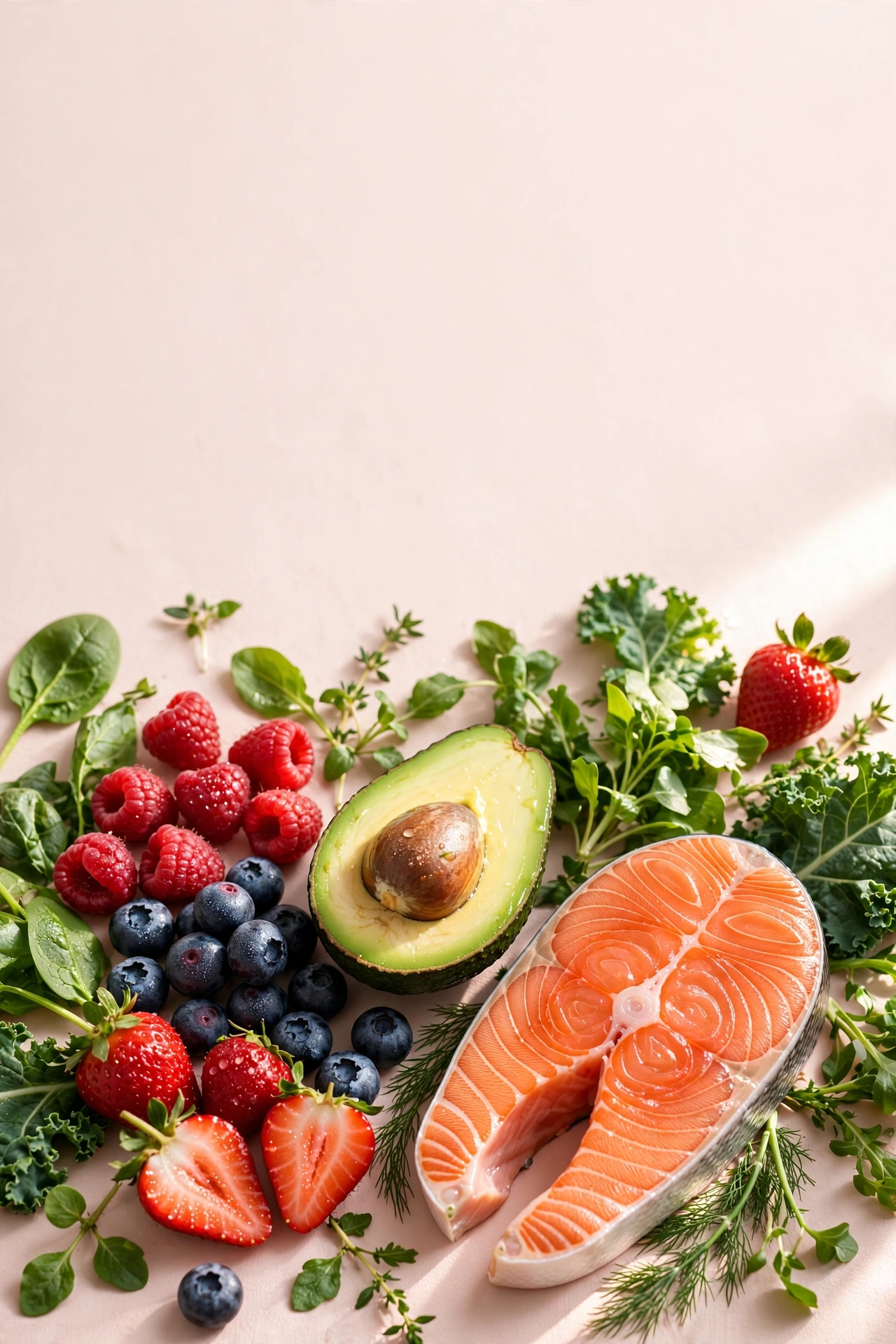
Eat more of: Bell peppers (red ones have the most), citrus fruits, strawberries, kiwi, broccoli, mango.
A single red bell pepper contains more than twice the daily vitamin C you need. Add sliced peppers to salads, snack on strawberries, or start your morning with kiwi.
Omega-3 Fatty Acids: The Barrier Supporters
Omega-3s help maintain the lipid layer of your skin — the natural oils that keep moisture in and irritants out. People with dry or sensitive skin often notice the biggest difference here.
Eat more of: Salmon, sardines, mackerel, walnuts, flaxseeds, chia seeds.
Aim for fatty fish twice a week. If you don’t eat fish, a tablespoon of ground flaxseed in oatmeal or smoothies is an easy daily habit.
Beta-Carotene and Vitamin A: The Glow Givers
Beta-carotene converts to vitamin A in the body, which supports healthy skin cell turnover — the process that keeps skin looking fresh rather than dull. Some studies even suggest carotenoid-rich diets contribute to a subtle, healthy glow.
Eat more of: Sweet potatoes, carrots, butternut squash, spinach, kale, apricots.
Roasted sweet potato wedges, a handful of baby carrots with hummus, or a spinach-based salad all count.
Zinc: The Breakout Helper
Zinc plays a role in oil-gland regulation and wound healing, which is why dermatologists sometimes discuss it in the context of breakouts. It’s not a treatment on its own, but adequate zinc supports normal skin function.
Eat more of: Pumpkin seeds, lentils, chickpeas, cashews, eggs, oysters.
A small handful of pumpkin seeds as an afternoon snack covers a meaningful portion of your daily zinc.
Vitamin E: The Protector
Vitamin E works alongside vitamin C as an antioxidant, helping defend skin cells from oxidative stress. It also supports the skin’s moisture barrier.
Eat more of: Almonds, sunflower seeds, hazelnuts, avocado, olive oil.
Drizzle olive oil on salads, keep almonds at your desk, or add half an avocado to toast.
Probiotics: The Gut-Skin Connection
The gut-skin axis is an active area of research. While the science is still developing, fermented foods that support gut health are widely considered a reasonable part of a skin-friendly diet.
Eat more of: Yogurt (plain, unsweetened), kefir, kimchi, sauerkraut, miso.
A serving of plain yogurt with berries gives you probiotics plus vitamin C in one bowl.
Water-Rich Foods: The Hydrators
Topical moisturizer hydrates from the outside, but water-rich foods contribute to overall hydration. Dehydrated skin looks duller and fine lines appear more pronounced.
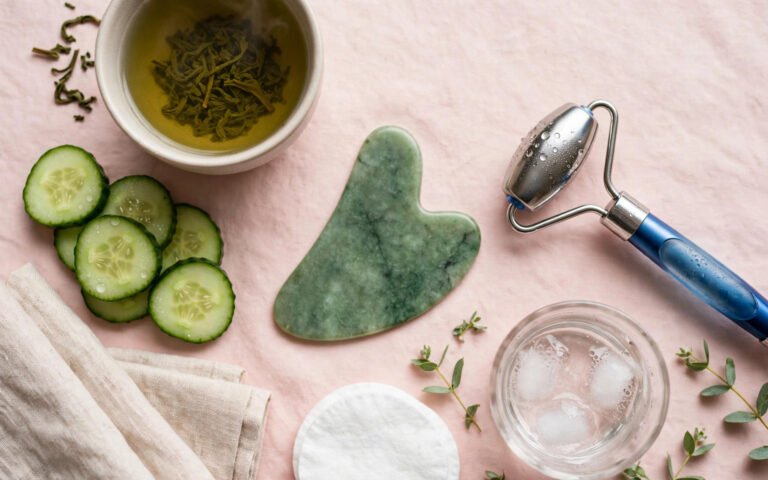
Eat more of: Cucumber, watermelon, oranges, celery, lettuce, zucchini.
These won’t replace drinking water, but they add up — especially in hot weather.
Foods Worth Limiting (Not Eliminating)
No food needs to be banned forever. But if you’re dealing with persistent breakouts or dullness, these are the usual suspects worth moderating:
- Sugary drinks and sweets: The high-glycemic link to breakouts is one of the more consistent findings in nutrition-skin research. Cutting back on soda and candy is one of the simplest changes with the most evidence behind it.
- Highly processed snacks: Chips, pastries, and fast food tend to combine refined carbs, unhealthy fats, and excess sodium — none of which help skin.
- Excess dairy: The dairy-acne connection is debated, but some people notice breakouts improve when they reduce milk specifically. If you suspect a link, try cutting back for a few weeks and observe. Yogurt and cheese seem less implicated than milk.
- Alcohol: Dehydrating, disrupts sleep, and can trigger flushing in sensitive skin. Moderation matters.
- Very salty foods: Excess sodium can contribute to puffiness, especially around the eyes in the morning.
The key word is limiting, not eliminating. Stressing about every bite is worse for your skin (stress hormones are real) than occasionally enjoying dessert.
A Sample Day of Skin-Friendly Eating
Here’s what a realistic, skin-supporting day looks like — no exotic ingredients, no complicated prep:
Breakfast: Oatmeal topped with ground flaxseed, sliced strawberries, and a few walnuts. (Omega-3s + vitamin C + zinc)
Mid-morning snack: A small handful of almonds and a kiwi. (Vitamin E + vitamin C)
Lunch: Big salad with spinach, red bell pepper, chickpeas, avocado, and olive oil dressing. Add grilled salmon if you eat fish. (Vitamin C + zinc + vitamin E + omega-3s)
Afternoon snack: Carrot sticks with hummus, or plain yogurt with a drizzle of honey. (Beta-carotene + probiotics)
Dinner: Baked sweet potato, roasted broccoli, and lentils or chicken. (Beta-carotene + vitamin C + zinc)
Hydration through the day: Water, plus cucumber or citrus slices if plain water bores you. Herbal tea in the evening counts too.
Nothing here requires a specialty store. It’s ordinary food, arranged with skin in mind.
Frequently Asked Questions
How long does it take for diet changes to affect skin?
Skin cells turn over roughly every 28 days (longer as you age), so give dietary changes at least 4–6 weeks before judging results. This isn’t a quick fix — it’s a long game.
Can food alone clear acne?
No. Diet can support clearer skin, but persistent acne usually needs a proper skincare routine and sometimes professional treatment. If breakouts don’t improve with lifestyle changes, see a dermatologist rather than restricting your diet further.
Are supplements as good as food?
Whole foods are generally preferable because nutrients work together (vitamin C improves iron absorption, fats help absorb vitamins A and E). Supplements have their place if you’re deficient, but they don’t replace a balanced diet. Talk to a doctor before starting new supplements.
What about chocolate — does it cause breakouts?
The evidence is weak. Dark chocolate in moderation is unlikely to be the culprit behind breakouts. Milk chocolate’s sugar content is the more plausible issue — and even then, it’s about overall patterns, not one bar.
Is drinking more water enough for glowing skin?
Hydration helps, but “glowing” skin comes from a combination of adequate hydration, a healthy skin barrier, sun protection, and nutrients. Water alone won’t transform dull skin if other pieces are missing.
Key Takeaways
- Diet supports skin from the inside — but it’s one factor alongside skincare, sleep, sun protection, and genetics. No single food is a cure.
- Prioritize these nutrients: vitamin C (collagen), omega-3s (barrier), beta-carotene (cell turnover), zinc (oil regulation), vitamin E (antioxidant protection), and probiotics (gut-skin health).
- Limit, don’t eliminate: sugary drinks, highly processed snacks, excess alcohol, and very salty foods are the main things worth moderating.
- Patterns beat perfection: eating well most of the time matters far more than any single meal or snack.
- Give it 4–6 weeks: skin turnover takes time, so be patient before evaluating dietary changes.
- See a professional for persistent issues: diet helps, but a dermatologist is the right call for ongoing acne, rashes, or irritation.
Love this? Pin it for later!