Aloe Vera on Face Overnight: Benefits and How to Do It Safely
Sleeping with aloe vera gel on your face sounds like the kind of thing that either works beautifully or goes very wrong. The good news? When done correctly, leaving aloe vera on overnight is one of the gentlest DIY skincare steps you can add to your routine. The key phrase there is done correctly — because aloe isn’t right for everyone, and a few common mistakes can turn a soothing treatment into an irritated morning.
This guide covers everything: what aloe vera actually does for skin, how to apply it safely overnight, who should try it (and who should skip it), and the patch-testing step you should never skip. If you’re building a simple, natural-leaning routine, this pairs well with the beginner-friendly ideas in our DIY beauty recipes guide.

What Aloe Vera Actually Does for Skin
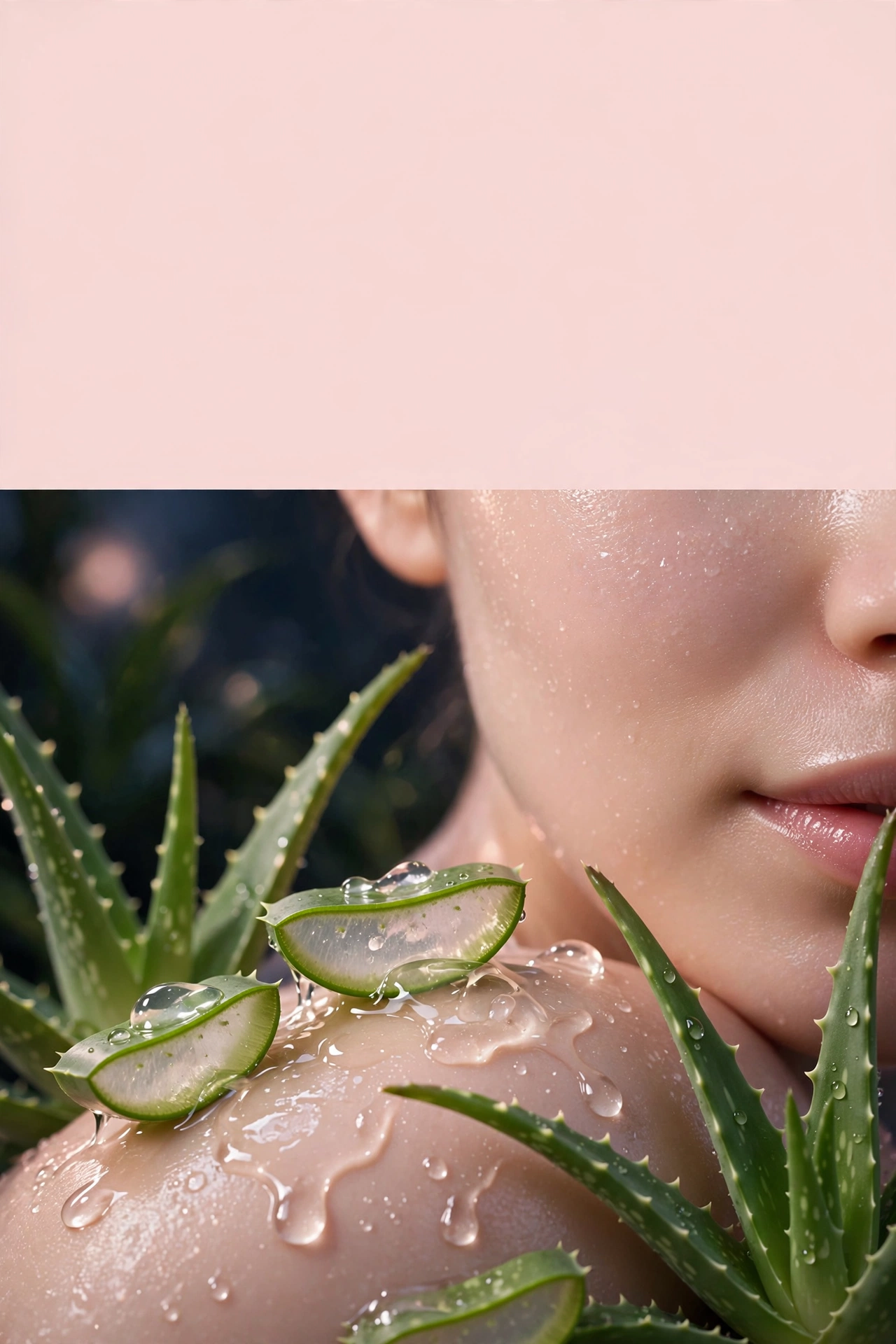
Aloe vera gel — the clear substance from inside the plant’s leaves — has been used on skin for centuries. Modern research has started to catch up with tradition, and while aloe isn’t a miracle ingredient, it does have several genuinely useful properties:
Lightweight hydration. Aloe gel is about 99% water, with the remaining fraction containing polysaccharides that help skin hold onto moisture. It’s a humectant, meaning it draws water into the skin’s surface. Unlike heavy creams, it absorbs quickly and doesn’t feel greasy, which makes it a good option for oily or combination skin types that hate rich overnight products.
Soothing and calming. Aloe contains compounds like acemannan and bradykinase-related enzymes that research suggests may help calm the look of redness and irritation. This is why it’s the classic after-sun remedy — and why people with easily flushed skin often reach for it. If your skin tends to look red after cleansing or exfoliating, a thin layer of aloe overnight can help it look calmer by morning.
Mild antibacterial properties. Some studies indicate aloe has gentle antimicrobial activity, which is one reason it’s popular among people dealing with occasional breakouts. To be clear: aloe is not an acne treatment, and it won’t replace targeted products like salicylic acid. But as a soothing, non-comedogenic layer, it generally plays well with blemish-prone skin.
Antioxidant content. Aloe contains vitamins C and E, beta-carotene, and other antioxidants. These don’t transform your skin overnight, but they contribute to aloe’s overall skin-friendly profile.
What aloe can’t do. It won’t erase wrinkles, fade dark spots significantly, or replace sunscreen or moisturizer. Think of it as a supportive, calming hydrator — not a powerhouse active. Setting realistic expectations is part of using it safely and happily.
How to Do It Safely: Step-by-Step
Leaving any product on your face for 7–8 hours is different from a 15-minute mask. Here’s how to do it right:
1. Choose the right aloe
You have two options: fresh gel from a plant, or store-bought gel. Both work, with trade-offs.
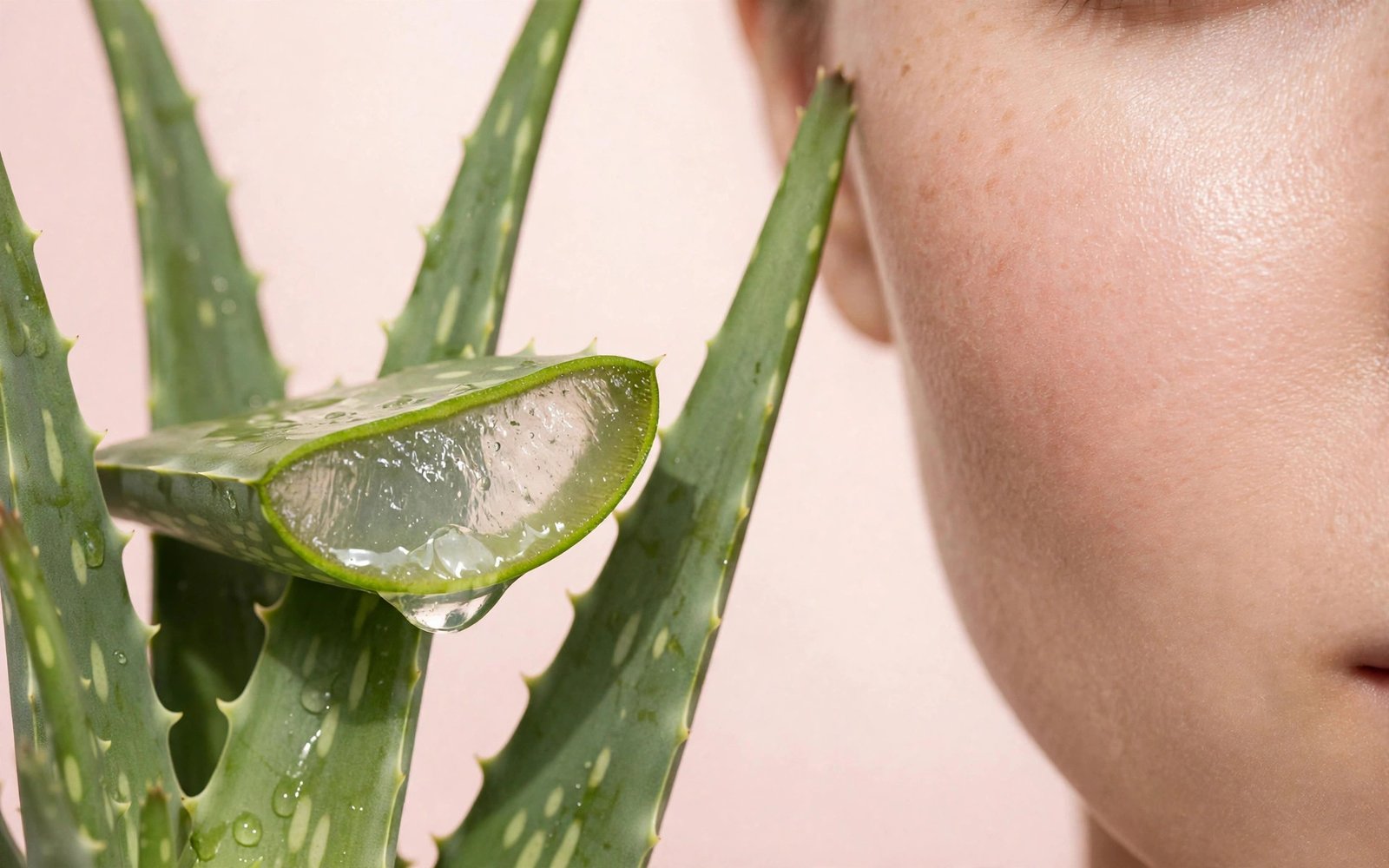
Fresh from the plant is the purest option. Cut a lower leaf, let the yellow sap (aloe latex) drain out for 10–15 minutes — this yellowish liquid contains aloin, which is the part most likely to irritate skin — then slice the leaf open and scoop out the clear inner gel. Blend it briefly for a smooth consistency.
Store-bought gel is more convenient. Look for products where aloe barbadensis leaf juice is the first ingredient and the formula is free of added alcohol, fragrance, and artificial color (that neon green color is a red flag — pure aloe gel is clear to slightly cloudy). A short ingredient list is your friend here.
2. Cleanse first
Always apply aloe to clean skin. Wash your face with your usual gentle cleanser and pat — don’t rub — your skin until it’s just slightly damp. Aloe is a humectant, so applying it to damp skin helps it draw that surface moisture in rather than pulling moisture out of dry skin.
3. Apply a thin layer
Less is more. Smooth a thin, even layer over your face, avoiding the immediate eye area and lips. A thick glob won’t absorb properly and will transfer to your pillowcase. If you’re also using a serum (like niacinamide), apply the serum first, let it absorb for a minute, then layer aloe over it.
4. Let it absorb before bed
Give the gel 5–10 minutes to sink in before your face hits the pillow. This reduces transfer and helps the product actually stay on your skin. If your skin still feels tacky after 10 minutes, you used too much — tissue off the excess.
5. Protect your pillowcase
Even with a thin layer, some transfer is possible. Use an older pillowcase on aloe nights, or lay a clean towel over your pillow. This is a practical tip, not a safety one — but nobody wants stained bedding.
6. Rinse in the morning
Wash your face as usual in the morning, then follow with moisturizer and sunscreen. Aloe is not a substitute for either. Think of the overnight aloe as a calming treatment step, not a complete routine.
Who Should Try It — and Who Should Skip It
Good candidates for overnight aloe:
– Oily or combination skin that feels weighed down by heavy night creams
– Skin that looks red or feels reactive after cleansing
– Anyone wanting a simple, fragrance-free soothing step
– People dealing with mild sun exposure (after-sun calming)
– Those who prefer minimal-ingredient, plant-based options
Who should be cautious or skip it:
– Very dry skin: Aloe is a humectant, not an occlusive. On its own overnight in a dry climate or heated bedroom, it can actually leave dry skin feeling tighter by morning. If your skin is very dry, layer a moisturizer over the aloe, or skip the overnight step and use aloe as a daytime hydrating layer instead.
– Eczema or rosacea-prone skin: Some people with these conditions tolerate aloe well; others find even pure gel irritating. Patch test carefully (see below) and stop immediately if you notice increased redness or stinging. When in doubt, check with a dermatologist first.
– Latex allergy: Aloe belongs to the lily family, and people with latex allergies occasionally react to it. If you have a known latex allergy, talk to your doctor before putting aloe on your face.
– Broken or freshly exfoliated skin: Don’t apply aloe over open blemishes you’ve just picked, fresh chemical peels, or raw, compromised skin. Let the barrier recover first — our guide on repairing a damaged skin barrier covers what to do instead during recovery.
Patch Testing: Don’t Skip This Step
This is the single most important safety step, and it takes 24 hours — so plan ahead.
- Apply a small amount of the exact aloe gel you plan to use (same product, same batch) to a discreet spot: behind your ear or along your jawline.
- Leave it for the same duration you plan to use it — overnight, in this case.
- Check in the morning for redness, itching, bumps, or stinging.
- If everything looks and feels normal, you’re clear to try it on your full face.
If you react during the patch test, don’t try to “push through” — that reaction would be worse across your whole face. This rule applies to every new DIY ingredient, not just aloe. It’s the same reason we recommend patch testing before trying a turmeric face mask or any new homemade recipe.
Frequently Asked Questions
Can I use aloe vera gel from the store, or does it have to be fresh?
Store-bought is fine as long as the formula is clean — aloe as the first ingredient, no alcohol, no fragrance, no artificial color. Fresh is purer but more work; both are valid options.
Will aloe vera clog my pores?
Aloe is generally considered non-comedogenic, meaning it’s unlikely to clog pores. It’s one of the safer natural options for blemish-prone skin. That said, everyone’s skin is different — the patch test is still worth doing.
Can I mix aloe with other ingredients overnight?
Keep it simple. Aloe layers well under or over a basic serum, but avoid mixing it with strong actives (retinol, AHAs, vitamin C) in the same overnight routine until you know how your skin responds. Introducing one variable at a time is always the safer approach.
How often can I do this?
Most people who tolerate aloe well can use it nightly, but there’s no need to. Two to three times a week is plenty for a soothing treatment step. If you notice any dryness or tightness, cut back the frequency or add a moisturizer on top.
Does aloe vera help with acne scars or dark spots?
There’s limited evidence that aloe significantly fades scars or hyperpigmentation. It may help the look of fresh marks by keeping the area calm and hydrated, but for real pigment correction, ingredients like niacinamide or vitamin C have stronger evidence behind them.
Key Takeaways
- Aloe vera gel can be a gentle, effective overnight treatment for hydration and calming — especially for oily, combination, or easily flushed skin.
- Always use pure inner-leaf gel (drained of yellow latex) or a clean store-bought formula with no alcohol, fragrance, or dye.
- Apply a thin layer to clean, slightly damp skin; let it absorb before bed; rinse in the morning.
- Very dry skin types should layer moisturizer over aloe or skip the overnight step.
- Patch test for a full 24 hours before your first full-face application — no exceptions.
- Aloe is a supportive hydrator, not a replacement for moisturizer, sunscreen, or targeted treatments.
Love this? Pin it for later!