Why Does the Aztec Clay Mask Tingle and Pulsate? Is It Normal?
The short answer: Yes — a mild tingle and a gentle pulsating sensation are normal with the Aztec clay mask (Indian healing clay). As the clay dries, it tightens and draws blood toward the skin’s surface, which increases circulation and creates that distinctive throb. It should feel intense but not painful. Sharp burning, stinging, or hives are not normal — rinse off immediately if that happens.
If you’ve ever smoothed on that famous greenish-gray mask, waited ten minutes, and thought “is my face supposed to feel like this?!” — you’re not alone. The Aztec Secret Indian Healing Clay mask has a cult following precisely because it feels like it’s doing something. But that doing-something feeling sits right on the line between satisfying and alarming, especially the first time.
I remember my first application vividly: by minute eight my entire face was throbbing in rhythm with my heartbeat and I was halfway to the sink, convinced I’d made a terrible mistake. Spoiler: I hadn’t. Here’s everything I wish I’d known beforehand.
What’s Actually Happening on Your Skin
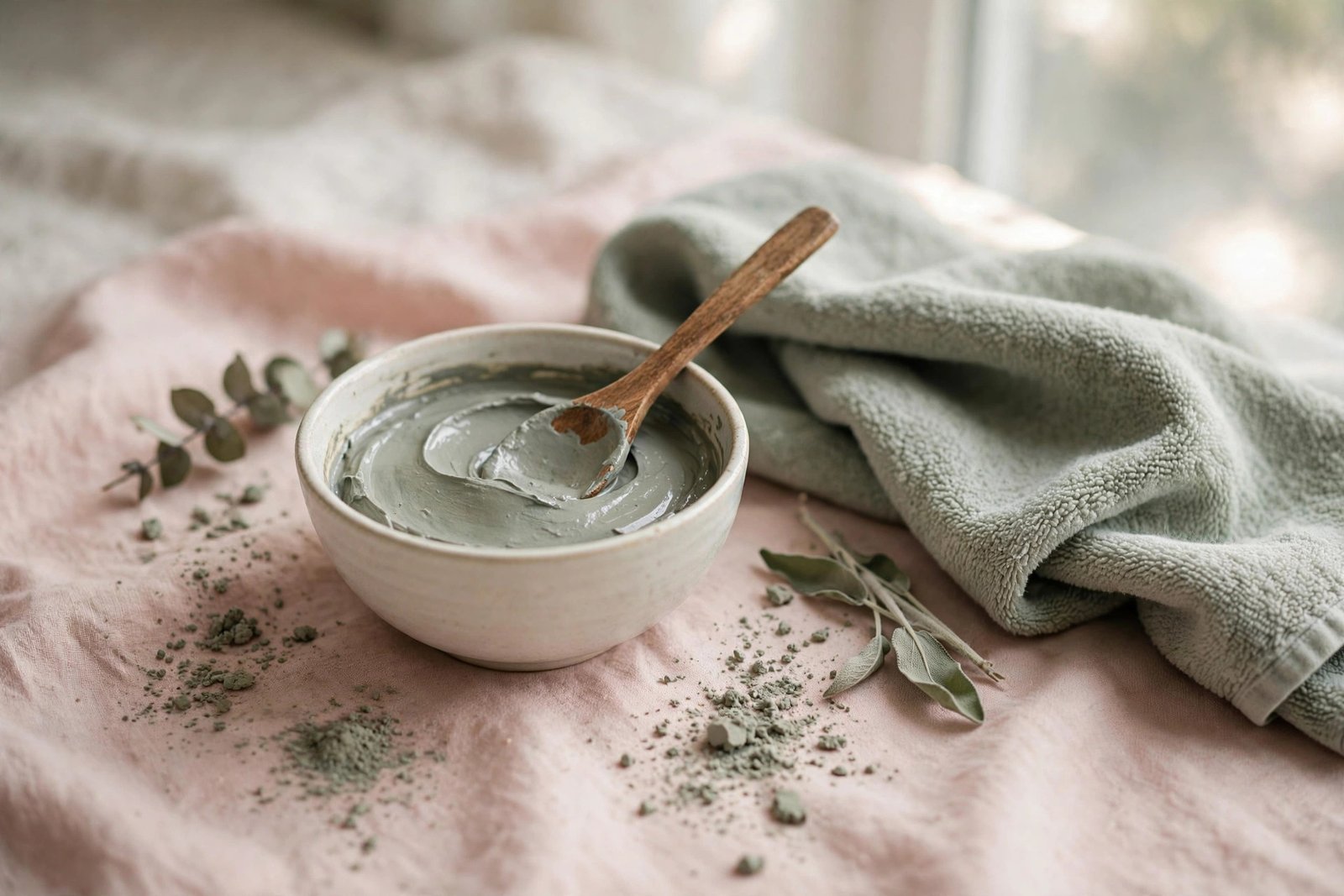
The Aztec mask is 100% calcium bentonite clay — no fragrances, no additives. When you mix it with liquid and apply it, two things happen:
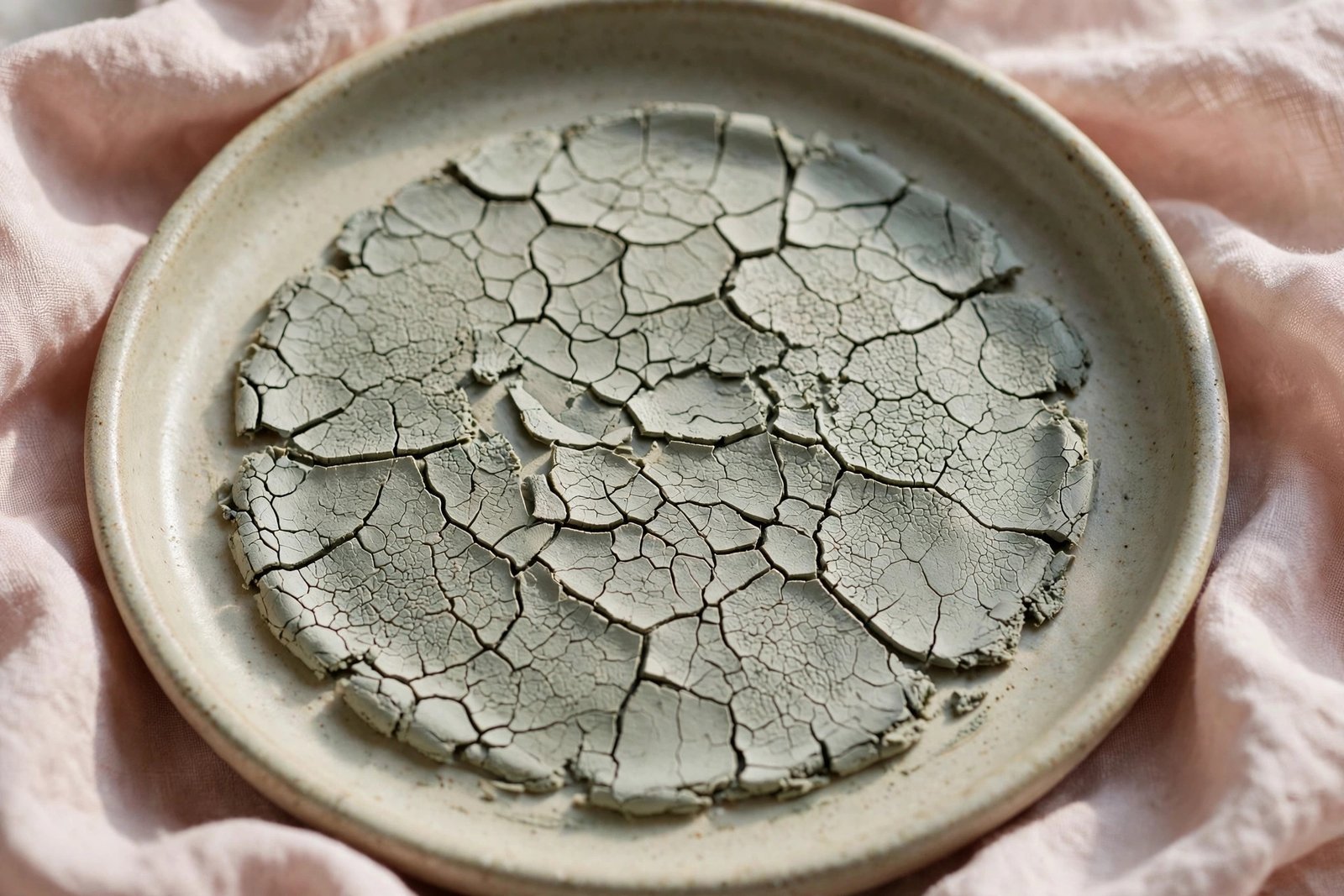
- It tightens as it dries. Bentonite clay shrinks as water evaporates, creating that famous “my face is a statue” feeling. This physical tightening is most of what you feel.
- Blood flow increases at the surface. The drawing, tightening action brings blood toward the skin. That’s the pulsating or throbbing sensation — you’re literally feeling your own circulation respond. After rinsing, most people notice temporary redness that fades within 30 minutes, which is the visible sign of that increased blood flow.
So the tingle-plus-pulse combo is the mask working as designed, not a sign of damage. It’s intense because bentonite is one of the strongest cosmetic clays — much more active than the gentle kaolin in most sheet masks.
My Minute-by-Minute Tingle Timeline
I kept notes during my last application (mixed with apple cider vinegar, which is the classic method — more on that below). Here’s exactly how it went on my combination skin:
- Minutes 0–2: Cool, smooth, pleasant. Smells earthy. No sensation at all.
- Minutes 3–5: Edges start drying first. A faint tightness around the jawline and forehead. Still comfortable.
- Minutes 6–8: The tingle arrives — a prickly, alive feeling across the cheeks. This is where first-timers usually panic. It’s the peak intensity window.
- Minutes 9–12: Full pulsation. I could feel a gentle throb in time with my pulse, strongest on the cheeks and forehead. My face felt like a mask in the most literal sense — I could barely smile.
- Minutes 13–15: Plateau. The sensation stays steady rather than building. Skin looks visibly pink at the edges where it’s driest.
- Rinse + 10 minutes after: Immediate relief once it’s off. Skin looked flushed for about 20 minutes, then settled into a smooth, almost poreless look that lasted into the next day.
Total wear time: 15 minutes. For a first-timer, I’d say 10 is plenty — you get 90% of the experience with less drama.
Normal Tingle vs. Warning Signs
This is the important part. Here’s how to tell the difference:
Normal — keep calm and carry on:
– Mild to moderate tingling or prickling
– Gentle pulsating/throbbing in rhythm with your pulse
– Tightening as the mask dries
– Temporary pinkness or redness that fades within 30–60 minutes after rinsing
– Skin feels smooth and clean afterward
Not normal — rinse off immediately with lukewarm water:
– Sharp burning or stinging pain (beyond tingle)
– Itching that intensifies rather than staying steady
– Hives, welts, or blotchy rash
– Swelling of any kind
– Redness that lasts hours or comes with heat
If you ever hit the second list, don’t try to wait it out. Rinse, apply a bland moisturizer, and skip clay masks until you know what triggered it.
One gentle note: this is cosmetic advice from my own experience, not medical advice. Clay masks are cosmetics, not treatments — and as always, patch-test first.
How to Make It Gentler (Without Losing the Magic)
If the full-strength experience is too much for you, these tweaks dial it down:
- Mix with water instead of apple cider vinegar. The classic recipe uses ACV, which deepens the tingle considerably. Water gives you a milder, still-effective mask. I use ACV now, but I started with water for my first three applications.
- Shorten the wear time. Ten minutes instead of fifteen to twenty. You still get the deep-clean feeling.
- Don’t let it fully crack-dry. Rinse when it’s dry to the touch but before it starts cracking and flaking — that’s the most intense phase, and skipping it costs you almost nothing.
- Add honey. A teaspoon of raw honey in the mix makes it creamier, less drying, and easier to rinse. My sensitive-skin tweak.
- Spot-mask instead of full-face. Oily T-zone only, skip the drier cheeks entirely.
The Recipe I Use
- 1 tablespoon Aztec Secret Indian Healing Clay
- 1 tablespoon apple cider vinegar or water (start with water)
- Optional: 1 teaspoon raw honey for dry/sensitive skin
Mix in a non-metal bowl with a non-metal spoon — bentonite can react with metal, which supposedly reduces its effectiveness. (The science on this is debated, but a wooden spoon costs nothing, so why not.) Apply a thin, even layer, avoiding eyes and lips. Leave on 10–15 minutes, then rinse thoroughly with lukewarm water and moisturize well. Your skin just did a workout — feed it after.
Quick Recap
- Mild tingle + gentle pulsation = normal. It’s blood flow responding to the tightening clay.
- Expect peak intensity around minutes 6–12, then a plateau.
- Temporary redness for up to 30–60 minutes after rinsing is normal.
- Burning, itching that escalates, hives, or swelling = rinse immediately.
- Start with water (not ACV), 10 minutes, and work up from there.
- Patch-test first, especially if your skin is sensitive.
The Aztec mask earned its cult status honestly — few DIY treatments leave skin looking that smooth that fast. Now that you know what the tingle means, you can actually enjoy the ride instead of white-knuckling through it.
Frequently Asked Questions
Is it normal for the Aztec clay mask to pulsate?
Yes. The pulsating sensation is one of the most commonly reported effects — it’s your circulation responding as the drying clay tightens and draws blood to the skin’s surface. It feels strange but it’s the expected experience.
How long should I leave the Aztec clay mask on?
Ten to fifteen minutes is the sweet spot for most people. Beginners should start at ten. Leaving it on much longer increases irritation risk without meaningfully better results.
Why is my face red after the Aztec clay mask?
Temporary redness comes from the increased blood flow the mask stimulates. It typically fades within 30–60 minutes. If redness lasts several hours, feels hot, or comes with bumps, that’s a reaction — scale back or skip clay masks.
Can I use the Aztec clay mask if I have sensitive skin?
You can, with modifications: mix with water (not ACV), add honey, keep it to 10 minutes max, and don’t let it fully dry. And definitely patch-test on your jawline 24 hours before doing your full face.
Apple cider vinegar or water — which should I mix it with?
ACV gives the stronger, more dramatic result (and more tingle); water is gentler and better for beginners and sensitive skin. Both work. Start with water — you can always try ACV next time.
Love a good at-home treatment? Check my related guide“>turmeric face mask frequency guide and the related guide“>2-minute honey-sugar lip scrub — all in DIY Beauty“>DIY Beauty.
Love this? Pin it for later!