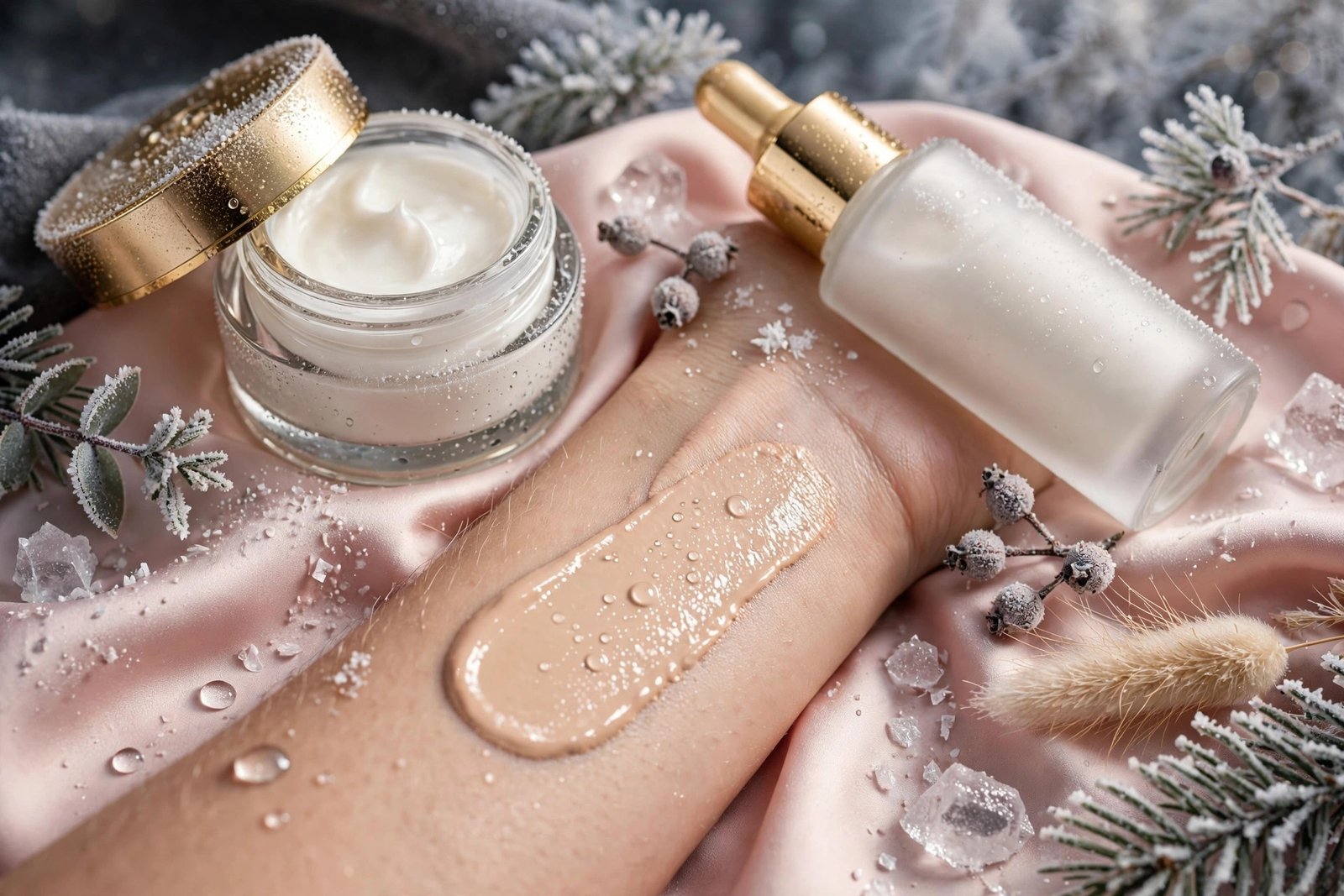
Why Foundation Separates in Cold Weather (and How to Fix It)
You put on your foundation in the morning and it looks flawless. By lunchtime, it’s a different story: patchy around the cheeks, clinging to dry spots, and pooling in fine lines. If your base makeup behaves perfectly in summer but falls apart the moment temperatures drop, cold weather is the culprit — and it’s more common than most people realize.
Foundation separation in winter isn’t a sign that you’re doing your makeup wrong. It’s a sign that the environment changed and your routine didn’t change with it. Cold air, indoor heating, and seasonal dehydration quietly shift how your skin and your products behave together. The good news: once you understand what’s happening, the fixes are straightforward.
Why Cold Weather Makes Foundation Separate
Foundation is essentially pigment suspended in a formula that needs a smooth, slightly hydrated surface to sit on. Winter changes that surface — and the way the formula sets — in several ways.
Dry, Dehydrated Skin Creates an Uneven Canvas
Cold air holds far less moisture than warm air, so skin loses water to the environment faster in winter. Add indoor heating, which blasts warm, extremely dry air for hours, and the skin’s surface becomes rough and flaky at a microscopic level. Foundation sits on top of those dry patches instead of blending in, then breaks apart as the skin moves and the product migrates around the flakes.
Your Formula May Be Wrong for the Season
The matte, oil-controlling foundation that looked amazing in July can become the enemy in January. Long-wear and matte formulas are designed to absorb oil and grip tightly — on winter skin with little natural oil, they grip unevenly, emphasizing dryness and cracking apart where the skin is tightest.
Skipping or Rushing Moisturizer
Many people keep their lightweight summer moisturizer year-round, or rush through skincare and apply foundation before moisturizer has absorbed. In winter, skin needs richer hydration, and applying base makeup over a half-absorbed layer creates a slippery, unstable base that separates within hours.
Harsh Cleansing Strips the Barrier
Hot showers and strong foaming cleansers feel comforting in winter but strip the skin’s natural oils. A compromised moisture barrier means the skin surface becomes rough and tight — exactly the texture that makes foundation patchy. Gentle evening cleansing matters more in cold months than ever; the double cleansing method is worth keeping, but the cleansers themselves should be mild and non-stripping.
Temperature Changes Affect How Product Sets
Going from a heated apartment to freezing air and back again causes the skin to contract and expand slightly, and the micro-movements can fracture a rigid foundation layer. Layered incorrectly, foundation becomes brittle rather than flexible.
9 Fixes for Winter Foundation Separation
1. Switch to a Hydrating Foundation Formula
This is the single biggest fix. Look for foundations described as hydrating, dewy, luminous, or serum foundations. These formulas contain humectants and emollients that keep the product flexible on the skin instead of drying down to a rigid matte layer. If your summer foundation is matte or long-wear, retire it until spring.
2. Layer Skincare Properly Before Makeup
Winter base makeup starts with skincare, in the right order: toner or hydrating essence, serum, then moisturizer. Each layer needs 30–60 seconds to absorb before the next goes on. A properly hydrated base gives foundation something smooth to grip. Skipping straight from a thin serum to foundation is one of the fastest routes to midday separation.
3. Use a Hydrating Primer
Primer acts as a bridge between skincare and makeup. In winter, choose a hydrating or illuminating primer rather than a mattifying or pore-filling one. Applied after moisturizer and given a minute to set, it creates an even, slightly tacky surface that anchors foundation. Curious what makeup primer does? It essentially fills micro-texture and controls how foundation adheres.
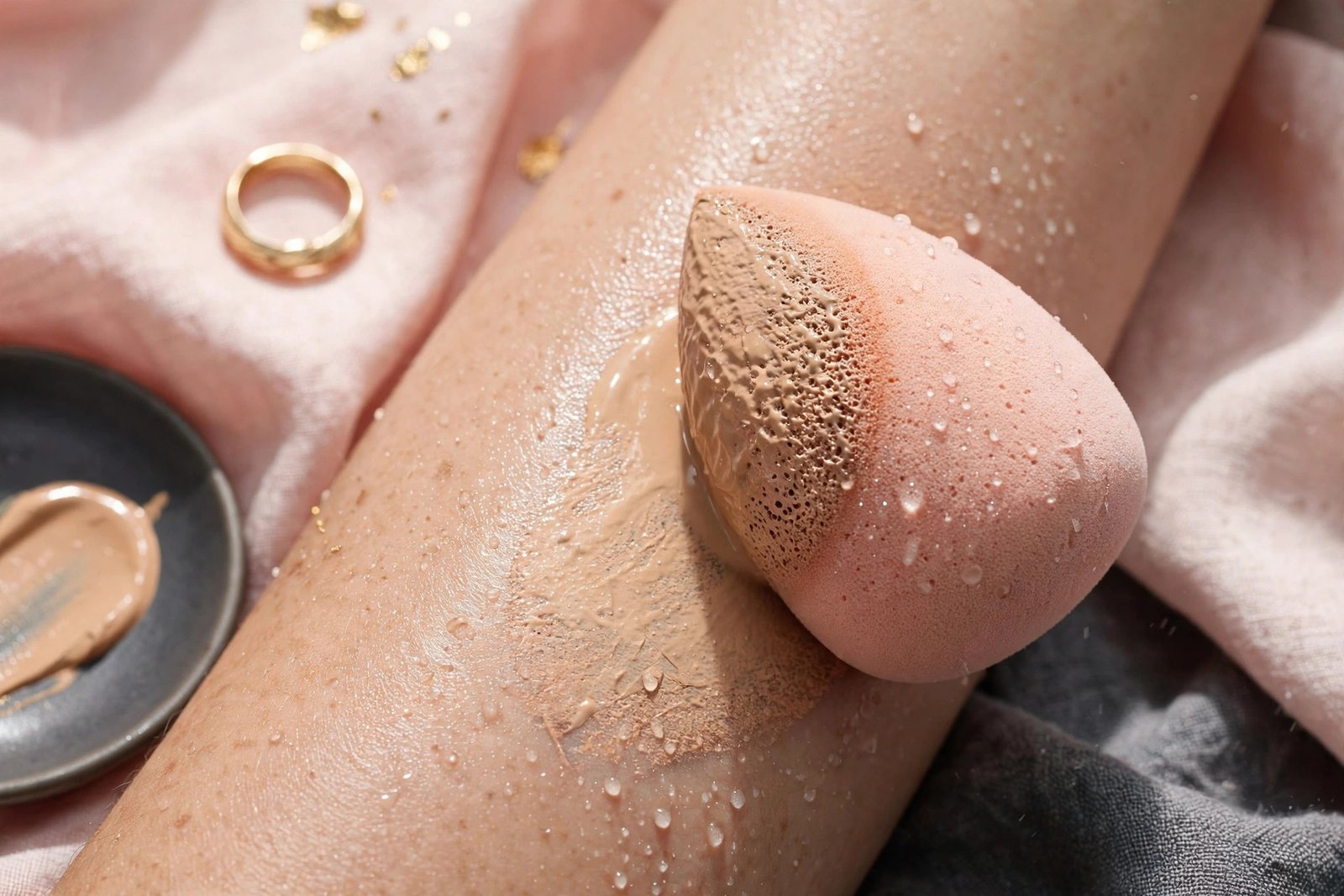
4. Apply With a Damp Sponge
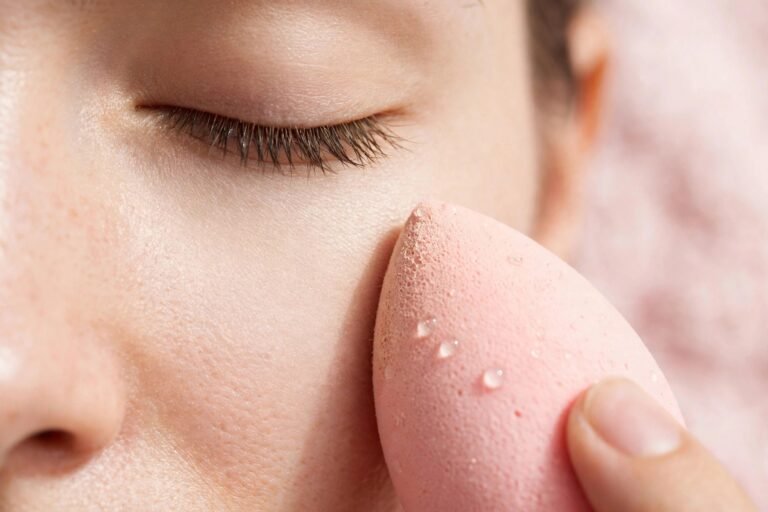
A damp makeup sponge presses foundation into the skin instead of dragging it across the surface. The slight moisture also helps the product meld with skin rather than sitting on top. Bounce and press — never swipe. Brushes can work too, but dense buffing brushes can disturb dry patches and make flaking more visible.
5. Stop Over-Powdering
Powder is the number-one winter foundation killer. That full-face dusting of setting powder that kept shine away in summer will desiccate your base in January. Instead, press a tiny amount of powder only where needed — usually just the T-zone — with a small brush, and leave cheeks and under-eyes powder-free.
6. Mist Between Layers
A hydrating facial mist is a winter makeup essential. Mist after skincare, after foundation, and after powder. Each light spritz melts layers together and adds back the moisture that dry air steals. It also revives separated makeup midday: mist, then gently press with a damp sponge to re-blend.
7. Exfoliate Gently, Not Aggressively
Dead skin cells are what foundation clings to and then flakes off with. A gentle chemical exfoliant (a mild AHA or PHA) used 1–2 times a week keeps the surface smooth so foundation has an even canvas. Avoid harsh scrubs — they create micro-tears that make texture worse, not better.
8. Let Each Layer Set Before the Next
Patience is a legitimate makeup technique in winter. Moisturizer needs a couple of minutes to sink in; primer needs a minute to get tacky; foundation needs a moment before powder. Rushing layers traps wet product under dry product, and the whole stack slides apart by afternoon.
9. Finish With a Setting Spray, Not More Powder
Lock everything in with a hydrating setting spray rather than an extra layer of powder. Setting spray melds the layers into one cohesive finish and adds a flexible, protective veil. A dewy-finish spray suits winter skin far better than a matte one.
5 Winter Foundation Mistakes That Cause Separation
Even with the right products, a few common habits can sabotage your base in cold weather:
- Applying foundation to bare, unmoisturized skin. Some people skip moisturizer under makeup to “help it last.” In winter this backfires — dry skin drinks up the formula unevenly and it fractures within hours.
- Mixing silicone and water-based products. If your primer is silicone-based and your foundation is water-based (or vice versa), they can repel each other and pill or separate. In winter, when skin is drier and less forgiving, this mismatch shows up faster. Keep your base layers in the same family.
- Using summer skincare under winter makeup. A gel moisturizer that was perfect in August may not provide enough of a barrier in January. If your skincare is too light for the season, no foundation technique will fully compensate.
- Touching up with powder throughout the day. Each layer of blotting powder pulls more moisture out of your base. If makeup is separating midday, mist and press with a damp sponge instead of adding powder — you’ll re-melt the layers rather than drying them further.
- Washing your face with hot water before makeup. Hot water strips natural oils and leaves skin tight and slightly inflamed — a terrible starting canvas. Lukewarm water keeps the barrier intact and gives foundation a calmer surface to grip.
Best Foundation Types for Winter
- Serum foundations: Lightweight, hydrating, and flexible — the easiest winter swap.
- Dewy or luminous liquid foundations: Built for dry skin; look for hyaluronic acid or squalane in the formula.
- Tinted moisturizers and skin tints: Lower coverage but far less likely to separate; ideal for everyday wear.
- Cream foundations: Richer texture that melds with dry skin beautifully; best applied sparingly with a damp sponge.
Formulas to bench until spring: heavy mattes, 24-hour long-wear liquids, powder foundations, and anything labeled “oil-control.”
When to Switch Your Summer Foundation
Don’t wait until your makeup is already failing. A good rule: when you switch your moisturizer to a richer formula (usually when indoor heating goes on), switch your foundation too. Other signs it’s time:
- Your current foundation suddenly looks patchy by midday when it used to last all day
- You need more moisturizer, but makeup still looks dry
- Pores and fine lines appear more visible than they did in summer
- You’re reaching for powder more often, yet the finish looks worse
Keep your summer foundation stored in a cool, dark place — it’ll be perfect again when humidity returns.
Key Takeaways
- Cold air and indoor heating dehydrate skin, creating the rough, uneven surface that makes foundation separate.
- Matte and long-wear summer formulas grip unevenly on winter skin — switch to hydrating, dewy, or serum foundations.
- Layer hydrating skincare properly and let each layer absorb before makeup goes on.
- Apply with a damp sponge using pressing motions; avoid dragging brushes across dry skin.
- Powder only the T-zone, mist between layers, and finish with a hydrating setting spray.
- Gentle weekly exfoliation keeps dead skin from becoming the layer your foundation flakes off with.
Frequently Asked Questions
Why does my foundation look fine in the morning but separate by afternoon in winter?
Morning skin is at its most hydrated — you’ve just done your skincare routine. Over the day, dry air and indoor heating pull moisture from your skin, the surface becomes rougher, and foundation that was sitting on a smooth canvas starts breaking apart. Proper layering and a hydrating formula extend wear significantly.
Should I use a different primer in winter?
Yes. Swap mattifying or silicone-heavy pore primers for hydrating or illuminating formulas in cold months. The wrong primer creates a barrier that dry skin can’t work with; the right one anchors foundation to a hydrated base.
Can I keep using my matte foundation if I just moisturize more?
Sometimes, but usually not. Richer moisturizer helps, but matte formulas are engineered to absorb oil and set firmly — on oil-depleted winter skin they still tend to crack and separate. A hydrating foundation formula is the more reliable fix.
Is powder or setting spray better for winter makeup?
Setting spray, by a wide margin. Powder absorbs the little moisture your winter base has; a hydrating setting spray locks layers together while keeping the finish flexible. Use powder sparingly and only where truly needed.
My foundation separates around my nose specifically — is that the same issue?
It can be related, but nose-area separation has its own causes (oil breakthrough, glasses, mask friction) and fixes. For a focused breakdown of that specific problem, see why makeup separates around the nose.
Love this? Pin it for later!