How to Use Sheet Masks: The Right Way for Maximum Glow
Sheet masks look foolproof — unfold, stick on face, wait, glow. And they nearly are. But small mistakes in timing and technique decide whether you get that plump, dewy payoff or just a damp face and a wasted mask. This guide covers exactly how to use sheet masks, from prep to the all-important 15–20 minute rule, plus what to do with the leftover serum and the mistakes that quietly ruin your results.
If you are new to masking altogether, start with the [complete face masks guide for beginners → face-masks-guide-for-beginners] to see where sheet masks fit among the other mask types. Then come back here for the full technique.
Key Takeaways
- Always apply sheet masks to freshly cleansed skin — never over makeup or sunscreen.
- The 15–20 minute rule: remove the mask while it is still damp, never let it dry out on your face.
- After removing, pat the remaining serum into your skin — do not rinse it off.
- Seal everything with moisturizer so the hydration does not evaporate.
- Never re-use a single-use sheet mask, and do not sleep in one.
- Use 2–3 times per week for best results; daily use is fine only for short stretches.
Before You Start: Prep Makes the Difference
A sheet mask can only work as well as the canvas it sits on. Proper prep takes two minutes and noticeably improves results.
Step 1: Cleanse thoroughly. Wash your face with your regular cleanser. If you are wearing sunscreen or makeup, cleanse well enough to remove it fully — a mask layered over the day’s residue cannot deliver its serum to your skin. (Evening is the ideal masking time for this reason.)
Step 2: Apply toner or essence to damp skin (optional but recommended). A light hydrating toner applied right after cleansing gives the mask’s serum a damp base to work with. Damp skin absorbs water-based ingredients better than bone-dry skin, so this small step boosts the whole treatment.
Step 3: Wash your hands. You are about to press a serum-soaked sheet onto your face for 20 minutes. Clean hands keep bacteria out of the equation.
Step 4: Check the mask. Look at the expiration date and give the packet a gentle squeeze to distribute the serum evenly before opening. If the packet is puffed up like a balloon or smells off, skip it.
How to Apply a Sheet Mask, Step by Step
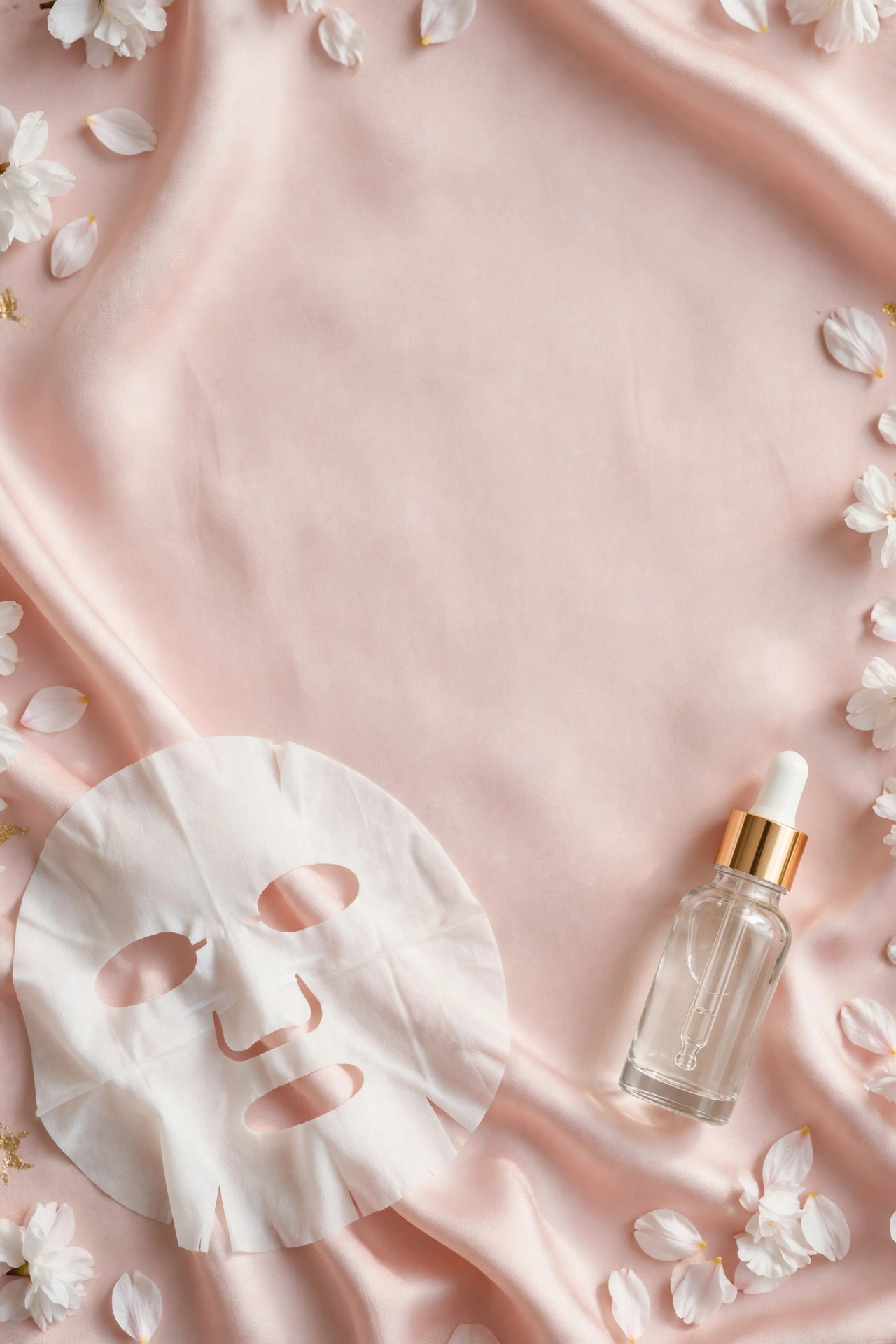
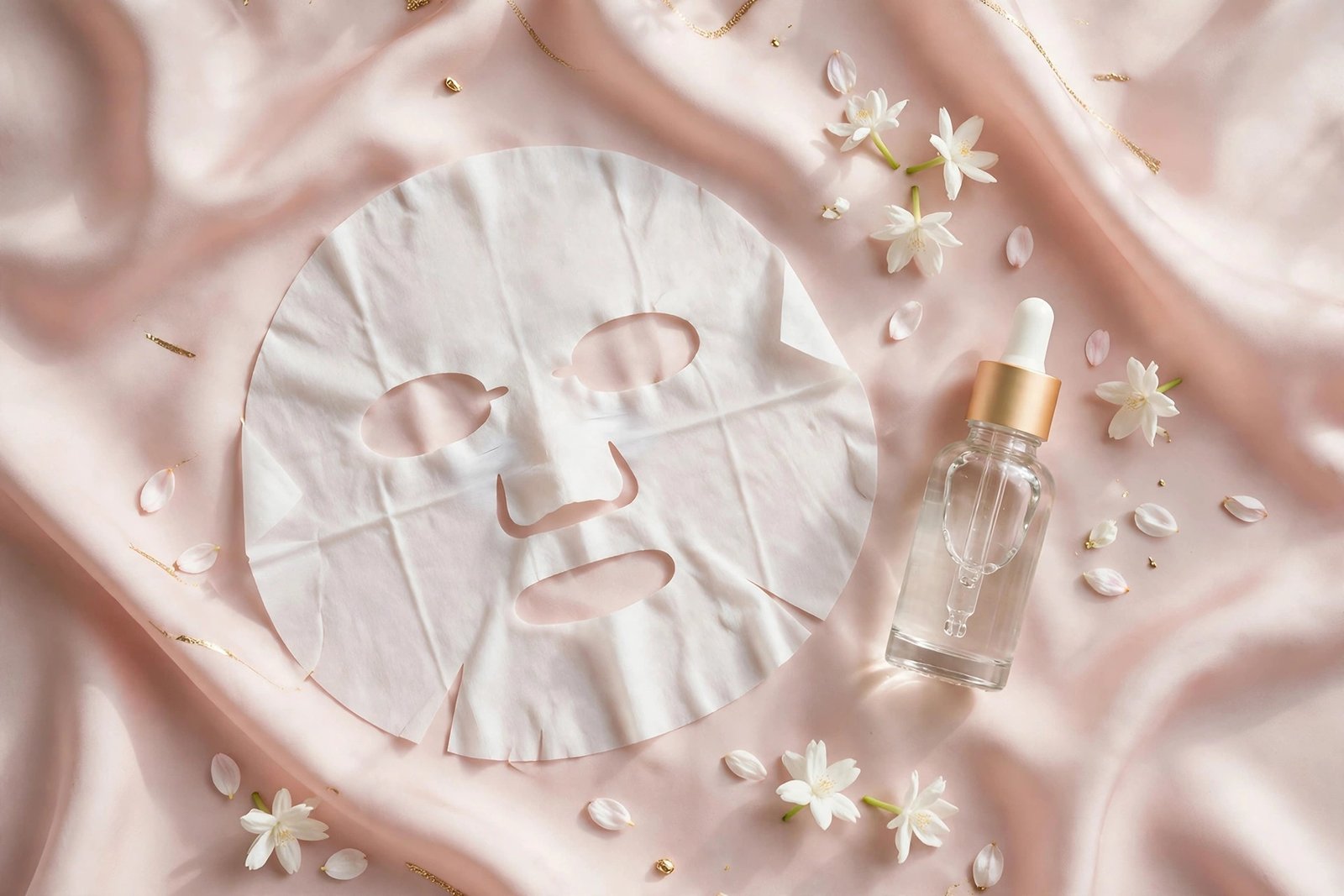
Step 1: Unfold carefully. Open the packet and unfold the sheet gently. Many masks come folded with a protective film or mesh backing — peel that away and discard it; the serum-soaked sheet is what goes on your face.
Step 2: Align the cutouts. Start with the eyes: line up the eye holes first, then smooth the sheet down over your nose and mouth, pressing outward toward the edges. Most sheets will not fit perfectly — that is normal. Smooth out air bubbles by pressing gently from the center outward.
Step 3: Press, do not stretch. Stretching a sheet mask to “make it fit” thins the serum layer and can tear the material. Instead, make small relief cuts with clean scissors around the nose or chin if the fit is badly off, and overlap the edges.
Step 4: Use the leftover serum. There is always extra serum in the packet. Smooth it over your neck, the backs of your hands, or your forearms — the neck especially benefits, since it is often neglected in routines.
Step 5: Relax for 15 to 20 minutes. Lie back if you can; gravity helps the sheet stay in contact with your skin. This is the treatment window — the serum needs this contact time to absorb.
The 15–20 Minute Rule (and Why It Matters)
Here is the single most important sheet mask rule: remove the mask after 15 to 20 minutes, while it is still damp — never wait until it dries out on your face.
It is tempting to think longer equals better, or to fall asleep in a mask. But once the sheet starts drying, the process reverses: the dry fabric begins drawing moisture back out of your skin through a process sometimes called reverse osmosis. A mask left on for 40 minutes can leave your skin drier than before you started.
Set a timer. When the edges of the sheet start feeling less saturated — usually around the 15-minute mark for thin cotton sheets, closer to 20 for thicker hydrogel or biocellulose masks — that is your cue. Peel it off, and move to the next step while your skin is still dewy.
After the Mask: Serum Patting and Sealing
What you do in the two minutes after removing the mask matters as much as the mask itself.
Do not rinse. The serum clinging to your skin is the point of the whole exercise. Instead, use clean fingertips to gently pat and press the remaining essence into your skin until it absorbs. Patting (rather than rubbing) is gentler and helps absorption.
Apply moisturizer to seal it in. Sheet mask serums are typically water-based and evaporate if left unsealed. Follow with your regular moisturizer — or a few drops of facial oil — to lock the hydration in place. Think of the mask as delivering water and the moisturizer as putting a lid on it.
Adjust the rest of your routine. On sheet mask nights, your skin has already received a full serum dose, so you can skip your usual serum step or use a lighter hand with it. If your skin feels sufficiently hydrated, a simple moisturizer finish is enough. For guidance on how masking fits into a weekly schedule, see [how often to use a face mask → how-often-should-you-use-a-face-mask].
What NOT to Do With Sheet Masks
- Never re-use a sheet mask. Once a mask has been on your face, it has collected oils, dead skin cells, and bacteria. Folding it back into the packet “for tomorrow” turns it into a contamination risk. Single-use means single-use.
- Do not sleep in a sheet mask. Overnight wear guarantees the sheet dries out completely, reversing the hydration benefit and potentially irritating your skin. If you want an overnight treatment, use a proper [sleeping mask formula designed to stay on → what-is-sleeping-mask-how-to-use] instead — it is built for exactly that job.
- Do not rinse the serum off afterward. Rinsing washes away the active ingredients you just spent 20 minutes delivering. Pat, don’t rinse.
- Do not apply over uncleansed skin. Makeup, sunscreen, and daily buildup block the serum from reaching your skin. The mask cannot do its job through a dirty barrier.
- Do not use a mask that irritates and “push through.” Mild coolness on application is normal; stinging, burning, or itching is not. Remove the mask immediately if your skin protests.
Choosing a Good Sheet Mask (Quick Buyer’s Guide)
Not all sheet masks are equal, but the differences that matter are simple:
- Material: Cotton sheets are the affordable standard. Hydrogel and biocellulose masks adhere better and feel more luxurious, but cost more. For beginners, a well-fitting cotton mask works perfectly well.
- Ingredients: Look for proven hydrators — hyaluronic acid, glycerin, niacinamide, ceramides, aloe. Be cautious with heavy fragrance, which is a common irritant, especially in very cheap masks.
- Fit: A mask with good cutouts for your face shape beats a fancy formula that slides off. If standard masks never fit your face, look for brands offering different sizes.
- Serum amount: A generously soaked mask at a fair price beats a barely-damp luxury packet. You should have visible serum left in the packet after unfolding.
If dryness is your main concern beyond masking, a dedicated [hydrating serum for dry skin → best-hydrating-serums-for-dry-skin] used daily will do more long-term work than masks alone — and learning [how to use hyaluronic acid serum → how-to-use-hyaluronic-acid-serum] correctly makes both products perform better.
Frequently Asked Questions
Should I put on serum before a sheet mask?
Generally no — the sheet mask replaces your serum step. The exception is a hydrating toner or essence on damp skin right after cleansing, which helps absorption. Layering a full serum underneath a serum-soaked mask is redundant and can cause pilling.
Can I use a sheet mask in the morning before makeup?
Yes, and it can be great for it — a 10 to 15 minute mask gives makeup a smooth, hydrated base. Just follow with moisturizer and sunscreen, and give everything a few minutes to absorb before applying foundation.
How often should I use sheet masks?
Two to three times per week is the sweet spot for most people. Some use one daily for a week before an event, which is generally fine for gentle hydrating formulas — but if your skin starts feeling sensitive or reactive, scale back.
Do I need to wash my face after a sheet mask?
No. Pat the remaining serum in and continue with moisturizer. The only exception: if the serum feels uncomfortably sticky or your skin reacts, a gentle rinse is fine — but with a well-chosen mask this should not happen.
Are expensive sheet masks worth it?
Up to a point. Very cheap masks sometimes skimp on serum or use irritating fragrance, but mid-range masks from reputable brands perform excellently. The technique in this guide matters more than the price tag.
The Bottom Line
Sheet masks reward good technique more than expensive products: cleanse first, apply to damp-toned skin, respect the 15–20 minute rule, pat the serum in, and seal with moisturizer. Do that consistently 2–3 times a week and you will get the glow these masks are famous for. To round out your masking knowledge, explore the [complete face masks guide for beginners → face-masks-guide-for-beginners] for the other mask types, or check [how often to use a face mask → how-often-should-you-use-a-face-mask] to build your weekly schedule. For the bigger picture, this [beginner skincare routine → skincare-routine-for-beginners-step-by-step] shows exactly where masks belong.
complete face masks guide for beginners
how often to use a face mask
sleeping mask formula designed to stay on
hydrating serum for dry skin
how to use hyaluronic acid serum
beginner skincare routine
Love this? Pin it for later!