Best Moisturizer for Oily Skin: Oil-Free Picks That Won’t Clog Pores
Skipping moisturizer is the most common mistake people with oily skin make. It feels logical — why add moisture to skin that is already shiny? — but dermatologists consistently warn against it. When oily skin is deprived of hydration, sebaceous glands compensate by producing even more oil, leaving you shinier by afternoon than if you had moisturized in the first place.
The trick is not whether to moisturize, but what to moisturize with. The best moisturizer for oily skin is lightweight, oil-free, and non-comedogenic: it delivers water-based hydration without adding grease, clogging pores, or pilling under sunscreen and makeup. This guide breaks down exactly what to look for, which ingredients help (and which to avoid), and how to use moisturizer correctly for a balanced, shine-free finish.
Key Takeaways
- Oily skin needs moisturizer — skipping it causes dehydration, which triggers even more oil production.
- Look for three things on the label: oil-free, non-comedogenic, and a gel, gel-cream, or lightweight lotion texture.
- The best hydrating ingredients for oily skin are hyaluronic acid, glycerin, niacinamide, aloe vera, and ceramides in light bases.
- Avoid heavy occlusives (petroleum-heavy creams, coconut oil, cocoa butter) as daily moisturizers — they trap oil and clog pores on oily skin.
- Use a pea-to-dime-sized amount, apply to slightly damp skin, and let it absorb for a minute before sunscreen or makeup.
- Your morning and night moisturizer can be the same lightweight product — most oily skin types do not need a separate heavy night cream.
Why Oily Skin Still Needs Moisturizer
Oil and hydration are not the same thing. Sebum (oil) sits on the skin’s surface; hydration refers to water content within the skin. Oily skin can be — and often is — dehydrated at the same time. This combination has a recognizable feel: shiny on the surface, tight or uncomfortable underneath, with makeup that flakes around the mouth while the T-zone glistens.
Moisturizer does three jobs for oily skin:
- Replaces water lost during cleansing. Every cleanse removes some of the skin’s natural moisture along with the oil. Moisturizer restores that water balance.
- Supports the skin barrier. A healthy barrier keeps irritants out and moisture in. When the barrier is compromised from harsh products or skipped moisturizer, skin becomes reactive — redder, more breakout-prone, and oilier.
- Signals glands to calm down. Well-hydrated skin does not need to overproduce sebum as compensation. Many people notice their midday shine decreases within 2-3 weeks of consistent moisturizing.
For the full routine this step fits into, see the complete skincare routine for oily skin.
What to Look for in a Moisturizer for Oily Skin
Shopping for moisturizer with oily skin is mostly about filtering. These label cues do most of the work:
Oil-free. The single most useful term. Oil-free formulas hydrate with water-based ingredients (humectants like glycerin and hyaluronic acid) rather than plant oils or mineral oil.
Non-comedogenic. Means the formula is designed not to clog pores. It is not a regulated term, so it is not a guarantee — but products carrying it are formulated with pore-clogging risk in mind, which is a meaningful filter.
Gel, gel-cream, or fluid lotion texture. Texture predicts how a moisturizer will feel better than marketing copy does. Gels are the lightest; gel-creams add a touch more nourishment; fluid lotions sit in between. Traditional thick creams in jars are usually too heavy for daytime oily skin.
Fragrance-free (ideally). Fragrance — including natural essential oils — is one of the most common sources of irritation, and irritated oily skin tends to break out. “Unscented” is not the same as “fragrance-free” (unscented products can contain masking fragrance), so check the ingredient list.
SPF is a bonus, not a requirement. Some daytime moisturizers include SPF 30, which simplifies the morning routine. But a moisturizer-SPF combo must be applied in full sunscreen quantity (two finger-lengths) to deliver the labeled protection — most people under-apply. A separate sunscreen over moisturizer usually gives more reliable protection. See sunscreens made for oily, acne-prone skin.
Best Ingredients in Moisturizers for Oily Skin
When comparing formulas, these ingredients are the ones that earn their place:
- Hyaluronic acid: A humectant that holds many times its weight in water, delivering hydration without any oiliness. Works best applied to slightly damp skin, then sealed with moisturizer. Learn the technique in how to use hyaluronic acid serum.
- Glycerin: A classic, well-studied humectant that draws water into the skin. Inexpensive, effective, and rarely irritating.
- Niacinamide (vitamin B3): Does double duty — hydrates while helping regulate sebum production and refining the look of pores. Concentrations of 2-5% in moisturizers are common and well tolerated.
- Ceramides: Lipids that reinforce the skin barrier. Oily skin benefits from barrier support too, especially when using exfoliating acids or retinoids. Look for ceramide NP, AP, or EOP on the label.
- Aloe vera: Lightweight, soothing hydration — a good base ingredient in gel moisturizers.
- Squalane (in small amounts): A lightweight emollient that mimics skin’s natural oils without heaviness. Fine in gel-cream formulas; avoid high concentrations layered under heavy products.
- Green tea extract: An antioxidant with mild oil-regulating properties that suits daily use.
Ingredients to Avoid in Moisturizers for Oily Skin
- Coconut oil and cocoa butter: Both rank high on comedogenicity scales and are frequent culprits in clogged pores.
- Heavy petrolatum/mineral oil bases: Fine as short-term barrier repair, but as a daily moisturizer on oily skin they trap heat, sweat, and sebum.
- Isopropyl myristate and similar pore-clogging esters: Common in rich creams; check ingredient lists if you are breakout-prone.
- High concentrations of essential oils: Tea tree, lavender, and citrus oils can irritate with daily use, and irritation worsens breakouts.
- Alcohol denat. high on the ingredient list: Gives a quick matte feel but dries and sensitizes skin over time.
One caution: ingredient lists cannot tell you everything. A formula’s overall design matters more than any single ingredient — a well-formulated gel-cream with a small amount of squalane will outperform a poorly formulated “oil-free” product loaded with irritants. When in doubt, patch-test new moisturizers along the jawline for a few days.
Gel vs Cream vs Lotion: Which Texture Wins for Oily Skin?
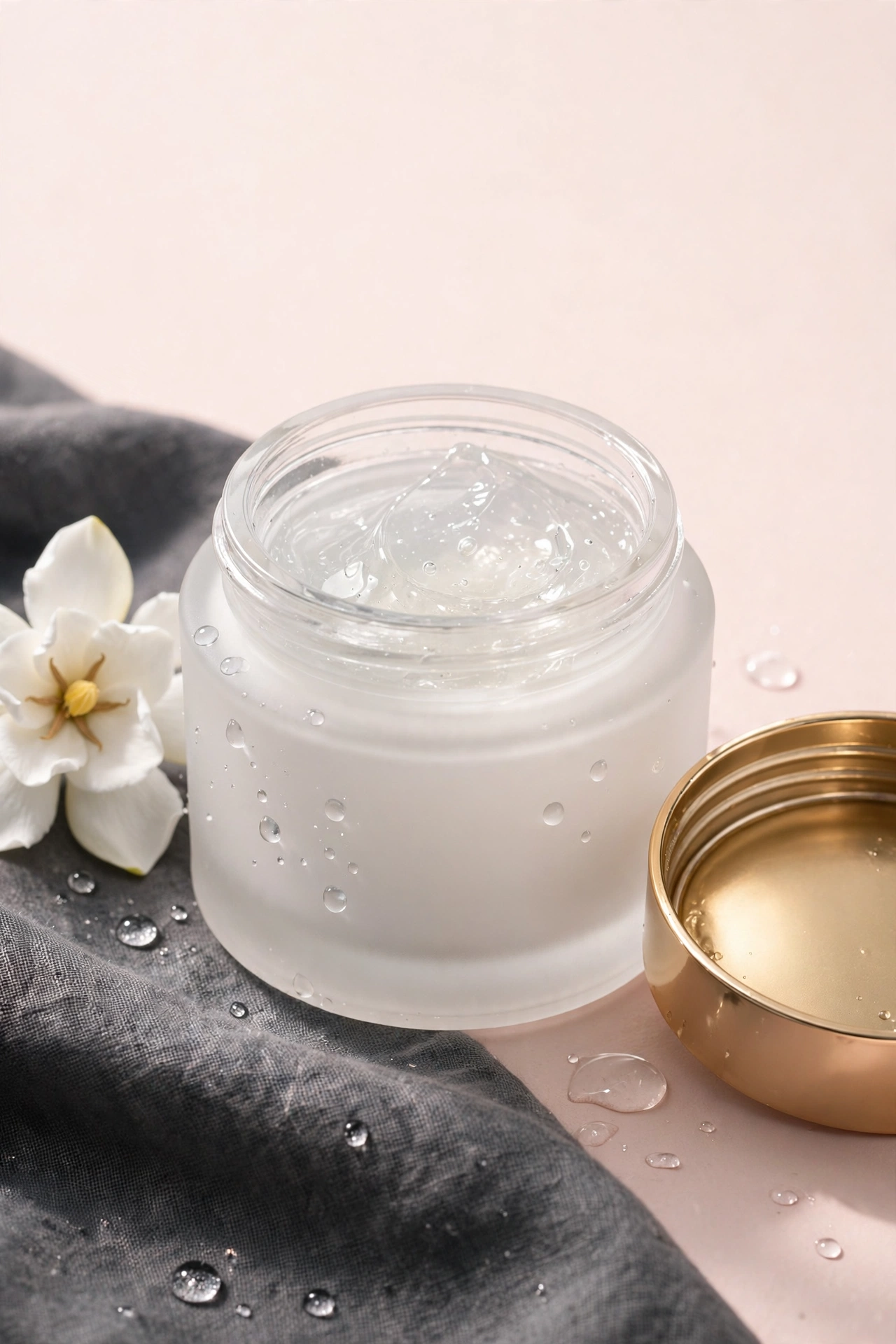
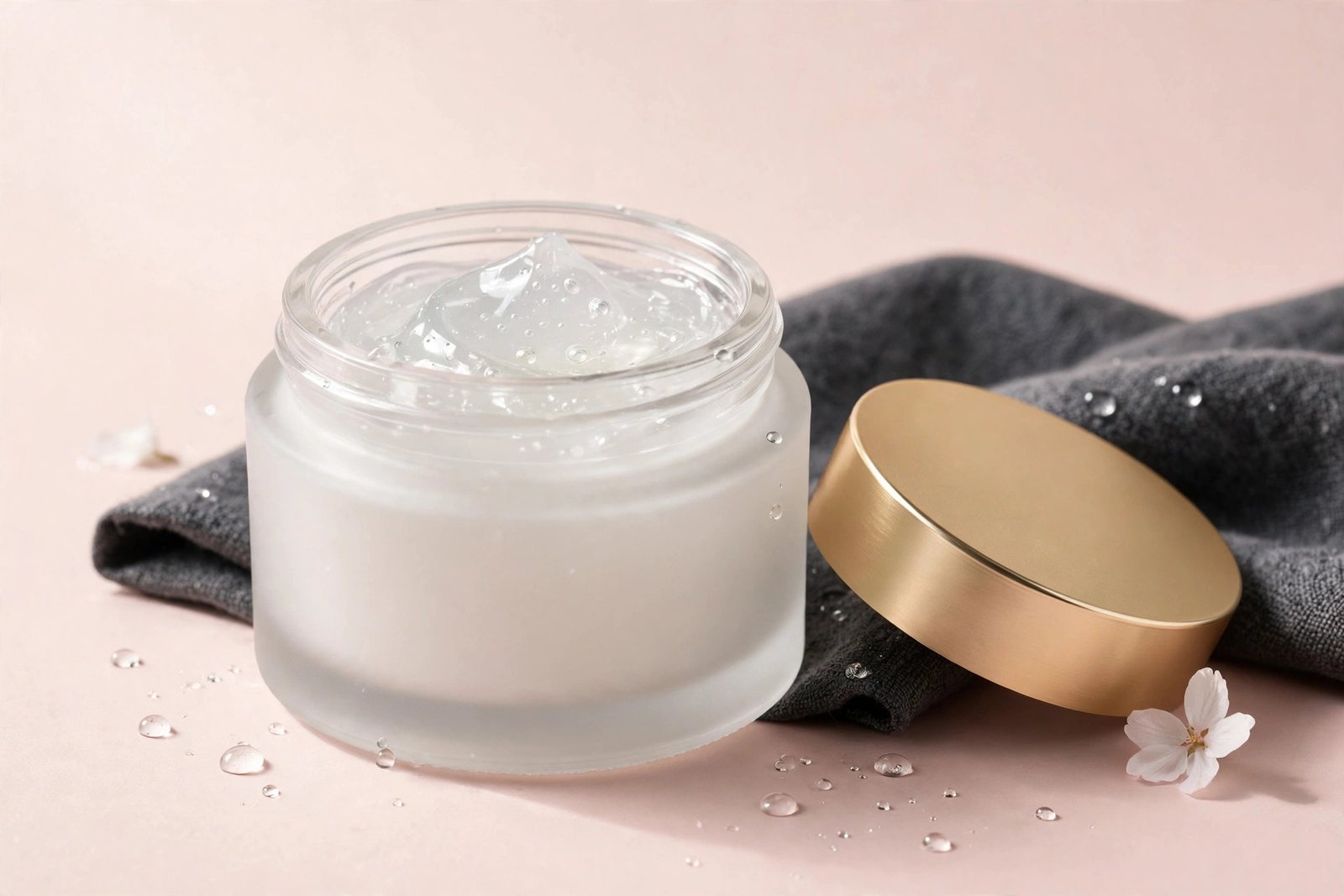
Gel moisturizers are the default winner for oily skin. Water-based, fast-absorbing, and shine-free, they suit moderate to very oily skin year-round and work well under sunscreen and makeup.
Gel-creams add slightly more emollience while staying lightweight. They are the best pick if your skin is oily but dehydrated, if you use drying actives (acids, retinoids), or in winter when indoor heating strips moisture.
Fluid lotions (pump-bottle, pourable) fall between gels and creams. A good option for combination skin — oily T-zone, normal cheeks — since they spread easily without heaviness.
Traditional creams (thick, jar-packaged) are generally too occlusive for oily skin as a daily moisturizer. The exception is short-term barrier repair: if over-exfoliation has left skin raw and flaky, a bland cream for a few nights can help recovery — then switch back.
Oils as moisturizers are not moisturizers in the technical sense (they seal in moisture but add little water). For oily skin, they are usually unnecessary and often counterproductive during the day.
How to Apply Moisturizer on Oily Skin
Technique affects how a moisturizer performs almost as much as the formula:
- Apply to slightly damp skin. After cleansing (or after serum), while skin is still a little damp, humectants like hyaluronic acid and glycerin pull that water in instead of pulling it from deeper skin layers.
- Use less than you think. A pea-sized to dime-sized amount covers the whole face. Using too much is the top cause of greasiness and pilling — not the product itself.
- Dot, then press. Dot moisturizer on forehead, cheeks, nose, and chin, then press and smooth outward. Avoid aggressive rubbing, which can pill the product.
- Wait before the next layer. Give moisturizer 60 seconds to absorb before sunscreen in the morning. If you apply makeup immediately over tacky moisturizer, it will slide.
- Adjust by zone. Combination skin can use gel all over and skip moisturizer on the oiliest parts of the T-zone at night, or layer a touch more on drier cheeks. You do not have to treat the whole face identically.
Morning vs. night: Most oily skin types can use the same lightweight moisturizer twice a day. At night, after treatments like retinoids, you can apply a slightly more generous layer — but resist switching to a heavy night cream unless your skin is genuinely dehydrated. The routine framework is covered in the complete oily skin routine guide.
Common Moisturizer Mistakes for Oily Skin
Skipping it entirely. The number-one mistake, covered above — dehydration triggers more oil, not less.
Using a heavy cream “because winter.” Cold weather dehydrates skin, but the fix for oily types is layering hydration (hydrating serum under gel moisturizer), not switching to a thick cream that clogs pores.
Applying moisturizer to dry skin. Humectants need water to work with. On bone-dry skin, hyaluronic acid can actually pull moisture from deeper layers. Damp skin first, always.
Mixing too many layers. Serum + moisturizer + SPF is plenty in the morning. Each additional layer increases pilling risk and midday breakdown.
Judging a moisturizer after one use. Give it two weeks. Initial impressions are dominated by texture; the real test is whether midday shine decreases and skin feels comfortable at the end of the day.
Using body lotion on the face. Body formulas are often richer and fragranced. What works on arms and legs frequently clogs facial pores.
Frequently Asked Questions
Can I skip moisturizer if my skin is very oily?
No — very oily skin needs moisturizer most. Excess oil production is often the skin compensating for dehydration or barrier damage. A lightweight oil-free gel moisturizer hydrates without adding shine, and consistent use typically reduces midday oiliness within a few weeks rather than increasing it.
Should I use a different moisturizer in the morning and at night?
You can, but most oily skin types do fine with one lightweight moisturizer used twice daily. If you want to optimize, use your lightest gel in the morning (it layers best under sunscreen and makeup) and the same gel or a slightly richer gel-cream at night, especially on nights you use exfoliating acids or retinoids.
Is gel moisturizer enough in winter for oily skin?
For many oily skin types, yes — possibly with a hydrating serum layered underneath. If skin feels tight or flaky, add hydration (hyaluronic acid on damp skin) before concluding the moisturizer is too light. Only switch to a richer texture if tightness persists after a week of layered hydration.
Why does my moisturizer pill under sunscreen?
Pilling usually means too much product, insufficient wait time between layers, or incompatible textures (silicone-heavy moisturizer under water-based SPF, for example). Use a pea-sized amount of moisturizer, wait a full minute, then apply sunscreen. If pilling persists, try a simpler gel formula.
How do I know if my moisturizer is breaking me out?
Introduce only one new product at a time and watch for 1-2 weeks. New clogged pores or whiteheads concentrated where you apply the product — appearing within days of starting it — point to the moisturizer. Stop using it, let skin calm for a week, and try a simpler oil-free, fragrance-free gel formula next.
The Bottom Line
The best moisturizer for oily skin is the one you will actually use twice a day: oil-free, non-comedogenic, fragrance-free, in a gel or gel-cream texture, with hydrating ingredients like hyaluronic acid, glycerin, or niacinamide. Skip the heavy creams and pore-clogging oils, apply to damp skin in a thin layer, and give it two weeks to show results.
Moisturizer is one step in a larger system. Pair it with a balanced morning and night routine for oily skin, choose the right active for your concerns — niacinamide or salicylic acid, and build the habit gradually with a beginner-friendly routine framework.
Love this? Pin it for later!