Winter Skin Barrier Repair Routine: Protect Your Skin From the Cold
Every winter, the same thing happens: the temperature drops, the wind picks up, the heating goes on — and skin starts to protest. Tightness after cleansing. Flakes around the nose. Redness that wasn’t there in October. Makeup that suddenly pills and catches on dry patches. That is not just “dry skin.” More often than not, it is a compromised skin barrier, and winter is its prime season.
A separate guide covers repairing a damaged skin barrier in general — the science of what the barrier is and how to fix it once it is broken. This article is the cold-weather edition: why winter specifically attacks your barrier, how to tell it is happening, and a step-by-step routine built for prevention and repair through the coldest months.
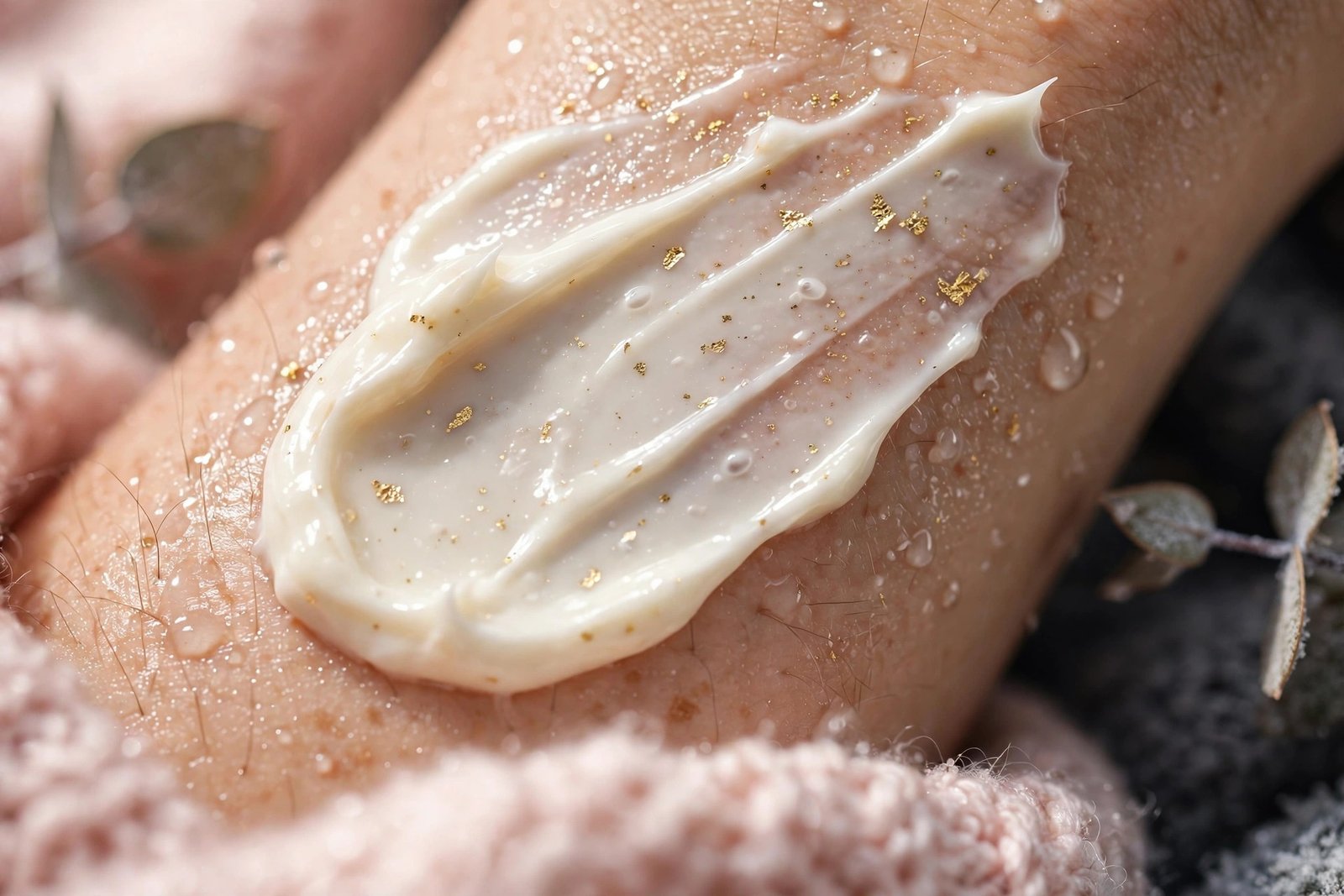
How Winter Damages Your Skin Barrier
The skin barrier — the outermost layer of the epidermis, made of skin cells stacked like bricks with lipids (ceramides, cholesterol, fatty acids) as the mortar — keeps moisture in and irritants out. Winter attacks it from three directions at once:
Cold air holds less moisture
Cold air is physically drier than warm air. When humidity drops, water evaporates from the skin’s surface faster than the barrier can hold it in — a process called transepidermal water loss (TEWL). Dermatologists consistently point to low winter humidity as the primary driver of seasonal dryness. Your barrier is essentially being asked to do its job with the conditions stacked against it.
Wind physically strips the barrier
Wind does not just feel harsh — it accelerates moisture loss and can cause micro-irritation to the skin’s surface. Repeated wind exposure (commutes, winter sports, even brisk walks) wears down the lipid layer, leaving skin raw, red, and reactive. This is the mechanism behind “windburn,” which is really barrier disruption wearing a winter coat.
Indoor heating is the silent culprit
Here is the one people underestimate. Forced-air heating, fireplaces, and space heaters create warm, extremely dry indoor air — often drier than the air outside. You spend most of winter indoors, which means most of winter your skin is sitting in a moisture vacuum. Sleeping with the heat blasting all night is eight hours of continuous dehydration.
Add hot showers (which strip natural oils), heavy occlusive-free routines, and the tendency to keep using summer-strength actives, and you have a perfect storm for barrier damage.
Signs Your Winter Barrier Is Compromised
Normal seasonal dryness and barrier damage overlap, but barrier damage has telltale signs:
- Tightness right after cleansing — skin feels squeaky or “too clean” within minutes of washing, even with a gentle cleanser
- Stinging or burning — products that never bothered you before (vitamin C, even moisturizer) suddenly sting on application
- Flaking and rough texture — dry patches around the nose, mouth, and eyebrows that exfoliation doesn’t fix (and usually makes worse)
- Increased redness and reactivity — skin flushes easily, looks blotchy, or develops small rough bumps
- Makeup misbehaving — foundation pills, clings to dry patches, or breaks apart by midday
- Breakouts alongside dryness — a damaged barrier lets bacteria in more easily, so winter breakouts on dry, flaky skin are a classic sign
If two or more of these sound familiar, your routine needs a winter overhaul — not stronger products, but kinder ones.
The Winter Skin Barrier Repair Routine, Step by Step
This routine is designed for morning and evening use through the cold months. The principle is simple: cleanse gently, hydrate in layers, seal everything in, and protect. Every step either adds moisture, supports the barrier’s lipid structure, or locks the previous steps in place.
Step 1: Gentle cleanser (the foundation of everything)
Harsh cleansing is the fastest way to wreck a winter barrier. Switch to a creamy, milky, or balm cleanser with a pH near skin’s natural ~5.5. Look for the words “hydrating,” “cream,” or “milk” — and avoid anything that foams aggressively or leaves skin feeling tight.
Morning: If your skin is very dry, a lukewarm water rinse is enough — no cleanser needed. If you are oily or wore heavy occlusives overnight, use the gentle cleanser.
Evening: Double cleanse only if you wore sunscreen and makeup: an oil or balm first, then the gentle cream cleanser. Otherwise, one round of the gentle cleanser is plenty. Keep water lukewarm — hot water strips lipids fast.
Step 2: Hydrating toner or essence
Onto damp skin (this matters — humectants pull water from wherever they can find it, and damp skin gives them water to grab instead of stealing it from deeper layers), press in a hydrating toner or essence. Look for glycerin, hyaluronic acid, beta-glucan, or aloe. This step is pure water-weight hydration, and it makes everything layered on top absorb better.
For a deeper explainer on getting the most from this ingredient class, see how to use hyaluronic acid serum.
Step 3: Barrier-supporting serum
This is the treatment step — where you actively feed the barrier what winter depletes. The star ingredients:
- Ceramides — the headline act. These are the actual lipids your barrier is made of; applying them topically helps replenish the “mortar.” Look for ceramide NP, AP, and EOP on the ingredient list.
- Niacinamide (vitamin B3) — supports ceramide production in the skin itself, calms redness, and strengthens the barrier over time. 4–5% is the sweet spot for barrier support without irritation.
- Squalane — a lightweight, non-comedogenic oil that mimics skin’s natural sebum and reinforces the lipid layer without heaviness.
- Centella asiatica (cica) — calms the redness and reactivity that come with barrier disruption.
One well-formulated serum covering two or three of these beats a shelf of overlapping actives. In winter, less is more.
Step 4: Rich moisturizer
Winter is the time to shelve the lightweight gel moisturizer and reach for a cream — ideally one with ceramides, cholesterol, and fatty acids in roughly the ratio skin uses naturally (often marketed as “barrier creams” or “dermatologist-recommended moisturizers”). The texture should feel substantial but not suffocating. Apply while the serum is still slightly tacky to lock it in.
Dry and very dry skin types may want to apply moisturizer twice — a thin first layer, let it sink for a minute, then a second layer on the driest zones (cheeks, around the mouth).
Step 5: Occlusive layer (evening)
This is the step most people skip and the one that makes the biggest difference. An occlusive — a thin layer of petrolatum, a balm, or a facial oil — sits on top of everything and physically blocks moisture from escaping overnight. Dermatologists have recommended this “slugging-adjacent” technique for decades; it is simply physics.
A pea-sized amount of plain petrolatum or a ceramide balm pressed over your moisturizer on the driest areas (or the whole face if you are very dry) can transform overnight recovery. It looks glossy going to bed and absorbs by morning. Oily or acne-prone skin: keep the occlusive to the cheeks and drier zones, skipping the T-zone.
Step 6: SPF — yes, even in winter
UV radiation does not take the season off. Up to 80% of UV rays penetrate clouds, and snow reflects UV back up at your face, effectively double-dosing exposed skin. UV damage degrades the barrier’s lipids and collagen alike. A broad-spectrum SPF 30+ every morning, applied as the final step, is non-negotiable year-round — winter included. Choose a moisturizing formula so it doubles as an extra hydration layer rather than a drying one.
Ingredients to Look For (Winter Barrier Shopping List)
When reading labels this season, prioritize:
- Ceramides (NP, AP, EOP) — rebuild the lipid mortar
- Cholesterol and fatty acids — the other two structural lipids; best alongside ceramides
- Glycerin — the workhorse humectant, effective in all humidities
- Hyaluronic acid — excellent when layered under moisturizer on damp skin; used alone in dry air it can backfire
- Niacinamide — barrier strength + redness reduction
- Squalane and jojoba oil — barrier-friendly lipids that won’t clog most skin
- Colloidal oatmeal — calms itching and irritation, great for reactive winter skin
- Panthenol (pro-vitamin B5) — soothes and supports barrier recovery
For help decoding any unfamiliar ingredient names, the skincare ingredients guide breaks down what each common ingredient actually does.
Ingredients to Pause in Winter
This is not about “bad” ingredients — it is about timing. These are effective ingredients that become risky when the barrier is already under seasonal stress:
- Strong retinoids (tretinoin, high-strength retinol): Retinoids increase cell turnover, which temporarily thins the barrier’s defenses. In winter, consider dropping to a lower strength, reducing frequency to 1–2 nights per week, or pausing entirely until spring — buffering over moisturizer also helps if you continue.
- High-percentage AHAs (glycolic, lactic above ~10%) and frequent exfoliation: Acids dissolve the bonds between surface cells — exactly what you don’t want when the barrier is fragile. Cut back to once a week or less, or switch to a gentle PHA.
- Benzoyl peroxide and strong acne treatments: These are inherently drying. If you need them, use as short-contact spot treatments rather than all-over layers.
- Astringent toners and witch hazel: Alcohol-based toners strip lipids. Swap for the hydrating toner in the routine above.
- Fragrance-heavy products: Fragrance (including many essential oils) is a common irritant for compromised barriers. Winter is a good season to go fragrance-free.
None of this means abandoning active ingredients forever — it means respecting the season. Spring will be here soon enough.
The Humidifier Tip (Dermatologist-Approved and Underrated)
If you do one non-product thing this winter, make it this: run a humidifier in your bedroom. Dermatologists routinely recommend it because it addresses the root cause — dry indoor air — rather than just treating the symptoms. Raising bedroom humidity to 40–60% gives your barrier eight hours of recovery-friendly air every night, and it amplifies every hydrating product in your routine (humectants perform dramatically better when the air isn’t bone-dry). Cool-mist models are safest; clean them regularly per the manufacturer’s instructions to prevent microbial buildup.
Lifestyle Factors That Affect Your Winter Barrier
Products do the heavy lifting, but these habits move the needle too:
- Shorter, cooler showers: Keep showers under 10 minutes and turn the temperature down from scalding to comfortably warm. Hot water is one of the fastest lipid-strippers there is.
- Hydrate from the inside: It won’t single-handedly fix dry skin, but adequate water intake supports overall skin function — and winter’s dry air increases insensible water loss all day.
- Omega-rich foods: Fatty fish, walnuts, and flaxseed provide the building blocks for healthy skin lipids. A balanced diet shows up in the barrier.
- Don’t skip the lips and hands: These areas have thinner barriers and fewer oil glands — they crack first. Keep a balm and hand cream within reach and reapply through the day.
- Protect exposed skin outdoors: A scarf over the lower face on windy days is legitimate skincare — it physically shields the barrier from wind-stripping.
- Wash with care: If you wash your hands frequently, follow with hand cream every time; cracked hands are barrier damage too.
Sample Routines: Putting It All Together
Morning:
1. Lukewarm rinse (or gentle cream cleanser)
2. Hydrating toner on damp skin
3. Niacinamide or ceramide serum
4. Rich ceramide moisturizer
5. SPF 30+ (moisturizing formula)
Evening:
1. Balm/oil cleanse if wearing SPF/makeup, then gentle cream cleanser
2. Hydrating toner on damp skin
3. Ceramide or squalane serum
4. Rich moisturizer (double-layer on dry zones)
5. Thin occlusive layer on driest areas
Weekly: One gentle exfoliation at most (PHA or enzyme, not a scrub), and only if skin isn’t actively irritated. If it stings, skip it — that is the barrier telling you to wait.
When to See a Dermatologist
Most winter barrier issues resolve with the routine above within 2–4 weeks. See a dermatologist if you experience cracking or bleeding skin, eczema flare-ups that don’t respond to gentle care, persistent burning or swelling, or any rash that spreads. Prescription barrier creams and targeted treatments exist for a reason — there is no prize for toughing out skin that needs medical help.
Key Takeaways
- Winter attacks the barrier three ways: dry cold air, wind-stripping, and moisture-vacuuming indoor heating.
- Warning signs: tightness after cleansing, stinging from familiar products, flaking, redness, and makeup that suddenly misbehaves.
- The routine: gentle cream cleanser → hydrating toner on damp skin → ceramide/niacinamide serum → rich moisturizer → occlusive layer at night → SPF 30+ every morning, even in winter.
- Prioritize ceramides, cholesterol, fatty acids, glycerin, niacinamide, and squalane; pause strong retinoids, high-% acids, and astringent toners until the season turns.
- Run a bedroom humidifier at 40–60% humidity — it treats the cause (dry air), not just the symptoms.
- Shorter, cooler showers, scarves on windy days, and lip/hand balm round out the defense.
Frequently Asked Questions
How long does it take to repair the skin barrier in winter?
With a consistent gentle routine, most people notice improvement in tightness and stinging within 1–2 weeks, and significant barrier recovery within 3–4 weeks. Deep winter dryness may need ongoing maintenance all season — think of it as protection plus repair, not a one-time fix.
Should I exfoliate in winter?
Less often and more gently. Drop to once a week at most with a mild PHA or enzyme exfoliant, and skip it entirely while skin is actively irritated or stinging. Over-exfoliation is one of the most common causes of winter barrier damage.
Is hyaluronic acid good for winter skin?
Yes, with a caveat: always apply it to damp skin and seal it under moisturizer. In very dry air, hyaluronic acid applied to dry, unsealed skin can draw moisture out of the skin instead of into it. Layered correctly, it is one of winter’s best hydrators.
Do I really need sunscreen in winter?
Yes. UV rays penetrate clouds, snow reflects them back at your face, and UV degrades the barrier lipids you’re working to rebuild. A moisturizing SPF 30+ every morning protects the repair work the rest of your routine is doing.
Can I still use retinol in winter?
You can, but scale it back: lower strength, 1–2 nights per week, buffered over moisturizer — and pause it if your barrier shows damage signs (stinging, flaking, redness). Many people find winter is the right season for a retinoid break, resuming in spring.
Love this? Pin it for later!