Skincare Routine for Teens: A Simple, Safe 3-Step Guide That Actually Works
If you’re a teen (or the parent of one), you’ve probably been bombarded with skincare advice — 10-step routines on TikTok, expensive serums pushed by influencers, and products promising “glass skin” overnight. Here’s the truth most of those videos won’t tell you: a good skincare routine for teens needs just three basic steps.
Teen skin is unique. Hormones are shifting, oil glands are working overtime, and breakouts are completely normal. That means teen skincare shouldn’t look like adult skincare — it should be simpler, gentler, and focused on consistency rather than a long list of products. In this guide, you’ll get a dermatologist-aligned, parent-approved morning and evening routine, a clear list of what teen skin does not need, and honest answers about the trends you can safely ignore.
Whether you’re 13 or 19, starting your first routine or helping your teenager build theirs, this simple plan is all it takes to keep skin healthy, balanced, and comfortable.
Key Takeaways
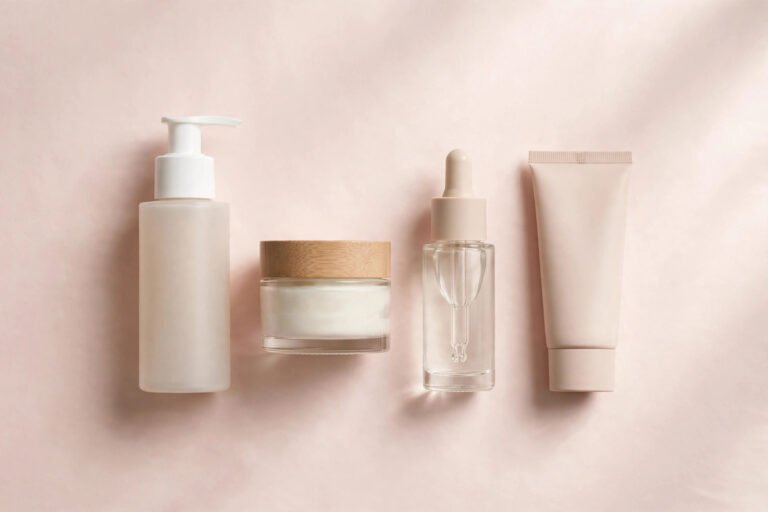
- A skincare routine for teens only needs 3 steps: gentle cleanser, lightweight moisturizer, and sunscreen (AM) or cleanser and moisturizer (PM).
- Teens do NOT need retinol, strong acids, vitamin C serums, or 10-step routines — these can damage young skin.
- Acne and oiliness during the teen years are completely normal and driven by hormones.
- Gentle, consistent habits beat expensive products every time.
- Parents: look for “non-comedogenic,” “fragrance-free,” and “oil-free” on labels.
- Involve a parent or dermatologist before trying any active ingredient like salicylic acid or benzoyl peroxide.
- Always introduce new products one at a time and give each one 2–3 weeks before judging it.
Why Teen Skin Needs Its Own Approach
Adult skincare advice doesn’t automatically apply to teens. During puberty, surging hormones (especially androgens) tell the skin’s oil glands to produce more sebum. That’s why so many teens deal with shiny T-zones, clogged pores, and breakouts — it’s biology, not a personal failure.
Because teen skin is already producing plenty of oil and turning over cells quickly, it doesn’t need the heavy-duty anti-aging ingredients adults reach for. Products with retinol, strong glycolic acid peels, or high-strength vitamin C are designed for skin concerns like fine lines and sun damage — things teen skin doesn’t have yet. Using them too early can strip the skin’s natural barrier, causing redness, irritation, peeling, and even more breakouts.
The goal of a teen routine is simple: keep skin clean, hydrated, and protected from the sun. That’s it. Everything else is optional — and most of the “extras” are better left for later.
The Morning Routine: 3 Steps, 5 Minutes
Morning routines should be quick. You’re getting ready for school, and the priorities are removing overnight oil and protecting your skin for the day ahead.
Step 1: Gentle Cleanser
Wash your face with a mild, low-pH cleanser using lukewarm water. Choose a formula labeled “gentle,” “for sensitive skin,” or “fragrance-free.” Avoid harsh foaming cleansers with sulfates and — importantly — avoid physical scrubs with beads or gritty particles, which can scratch and irritate young skin.
Use your fingertips, not a washcloth, and massage gently for about 30–60 seconds. If your skin feels tight or squeaky afterward, your cleanser is too harsh — switch to something milder. For help picking one, see our guide on choosing a [gentle cleanser for sensitive skin → best-cleanser-for-sensitive-skin].
Step 2: Lightweight Moisturizer
Yes, oily skin needs moisturizer too. When you skip moisturizer, skin can overcompensate by producing even more oil. Look for a lightweight, non-comedogenic (won’t clog pores) formula — gel or gel-cream textures work well for most teens. Apply a pea-sized amount to slightly damp skin. We break down the best options by formula type in our roundup of the [best moisturizer for teen skin → best-moisturizer-for-teen-skin].
Step 3: Sunscreen (The Non-Negotiable Step)
Sunscreen is the single most important step in any routine, at any age. UV damage accumulates over a lifetime, and habits built now pay off for decades. Choose a broad-spectrum SPF 30 or higher. For teens, lightweight formulas that don’t leave a white cast are key — nobody wants to look ashy at school. See our breakdown of teen-friendly SPF options in [best sunscreen for teenagers → best-sunscreen-for-teenagers].
Order tip: Sunscreen always goes last in the morning, after moisturizer. If you wear makeup, sunscreen goes on before it.
The Evening Routine: Cleanse and Moisturize
Nighttime is when skin rests and repairs, so the evening routine is about removing the day and keeping skin comfortable while you sleep.
Step 1: Cleanser (Same Gentle One)
Use the same gentle cleanser from your morning routine. If you wore sunscreen (you should have!) or makeup, one thorough cleanse is usually enough for teens — double cleansing is an extra step most teens don’t need. Massage for 60 seconds, rinse with lukewarm water, and pat dry with a clean towel.
Step 2: Moisturizer (Same Lightweight One)
Apply the same moisturizer from the morning. That’s it — no night cream, no retinol, no sleeping mask needed. If your skin is on the dry side, you can use a slightly richer cream at night, but most teens do fine with their daytime moisturizer.
What about a toner? Toners are optional. If you enjoy one, pick an alcohol-free, hydrating formula — never an astringent or “pore-tightening” toner, which can be drying and irritating.
Treating Acne Gently (Without Panicking)
Breakouts during the teen years are extremely common — the vast majority of teens experience acne at some point. It’s driven by hormones, and it doesn’t mean your routine is failing.
For mild breakouts (a few whiteheads or blackheads), gentle over-the-counter options can help:
– Salicylic acid (0.5–2%): An oil-soluble ingredient that helps unclog pores. Best in a cleanser or as a spot treatment a few times a week.
– Benzoyl peroxide (2.5–5%): Effective against acne-causing bacteria. Start with the lowest strength, as higher percentages can dry and irritate skin.
– Pimple patches: Hydrocolloid patches that protect a blemish and absorb fluid — great for teens because they stop the urge to pick.
Golden rule: introduce only one new active at a time and use it for at least 2–3 weeks before adding anything else. Layering multiple acne treatments at once is a fast track to red, flaky, irritated skin. For a deeper dive, read our full guide on [how to treat teenage acne → how-to-treat-teenage-acne].
Important for parents and teens: If acne is painful, covers a large area, leaves scars or dark marks, or affects confidence significantly, that’s a sign to see a dermatologist rather than trying more drugstore products. A doctor can prescribe safe, effective treatments tailored to your skin.
What Teen Skin Does NOT Need
This list is just as important as the routine itself. Save your money — and your skin barrier — by skipping these:
- Retinol or retinoids: Designed for aging skin and prescribed for certain acne cases. Young teens should not use these without a dermatologist’s guidance.
- Strong chemical peels: High-strength glycolic, TCA, or “peeling solution” products are far too aggressive for teen skin and can cause burns and lasting damage.
- Vitamin C serums and antioxidant cocktails: Unnecessary for teens and a common source of irritation.
- Physical exfoliating scrubs: Gritty scrubs create micro-tears and worsen breakouts.
- Pore strips: They can damage skin and dilate pores over time.
- 10-step routines: Layering many products increases the risk of reactions and makes it impossible to tell what’s working.
- DIY TikTok treatments: Lemon juice, baking soda, toothpaste on pimples, and undiluted essential oils can burn or sensitize skin. Trends come and go; your skin barrier stays.
If you want the full rundown, our list of [skincare mistakes teens should avoid → skincare-mistakes-teens-should-avoid] covers these traps in detail.
Choosing Products on a Budget
Good teen skincare doesn’t have to be expensive. In fact, many of the most dermatologist-recommended products for teens are affordable drugstore staples. When shopping:
- Read the label, not the marketing. Look for “non-comedogenic,” “oil-free,” “fragrance-free,” and “for sensitive skin.”
- Fewer ingredients = fewer risks. Simple formulas are easier on teen skin.
- Patch test new products. Apply a small amount behind your ear or on your jawline for 2–3 days before using it all over your face.
- Ask a parent for help. Teens should involve a parent or guardian when buying skincare — especially anything with active ingredients. If you’re not sure about a product, show it to a pharmacist or dermatologist.
Building the Habit
The best skincare routine is the one you’ll actually do. Keep products visible in the bathroom, make it part of your morning and bedtime routine, and give it time — skin improvements take 4–8 weeks to show. Consistency with three gentle steps will always beat an elaborate routine you abandon after a week.
And remember: acne, oiliness, and the occasional breakout are normal parts of being a teenager. Healthy skin isn’t perfect skin — it’s skin that’s clean, comfortable, and protected.
Know Your Teen Skin Type
Not all teen skin is the same, and picking the right product textures starts with knowing which type you’re working with. Here’s a quick at-home test: wash your face with a gentle cleanser, wait an hour without applying anything, then observe.
- Oily: Shine across the forehead, nose, and chin (and often the cheeks too). Pores look larger, and blotting papers pick up oil by midday. This is the most common teen skin type.
- Combination: Oily T-zone but normal or slightly dry cheeks. The most common pattern overall in teens.
- Dry: Feels tight after washing, may flake around the nose and eyebrows, rarely looks shiny. Less common in teens but happens — especially in winter or after harsh acne treatments.
- Sensitive: Reacts easily — redness, stinging, or itching from fragranced products or strong actives. Sensitive teens should be extra strict about fragrance-free, minimal-ingredient formulas.
Most teens are oily or combination, which is why lightweight gel textures are the default recommendation throughout this guide. But if your teen’s skin is dry or sensitive, don’t force oil-control products on it — match the texture to the skin, not to the stereotype. And skin type can shift with seasons, stress, and age, so reassess every few months rather than locking in one product forever.
Signs Your Routine Is Working (and When to Tweak It)
Patience is hard when you’re a teenager staring at a breakout, but skin operates on its own timeline. Here’s what realistic progress looks like:
Good signs (weeks 2–4): Less midday shine, skin feels comfortable (not tight or greasy), fewer new breakouts forming. Existing blemishes still need time to heal — that’s normal.
Good signs (weeks 4–8): Noticeably calmer skin, old marks beginning to fade (especially with daily sunscreen), and a routine that feels automatic rather than a chore.
Signs something needs to change: Persistent stinging, new redness, flaking, or breakouts in areas that were previously clear — these suggest a product is too harsh or a new addition isn’t agreeing with your skin. The fix is almost always to simplify: drop back to the gentlest versions of the three steps for two weeks, then reintroduce carefully.
One adjustment at a time is the golden rule. If you change the cleanser, moisturizer, and add an acne treatment all in the same week and things go wrong, you’ll have no idea which change caused it.
A Note for Parents
If you’re a parent reading this alongside your teen, your role matters more than any product. Acne and skin changes can hit a teenager’s confidence hard, and dismissive comments — even well-meaning ones about “just washing your face” — tend to make things worse. The most helpful thing you can do is keep it low-pressure: help them pick three basic products, resist the urge to load their shelf with your own actives, and treat dermatologist visits as normal healthcare rather than a last resort.
It’s also worth knowing what’s genuinely not appropriate for young teens. Prescription retinoids, chemical peels, and high-strength acid products belong under a dermatologist’s supervision, not in a middle-schooler’s routine. If your teen is asking for products they saw on social media, read the ingredient list together before buying — it’s a great way to teach them that marketing and suitability are very different things. A calm, simple approach now builds skincare habits (and self-image) that last well beyond the teenage years.
Frequently Asked Questions
Can teens use face masks?
Occasional gentle masks are fine but unnecessary. If a teen enjoys them, a simple hydrating sheet mask once a week is harmless fun. What’s not fine: harsh clay masks used aggressively, DIY kitchen-ingredient masks, or “peel-off” masks that tug at the skin. Masks are a treat, not a treatment — they don’t replace the daily routine.
At what age should a teen start a skincare routine?
There’s no magic age, but most dermatologists agree that starting a basic routine around puberty (roughly ages 11–13) is sensible — whenever oiliness or breakouts begin. Start with just a gentle cleanser and moisturizer, and add sunscreen when spending time outdoors. Keep it minimal and add steps only if a specific need arises.
Should teens use toner?
Toner is optional. If a teen wants one, an alcohol-free hydrating toner is fine, but it’s not necessary for healthy skin. The three core steps (cleanser, moisturizer, sunscreen) matter far more. Astringent toners marketed for “tightening pores” should be avoided, as they can strip and irritate young skin.
Can a teen use their parent’s skincare products?
Generally, no. Adult products often contain retinoids, strong acids, or rich anti-aging formulas that are too potent for teen skin. Sharing a gentle cleanser or a basic moisturizer is usually fine, but teens should have their own simple products rather than borrowing from an adult routine.
How long does it take to see results from a new routine?
Skin cell turnover takes about 28 days, so give any new routine at least 4–6 weeks before judging it. Some people notice less oiliness and fewer new breakouts within 2–3 weeks. If things get worse — more redness, burning, or widespread breakouts — stop the newest product and simplify.
Should teens with dry skin use a different routine?
The same 3 steps apply, but the products change. Teens with dry skin should pick a creamier, hydrating cleanser (not a foaming one) and a slightly richer moisturizer with ingredients like ceramides or glycerin. Harsh acne products should be used sparingly, if at all, since they can worsen dryness.
Is it safe for teens to use acne products with salicylic acid or benzoyl peroxide?
Yes, in low strengths and with adult guidance. Salicylic acid at 0.5–2% and benzoyl peroxide at 2.5–5% are widely available over the counter and commonly recommended for teen acne. Start with one product, use it as directed (not more), and stop if significant irritation occurs. For anything stronger or prescription, see a dermatologist.
Starting simple is the smartest move in teen skincare — and if you’re ready to go deeper on specific concerns, explore our guides on [gentle teenage acne treatments → how-to-treat-teenage-acne], choosing the [best moisturizer for teen skin → best-moisturizer-for-teen-skin], and teen-friendly options in our [best sunscreen for teenagers → best-sunscreen-for-teenagers] roundup. You can also compare this routine with a general [beginner’s step-by-step skincare routine → skincare-routine-for-beginners-step-by-step] if you’re just starting out.
gentle teenage acne treatments
best moisturizer for teen skin
best sunscreen for teenagers
skincare mistakes teens should avoid
beginner’s step-by-step skincare routine
gentle cleanser for sensitive skin
Love this? Pin it for later!