How to Treat Teenage Acne: A Gentle, No-Panic Guide for Teens and Parents
First things first: if you’re dealing with breakouts as a teenager, you’re not doing anything wrong. Around 85% of teens experience acne at some point — it’s one of the most normal things that happens during puberty. Your hormones are shifting, your oil glands are in overdrive, and your skin is still figuring itself out.
That said, knowing how to treat teenage acne the right way can make a real difference: fewer breakouts, less redness, and far less frustration. The key word is gentle. The biggest mistake teens make isn’t doing too little — it’s doing too much, too fast, with products that are too harsh.
This guide walks you through what actually causes teen acne, the gentle treatments that work, the common mistakes that make things worse, and — just as important — when it’s time to stop experimenting and see a dermatologist. It pairs perfectly with our foundational [skincare routine for teens → skincare-routine-for-teens], which covers the daily basics every teen needs.
Key Takeaways
- Teenage acne is caused by hormonal changes that increase oil production and clogged pores — it’s normal and very common.
- Gentle treatments like low-strength salicylic acid, benzoyl peroxide, and pimple patches are effective for mild-to-moderate acne.
- More is not better: one active ingredient at a time, used consistently, beats layering several harsh products.
- Never pick, squeeze, or scrub breakouts — it causes scarring and spreads bacteria.
- Toothpaste, lemon juice, and other DIY “hacks” don’t work and can damage skin.
- See a dermatologist if acne is painful, widespread, leaving scars, or hurting your confidence.
- Expect 6–8 weeks of consistent use before judging whether a treatment works.
What Causes Teenage Acne?
Acne starts when four things happen inside a pore: excess oil (sebum) is produced, dead skin cells don’t shed properly, bacteria multiply, and inflammation kicks in. In teenagers, the trigger for all of this is usually hormones — particularly androgens, which surge during puberty for everyone, regardless of gender.
This is why teen acne often shows up in the T-zone (forehead, nose, chin) and sometimes on the cheeks, chest, and back. It’s also why breakouts can feel unpredictable: hormone levels fluctuate, and things like stress, lack of sleep, and not washing sweat off after sports can all play a role.
What acne is not caused by: dirty skin. You cannot scrub acne away, and over-washing actually makes it worse by irritating the skin and triggering more oil production. Two gentle cleanses a day is the sweet spot.
The Gentle Treatments That Actually Work
For mild to moderate teen acne, over-the-counter options are a great starting point. The trick is choosing low strengths and being patient.
Salicylic Acid (0.5%–2%)
Salicylic acid is a beta-hydroxy acid (BHA) that dissolves inside pores, helping to clear the oil and dead skin that cause blackheads and whiteheads. For teens, it’s one of the best first-line options because it’s effective but generally well tolerated.
How to use it: Look for it in a cleanser (used once daily) or as a spot treatment applied only to blemishes a few times per week. Cleansers are often the gentlest starting point since the ingredient rinses off.
Benzoyl Peroxide (2.5%–5%)
Benzoyl peroxide kills acne-causing bacteria and helps prevent new breakouts. The key for teens: stick to low strengths. Studies show 2.5% is nearly as effective as higher concentrations, with far less dryness and irritation. It can bleach towels and pillowcases, so use white linens while you’re using it.
How to use it: Start with a 2.5% gel or cream, applied as a thin layer to breakout-prone areas (not the whole face at first) every other night. If your skin tolerates it, move to nightly use.
Pimple Patches
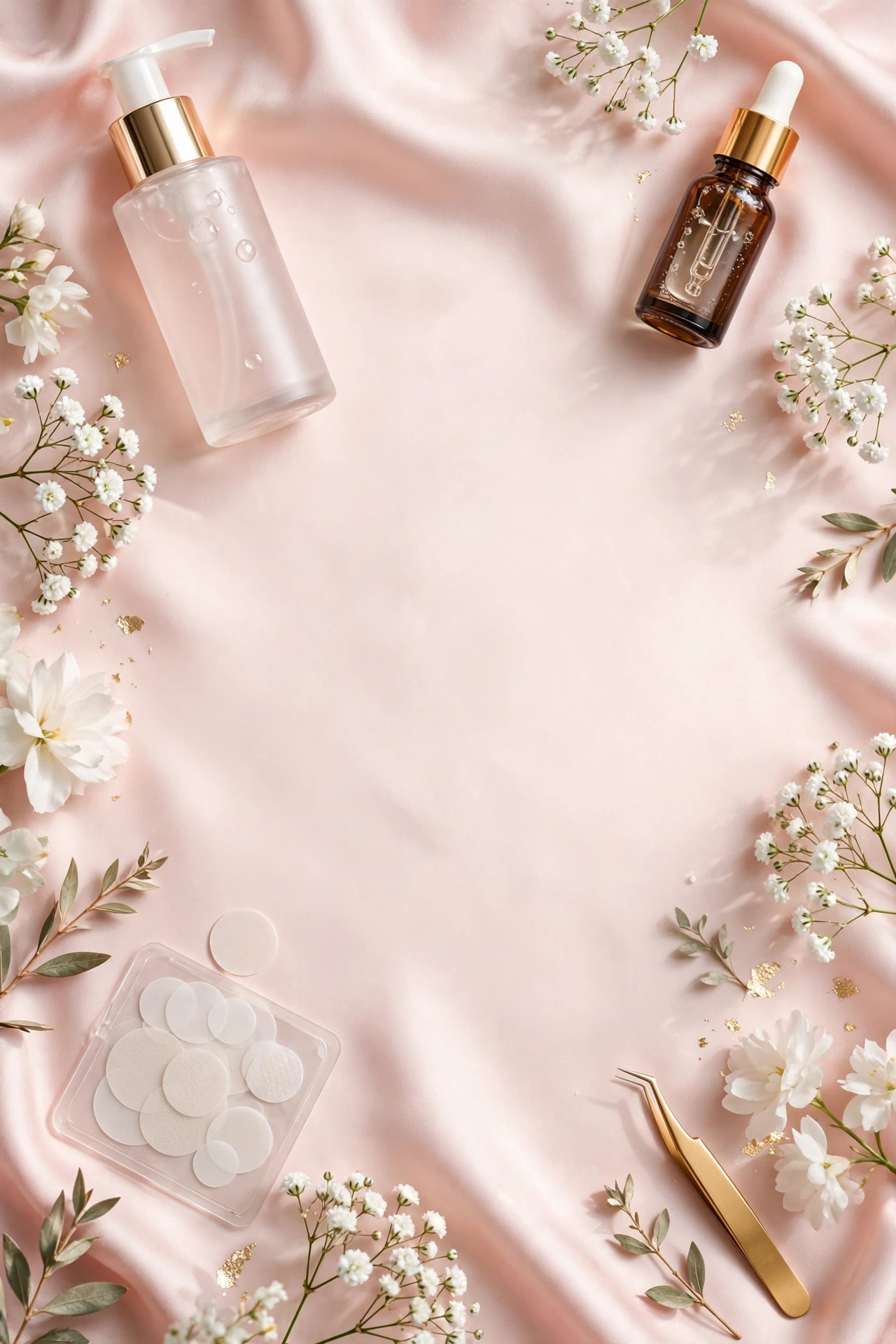
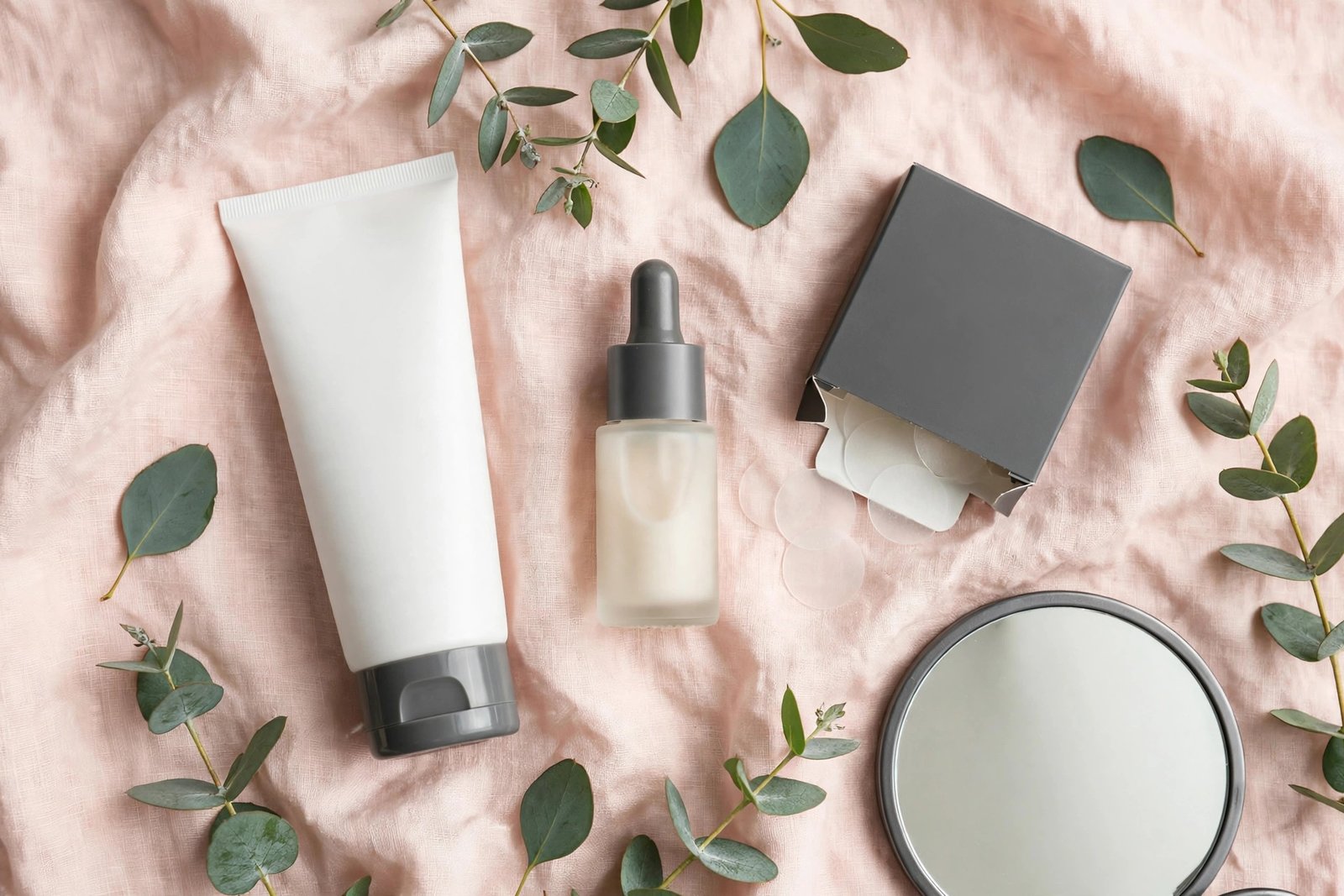
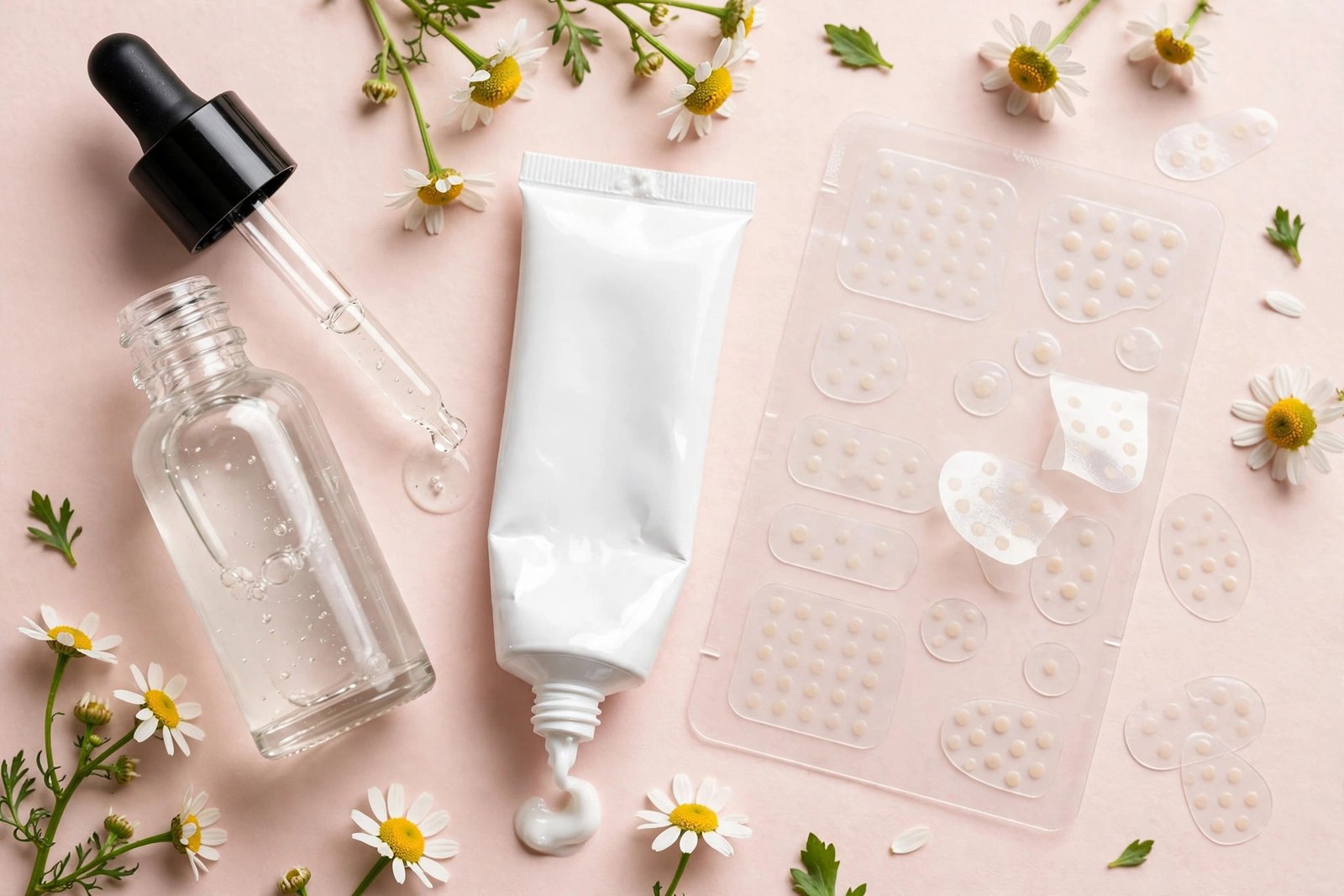
Hydrocolloid patches are a teen favorite for good reason: they protect a blemish, absorb fluid, and — most importantly — create a physical barrier that stops you from touching or picking at it. They’re ideal for whiteheads that have come to a head. Apply to clean, dry skin and leave on for several hours or overnight.
Adapalene (Differin) — With Adult Guidance
Adapalene is a gentle topical retinoid available over the counter in many countries and commonly recommended by dermatologists for teen acne. Unlike the prescription-strength retinoids used for anti-aging, adapalene at 0.1% is specifically studied for acne in teens. However, because it is a retinoid, a teen should only start it with a parent’s involvement and ideally a dermatologist’s or pharmacist’s guidance. It can cause initial dryness and purging, so it requires patience and a good moisturizer.
What NOT to Do (The Mistakes That Make Acne Worse)
Some habits feel productive but actively set your skin back:
- Picking and squeezing. Every squeeze risks pushing bacteria deeper, causing inflammation, dark marks, and permanent scars. Pimple patches exist precisely to break this habit.
- Harsh physical scrubs. Gritty exfoliants scratch the skin’s surface and inflame active breakouts. Chemical exfoliants (like the salicylic acid above) do the job far more gently.
- Toothpaste on pimples. Despite the viral claims, toothpaste contains ingredients like menthol, fluoride, and sodium lauryl sulfate that burn and irritate skin without treating the actual cause of the pimple.
- Lemon juice, baking soda, or undiluted essential oils. These DIY “remedies” disrupt the skin’s pH or cause chemical burns. They trend on social media; they don’t work in real life.
- Layering multiple actives at once. Using salicylic acid and benzoyl peroxide and a scrub and a peel in the same week is a recipe for a damaged skin barrier — red, flaky, stinging skin that breaks out even more.
- Skipping moisturizer and sunscreen. Drying out acne-prone skin backfires. Keep using a lightweight [non-comedogenic moisturizer → best-moisturizer-for-teen-skin] and daily SPF.
We cover these traps (and more) in our roundup of [skincare mistakes teens should avoid → skincare-mistakes-teens-should-avoid].
A Simple Acne-Fighting Routine
You don’t need a separate, complicated routine — just thoughtful tweaks to the basics:
- Morning: Gentle cleanser, then lightweight moisturizer, then sunscreen.
- Evening: Gentle cleanser (consider a salicylic acid cleanser a few nights a week), then lightweight moisturizer. Add a benzoyl peroxide spot treatment or pimple patch on active blemishes.
- Weekly: That’s it. No weekly peels, no clay mask marathons. Consistency wins.
Introduce any new acne product one at a time, and give it a full 6–8 weeks before deciding whether it works. Skin needs time to adjust, and switching products every week makes it impossible to know what’s helping.
What About Clay Masks and Exfoliating Toners?
Clay masks can be a fun occasional extra for very oily skin — used once a week, they absorb surface oil and can make pores look temporarily tighter. But they’re not a treatment: they don’t prevent acne, and overuse dries out the skin. Exfoliating toners with low-strength acids fall into the same category — optional, not essential. If a teen’s basic routine plus one targeted acne product is working, there’s no need to add either. Simplicity keeps the barrier intact, and an intact barrier is what lets treatments actually work.
Lifestyle Habits That Help (Without Obsessing)
Skincare products do the heavy lifting, but a few simple habits support clearer skin:
- Wash sweat off after sports — don’t sit in a sweaty headband or jersey for hours.
- Change pillowcases 2–3 times a week — oil and bacteria accumulate fast.
- Keep hair products off your face — pomades and heavy oils along the hairline can cause breakouts (“pomade acne”).
- Clean your phone screen regularly — it presses against your cheek all day.
- Don’t overdo dairy or sugar restriction — diet’s role in acne is complex and individual; extreme restriction isn’t a teen-appropriate strategy. Focus on balanced eating and good sleep instead.
- Prioritize sleep and manage stress — poor sleep and chronic stress raise cortisol, which can increase oil production and inflammation. No teen needs a perfect sleep schedule, but consistent bedtimes and real downtime help skin as a side benefit.
None of these replace treatment, but they remove obstacles so your routine can work.
When to See a Dermatologist
Over-the-counter care handles mild acne well, but some situations call for professional help. See a dermatologist if:
- Acne is painful, deep, or cystic (large, tender bumps under the skin).
- Breakouts cover a large area of the face, chest, or back.
- Acne is leaving scars or persistent dark marks.
- You’ve tried gentle OTC treatments consistently for 2–3 months with no improvement.
- Acne is seriously affecting your mood or confidence.
There’s no shame in this — dermatologists treat teen acne every single day, and prescription options (topical retinoids, antibiotics, hormonal treatments where appropriate) can succeed where drugstore products can’t. Parents: framing the visit as routine self-care, like a dental checkup, takes the pressure off.
Frequently Asked Questions
How long does teenage acne last?
It varies. For many teens, acne peaks in the mid-teens and improves in the late teens or early twenties as hormones stabilize. With consistent gentle treatment, most see significant improvement within a few months. There’s no way to rush hormones, but there is a lot you can do to manage breakouts in the meantime.
Should teens pop their pimples?
No. Popping pushes bacteria deeper into the skin, increases inflammation, and raises the risk of scarring and dark marks that last far longer than the pimple itself. If a whitehead is begging for attention, cover it with a hydrocolloid pimple patch instead — it helps it heal faster and keeps your fingers away.
Is benzoyl peroxide safe for teenagers?
Yes, at low strengths (2.5%–5%) and used as directed. It’s one of the most studied acne treatments for teens. Start slowly — every other night — and always pair it with moisturizer, since it can be drying. If you experience significant redness or peeling, cut back or stop and talk to a pharmacist or dermatologist.
Can makeup make teenage acne worse?
Heavy, comedogenic makeup can clog pores, but makeup itself isn’t the enemy. Teens who wear makeup should choose non-comedogenic, oil-free formulas and — crucially — remove it thoroughly every night with a gentle cleanser. Sleeping in makeup is one of the fastest ways to trigger breakouts.
Does diet cause teenage acne?
The link is weaker than the internet suggests. Hormones are the primary driver of teen acne. While some people notice breakouts tied to high-glycemic foods or dairy, the evidence is mixed and individual. Teens should never go on restrictive diets for their skin without medical guidance — balanced nutrition and good sleep matter more.
What’s the difference between purging and a bad reaction?
Purging happens with ingredients that increase cell turnover (like adapalene): existing clogged pores surface faster, usually in areas where you already break out, and it resolves within 4–6 weeks. A bad reaction looks different — new breakouts in unusual areas, plus burning, itching, or widespread redness. When in doubt, stop the product and simplify your routine.
Can teens use retinol for acne?
Teens should not start retinol on their own. While dermatologists sometimes prescribe retinoids (like adapalene or tretinoin) for teen acne, these are medical treatments with specific instructions, side effects, and monitoring — not something to pick up because an influencer recommended it. Over-the-counter retinol products marketed for anti-aging are too strong and unnecessary for young skin. If acne isn’t responding to gentle options, a dermatologist visit is the right next step, not a stronger product from the shelf.
Teenage acne is frustrating, but it’s also temporary and treatable. Start with the gentle basics in our [skincare routine for teens → skincare-routine-for-teens], choose the right lightweight [moisturizer for teen skin → best-moisturizer-for-teen-skin], and steer clear of the common [skincare mistakes teens make → skincare-mistakes-teens-should-avoid]. And remember: clear skin is a journey, not a deadline — be patient with the process and kind to yourself along the way.
skincare routine for teens
moisturizer for teen skin
skincare mistakes teens should avoid
complete guide to getting rid of acne
pimple patches guide
Love this? Pin it for later!