Pimple Patches Guide: How to Use Them for Fast Results
Those little translucent stickers have taken over skincare aisles and social media feeds — but do pimple patches actually work, or are they just satisfying to peel off? The answer: they genuinely work, but only for the right kind of breakout, used the right way.
This guide explains how pimple patches work, which types to choose, the exact steps for best results, and the mistakes that make them useless.
Key Takeaways
- Pimple patches are hydrocolloid dressings that absorb fluid and protect healing pimples — originally developed for wound care.
- They work best on whiteheads and surface pustules with a visible head; they do little for deep cystic bumps or blackheads.
- Apply to clean, dry skin and leave on for 6–8 hours (usually overnight) for best results.
- Medicated patches with added ingredients (salicylic acid, tea tree) may help mildly, but plain hydrocolloid is the proven core.
- Patches also prevent picking — which alone makes them worth keeping on hand.
How Do Pimple Patches Work?
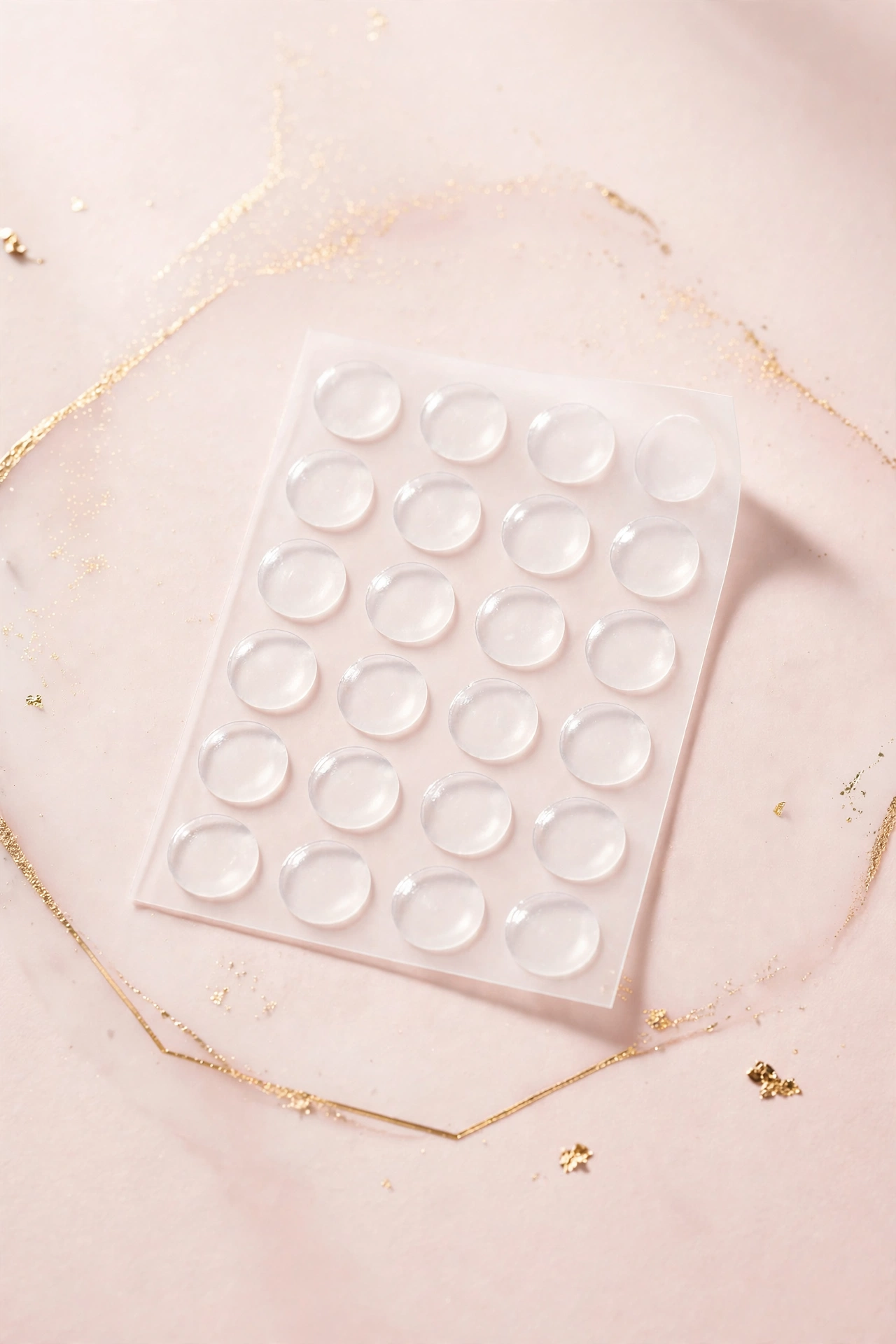
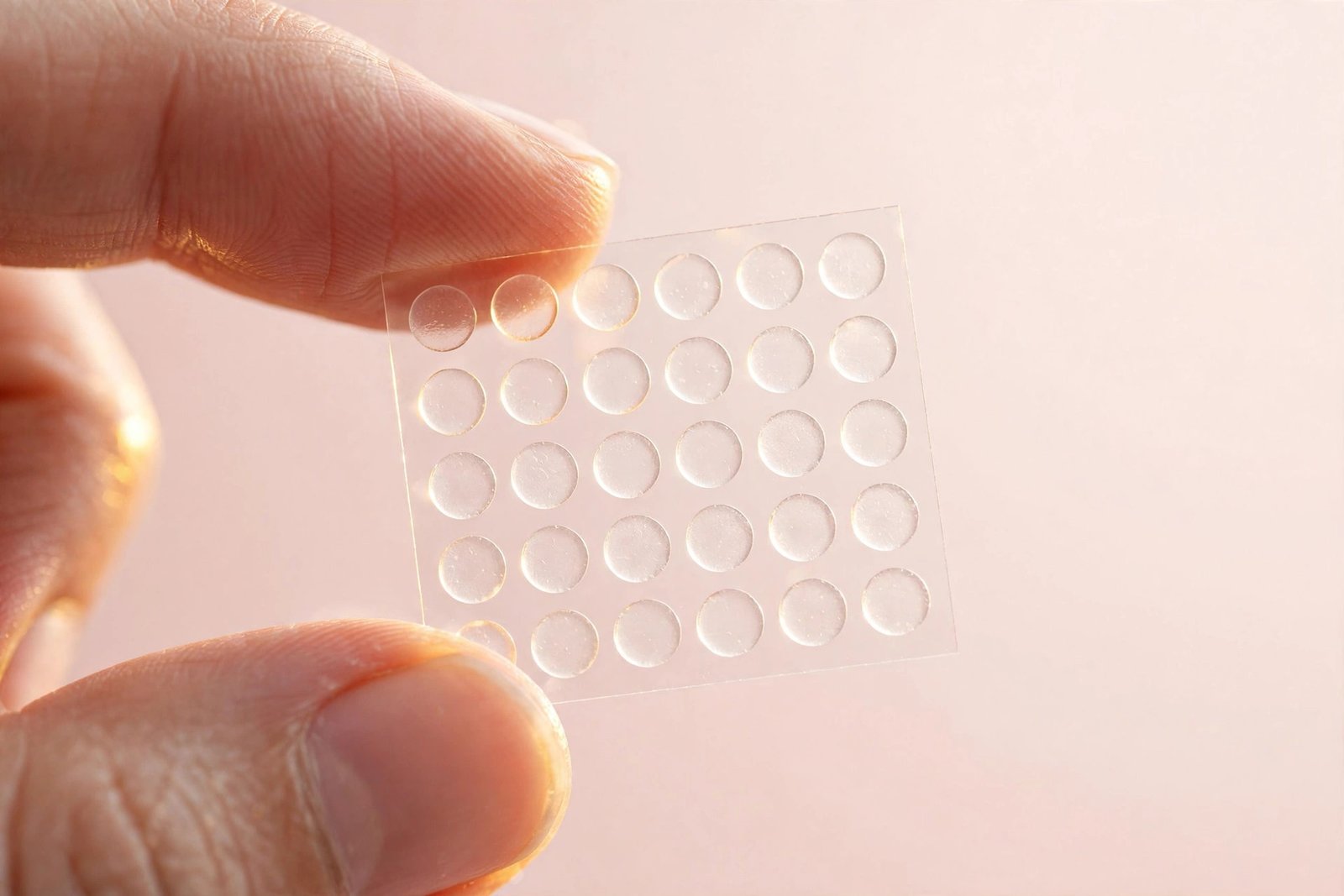
Pimple patches are made of hydrocolloid, a gel-forming material originally used in medical wound dressings. When applied to a pimple, the patch creates a moist, protected environment that:
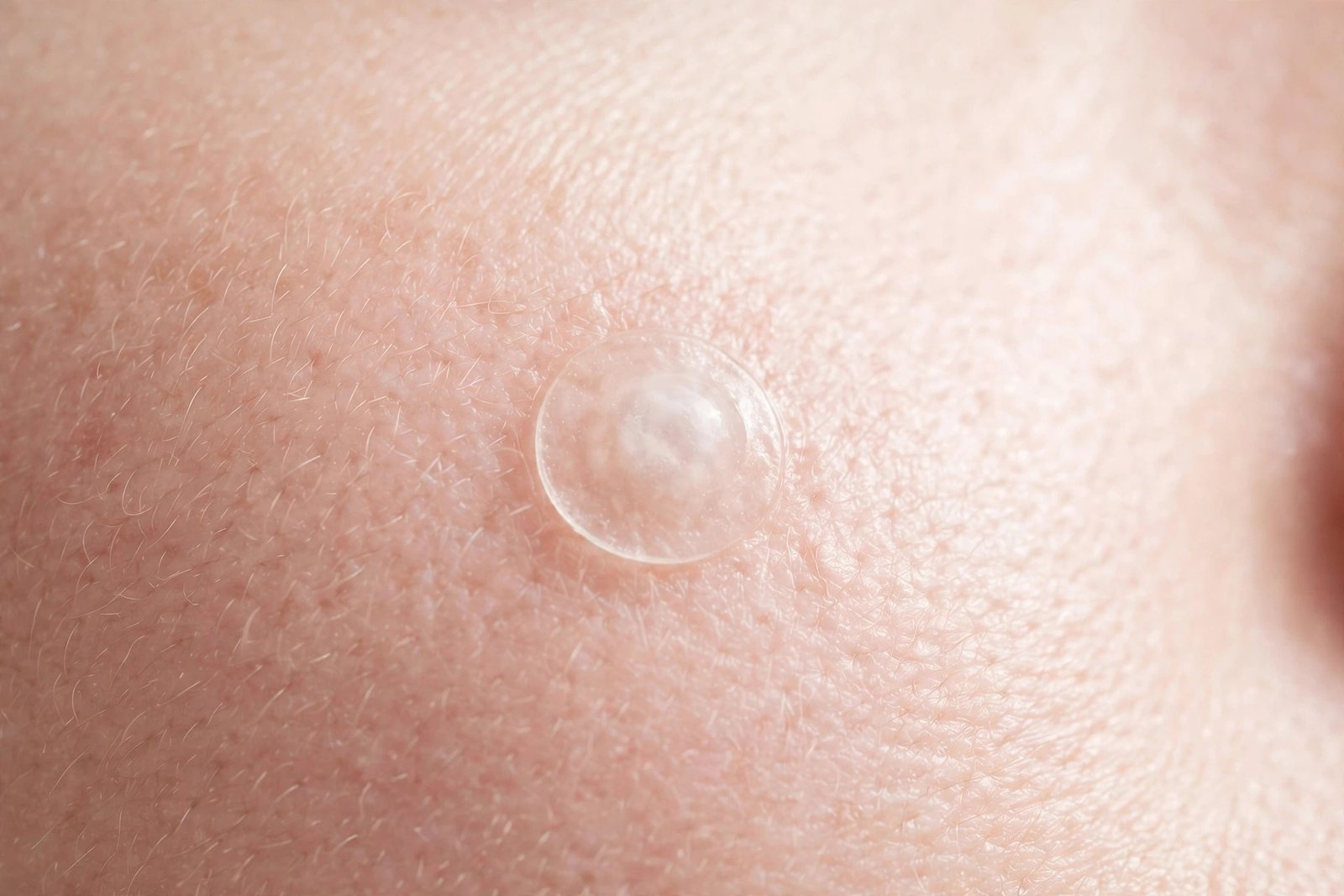
- Absorbs fluid — draws out pus and excess oil from whiteheads, which is why the patch turns white and puffy as it works.
- Protects the spot — shields it from bacteria, dirt, and your fingers.
- Prevents picking — the physical barrier is arguably as valuable as the absorption, since picking is a top cause of scarring and dark marks.
- Speeds healing — moist wound healing is faster than letting a spot dry out and scab.
Think of them as tiny bandages optimized for pimples rather than a treatment that “kills” acne. They don’t address the underlying causes of breakouts — for that, see our complete guide to getting rid of acne.
Types of Pimple Patches
Not all patches are the same. Here’s what’s on the market:
- Plain hydrocolloid patches: The original and most proven type. Just hydrocolloid, no added actives. Best for standard whiteheads and surface pustules.
- Medicated patches: Contain added ingredients like salicylic acid, tea tree oil, or niacinamide. These may add mild treatment benefits, but the evidence for the added ingredients (delivered in patch form) is weaker than for the hydrocolloid itself.
- Microdart / microneedle patches: Tiny dissolving points that deliver ingredients (like salicylic acid or hyaluronic acid) slightly below the skin’s surface. Marketed for early-stage or deeper bumps that haven’t come to a head. They can help with emerging pimples, though results vary and they’re significantly pricier.
- Large / multi-area patches: Bigger hydrocolloid sheets for clusters of breakouts along the jawline or chin.
For most people, plain hydrocolloid patches handle 90% of use cases. Save the specialty types for specific situations rather than defaulting to the most expensive option.
How to Use Pimple Patches: Step by Step
Getting results comes down to technique:
- Start with clean, dry skin. Wash your face and pat completely dry. Patches won’t stick to oily or damp skin, and applying over moisturizer or other products reduces adhesion and absorption.
- Choose the right size. The patch should fully cover the pimple with a small margin around it. Too small and fluid leaks; comically oversized is just wasteful.
- Apply with clean hands. Peel the patch from its backing without touching the sticky center, and press it firmly onto the pimple, smoothing the edges.
- Leave it on for 6–8 hours. Overnight is ideal. The patch needs time to draw out fluid — peeling it off after an hour accomplishes little.
- Remove gently. Peel from the edges. If the patch has turned white and opaque, it did its job. Cleanse the area and follow with your normal routine.
- Apply a fresh patch if needed. A large whitehead may need a second night. If there’s no more fluid to draw, further patching won’t help — let it heal.
When Pimple Patches Work Best (and When They Don’t)
They work well for:
– Whiteheads with a visible head
– Surface pustules
– Pimples you’ve already (regrettably) popped — a patch protects the open spot and absorbs drainage
– Preventing yourself from touching or picking a spot
They don’t do much for:
– Deep, painful cystic bumps with no head — there’s no surface fluid to absorb (microdart patches may help slightly here)
– Blackheads — hydrocolloid can’t pull out oxidized clogs effectively
– Closed comedones (under-the-skin bumps) — same reason
– Preventing future breakouts — patches treat individual spots, not causes
Matching the tool to the breakout type is everything. Using a patch on a deep cyst and declaring patches useless is like using a bandage on a bruise — wrong tool, wrong job.
Common Pimple Patch Mistakes
- Applying over skincare products: Serums and moisturizers under the patch block adhesion. Always apply to bare, dry skin.
- Removing too early: Less than 4–6 hours gives the hydrocolloid little time to work.
- Reusing patches: Single use only — a used patch is full of bacteria-laden fluid.
- Using them on every spot simultaneously: A face covered in patches looks dramatic but doesn’t treat underlying acne. For widespread breakouts, a proper routine matters more: morning and night routines for acne-prone skin.
- Expecting miracles on cysts: Deep hormonal bumps need different treatment — see our guide to hormonal acne on chin and jawline.
Pimple Patches vs. Spot Treatments: Which Is Better?
Pimple patches and traditional spot treatments (benzoyl peroxide gels, salicylic acid dots, sulfur creams) solve different problems — the best choice depends on the situation.
Choose a pimple patch when: the pimple has a visible whitehead, you need it flatter by morning, you keep touching the spot, or you’ve already popped it and need to protect the open skin. Patches excel at damage control and overnight flattening.
Choose a spot treatment when: the pimple is red and inflamed but has no head, you want to treat the underlying bacteria and inflammation, or you’re dealing with an early-stage bump. Benzoyl peroxide and salicylic acid actively treat the lesion rather than just absorbing fluid.
Use both strategically: many dermatologists suggest spot-treating an inflamed bump during the day and patching it overnight once a head forms. They’re complementary tools, not competitors.
How to Choose Pimple Patches: What Actually Matters
- Thickness: Thinner patches are less visible for daytime; thicker ones absorb more for overnight use.
- Size range: A pack with multiple sizes covers everything from tiny whiteheads to larger spots.
- Adhesion: Read reviews specifically mentioning whether patches stay on overnight — the cheapest options sometimes peel off on the pillow.
- Added ingredients: Nice-to-have, not need-to-have. Plain hydrocolloid is the proven performer.
- Quantity per pack: Heavy users go through patches fast; cost per patch matters more than fancy packaging.
You don’t need the most expensive brand. You need patches that stick, absorb, and come in the right sizes.
Frequently Asked Questions
How long should you leave a pimple patch on?
Six to eight hours is the sweet spot — which is why overnight use is most popular. You’ll know it’s working when the patch turns white and slightly swollen. Leaving one on longer than 12 hours isn’t harmful, but there’s diminishing return once it’s fully saturated.
Can you wear pimple patches during the day?
Yes. Many brands make ultra-thin, nearly invisible patches designed for daytime wear, including under makeup. They’re also useful during the day purely as a picking deterrent if you’re someone who touches their face.
Do pimple patches work on blackheads?
Not really. Hydrocolloid absorbs fluid from open, draining spots — blackheads are oxidized oil plugs, not fluid-filled. Salicylic acid is the better tool for blackheads: salicylic acid vs glycolic acid.
Can pimple patches make acne worse?
Properly used, no. But applying a patch to dirty skin traps bacteria against the pimple, and reusing patches reintroduces bacteria. Use once, on clean skin, and they won’t cause new breakouts.
Are expensive pimple patches better than cheap ones?
For plain hydrocolloid patches, no — the core material works the same regardless of brand. Price differences mostly reflect packaging, shape variety, and marketing. Microdart patches are the exception: their delivery technology does vary, so reviews matter more there.
Can you put makeup over a pimple patch?
Yes, and it’s one of the smarter ways to conceal an active breakout. Apply the patch to clean, dry skin first, then do your makeup over it — the patch creates a smooth surface and keeps concealer from sinking into the pimple. Use thin, daytime-formulated patches for the most invisible result, and avoid heavy powder directly on the patch, which can make its edges visible.
Love this? Pin it for later!