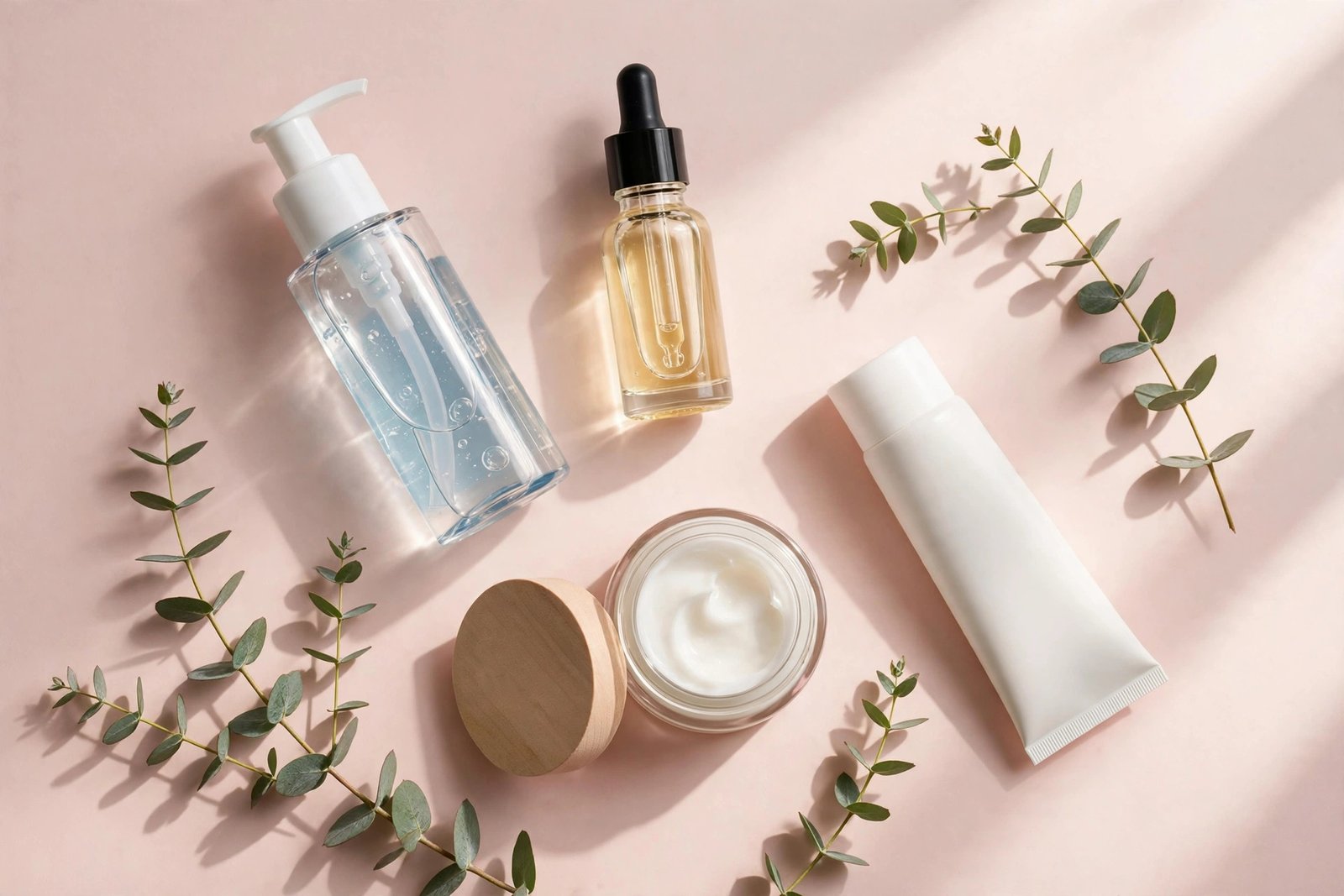
Skincare Routine for Combination Skin: The Complete AM & PM Guide
Combination skin is the most common skin type — and the most confusing to care for. Your forehead, nose, and chin (the T-zone) produce excess oil and shine by midday, while your cheeks feel normal, tight, or even flaky. Treat the whole face like it’s oily and your cheeks suffer. Treat it like it’s dry and your T-zone turns into a grease slick. It’s no wonder so many people with combination skin feel like no routine quite works.
The good news: combination skin doesn’t need a complicated routine. It needs a smart one — built around balance rather than extremes. The core principle is simple: hydrate everywhere, control oil only where it’s excessive, and let each zone get what it actually needs. Dermatologists consistently recommend this zone-aware approach over the one-size-fits-all routines that dominate skincare marketing.
This guide walks you through a complete morning and evening routine for combination skin, explains which ingredients help (and which to avoid), and shows you how to adapt the routine seasonally. For product-specific picks, the detailed roundups cover the [best moisturizers for combination skin → best-moisturizer-for-combination-skin], the [best sunscreens that won’t grease up your T-zone → best-sunscreen-for-combination-skin], and — when breakouts or dryness need targeted help — [how to treat an oily T-zone with dry cheeks → how-to-treat-oily-t-zone-dry-cheeks].
Key Takeaways
- Combination skin = oily T-zone (forehead, nose, chin) + normal-to-dry cheeks; it’s the most common skin type
- The golden rule: hydrate the whole face, treat oil only in the T-zone — never strip the entire face
- Use a gentle gel or gel-cream cleanser twice daily; harsh foaming cleansers make both zones worse
- Layer lightweight hydration (hyaluronic acid, glycerin) all over, then use richer textures only on dry areas
- Niacinamide is the star ingredient for combination skin: it regulates sebum and supports the barrier
- Exfoliate 1–2 times per week with BHA, focusing on the T-zone — over-exfoliation causes rebound oil
- Morning sunscreen is non-negotiable; choose oil-free, gel-based SPF formulas made for combination skin
- Multi-masking (different masks on different zones) is the most effective targeted treatment strategy
What Exactly Is Combination Skin?
Combination skin means your face has two (or more) skin behaviors at once. The T-zone — forehead, nose, and chin — has a higher density of sebaceous glands, so it produces more oil, develops larger-looking pores, and is more prone to blackheads and breakouts. The cheeks and sometimes the eye area have fewer oil glands, so they behave like normal or dry skin: they can feel tight after cleansing, look dull, or flake in winter.
How do you know if this is you? The classic test: wash your face with a gentle cleanser, wait an hour without applying anything, then observe. If your forehead and nose are shiny but your cheeks feel comfortable or tight, you have combination skin. Blotting papers tell the same story — press one on your T-zone and one on your cheek, and compare the oil pickup.
Combination skin isn’t static. Hormones, seasons, stress, diet, and even your environment shift the balance. Many people are oilier in summer and drier in winter. Teenagers and people in their 20s tend to run oilier; the T-zone often calms down with age while cheeks get drier. A good routine accounts for this — it flexes rather than locks you into one fixed set of products.
It’s also worth knowing what combination skin is not. It’s not the same as oily skin (see the dedicated [oily skin routine guide → skincare-routine-for-oily-skin-guide] if your whole face is oily), and it’s not the same as dry skin (the [dry skin routine guide → skincare-routine-for-dry-skin-guide] covers full-face dryness). Misidentifying your skin type is one of the most common reasons routines fail — if you’re unsure, the blotting-paper test above is more reliable than any online quiz.
The Golden Rules of Combination Skin Care
Before the step-by-step routines, internalize these principles. They matter more than any single product.
1. Balance, don’t battle. The biggest mistake is treating combination skin as a problem to attack. Harsh cleansers, strong astringents, and aggressive exfoliation strip the T-zone — and stripped skin overproduces oil to compensate, while your cheeks get drier. The goal is equilibrium: enough oil control to keep the T-zone comfortable, enough hydration to keep cheeks happy.
2. Think in zones, not in products. You don’t need separate full routines for each zone. You need one balanced base routine, plus small zone-specific adjustments: a lighter touch of moisturizer on the T-zone, a richer layer on the cheeks, targeted treatments where each zone needs them.
3. Lightweight layers beat heavy creams. Combination skin responds best to layering thin, water-based hydration (toners, essences, serums) rather than slathering one thick cream everywhere. Layers let you customize: the same hydrating serum can go all over, while a heavier cream goes only on dry patches.
4. Barrier first, actives second. A compromised skin barrier makes everything worse — more sensitivity on cheeks, more reactive oil production in the T-zone. Ceramides, glycerin, and niacinamide support the barrier; introduce strong actives (retinoids, high-strength acids) only on a healthy barrier.
5. Consistency beats intensity. Combination skin stabilizes with a steady routine. Constantly switching products or piling on new actives keeps your skin in reactive mode. Give any routine 4–6 weeks before judging it.
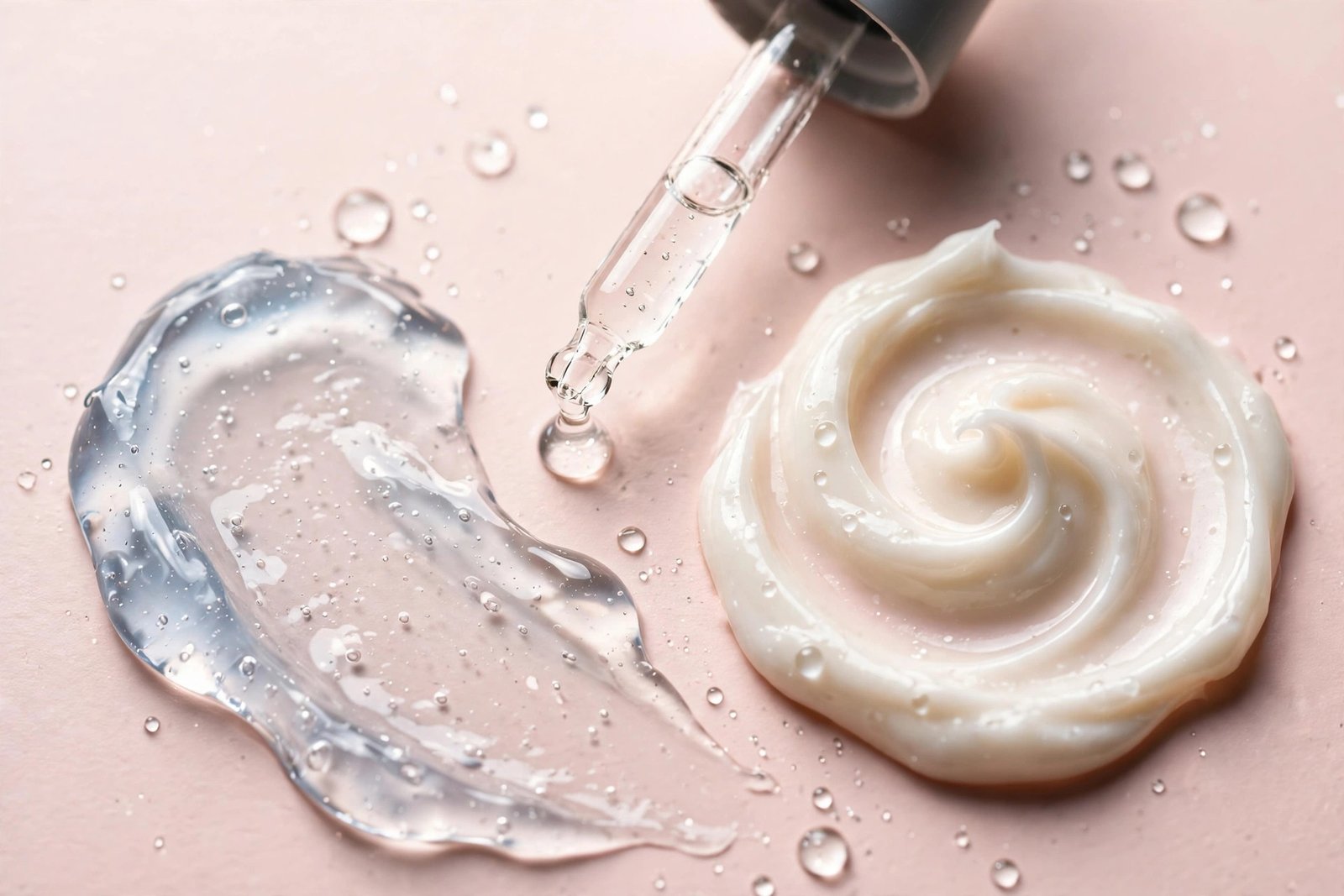
Morning Routine for Combination Skin
The AM routine has one job: protect. Cleanse gently, hydrate lightly, and shield with sunscreen. Keep it streamlined — heavy morning layers pill under makeup and add unnecessary oil to the T-zone.
Step 1: Gentle Cleanser
Wash with a gentle gel or gel-cream cleanser — something that removes overnight oil without squeaky-tightness. If your skin runs drier (especially in winter), a splash of lukewarm water is enough for some people, but most combination skin benefits from a proper morning cleanse to clear the T-zone’s overnight sebum.
Avoid: harsh foaming cleansers with sulfates, bar soaps, and anything that leaves skin feeling tight. Tightness after cleansing isn’t “clean” — it’s your barrier crying for help, and your T-zone will punish you with rebound oil by noon.
Step 2: Hydrating Toner or Essence (Optional but Recommended)
A hydrating toner with glycerin or hyaluronic acid adds a water-based hydration layer that benefits both zones equally — moisture without oil. Pat it in with your hands while skin is still slightly damp. This step is the secret weapon of combination skin routines: it hydrates cheeks without adding anything greasy to the T-zone.
Step 3: Targeted Serum
This is where zone-specific care shines:
- All-over option: A niacinamide serum (4–5%) is the single best serum choice for combination skin. Niacinamide helps regulate sebum production in the T-zone, minimizes the look of pores, strengthens the barrier, and calms redness — benefits for both zones at once.
- T-zone only: If your T-zone is very oily or breakout-prone, a salicylic acid (BHA) serum applied just to the forehead, nose, and chin keeps pores clear. (For a deeper comparison of these two powerhouse ingredients, see [niacinamide vs salicylic acid → niacinamide-vs-salicylic-acid-oily-skin].)
- Cheeks only: If cheeks are dry or dull, a hyaluronic acid serum layered under moisturizer gives them extra water-based plumping.
Keep it to one serum in the morning — layering multiple actives under sunscreen and makeup is a recipe for pilling.
Step 4: Lightweight Moisturizer
Apply a gel or gel-cream moisturizer all over. The ideal formula for combination skin is oil-free or low-oil, non-comedogenic, and contains humectants (glycerin, hyaluronic acid) plus barrier supporters (ceramides, niacinamide). Use a pea-sized amount, and use even less on the T-zone.
The zone trick: If your cheeks are noticeably drier than your T-zone, apply your regular gel moisturizer everywhere, then press a slightly richer cream only onto the cheeks. Two textures, one routine. The full product breakdown lives in the [best moisturizer for combination skin guide → best-moisturizer-for-combination-skin].
Step 5: Sunscreen (Non-Negotiable)
SPF 30 or higher, every single morning, rain or shine. UV damage accelerates aging, worsens hyperpigmentation, and — critically for combination skin — triggers excess oil production and inflammation.
The challenge: many sunscreens are greasy, which is miserable on an oily T-zone. The fix is formula choice, not skipping SPF. Look for oil-free, gel-based, or fluid sunscreens labeled for combination or oily skin. Korean and Japanese sunscreens are famous in the skincare community for elegant, non-greasy textures that work beautifully on combination skin. The curated list of [best sunscreens for combination skin → best-sunscreen-for-combination-skin] focuses specifically on non-greasy, no-white-cast options.
Apply a full two finger-lengths of product to face and neck. Let it set for a few minutes before makeup — this prevents pilling and gives the filters time to form an even film.
Morning Routine at a Glance
- Gentle gel cleanser
- Hydrating toner (optional)
- Niacinamide serum (or zone-targeted serum)
- Gel moisturizer (lighter on T-zone)
- Oil-free sunscreen SPF 30+
Time: About 5 minutes. Makeup note: If you wear foundation, a mattifying primer on the T-zone only helps makeup last without drying your cheeks — the [best foundation for combination skin → best-foundation-for-combination-skin] guide covers base products that survive oily zones.
Evening Routine for Combination Skin
The PM routine is where repair happens. Cleanse thoroughly (sunscreen and the day’s oil must come off), treat with actives, and moisturize a little more generously than in the morning.
Step 1: Double Cleanse (If You Wear Sunscreen or Makeup)
First cleanse: An oil cleanser or micellar water dissolves sunscreen, makeup, and excess sebum. This sounds counterintuitive for oily zones, but oil dissolves oil — a cleansing oil won’t make your T-zone oilier, and it cleans far more effectively than a water-based cleanser alone.
Second cleanse: Follow with your gentle gel cleanser to remove residue. Your skin should feel clean and comfortable, never tight.
If you didn’t wear sunscreen or makeup that day (which should be rare — wear your SPF), a single gentle cleanse is fine.
Step 2: Exfoliate (1–2x Per Week, PM Only)
Chemical exfoliation keeps the T-zone’s pores clear and smooths dry, flaky cheeks. But the two zones need different handling:
- T-zone: Salicylic acid (BHA) is oil-soluble, so it penetrates into pores and dissolves the sebum plugs that cause blackheads. A BHA liquid or serum applied to the T-zone 1–2 times weekly is the gold standard.
- Cheeks: Lactic acid or mandelic acid (gentle AHAs) smooth dryness and dullness without the irritation risk of stronger acids. Or simply skip exfoliant on the cheeks if they aren’t flaky.
Never exfoliate daily unless a dermatologist tells you to. Over-exfoliation damages the barrier, causing sensitivity on cheeks and rebound oil in the T-zone — the exact opposite of what you want. On exfoliation nights, skip other strong actives.
Step 3: Hydrating Toner
Same as morning — a hydrating layer benefits both zones. In the evening you can be more generous, applying two thin layers if your cheeks are dry.
Step 4: Treatment Serum
Evening is prime time for actives, since there’s no sunscreen or makeup to interfere:
- Niacinamide (if not used in the morning) — sebum regulation plus barrier support.
- Retinoid (2–3x per week, PM only) — the most evidence-backed anti-aging and pore-refining ingredient. Start with a low-strength retinol or retinal, apply a pea-sized amount to the whole face, and buffer it over moisturizer if your cheeks are sensitive. Expect some adjustment; consistency matters more than strength.
- Hydrating serum (hyaluronic acid, polyglutamic acid) — for dry cheeks on non-active nights.
One active per night. Don’t combine retinoids with exfoliating acids on the same evening.
Step 5: Moisturizer (Slightly Richer Than AM)
Evening is when you can afford a little more nourishment. Options:
- Use your daytime gel-cream all over, plus a richer cream pressed into the cheeks and any dry patches.
- Or use a “sleeping mask” style product on dry areas 2–3 nights a week.
The T-zone rarely needs heavy night cream — a thin layer of your regular moisturizer is plenty. If your T-zone is acne-prone, make sure your night moisturizer is non-comedogenic.
Step 6: Eye Cream (Optional)
The eye area is usually the driest zone on a combination face. A simple hydrating eye cream prevents fine lines from looking worse. It’s optional but worth it if your under-eyes are dry.
Evening Routine at a Glance
- Oil cleanser / micellar water (first cleanse)
- Gentle gel cleanser (second cleanse)
- Exfoliant 1–2x/week (BHA on T-zone, gentle AHA on cheeks if needed)
- Hydrating toner
- Treatment serum (niacinamide, retinoid 2–3x/week, or hydrating serum)
- Moisturizer (richer layer on cheeks)
- Eye cream (optional)
Ingredients That Love Combination Skin
Memorize this short list — it makes shopping for products dramatically easier:
- Niacinamide (vitamin B3): The MVP. Regulates sebum, refines pores, strengthens barrier, calms redness. Effective at 2–10%; 4–5% suits most people.
- Hyaluronic acid & glycerin: Humectants that pull water into skin without adding oil. Ideal for hydrating both zones.
- Salicylic acid (BHA): Oil-soluble exfoliant that clears T-zone pores. Use 1–2x weekly, T-zone focused.
- Ceramides: Rebuild the skin barrier; prevent moisture loss from dry cheeks without heaviness.
- Green tea extract: Antioxidant with mild sebum-regulating and soothing properties.
- Zinc PCA: Helps control shine in the T-zone; often found in mattifying moisturizers.
- Squalane: A lightweight, non-comedogenic oil that moisturizes dry areas without clogging the T-zone.
Ingredients to Use With Caution
- Heavy oils and butters (coconut oil, cocoa butter) all over the face — fine as a spot treatment on very dry patches, risky on the T-zone.
- Denatured alcohol high on ingredient lists — gives a temporary matte feel but damages the barrier with regular use.
- Strong physical scrubs — micro-tears and irritation, especially on drier cheeks.
- High-strength glycolic acid used daily — too aggressive for most combination skin; gentler AHAs or less frequent use work better.
- Fragrance and essential oils — common irritants; the drier zones of combination skin are more reactive.
Common Combination-Skin Mistakes
Using one harsh cleanser for the whole face. A strong foaming cleanser might make your T-zone feel squeaky, but it strips your cheeks and triggers rebound oil. Gentle always wins.
Skipping moisturizer on the T-zone. “My forehead is oily, it doesn’t need moisturizer” is one of the most damaging myths. Dehydrated oily skin produces more oil. The T-zone needs lightweight hydration — just not heavy cream.
Over-exfoliating the T-zone. Scrubbing or acid-treating the T-zone daily feels productive but destroys the barrier. Two times a week is the sweet spot for most people.
Applying rich products everywhere. That luxurious night cream belongs on your cheeks, not your nose. Zone your textures.
Changing products constantly. Combination skin needs 4–6 weeks of consistency to stabilize. Product-hopping keeps it in permanent adjustment mode.
Skipping sunscreen because “it’s too greasy.” The formula was wrong, not the step. Modern gel sunscreens feel like nothing — find yours in the [sunscreen roundup → best-sunscreen-for-combination-skin].
Seasonal Adjustments
Summer: The T-zone gets oilier. Switch to a lighter gel moisturizer, consider a mattifying sunscreen, and keep blotting papers handy. You might drop the richer cheek cream entirely.
Winter: Cheeks get drier and may flake; the T-zone often calms down. Add a facial oil or richer cream on cheeks only, and consider a hydrating (non-foaming) cleanser. Indoor heating is brutal — a humidifier helps more than any product.
Transitional seasons: This is when combination skin is most unpredictable. Keep your core routine stable and adjust only the moisturizer texture up or down.
Keep Reading: The Combination Skin Hub
This routine is your foundation. These deep dives solve the specific problems combination skin throws at you:
- [Best moisturizer for combination skin → best-moisturizer-for-combination-skin] — gel-cream roundup: lightweight hydration that won’t grease up your T-zone or starve your cheeks.
- [Best sunscreen for combination skin → best-sunscreen-for-combination-skin] — non-greasy, no-white-cast SPF picks that actually work for shiny T-zones.
- [Best foundation for combination skin → best-foundation-for-combination-skin] — long-wear bases that survive an oily forehead without clinging to dry patches.
- [How to treat an oily T-zone with dry cheeks → how-to-treat-oily-t-zone-dry-cheeks] — multi-masking and zone-specific treatments for when the two halves of your face need completely different care.
If your skin leans strongly one way, the [oily skin routine → skincare-routine-for-oily-skin-guide] and [dry skin routine → skincare-routine-for-dry-skin-guide] go deeper on each extreme.
Frequently Asked Questions
Should I use different products on my T-zone and cheeks?
You don’t need two full routines, but zone-specific tweaks help a lot. Use the same gentle cleanser and hydrating base everywhere, then adjust textures: lighter moisturizer on the T-zone, richer on the cheeks, and targeted treatments (BHA on the T-zone, extra hydration on cheeks) where each zone needs them. [Multi-masking → how-to-treat-oily-t-zone-dry-cheeks] takes this concept further with weekly treatments.
Can combination skin become oily or dry over time?
Yes — skin type shifts with age, hormones, seasons, and climate. Many people find their T-zone gets less oily in their 30s while cheeks get drier. Reassess seasonally and adjust your moisturizer texture and treatment frequency rather than overhauling everything.
Is double cleansing necessary for combination skin?
If you wear sunscreen or makeup daily, yes — a single water-based cleanser often can’t fully remove SPF and the day’s sebum buildup, especially in the T-zone. An oil-based first cleanse dissolves them effectively without stripping. On bare-faced days, one gentle cleanse is enough.
Why is my T-zone still oily even with a good routine?
Some T-zone oil is normal and healthy — the goal is comfortable, not matte-all-day. If oil is excessive, check for over-cleansing or over-exfoliation (both cause rebound oil), make sure you’re actually moisturizing the T-zone with something lightweight, and consider adding niacinamide. Persistent severe oiliness with breakouts is worth a dermatologist visit.
Can I use retinol if I have combination skin?
Yes — retinoids benefit both zones (pore refinement for the T-zone, texture and fine lines for cheeks). Start low and slow (2–3 nights a week), apply to the whole face, and buffer with moisturizer on drier areas if needed. Skip on exfoliation nights.
Do I need a toner?
Not strictly, but a hydrating toner is one of the highest-value steps for combination skin because it adds water-based hydration both zones need, without oil. If you simplify to five steps, cleanser–serum–moisturizer–sunscreen–(night treatment) covers the essentials.
Combination skin isn’t a flaw to fix — it’s simply skin with varied needs, and it responds beautifully to a routine that respects that. Start with the gentle AM/PM framework above, give it a month of consistency, and adjust by zone rather than by panic. Your T-zone and your cheeks can absolutely both be happy — they just need slightly different things, and now you know exactly what those are.
best moisturizer for combination skin
best sunscreen for combination skin
best foundation for combination skin
how to treat oily T-zone dry cheeks
oily skin routine guide
dry skin routine guide
Love this? Pin it for later!