Best Moisturizer for Combination Skin: 10 Lightweight Picks That Balance Both Zones
Finding a moisturizer for combination skin feels like shopping for two different faces. Your T-zone wants something featherlight that won’t turn shiny by noon. Your cheeks want real nourishment that stops the tight, flaky feeling. Most moisturizers pick a side — rich creams drown the T-zone, oil-free gels leave cheeks thirsty — and that’s exactly why this category deserves its own roundup.
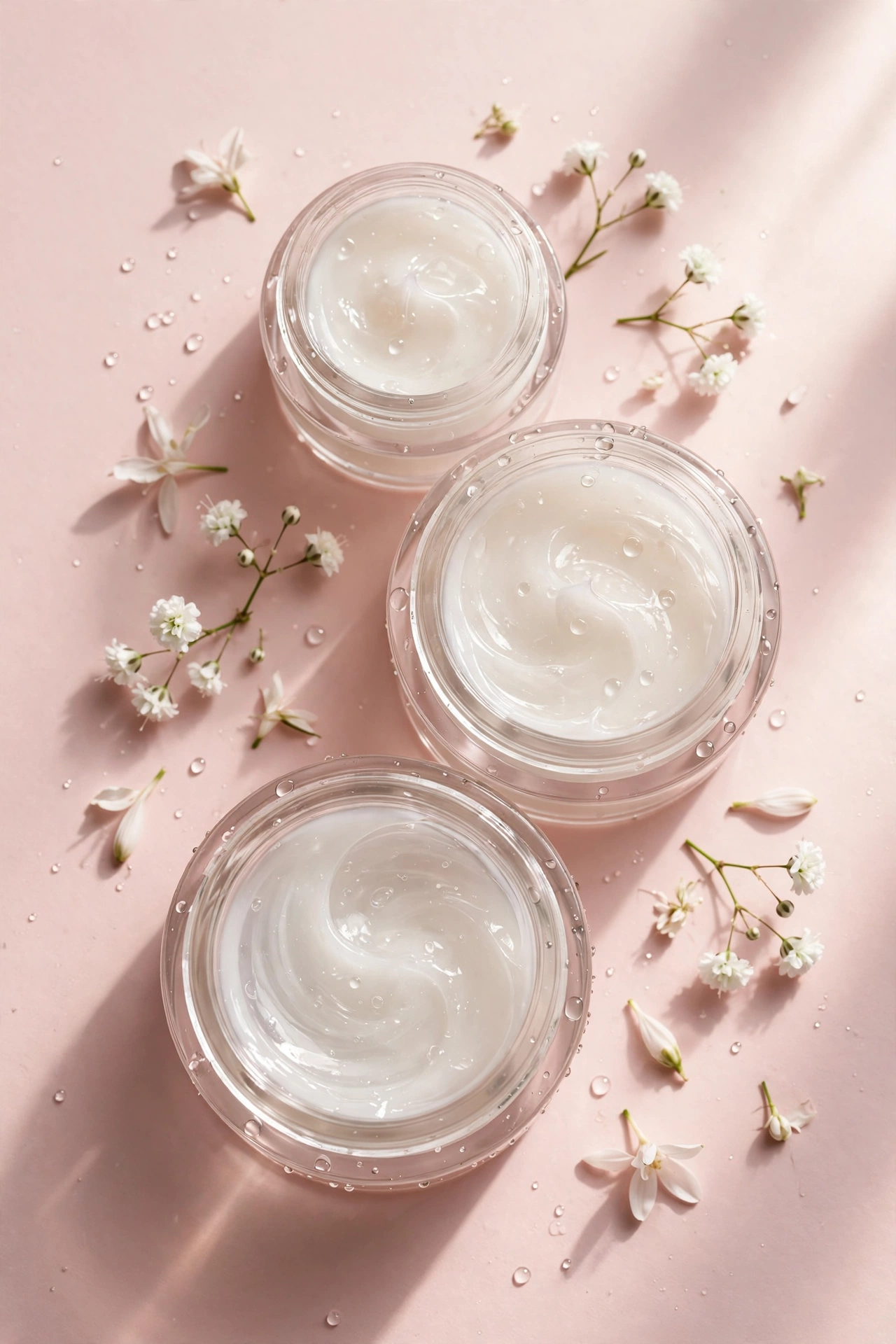
The sweet spot for combination skin is the gel-cream: a hybrid texture that delivers water-based hydration with just enough emollience to keep cheeks comfortable, without the heaviness that triggers T-zone shine. Below, you’ll find what to look for, the 10 best moisturizers for combination skin across budgets, and how to apply them so both zones stay happy. For the full routine these fit into, see the [complete combination skin routine guide → skincare-routine-for-combination-skin].
Key Takeaways
- Gel-cream textures are the sweet spot for combination skin: hydrating but not heavy
- Look for oil-free or low-oil formulas with hyaluronic acid, glycerin, ceramides, and niacinamide
- Avoid heavy butters and coconut oil on the T-zone; they’re fine as spot treatments on very dry patches
- Price doesn’t predict performance — several drugstore picks outperform luxury options here
- Apply less product on the T-zone and layer a richer cream on cheeks only if needed
- Moisturize the T-zone too — skipping it causes dehydration and rebound oiliness
- Pair your moisturizer with a non-greasy SPF in the morning ([sunscreen picks → best-sunscreen-for-combination-skin])
What Combination Skin Needs in a Moisturizer
A moisturizer does three things: adds water (humectants), seals it in (emollients/occlusives), and supports the barrier. Combination skin needs all three — but in different proportions per zone. The ideal product profile:
Texture: Gel, gel-cream, or light lotion. These absorb fast, layer well under sunscreen and makeup, and rarely cause midday shine. Thick balms and heavy creams are overkill for the T-zone.
Oil content: Oil-free or low-oil. Non-comedogenic matters more for the T-zone than anywhere else on your face.
Key ingredients: Hyaluronic acid and glycerin (water-based hydration), ceramides (barrier support), niacinamide (sebum regulation + barrier), and squalane (lightweight emollience that doesn’t clog).
What to avoid: Denatured alcohol high on the ingredient list (drying over time), heavy occlusives like cocoa butter across the whole face, and strong fragrance (the drier zones of combination skin tend to be more reactive).
Finish: Look for words like “balancing,” “gel-cream,” “oil-free,” “mattifying,” or “for combination skin” on the label — but always check the ingredient list, because marketing terms aren’t regulated.
The 10 Best Moisturizers for Combination Skin
These picks are organized from budget to premium. Every one suits the combination-skin profile above: lightweight hydration, barrier support, and T-zone-safe formulas. (Product mentions are editorial picks to make shopping easier — no affiliate links are included yet.)
1. Neutrogena Hydro Boost Water Gel
The drugstore icon for a reason. This oil-free water gel uses hyaluronic acid to drench skin in weightless hydration that absorbs in seconds. It’s the reference standard for combination skin — hydrating enough for normal cheeks, light enough that the T-zone never feels smothered. Fragrance-free versions exist for sensitive noses. If you buy one product from this list blind, make it this one.
Best for: First-time combination-skin shoppers; anyone who wants a safe, proven pick.
2. CeraVe Moisturizing Lotion (Daily)
Don’t confuse this with the tub cream — the lotion (pump bottle) is the combination-skin winner. Three essential ceramides plus hyaluronic acid in a lightweight, non-comedogenic formula that dermatologists recommend constantly. It’s less “elegant” than gel-creams but unbeatable for barrier support on a budget. Works beautifully as a PM moisturizer when cheeks need a bit more.
Best for: Barrier repair on a budget; sensitive combination skin.
3. La Roche-Posay Toleriane Double Repair Face Moisturizer
Ceramides, niacinamide, and glycerin in an oil-free lotion texture — essentially a dermatologist’s answer to combination skin in a tube. The niacinamide gives it an edge for T-zone oil control, while ceramides keep cheeks comfortable. Fragrance-free and tested on sensitive skin. A genuine all-rounder that works AM and PM.
Best for: The “one moisturizer for everything” approach.
4. Belif The True Cream Aqua Bomb
The K-beauty gel-cream that made the texture famous. Explodes into water droplets on contact (a fun gimmick that signals just how lightweight it is), delivering instant hydration with zero residue. Contains lady’s mantle and other botanicals. The T-zone stays shine-free for hours, and normal cheeks feel quenched. Slightly fragranced, so very reactive skin should patch-test.
Best for: Hot, humid weather; people who hate feeling product on their skin.
5. Clinique Dramatically Different Moisturizing Gel
The original oil-free gel moisturizer, and still one of the best. Completely oil-free, fragrance-free, allergy-tested — it’s the minimalist’s choice. The hydration is lighter than the gel-creams above, making it ideal for oilier-leaning combination skin or summer months. If your cheeks are truly dry rather than just normal, you may want to layer something richer on top of them.
Best for: Oily-leaning combination skin; fragrance-free purists.
6. Kiehl’s Ultra Facial Cream
Wait — a cream on a combination-skin list? Yes, with a caveat. This cult moisturizer uses glacial glycoprotein and squalane in a surprisingly lightweight cream texture that many combination-skin users love as a winter or PM option. The trick is using a small amount, or applying it to cheeks only while keeping a gel on the T-zone. Not oil-free, so very breakout-prone T-zones should test carefully.
Best for: Winter dryness on cheeks; PM use in cold climates.
7. First Aid Beauty Ultra Repair Oil-Control Moisturizer
Designed specifically for the combination/oily dilemma: it hydrates with hyaluronic acid and ceramides while oil-absorbing microspheres keep the T-zone matte. This is one of the few moisturizers that actively addresses shine rather than just avoiding heaviness. A strong pick if your main complaint is midday T-zone grease.
Best for: Shiny T-zones that need active oil control in a moisturizer.
8. The Ordinary Natural Moisturizing Factors + HA
The budget minimalist: amino acids, fatty acids, and hyaluronic acid mimicking skin’s own moisturizing factors, in a light non-greasy cream. No fragrance, no fuss, extremely affordable. The texture sits between lotion and cream — most combination skin handles it well all over, though very oily T-zones might prefer it as a PM-only product.
Best for: Ingredient-conscious shoppers on a tight budget.
9. Tatcha The Water Cream
The luxury pick. This oil-free water cream uses Japanese wild rose and leopard lily to refine pores and control oil while delivering refined, weightless hydration. The texture is genuinely beautiful — it blurs, it mattifies slightly, it layers flawlessly under makeup. Expensive, but a little goes a long way, and combination skin is arguably the skin type it was designed for.
Best for: Splurge-worthy daily luxury; makeup wearers who need a perfect base.
10. Biossance Squalane + Omega Repair Cream (Used Zonally)
Another “cream with a caveat” — squalane and omega fatty acids make this deeply nourishing without the pore-clogging risk of heavier butters. The combination-skin strategy: use it as your cheek cream (a pea-sized amount pressed into dry areas) while keeping a gel on the T-zone. Squalane is non-comedogenic, so even cautious T-zones usually tolerate it, but the zonal approach is safest.
Best for: The two-texture method — rich nourishment exactly where it’s needed.
Budget vs. Premium: Does Price Matter?
Honestly? Less than marketing suggests. The Neutrogena Hydro Boost (~drugstore price) and CeraVe lotion consistently rank alongside products triple their price in dermatologist recommendations and user satisfaction. Where premium products earn their cost is texture elegance — the Tatcha Water Cream and Belif Aqua Bomb simply feel better going on and layer better under makeup.
Smart strategy: Spend less on your PM moisturizer (CeraVe, The Ordinary) and invest in your AM one if you wear makeup daily, since texture under foundation matters more in the morning.
For more oil-focused options, the [best oil-free moisturizers roundup → best-moisturizer-for-oily-skin-oil-free] covers picks for oilier-leaning skin.
How to Apply Moisturizer on Combination Skin
Technique matters as much as product:
- Apply to damp skin. Right after toner or serum, while skin is slightly damp — humectants like hyaluronic acid need water to work with.
- Use less than you think. A pea-sized amount for the whole face is the starting point. You can add more to cheeks; you almost never need more on the T-zone.
- Zone your textures. Gel everywhere + a richer cream pressed into cheeks only is the pro move for skin with genuinely dry cheeks.
- Wait before sunscreen/makeup. Give moisturizer 60–90 seconds to absorb so layers don’t pill.
- PM can go richer. Evening is when cheeks can handle (and benefit from) heavier nourishment. Keep the T-zone light even at night.
Mistakes to Avoid
- Skipping the T-zone entirely. Dehydrated oily skin overproduces oil. Lightweight hydration on the T-zone reduces shine over time.
- Using winter cream year-round. If your moisturizer worked in January, it may be too heavy for July. Have a lighter warm-weather option.
- Layering too many products. Moisturizer + heavy serum + facial oil + primer under makeup = pilling and clogged pores. Edit ruthlessly in the AM.
- Ignoring the neck. The neck is usually drier than the face — extend moisturizer downward, and give it the richer treatment if needed.
- Judging after one use. Give a new moisturizer 2–3 weeks (unless it causes breakouts or irritation, in which case stop immediately).
Frequently Asked Questions
Should I use two different moisturizers for combination skin?
You can, but you don’t have to. One well-chosen gel-cream works for most combination skin. The two-moisturizer approach (gel for T-zone, cream for cheeks) helps when the dryness gap between zones is large — very flaky cheeks with a very oily T-zone, for example.
Is gel or cream better for combination skin?
Gel-cream hybrids are the best of both. Pure gels can leave drier cheeks wanting more; pure creams often overwhelm the T-zone. If forced to choose one extreme, gel is safer — you can always layer, but you can’t un-grease.
Can I use the same moisturizer morning and night?
Yes — most picks on this list work for both. The only reason to split is optimization: a mattifying or makeup-friendly formula for AM, something more nourishing for PM repair.
Do I need an oil-free moisturizer?
For the T-zone’s sake, oil-free or low-oil is the safer default. But “oil-free” isn’t mandatory — lightweight non-comedogenic oils like squalane are fine for many combination skin types. Judge by how your T-zone looks at 3pm, not by the label alone.
Why does my moisturizer pill?
Usually too much product, layering incompatible textures (silicone-heavy over water-based), or not waiting between layers. Use less, wait 60–90 seconds between steps, and apply thinner layers in the morning.
The right moisturizer won’t transform combination skin overnight — but the wrong one will absolutely make both zones worse. Start with a gel-cream from this list, apply it zonally, and give it a few weeks. For the complete routine this step fits into, the [combination skin AM/PM guide → skincare-routine-for-combination-skin] has you covered — and don’t forget the [non-greasy sunscreen → best-sunscreen-for-combination-skin] that goes over it every morning.
combination skin routine guide
best sunscreen for combination skin
treating oily T-zone and dry cheeks
best oil-free moisturizers
Love this? Pin it for later!