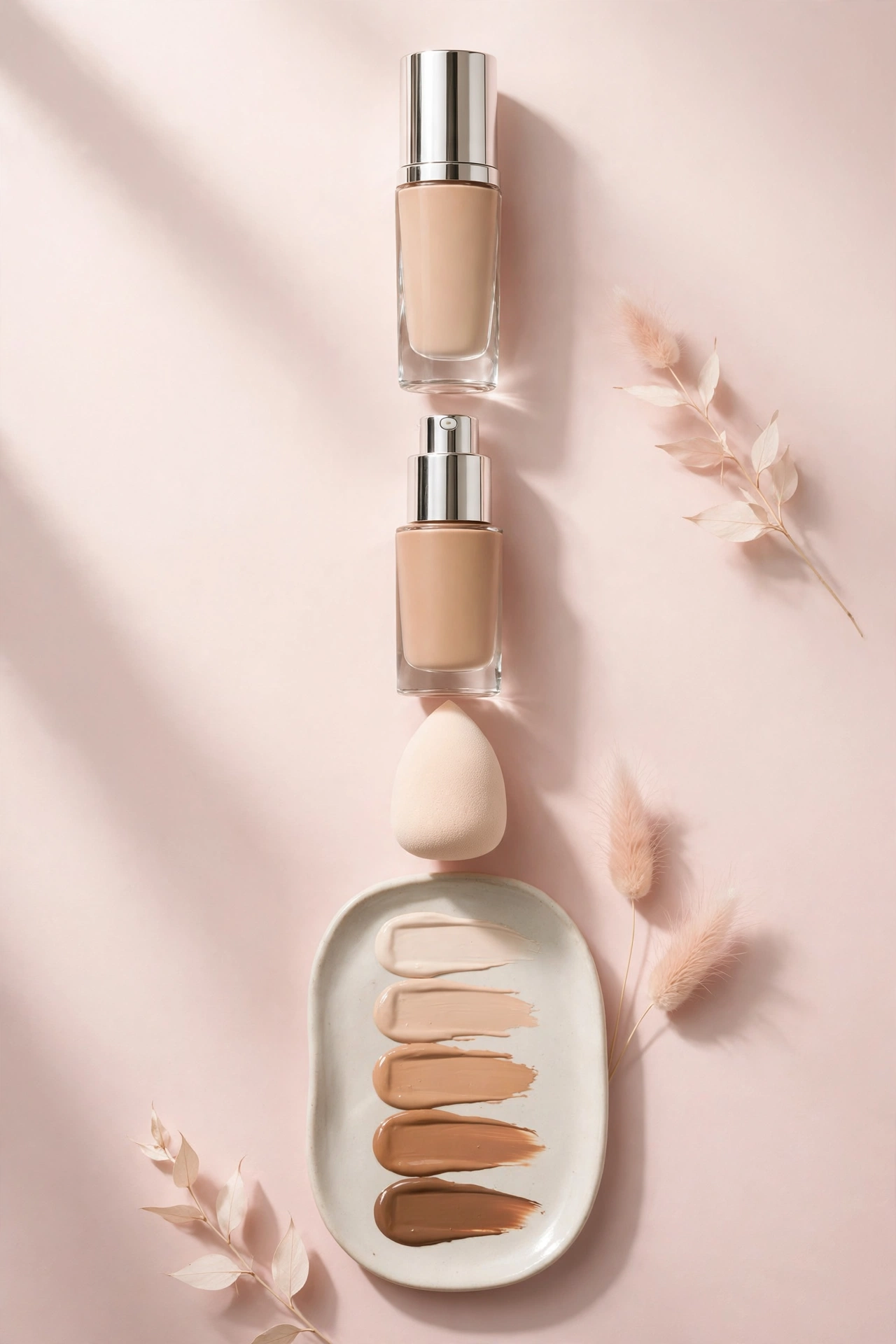
Best Foundation for Combination Skin: Long-Wear Picks That Survive Oily T-Zones
Foundation on combination skin is a high-wire act. Your T-zone melts it off by lunchtime — foundation pooling in pores, sliding off the nose, turning shiny across the forehead. Meanwhile your cheeks grab onto it and highlight every dry patch and flake. A foundation that works for oily skin alone is too mattifying; one made for dry skin alone slides right off. Combination skin needs a formula that does both jobs at once.
The good news is that modern foundation formulas have largely solved this. The best foundations for combination skin share a profile: medium, buildable coverage with a natural-to-satin finish, long-wear claims that actually hold up, and oil-controlling ingredients that don’t dehydrate. Below are the 10 best picks, plus the prep and application techniques that make any foundation perform better on combination skin. For the skincare base that makes makeup last, see the [combination skin routine guide → skincare-routine-for-combination-skin] — and for the specific zone treatments that calm a rebellious T-zone, [this guide → how-to-treat-oily-t-zone-dry-cheeks] helps.
Key Takeaways
- The ideal foundation finish for combination skin is natural or satin — not fully matte, not dewy
- Look for “long-wear,” “oil-free,” and “non-comedogenic” on the label; buildable medium coverage beats full matte
- Prep is half the battle: mattifying primer on the T-zone only, hydrating primer on cheeks
- Apply less product on the T-zone and set it with powder; leave cheeks powder-free or lightly set
- Blotting papers midday beat powder touch-ups — powder layering causes cakiness
- Satin-finish foundations photograph better than ultra-matte ones (no flashback risk)
- Exfoliated, moisturized skin holds foundation dramatically better than any formula alone
What to Look for in a Foundation for Combination Skin
Finish: Natural, satin, or “soft matte.” Fully matte foundations look flat and cling to dry patches within hours; dewy or luminous foundations turn the T-zone into a mirror by noon. Satin is the Goldilocks zone.
Coverage: Medium and buildable. Full-coverage mattes tend to cake on combination skin as the day wears on. A buildable medium lets you add coverage where needed (T-zone redness, cheek blemishes) without overloading the whole face.
Formula claims: “Long-wear” or “24-hour” (these are tested for wear time), “oil-free,” “non-comedogenic,” and “transfer-resistant.” Transfer-resistant matters because T-zone oil is what moves foundation onto phones, masks, and collars.
Ingredients: Niacinamide (sebum regulation), silica or clay-derived powders (oil absorption), and hyaluronic acid or glycerin (so cheeks don’t dry out). Avoid foundations heavy in coconut-derived oils or with strong fragrance.
SPF in foundation: Don’t count it as your sun protection — nobody applies enough foundation for the labeled SPF. Always wear a dedicated sunscreen underneath; the [best sunscreens for combination skin → best-sunscreen-for-combination-skin] won’t pill under makeup.
The 10 Best Foundations for Combination Skin
1. Estée Lauder Double Wear Stay-in-Place
The long-wear legend. Double Wear is the foundation other long-wear foundations are measured against — it genuinely lasts through oily T-zones, humidity, and long days without sliding. The finish is natural-matte: controlled, not flat. It can cling to very dry patches, so moisturize cheeks well and apply sparingly there. The shade range is extensive. If your T-zone destroys every foundation by 2pm, start here.
Best for: Maximum wear time; very oily T-zones.
2. Maybelline Fit Me Matte + Poreless
The drugstore hero for combination skin. Oil-free, with micro-powders that blur pores and control shine, at a fraction of prestige prices. The “Matte + Poreless” version (not the Dewy one) is the combination-skin pick — natural finish, medium coverage, and it layers well. Shade matching can be tricky since it oxidizes slightly; when in doubt, go a touch lighter.
Best for: Budget long-wear; everyday natural makeup.
3. NARS Natural Radiant Longwear Foundation
Don’t let “radiant” scare you — this is a satin finish, not a dewy one. Medium-to-full buildable coverage with genuine 16-hour wear claims, and it handles the T-zone/cheek divide gracefully: it doesn’t go shiny fast, and it doesn’t emphasize dryness. Raspberry, apple, and watermelon extracts sound like marketing, but the wear is real. A strong “one foundation” candidate.
Best for: A polished, skin-like finish with serious staying power.
4. L’Oréal Infallible Fresh Wear 24HR
Drugstore long-wear that punches far above its price. Lightweight, breathable-feeling, transfer-resistant, and it holds up on oily zones impressively well for the cost. The finish is natural — not flat matte — so cheeks look like skin, not powder. If Double Wear is the investment piece, this is the smart-dupe daily driver.
Best for: Affordable long-wear; hot weather.
5. MAC Studio Fix Fluid SPF 15
A classic for a reason: medium-to-full coverage with a true matte finish that controls oil for hours. It’s more matte than the others on this list, so it’s best for oily-leaning combination skin, and dry cheeks need thorough moisturizing underneath. Sets fast, so work in sections. The shade range is one of the industry’s best.
Best for: Oily-leaning combination skin; full coverage needs.
6. Fenty Beauty Pro Filt’r Soft Matte Longwear
Rihanna’s line earned its hype with this one: a soft-matte finish that controls shine without the flat, mask-like look of old-school mattes. It was formulated with oil control in mind and the shade range famously covers deep tones well. Can emphasize dry patches if skin isn’t prepped — exfoliate and moisturize cheeks before applying.
Best for: Soft-matte lovers; inclusive shade ranges.
7. IT Cosmetics CC+ Cream with SPF 50
Technically a CC cream, but the coverage rivals medium foundations. It hydrates (good for cheeks), includes SPF 50 (don’t rely on it alone), and wears surprisingly well on combination skin given its creamy texture. Best for normal-to-dry-leaning combination skin rather than very oily T-zones — set the T-zone with powder and it behaves.
Best for: Dry-leaning combination skin; skincare-makeup hybrids.
8. Revlon ColorStay Makeup for Combination/Oily Skin
Revlon literally makes a version for combination/oily skin — and it’s excellent. Long-wearing, oil-controlling, medium-full coverage, at a drugstore price. The formula with the pump is the one to get. It can look slightly matte-flat in very dry indoor heating, so adjust your cheek prep seasonally.
Best for: The most affordable true long-wear option.
9. Armani Luminous Silk Foundation
The “your skin but better” icon. This is the choice when your combination skin leans normal-dry rather than oily: a luminous (not greasy) finish, medium buildable coverage, and the most flattering finish on this list. On oilier T-zones it needs primer + powder + setting spray to survive the day — but the result is worth the effort for events and photos.
Best for: Special occasions; dry-leaning combination skin; photography.
10. Neutrogena Hydro Boost Hydrating Tint / Skin Tint Trend
A nod to the skin-tint era: if your combination skin is fairly balanced and you want light coverage, modern hydrating skin tints (with hyaluronic acid) even out tone without the wear-time demands of foundation. Set the T-zone lightly and you’re done. Not for very oily T-zones or full-coverage needs — but perfect for “no-makeup makeup” days.
Best for: Light coverage days; minimal-makeup routines.
Prep: The Real Secret to Foundation That Lasts
The best foundation in the world fails on unprepared combination skin. This prep sequence matters more than the formula:
- Skincare first. Follow your [AM routine → skincare-routine-for-combination-skin]: gentle cleanse, lightweight moisturizer (less on the T-zone), sunscreen. Let each layer absorb — at least 2–3 minutes after sunscreen.
- Zone your primer. This is the single highest-impact trick: apply a mattifying/pore-filling primer to the T-zone ONLY, and a hydrating or illuminating primer to the cheeks. Two primers, one face. It sounds fussy; it takes 30 seconds and transforms wear time.
- Less product on the T-zone. Apply foundation with a damp sponge, using a thin layer on the forehead, nose, and chin, and slightly more where you need coverage on cheeks. Thick layers + T-zone oil = sliding.
- Set strategically. Press (don’t sweep) a translucent powder into the T-zone with a puff or dense brush — pressing sets better than dusting. Leave cheeks unset or use the tiniest amount; powder on dry cheeks is what causes the dreaded cakey look.
- Setting spray. A long-wear setting spray over everything melts powder into skin and extends wear by hours. It’s the cheapest wear-time upgrade available.
Midday Touch-Ups Without the Cake
By 3pm, even great foundations need help on combination skin. The order of operations matters:
- Blot first, always. Press blotting papers (or a clean tissue) onto the T-zone to lift oil before adding anything. Adding powder over oil creates paste.
- Then powder sparingly. Only if blotting isn’t enough, press a tiny amount of translucent powder onto the T-zone.
- Never re-apply liquid foundation over the day’s wear — it pills and cakes. If coverage has truly broken down, blot, then pat a tiny amount of concealer only where needed.
- A hydrating mist on the cheeks revives dry areas without disturbing the T-zone.
Common Mistakes
- One primer for the whole face. A mattifying primer on dry cheeks emphasizes flakes; a hydrating primer on the T-zone accelerates shine. Zone them.
- Powdering the entire face. Powder belongs on the T-zone. Full-face powder ages combination skin instantly.
- Choosing ultra-matte everything. Matte foundation + matte primer + matte powder + matte setting spray = a flat, dry, cracked-looking face by evening. Leave some skin-like finish somewhere.
- Skipping skincare prep. Foundation applied over dry, unexfoliated cheeks clings to every flake. The [moisturizer guide → best-moisturizer-for-combination-skin] covers base hydration that doubles as makeup prep.
- Testing shades on your hand. Test along the jawline in natural light, and wait 10 minutes — many foundations oxidize (darken) as they set, which matters more on combination skin where wear is uneven.
Frequently Asked Questions
Should I use matte or dewy foundation for combination skin?
Neither extreme — satin or natural finish. Matte exaggerates dry cheeks; dewy amplifies T-zone shine. If you love a glow, keep it to the high points of the cheeks with highlighter rather than an all-over dewy base.
Why does my foundation separate on my nose?
The nose has the highest concentration of oil glands on the face, plus it’s touched constantly. Use the thinnest layer there, press (don’t rub) powder into it, and avoid touching your face. A dedicated pore-filling primer on the nose helps more than a heavier foundation.
Can I wear foundation every day with combination skin?
Yes, provided it’s non-comedogenic and you cleanse thoroughly every evening — double cleansing on makeup days is non-negotiable for T-zone pores. Give your skin makeup-free days when you can.
Is powder or liquid foundation better for combination skin?
Liquid (or cream) foundation with strategic powder setting beats powder foundation, which tends to look cakey on dry cheeks and wears off oily zones unevenly. Powder foundation works as a midday touch-up product, not a full base.
How do I stop foundation from oxidizing?
Some oxidation is formula chemistry, but oil on the skin accelerates it. A mattifying primer barrier on the T-zone, thorough blotting, and choosing foundations known for stable wear (Double Wear, Infallible) minimize the darkening effect.
The right foundation doesn’t fight your combination skin — it works with the zone system: controlled where you’re oily, forgiving where you’re dry. Pair any pick from this list with zoned prep, and the 3pm mirror check stops being scary. For the skincare foundation (pun intended) underneath it all, the [combination skin routine → skincare-routine-for-combination-skin] is where to start.
combination skin routine guide
treating oily T-zone and dry cheeks
best moisturizer for combination skin
best sunscreen for combination skin
Love this? Pin it for later!