Gel vs Acrylic Nails: Which Is Better for Your Nails?
Standing at the salon menu (or staring at a DIY kit online) trying to decide between gel and acrylic nails? You’re not alone — it’s one of the most common questions in nail care, and the answer honestly depends on your nails, your lifestyle, and what you want from your manicure.
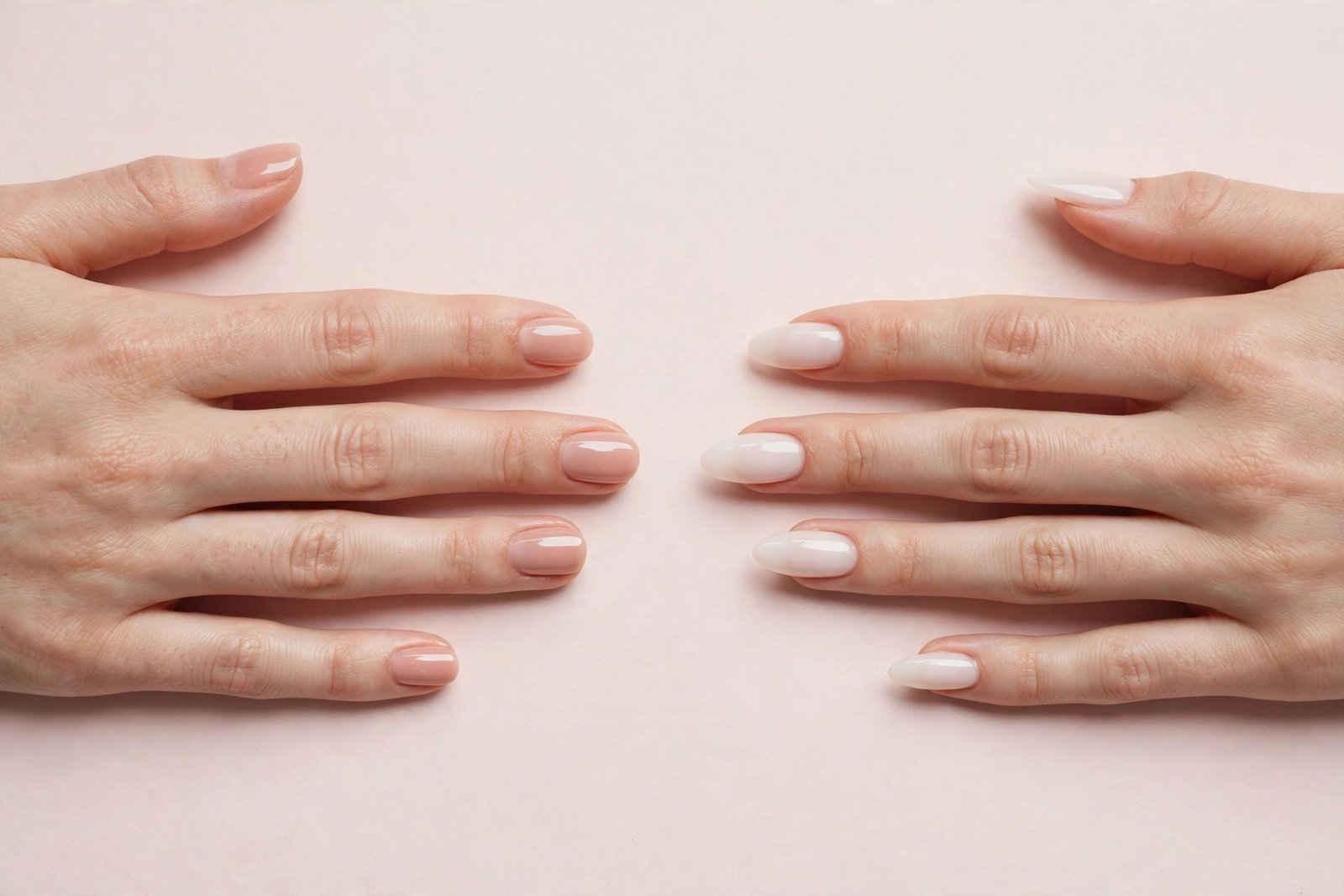
Both options can look gorgeous. But they work very differently: one is a flexible, cured-on coating, and the other is a hard, sculpted extension built from powder and liquid. The differences matter for durability, cost, removal, and — most importantly — the health of your natural nails underneath.
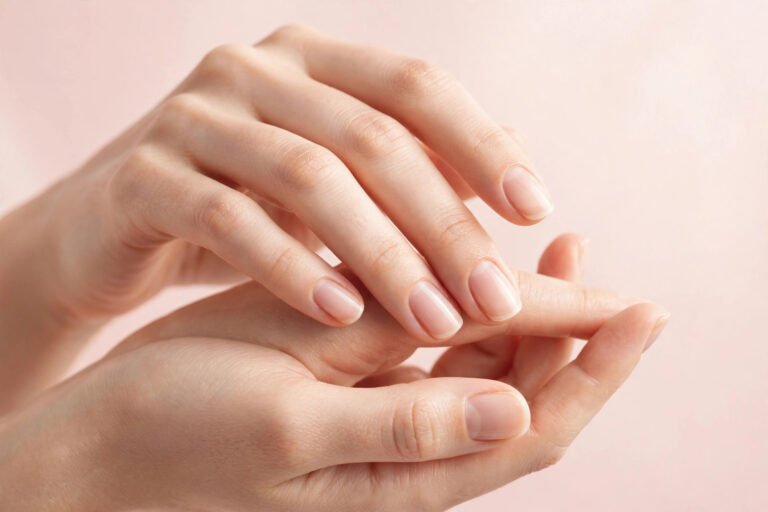
In this guide, we’ll break down exactly how gel and acrylic nails compare, which is less damaging, which lasts longer, and how to choose the right one for you. If you’re just starting your nail journey, our complete nail care routine for beginners is a great place to build healthy habits first — whatever manicure you choose will look better on strong natural nails.
What Are Gel Nails?
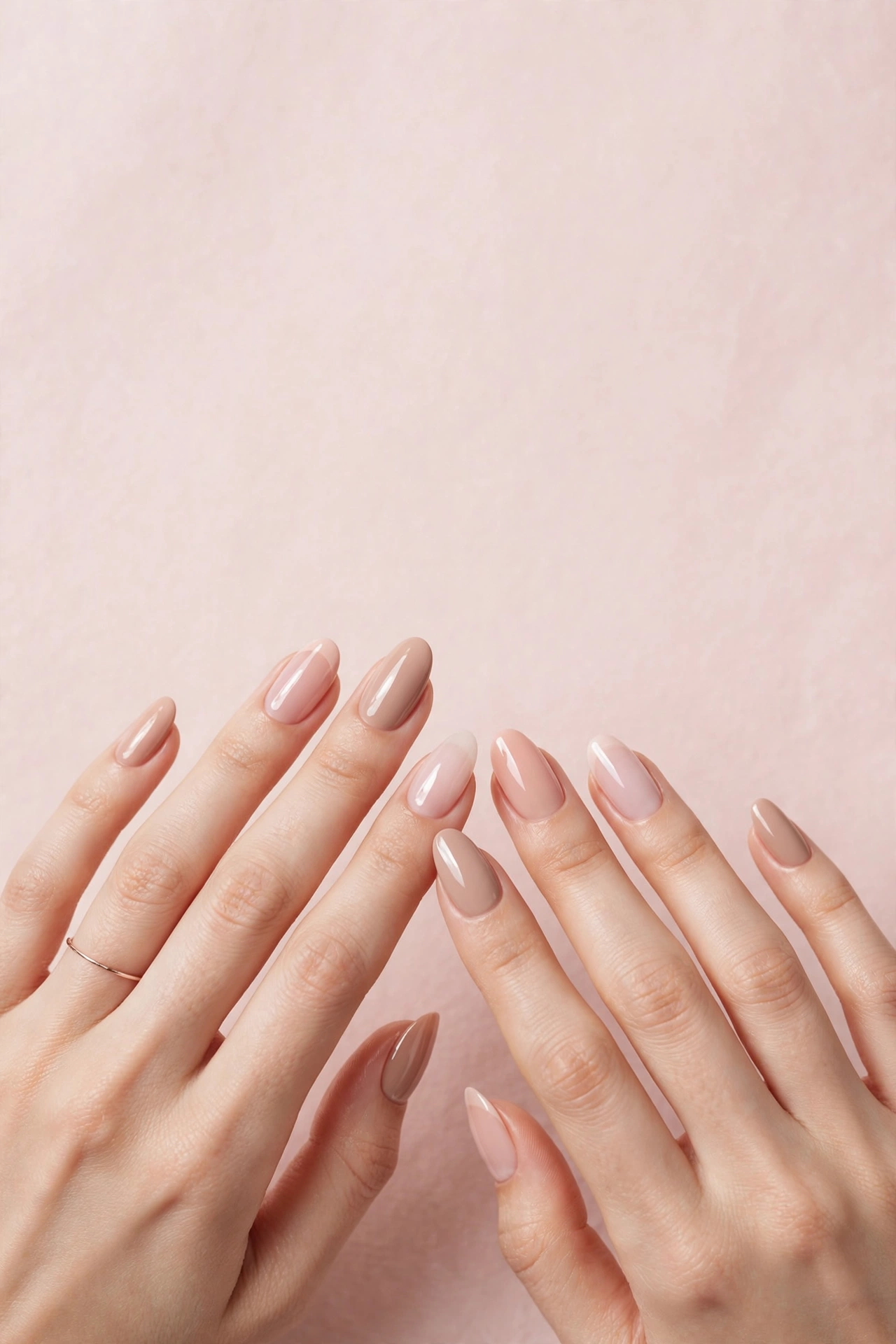
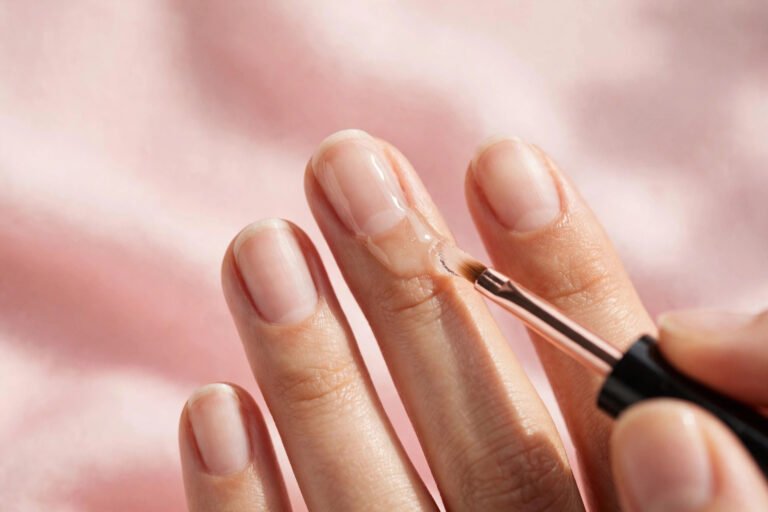
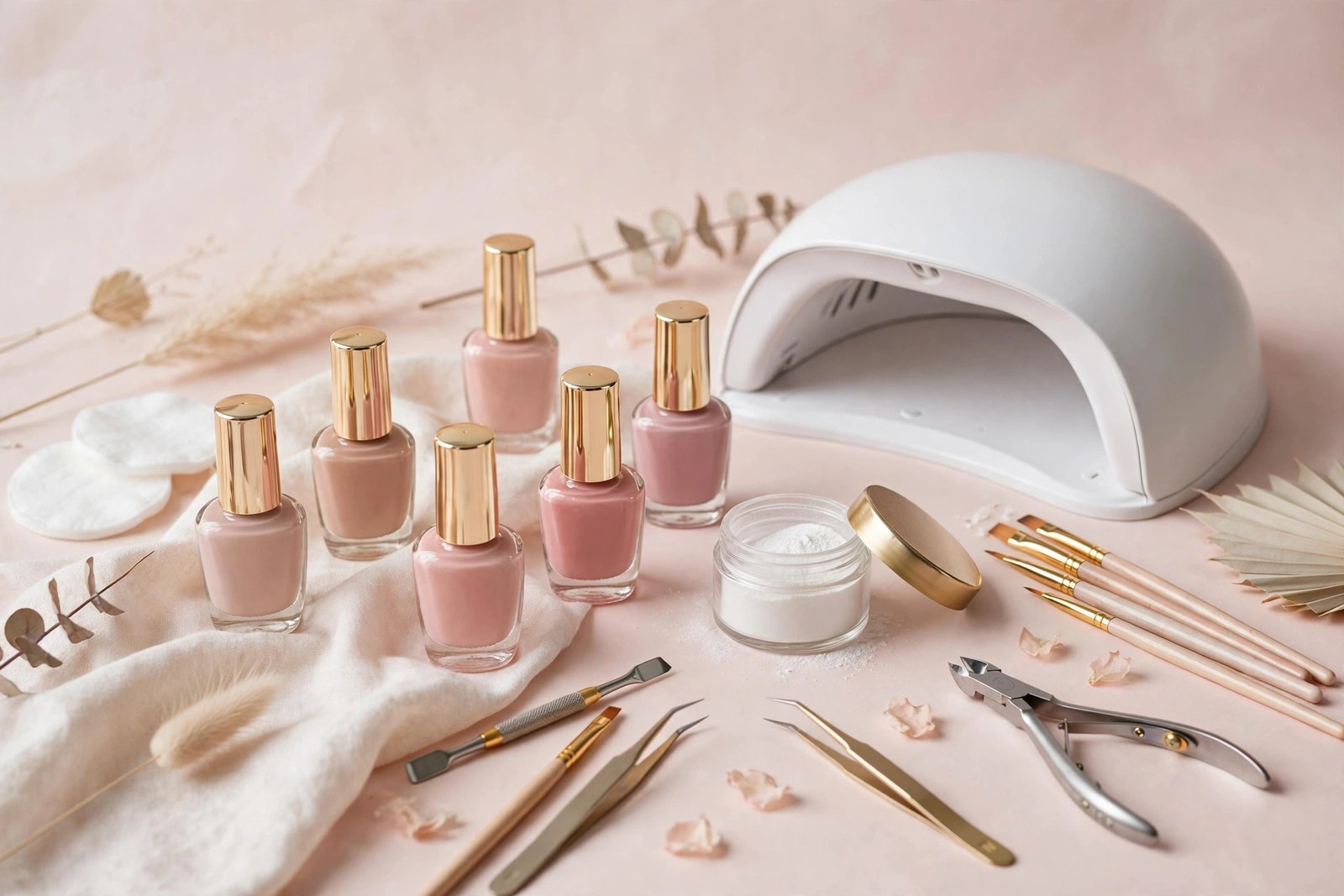
Gel nails use a gel-based polish or builder gel that is applied to the natural nail (or over a tip/extension) and then cured under a UV or LED lamp. The light hardens the gel into a durable, glossy coating.
There are a few types you’ll hear about:
- Gel polish (soft gel): A thinner formula, similar to regular polish but cured. Adds strength and shine, usually lasts 2–3 weeks. Removed by soaking in acetone.
- Builder gel (hard gel): A thicker formula that can add length and structure. More durable than gel polish and harder to remove — it often needs to be filed off rather than soaked.
- Gel extensions: Tips or sculpted forms with builder gel applied over them for added length.
The signature feature of gel nails is the finish: they stay glossy without chipping for weeks, and the flexible formula moves slightly with your natural nail, which many people find more comfortable than rigid alternatives.
What Are Acrylic Nails?
Acrylic nails are created by mixing a liquid monomer with a powder polymer to form a thick paste. Your nail tech (or you, with a DIY kit) sculpts this paste over your natural nail or over tips, and it hardens as it air-dries — no lamp needed.
Acrylics are the classic “long nail” look. Because the material is very hard once set, acrylics are excellent for:
- Dramatic length that natural nails can’t achieve
- Bold shapes (coffin, stiletto, almond)
- Nail art that needs a sturdy canvas
Acrylics have been around for decades and remain popular, especially for special occasions or anyone who wants maximum length and structure. That said, they’re the more involved option in terms of application skill and removal.
Gel vs Acrylic Nails: Key Differences
Here’s the side-by-side comparison that matters most:
| Factor | Gel Nails | Acrylic Nails |
|---|---|---|
| Application | Brushed on like polish, cured under UV/LED lamp | Powder + liquid sculpted on, air-dries |
| Durability | 2–3 weeks (gel polish); 3–4 weeks (builder gel) | 3–4 weeks; very hard and sturdy |
| Cost (salon) | Moderate (typically less than acrylics) | Moderate to higher (sculpting takes skill/time) |
| Removal | Soak-off in acetone (soft gel); filing (hard gel) | Soak-off in acetone (takes longer); often filed down first |
| Damage risk | Lower — flexible formula, gentler removal | Higher — harder material, more filing, longer soaks |
| Natural look | Very natural, thin, glossy | Can look thicker; best for dramatic length |
| Odor | Low odor | Strong chemical odor during application |
| At-home difficulty | Moderate (needs lamp) | Harder (sculpting takes practice) |
Which Is Less Damaging to Your Nails?
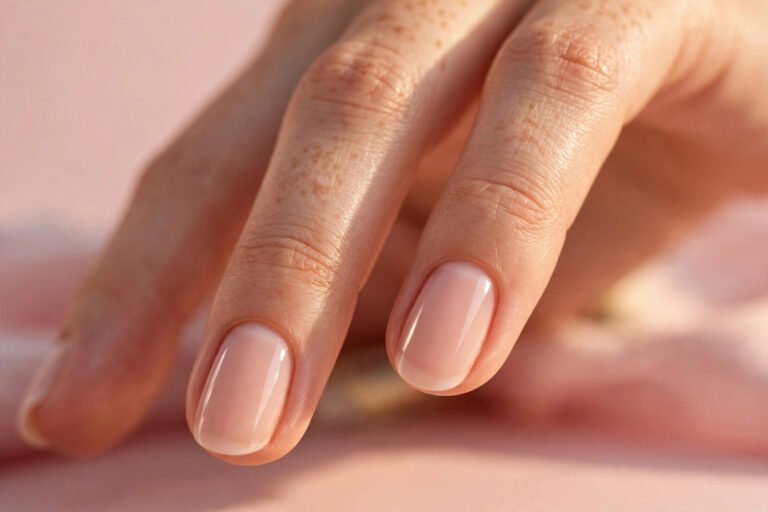
This is the question most people really care about, and the honest answer is: gel nails are generally less damaging than acrylics — but neither is damage-free, and technique matters more than the product.
Here’s why gel tends to be gentler:
- Less aggressive filing. Acrylic application usually requires more filing of the natural nail surface for the product to adhere. Gel needs some prep too, but typically less.
- Flexibility. Gel moves with your nail. Acrylic is rigid, so if you catch an acrylic nail on something, the force transfers directly to your natural nail — which can cause painful lifting or breakage.
- Removal. Soft gel soaks off relatively quickly. Acrylics need longer acetone soaks, and the temptation to pry or peel them off (please don’t) causes the most damage of all.
That said, gel isn’t innocent. Over-filing during prep, picking off gel polish, or skipping cuticle oil during wear can all weaken nails. And if you’ve ever dealt with lifting, you know the urge to peel — resist it. Our guide on why gel nails lift at the cuticle covers the prep mistakes that cause most lifting problems.
The biggest damage factor isn’t gel vs acrylic — it’s removal. Never peel, pry, or bite off either type. Proper soak-off removal, followed by moisturizing and a break between sets, keeps nails far healthier regardless of which you choose.
Which Lasts Longer?
Acrylics generally last longer — typically 3–4 weeks before needing a fill, and the hard material resists chips and breaks better than gel polish.
Gel polish usually lasts 2–3 weeks before you’ll notice growth at the cuticle or minor wear at the tips. Builder gel closes the gap (3–4 weeks), but it’s harder to remove than soft gel.
A few things that affect longevity for both:
- Your lifestyle. Typing, cleaning, and hands-on work wear any manicure faster.
- Nail prep. Proper dehydration and cuticle work before application is the #1 factor in how long any enhancement lasts.
- Fills vs. new sets. Both gel and acrylic can be “filled” (new product applied at the growth area) every 2–3 weeks to extend wear, rather than removing and starting over.
If you want the absolute longest-lasting manicure and don’t mind the maintenance, acrylics win. If you’d rather have something that grows out gracefully and is easier to remove, gel polish is the lower-commitment choice.
How to Choose Between Gel and Acrylic
Ask yourself these questions:
Choose GEL if you:
– Want a natural look with added strength and shine
– Prefer a thinner, more flexible feel
– Want easier at-home removal (soft gel)
– Are sensitive to strong chemical smells
– Are new to nail enhancements and want to start gently
Choose ACRYLIC if you:
– Want significant length your natural nails can’t achieve
– Love dramatic shapes (coffin, stiletto)
– Need maximum durability for an event or trip
– Don’t mind longer salon appointments and higher cost
– Are committed to professional fills and proper removal
Consider neither (for now) if you:
– Have very damaged, thin, or peeling nails — focus on repair first. Our guide on how to fix bumpy dip powder nails covers nursing nails back to health after any enhancement.
– Bite your nails or pick at polish — enhancements won’t fix the habit, and removal damage will be worse.
– Can’t commit to proper removal — this is non-negotiable for nail health.
There’s also a middle ground worth knowing about: dip powder nails sit somewhere between gel and acrylic in terms of durability and damage, and press-on nails have gotten remarkably good if you want the look with zero commitment.
Frequently Asked Questions
Can you do gel and acrylic at home?
Yes, but with different difficulty levels. Gel polish at home is very doable — you need a UV/LED lamp, and the application is similar to regular polish. Acrylics are harder: sculpting the powder-liquid bead takes real practice, and the strong fumes need good ventilation. Beginners usually get better results starting with gel.
Do gel or acrylic nails ruin your natural nails?
Neither has to, but both can if applied or removed improperly. The most common cause of damage is peeling or prying off product, over-filing the natural nail during prep, and skipping breaks between sets. With proper application, gentle removal, and nail care in between, most people wear enhancements for years without serious damage.
How much do gel vs acrylic nails cost?
Prices vary widely by location and salon, but as a general pattern: gel polish manicures typically cost less than full acrylic sets, because acrylic sculpting takes more time and skill. Fills for both are cheaper than full sets. DIY kits reverse the math somewhat — a gel lamp kit is a bigger upfront cost than basic acrylic supplies, but both pay for themselves after a few at-home sets.
Can I switch from acrylic to gel (or vice versa)?
Absolutely. You’ll need to fully remove the current enhancement first (proper soak-off, no peeling), give your nails a short recovery period with cuticle oil and moisturizer, then apply the new type. Many people switch seasonally — acrylics for events, gel for everyday.
Which is better for weak or brittle nails?
Gel is usually the safer choice for weaker nails because it’s lighter, more flexible, and requires less filing. That said, if your nails are actively peeling or damaged, consider a strengthening treatment and a break from enhancements first — no product adheres well to compromised nails, and you’ll get better (and longer-lasting) results once they’re healthier.
Key Takeaways
- Gel nails are cured under a lamp, look natural, feel flexible, and are generally less damaging with easier removal.
- Acrylic nails are sculpted from powder and liquid, offer maximum length and durability, but involve more filing, stronger odors, and trickier removal.
- For nail health, gel usually wins — but proper removal matters more than which product you choose. Never peel or pry.
- For longevity and drama, acrylics win — 3–4 weeks of hard-wearing length.
- Choose based on your goals: natural and low-maintenance → gel; long and bold → acrylic.
- Start with healthy nails. Whatever you choose looks and lasts better on a strong foundation — see our beginner’s nail care routine to get yours in shape first.
Love this? Pin it for later!