How to Strengthen Weak, Brittle Nails Naturally
Weak, brittle nails are one of the most common nail complaints — nails that bend at the slightest pressure, peel in thin layers, or snap the moment they reach a length you’re happy with. If that sounds familiar, you’re not alone. Dermatologists estimate that nail brittleness affects a significant share of adults, especially as we age or expose our nails to harsh conditions.
The good news: in most cases, weak nails aren’t a mystery or a permanent condition. They’re usually the result of fixable causes — moisture imbalance, nutrient gaps, or everyday habits that slowly weaken the nail plate. This guide walks through exactly how to strengthen weak, brittle nails naturally, from the most effective strengthening treatments to the dietary tweaks and daily habits that make a real difference.
If you’re just starting out with nail care, check out our complete nail care routine at home for beginners — it covers the full foundation these strengthening tips build on.
Why Nails Become Weak and Brittle
Before fixing the problem, it helps to understand what’s causing it. The nail plate is made of keratin — the same protein found in hair and skin. When the nail plate loses moisture, it becomes brittle and snaps. When it absorbs too much water and then dries out repeatedly, the layers separate and peel. Both problems look like “weak nails” but need slightly different fixes.
Here are the most common culprits:
1. Repeated Water Exposure
Hands that are frequently in water — dishwashing, cleaning, long baths, even swimming — take the biggest toll. Nails absorb water and swell; as they dry, they contract. This constant swelling and shrinking stresses the keratin layers and eventually causes peeling and breakage. People in wet-work jobs (healthcare, food service, cleaning) see this most.
2. Harsh Chemicals
Acetone-based nail polish removers, cleaning products, and even some hand sanitizers strip the nail plate of its natural oils. Acetone in particular is extremely drying — dermatologists often point to it as a top cause of brittle nails in people who change their polish frequently.
3. Nutrient Gaps
Nails need protein (keratin), biotin, iron, zinc, and omega-3 fatty acids to grow strong. Diets low in these nutrients — or conditions that affect absorption — often show up in the nails first. Brittle, spoon-shaped, or ridged nails can sometimes signal low iron, though most cases are simply environmental.
4. Aging and Hormonal Changes
Nail growth slows with age, and the nail plate naturally becomes drier and more brittle over time. Hormonal shifts, particularly around menopause, can also affect nail strength for some people.
5. Aggressive Manicure Habits
Cutting cuticles, filing back and forth (sawing motion), picking at gel polish, and prying nails open as tools all cause micro-damage that accumulates. Even something as innocent as tapping your nails on a desk can create stress fractures over time.
6. Weather and Low Humidity
Cold, dry air pulls moisture from the nail plate just as it does from skin. Many people notice their nails become dramatically more brittle in winter — the same reason hands get dry and cracked.
Best Strengthening Treatments
With causes understood, here’s what actually works to strengthen nails. These are ordered roughly from most impactful to supportive.
Nail Hardener Treatments
Nail hardeners are the heavy hitters for weak nails. They work by coating the nail plate with strengthening ingredients — typically formaldehyde-free formulas now use alternatives like dimethyl urea, calcium, or keratin proteins that bond to the nail surface and add a protective, flexible shield.
How to use them properly:
– Apply one coat to bare nails, then add a second coat after it dries
– Reapply a fresh coat every 2–3 days (don’t just keep layering indefinitely — remove and restart weekly)
– Use for 2–3 weeks as a “boot camp,” then switch to maintenance (once a week or as a base coat)
One caution: some older hardeners contain high levels of formaldehyde, which can over-harden nails and make them more brittle. Look for “formaldehyde-free” on the label, and if your nails feel stiff or start cracking more, stop using it — that’s a sign of over-hardening.
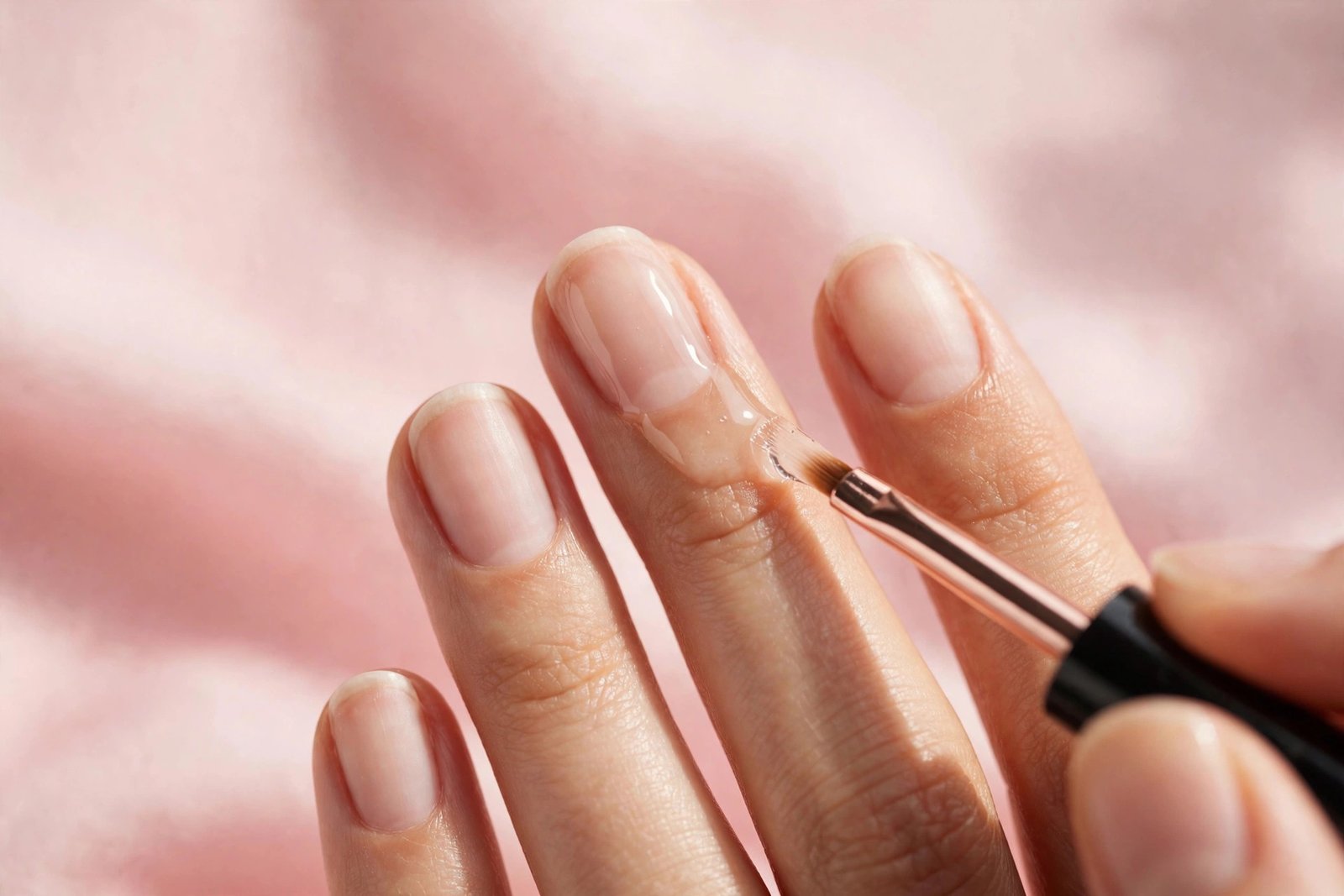
Jojoba and Vitamin E Oil
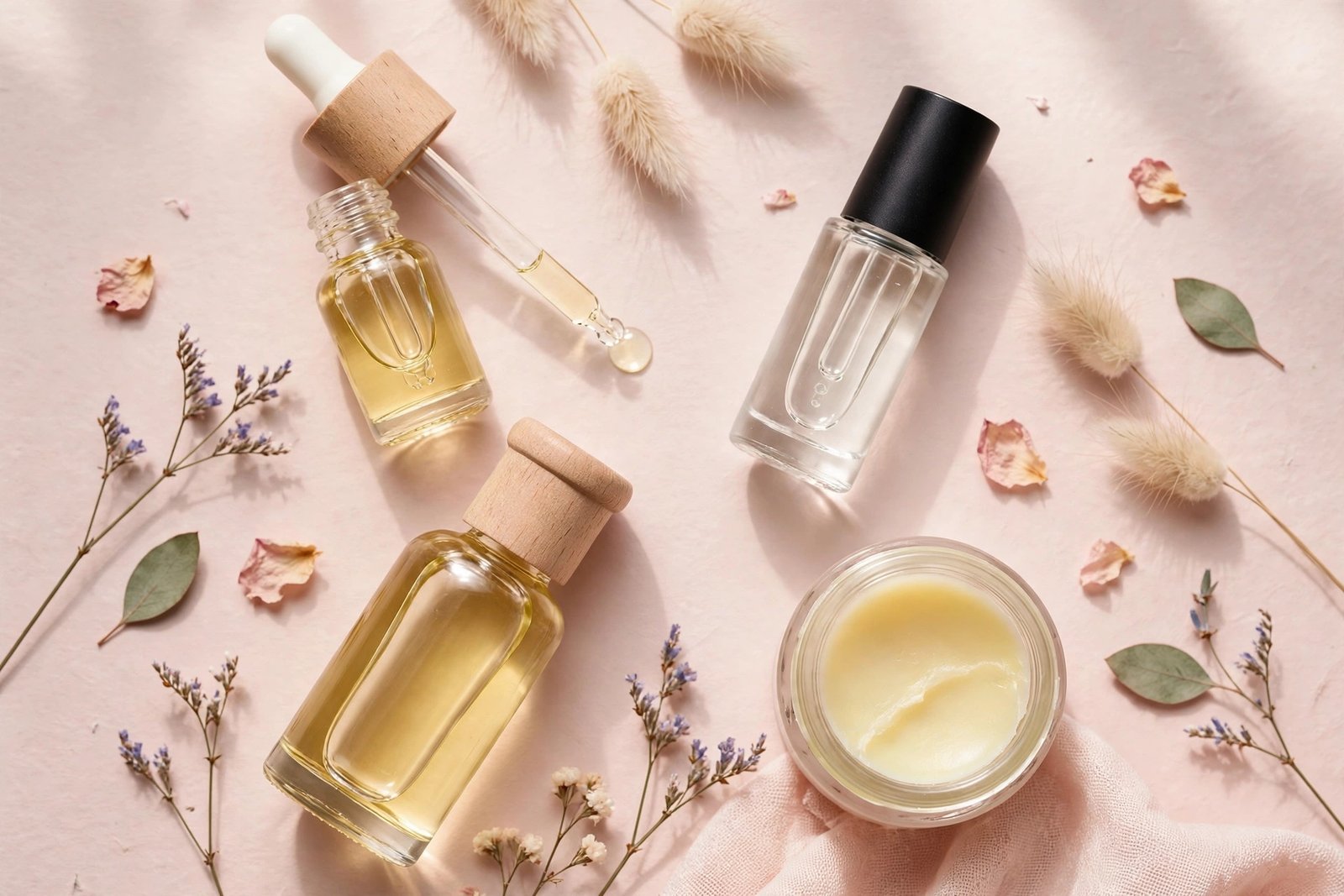
If hardeners are the shield, oils are the nourishment. The nail plate and cuticle area need regular oiling to stay flexible — flexibility is what prevents snapping. Jojoba oil is the gold standard because its molecular structure closely mimics the skin’s natural sebum, so it absorbs well rather than sitting on the surface.
Application:
– Massage 1–2 drops of jojoba or vitamin E oil into each nail and the surrounding cuticle
– Do this at least once daily — ideally at night so it absorbs while you sleep
– For an intensive treatment, apply oil generously, put on cotton gloves, and sleep in them once a week
Consistency matters more than the specific oil. Even plain olive oil or sweet almond oil works if applied regularly.
Biotin Supplements
Biotin (vitamin B7) is the most studied supplement for nail strength. Research has shown that biotin supplementation can improve nail thickness and reduce splitting in people with brittle nails, with some studies reporting improvement in a majority of participants after several months of use.
Important notes:
– Results take time — nails grow slowly (about 3mm per month for fingernails), so allow 3–6 months to judge effectiveness
– Typical studied doses are higher than what’s in a standard multivitamin — talk to a healthcare provider about appropriate dosing
– Biotin can interfere with certain lab tests (including thyroid and heart markers), so tell your doctor you’re taking it before blood work
Keratin-Based Treatments
Some nail treatments contain hydrolyzed keratin, which temporarily fills in microscopic gaps in the nail plate. These work similarly to protein treatments for hair — they add a strengthening layer that reduces breakage while your natural nail grows out healthier underneath.
Diet for Nail Health
You can’t out-treat a nutrient deficiency, so diet is the long game for nail strength. Nails reflect overall nutritional status — here’s what to prioritize:
Protein
Keratin is protein, so adequate protein intake is non-negotiable for nail growth. Most adults need roughly 0.8g of protein per kilogram of body weight daily (more if active). Good sources: eggs, fish, poultry, legumes, Greek yogurt, tofu, and nuts.
Biotin-Rich Foods
Before reaching for supplements, load up on biotin from food: eggs (especially yolks), salmon, sweet potatoes, almonds, sunflower seeds, and avocados. A varied diet covers most people’s needs.
Iron
Iron deficiency is one of the few nutritional issues with a well-documented nail connection — it can cause koilonychia (spoon-shaped nails) and increased brittleness. Iron-rich foods include red meat, lentils, spinach, pumpkin seeds, and fortified cereals. Pair plant-based iron with vitamin C (citrus, bell peppers) to boost absorption.
Zinc
Zinc supports keratin production and cell growth. Find it in oysters, beef, chickpeas, cashews, and pumpkin seeds.
Omega-3 Fatty Acids
These healthy fats help keep the nail bed and cuticles supple from the inside out. Fatty fish (salmon, sardines, mackerel), walnuts, flaxseeds, and chia seeds are excellent sources.
Hydration
Dehydrated bodies grow dehydrated nails. While drinking water alone won’t fix brittle nails, chronic dehydration makes everything worse. Aim for steady hydration throughout the day rather than chugging large amounts at once.
Realistic expectations: dietary changes show up in nails slowly. Since fingernails take about 6 months to grow from base to tip, you’re looking at months before new, stronger growth fully replaces the old nail. That’s normal — not a sign it’s not working.
Daily Habits That Strengthen Nails
Treatments and diet are the foundation, but daily habits are what protect your progress:
-
Wear gloves for wet work. This is the single highest-impact habit change. Keep rubber gloves by the sink and wear them for dishes, cleaning, and gardening. Your nails will thank you within weeks.
-
File in one direction. Sawing back and forth creates micro-tears at the nail edge that turn into splits. File from the outer edge toward the center in smooth, single-direction strokes.
-
Keep nails at a manageable length. Longer nails experience more leverage and break more easily. While you’re strengthening, keep them short to medium — you can grow them out once they’re healthier.
-
Don’t use nails as tools. Opening cans, scraping stickers, prying things apart — every time you do this, you’re stressing the nail plate. Use actual tools instead.
-
Moisturize after every hand wash. Keep hand cream by every sink. The 10 seconds it takes makes a measurable difference over time.
-
Push cuticles, don’t cut them. Cuticles protect the nail matrix (where new nail grows) from infection. Gently push them back after a shower when they’re soft; never cut or tear them.
-
Give nails polish breaks. If you wear polish constantly, take a 1–2 week break every couple of months to let nails breathe and to oil them intensively.
-
Choose acetone-free remover. When you do remove polish, acetone-free formulas are significantly less drying.
For a full weekly routine that puts all of this together, see our nail care routine at home for beginners — it maps out exactly what to do daily, weekly, and monthly.
What to Avoid
Just as important as what to do is what to stop doing:
- Acetone-based removers (unless absolutely necessary — and always follow with oil)
- Cutting cuticles — increases infection risk and damages the nail matrix
- Picking or peeling off gel/dip polish — this rips off layers of your natural nail plate; always soak off properly
- Biting nails — introduces bacteria and causes uneven, weakened edges (if this is a habit, bitter-tasting deterrent polishes can help break it)
- Overusing nail hardeners — more is not better; over-hardened nails snap instead of flexing
- Skipping base coat — polish pigments can stain and dry out the nail plate; always use a base coat
- Very long artificial nails without breaks — constant acrylic/gel wear without breaks can thin the natural nail over time; schedule bare-nail rest periods
If your nails are actively peeling in layers right now, read our guide on why nails peel in layers and how to stop it — it covers the peeling-specific fixes in detail.
FAQ
How long does it take to strengthen weak nails?
Expect 2–3 months to see meaningful improvement, and up to 6 months for a full nail plate turnover. Fingernails grow about 3mm per month, so patience is part of the process. You’ll usually notice less breakage and peeling within the first month of consistent care.
Can weak nails be a sign of something serious?
Usually not — most brittle nails are caused by environmental factors (water, chemicals, dry air). However, if nail changes appear suddenly, affect all nails symmetrically, or come with other symptoms (fatigue, hair loss, skin changes), it’s worth mentioning to a healthcare provider, as thyroid issues, anemia, or nutritional deficiencies can occasionally present this way.
Do nail strengthening polishes actually work?
The good ones do — temporarily. They add a protective layer that reduces breakage while your natural nail grows out. They don’t permanently change your nail’s structure, so think of them as a splint, not a cure. The real fix is the combination of protection (gloves, gentle habits), moisture (oils), and nutrition.
Is biotin safe to take long-term?
Biotin is water-soluble, so excess is excreted rather than stored, and it’s generally considered safe. The main concern is that high-dose biotin can interfere with certain lab tests — always tell your doctor you’re taking it before blood work.
Why do my nails peel even though I moisturize?
Peeling is usually caused by the wet-dry cycle (water exposure) rather than lack of surface moisture alone. If you moisturize but still do dishes barehanded or swim frequently without protection, the swelling/shrinking cycle continues. Gloves + oil is the combination that stops peeling — moisturizer alone often isn’t enough. Our peeling nails guide goes deeper on this specific issue.
Key Takeaways
- Weak nails are usually fixable — the top causes are water exposure, harsh chemicals, and dryness, not mysterious deficiencies
- Wear gloves for wet work — the single highest-impact habit change you can make
- Oil daily — jojoba or vitamin E oil massaged into nails and cuticles keeps the plate flexible
- Use a formaldehyde-free nail hardener as a short-term boot camp (2–3 weeks), not permanently
- Eat for nail health — protein, biotin-rich foods, iron, zinc, and omega-3s support keratin production
- Be patient — nails grow slowly; allow 2–3 months for visible improvement and 6 months for full renewal
- Stop the damage — file in one direction, don’t pick off polish, take polish breaks, and never cut cuticles
Strong nails aren’t about one miracle product — they’re the result of protecting what you have while giving new growth the nutrients and care it needs. Start with gloves and daily oiling this week; those two habits alone make a bigger difference than most people expect.
Love this? Pin it for later!