Best Lipstick Shades for Women Over 50: Hydrating, Flattering Picks
Lips change with age — they lose volume, definition, and natural color — and the lipsticks that worked at 35 can start feathering into fine lines or washing you out at 55. The best lipstick shades for women over 50 are not about playing it safe with bare nudes; they are about choosing hydrating formulas in mid-tone shades that restore color and definition without bleeding.
This guide covers the most flattering shade families, the formulas that work best on mature lips, how to stop feathering and bleeding, and the liner techniques that make everything last. For the full-face context, see our complete makeup routine for mature skin over 40 — and if your current lip routine is working against you, check the lip mistakes in our makeup mistakes that make you look older.
Why Lipstick Needs Rethinking After 50
Three changes drive every lipstick decision after 50:
Lips thin and lose definition. The vermilion border — the crisp edge between lip and skin — softens with age, which is why color migrates. Liner is not optional anymore; it rebuilds the boundary.
Lips get drier. Mature lips produce less moisture, so drying formulas settle into lip lines and emphasize them. Hydration in the formula matters more than the shade itself.
Natural lip color fades. The lips’ own pigment lightens with age, which is why shades that once looked natural can now look washed out, and why a bit more color than you expect usually looks best.
The Most Flattering Shade Families
Berry Tones: The Universal Winner
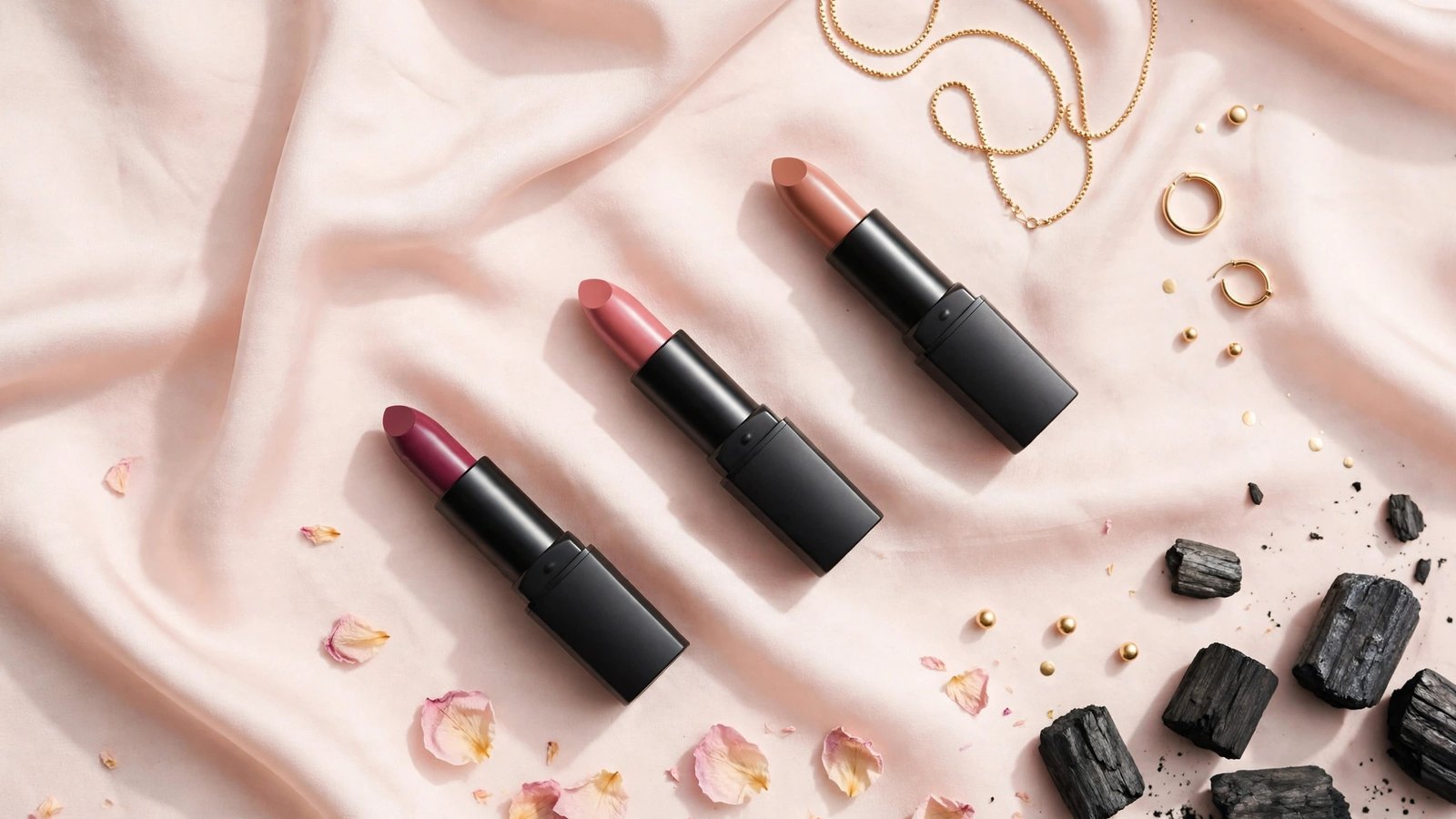
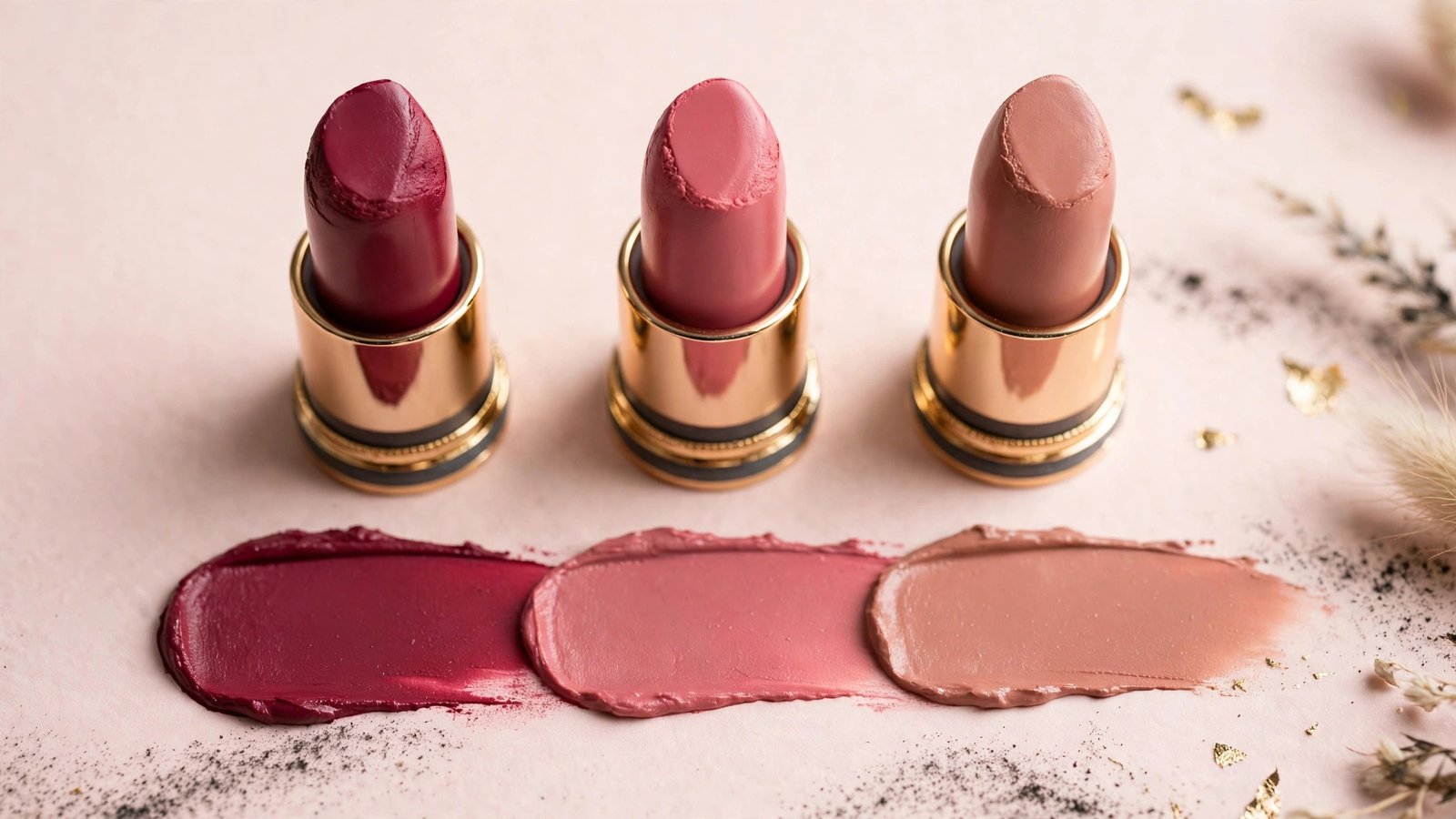
Berry — from soft raspberry to deeper plum-berry — is the most universally flattering lipstick family for women over 50. Berries restore the natural flush lips lose with age, suit nearly every skin tone, and read as polished without trying too hard. Makeup artists consistently name a mid-tone berry as the one shade every mature makeup bag needs. Deeper berries work beautifully for evening; softer raspberries are perfect for day.
Rose and Mauve: The Everyday Neutrals
Blue-based roses and soft mauves flatter cool and neutral undertones and give a fresh, healthy look that never feels overdone. They are the “my lips but better, with confidence” shades — ideal for work, daytime, and anyone easing back into color. Avoid roses that are too pale or frosty, which can wash out mature skin.
Warm Nudes: Choose Carefully
Nude lipstick after 50 works — but the nude has to have enough pigment. A nude that matches your skin exactly erases the lips; a warm nude one or two shades deeper than your natural lip color defines them. Look for peachy-beige, warm caramel, and cinnamon nudes rather than pale concealer-like shades. If a nude makes you look tired, it is too light.
Classic Red: Yes, You Still Can
Red lipstick has no age limit — but the formula and undertone matter more now. Blue-based reds brighten the teeth and suit most skin tones; warm brick reds flatter warm undertones. Choose a creamy satin red over a dry matte, line carefully, and you have the most confidence-boosting shade in existence. Our bold red lip holiday guide has occasion-specific red tips.
Shades to Approach with Caution
- Very dark vampy shades (near-black plum, deep brown): can make lips look smaller and draw attention to lip lines.
- Pale frosty shades: wash out mature skin and emphasize dryness.
- Neon or very bright corals: can clash with the softer contrast of a mature face — though a softened coral can still work.
- Orange-based shades: can make teeth look yellow; blue-based shades do the opposite.
Formulas: What Works Best on Mature Lips
Creamy satins: The sweet spot. Enough pigment for real color, enough moisture to keep lips comfortable, and a finish that reflects light softly instead of sinking into lines. If you buy one lipstick type after 50, make it this.
Sheers and tinted balms: Lovely for everyday and for anyone rebuilding a lip routine from scratch. Less precise, but very forgiving — they will not emphasize lines. Our lip stain vs lipstick guide compares sheer options.
Hydrating liquid lipsticks: The newer generation of comfortable liquid formulas (not the old dry mattes) can work well — look for “hydrating,” “velvet,” or “comfort” in the name and avoid anything described as transfer-proof or 24-hour wear, which usually means drying.
Traditional mattes: Approach with caution. Classic matte lipsticks are the driest option and the most likely to settle into lip lines. If you love matte, prep extra well (exfoliate, balm, liner) and consider blotting a satin lipstick instead — you get a similar look with more comfort.
Glosses: A gloss or a dab of gloss over lipstick in the center of the lower lip creates the illusion of fullness. Modern non-sticky glosses are comfortable enough for all-day wear.
For the full beginner breakdown of lip products, see our lip makeup guide for beginners.
How to Stop Lipstick Feathering and Bleeding
Feathering — color migrating into the fine lines around the mouth — is the number-one lipstick complaint after 50. It is fixable:
1. Exfoliate and Hydrate First
Gently exfoliate lips to remove flakes that catch color unevenly — a DIY scrub works beautifully (see our honey sugar lip scrub recipe). Then apply lip balm and let it absorb for a few minutes. Lipstick applied over wet balm slides; over absorbed balm, it grips.
2. Line the Lips — Properly
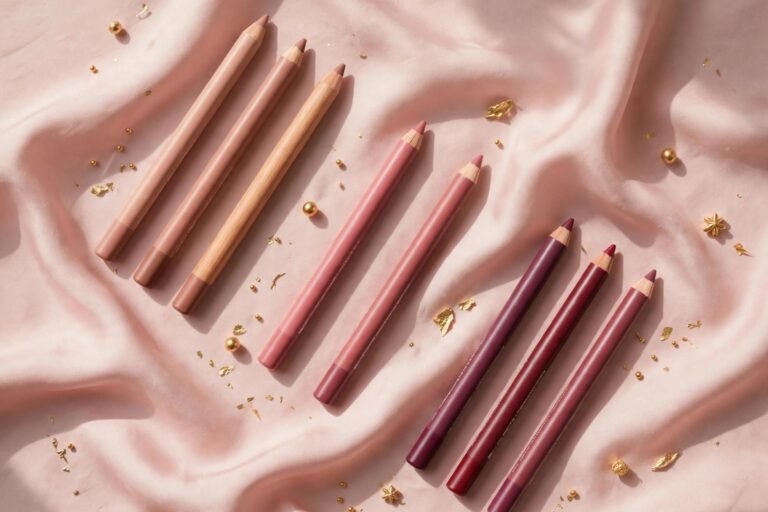
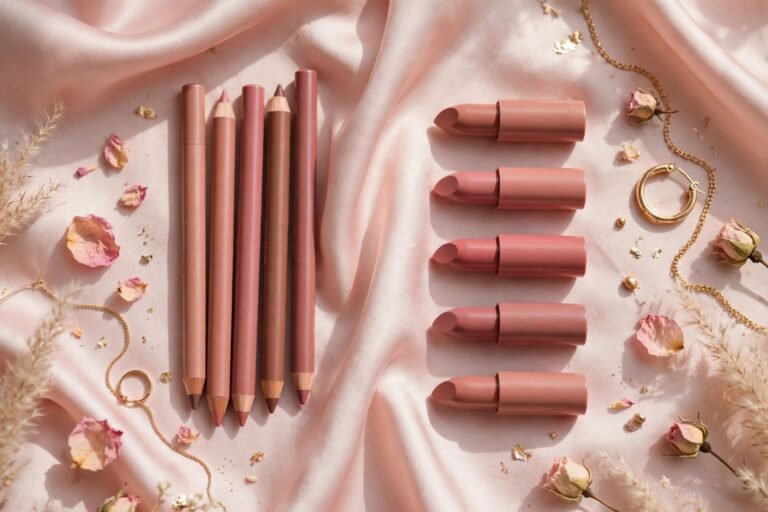
Lip liner is the single best anti-feathering tool. Choose a liner that matches your lipstick or your natural lip tone, outline the natural lip line (do not overdraw dramatically — a slight overline of the cupid’s bow at most), then fill in the entire lip with the liner. This creates a waxy base that grips the lipstick and blocks migration. Our how to apply lip liner walks through the technique.
3. Apply in Thin Layers and Blot
Apply lipstick, blot gently with a tissue, then apply a second thin layer. This builds color that lasts without a thick, mobile layer that bleeds. For more staying-power tricks that do not require drying formulas, see our how to make lipstick last longer.
4. Clean Up the Edges
After applying, run a small brush with a touch of concealer just outside the lip line. This sharpens the edge and creates a barrier that discourages feathering. It takes thirty seconds and makes an enormous difference in photos.
5. Consider a Lip Primer
Lip primers — clear, waxy bases applied before color — fill in lip lines and give lipstick a smooth canvas. They are especially helpful if feathering persists despite liner.
Finding Your Shade: A Simple Method
Forget complicated undertone charts for a moment and try this practical approach:
- Start with berry. Try a mid-tone berry first — it flatters the widest range of mature skin tones. If it looks right, you have your anchor shade.
- Go one step softer for day. Find the rose or warm nude version of your berry for everyday wear.
- Go one step deeper for evening. A deeper berry or a classic red covers nights out.
- Check in daylight. Store lighting lies. Step outside or check by a window before committing.
- Consider your teeth. Blue-based shades (berry, blue-red, mauve) make teeth look whiter; orange-based shades can emphasize yellowness.
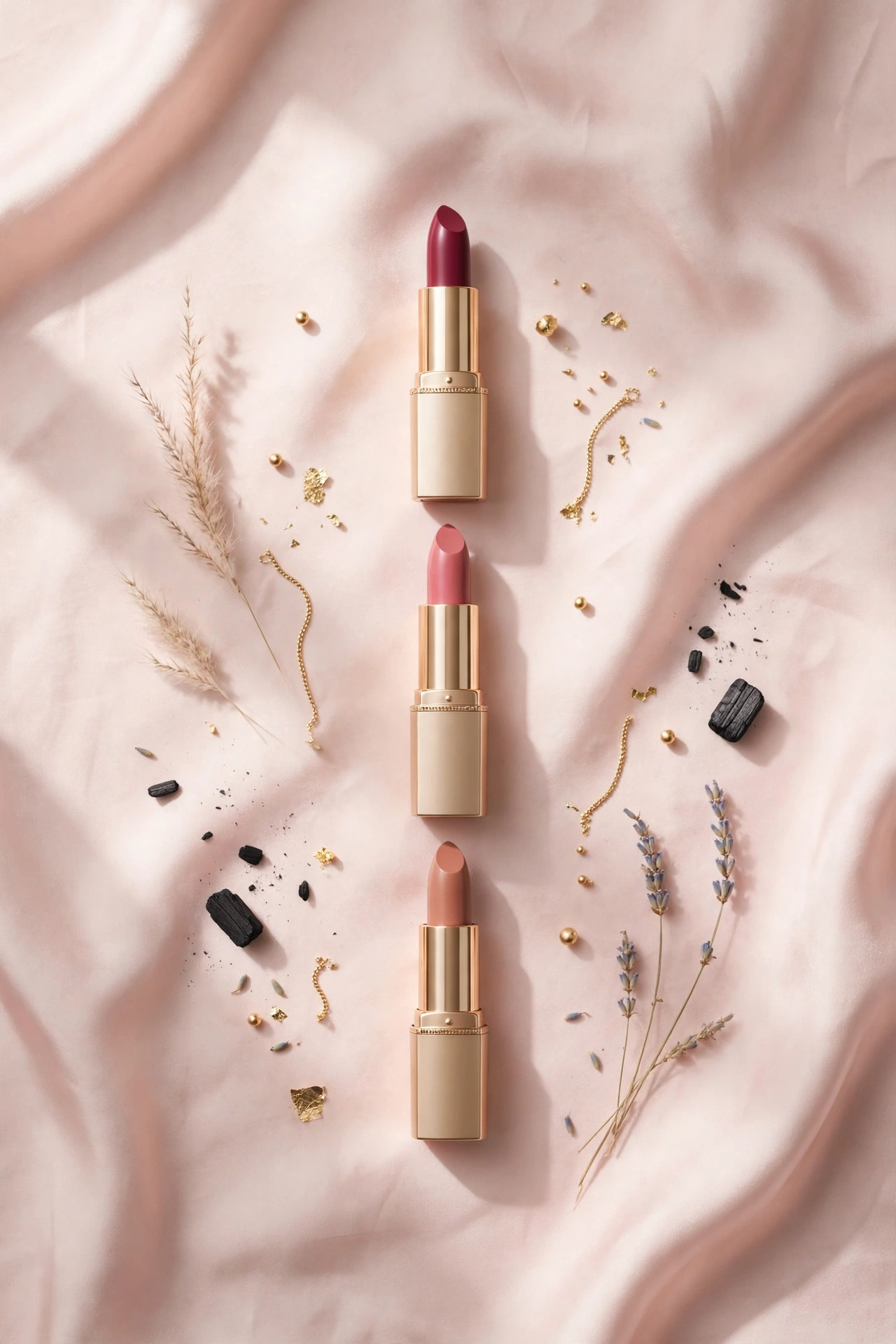
Three lipsticks — a berry, a rose/nude, and a red or deep berry — cover virtually every occasion after 50.
Seasonal Notes for Mature Lips
Lips get drier in winter, when indoor heating and cold air strip moisture. In colder months, layer balm under lipstick more generously and keep a hydrating gloss on hand for midday touch-ups. Our winter remedies for dry lips covers the skincare side. In summer, remember that lips can burn — a lip product with SPF for daytime is a smart habit at any age.
Key Takeaways
- The best lipstick shades for women over 50 are mid-tone berries, roses, warm nudes with enough pigment, and creamy blue-based reds.
- Hydrating satin and cream formulas flatter mature lips; dry traditional mattes settle into lip lines.
- Lip liner matched to your lipstick or natural lip tone — used to fill the whole lip — is the best defense against feathering.
- Prep matters: exfoliate, apply balm and let it absorb, then apply lipstick in thin blotted layers.
- Blue-based shades make teeth look whiter; avoid very dark, pale frosty, or neon shades that fight a mature face’s softer contrast.
- A three-lipstick wardrobe (berry, rose/nude, red or deep berry) covers every occasion.
Frequently Asked Questions
What color lipstick makes you look younger after 50?
Mid-tone berries and warm roses are the most youth-giving shades — they restore the natural flush lips lose with age. Blue-based shades also brighten the smile by making teeth look whiter. The formula matters as much as the color: creamy and hydrating always looks younger than dry and matte.
How do I keep lipstick from bleeding into lines around my mouth?
Exfoliate and moisturize lips first, then line and fill the entire lip with a liner matching your lipstick, apply lipstick in thin blotted layers, and clean up the outer edge with a touch of concealer. A lip primer adds extra insurance for persistent feathering.
Should women over 50 wear matte lipstick?
Classic dry mattes are the least flattering option for mature lips since they settle into lip lines. If you love the matte look, choose modern hydrating matte or velvet formulas, prep thoroughly, or blot a satin lipstick — you get similar visual payoff with far more comfort.
What is the best nude lipstick for older women?
A warm nude one to two shades deeper than your natural lip color — peachy-beige, warm caramel, or cinnamon tones. Avoid nudes that match your skin exactly (they erase the lips) and pale frosty nudes (they wash you out). When in doubt, go slightly deeper and warmer than you think.
Does dark lipstick make you look older?
Very dark shades (near-black plum, deep brown) can make lips look smaller and emphasize lip lines, which reads as aging. But a rich berry or classic red — deep without being vampy — is flattering at any age. It is the extreme dark end of the spectrum to be cautious with, not depth itself.
How often should I replace my lipstick?
Lipsticks generally last 12 to 18 months after opening. Old lipstick can harbor bacteria, change texture, and develop an off smell. If your lipstick drags, smells waxy or strange, or the color has shifted, replace it — fresh product also applies more smoothly on mature lips.
Love this? Pin it for later!