Lip Stain vs Lipstick: Which One Should You Actually Buy?
Stand in front of any lip display and you’ll face the same quiet dilemma: the familiar lipstick bullet, or the little bottle of lip stain promising all-day color? They both tint your lips, but they work in completely different ways — and choosing the wrong one for your needs is why so many beginners end up with a product they never reach for.
The fundamental difference: lipstick sits on your lips, delivering opaque color and varied finishes; lip stain soaks into your lips, tinting the skin itself for sheer-to-buildable color that fades evenly over hours. Neither is universally better — they’re built for different priorities. This comparison, part of the [lip makeup guide for beginners → lip-makeup-guide-for-beginners], breaks down finish, wear time, ease of use, and cost, so you can pick confidently. (If your question is liner rather than stain, the separate [lip liner vs lipstick → lip-liner-vs-lipstick] comparison covers that pairing.)
Key Takeaways
- Lipstick sits on the lips (opaque color, many finishes); lip stain tints the lip skin itself (sheer, natural, long-wearing).
- Lip stains outlast most lipsticks (6–10 hours vs 2–6) and fade evenly instead of wearing off in patches.
- Lipsticks win on shade range, finish variety, opacity, and comfort — stains are drier and sheerer.
- Lip stains are the most beginner-forgiving color product: mistakes blend out and there’s no harsh edge to get wrong.
- The main stain trade-off is dryness — balm before (blotted) and gloss or balm after is the standard routine.
- For maximum wear with zero technique, choose a stain; for bold, opaque, or glossy looks, choose lipstick.
- Many people end up owning both and choosing by occasion — that’s the normal, sensible outcome.
How Each Formula Works
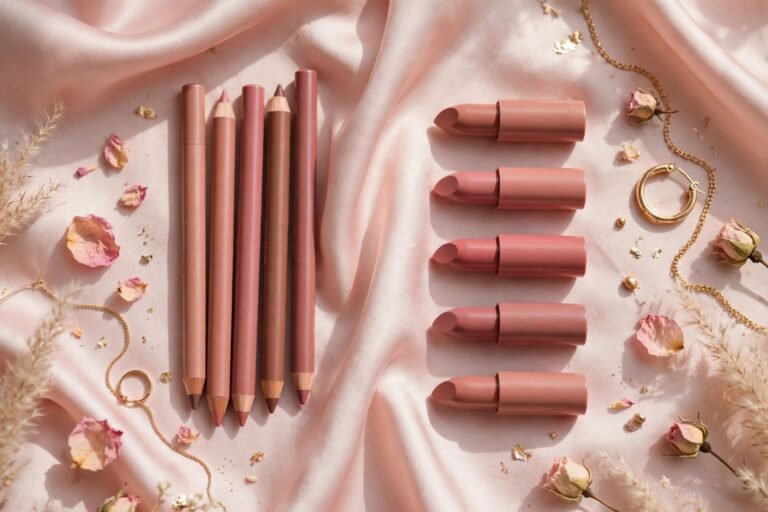
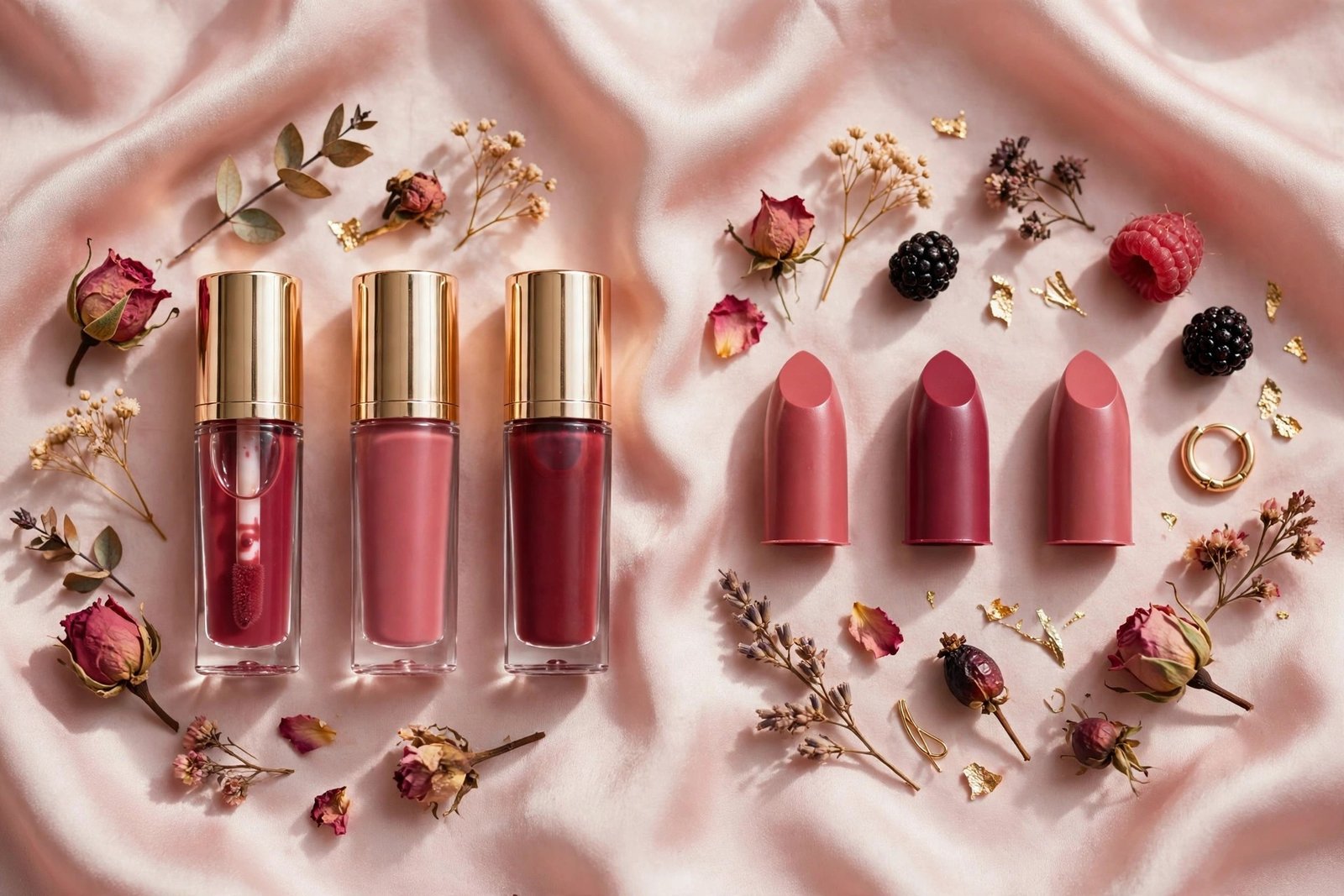
Lipstick is pigment suspended in waxes, oils, and emollients, pressed into a bullet (or thinned into a liquid). When you apply it, you’re laying a colored film over the lip surface. That film is what gives lipstick its opacity, its range of finishes (cream, satin, matte), and its comfort — but it’s also what transfers onto cups, feathers at the edges, and wears off in patches as the film breaks down through the day.
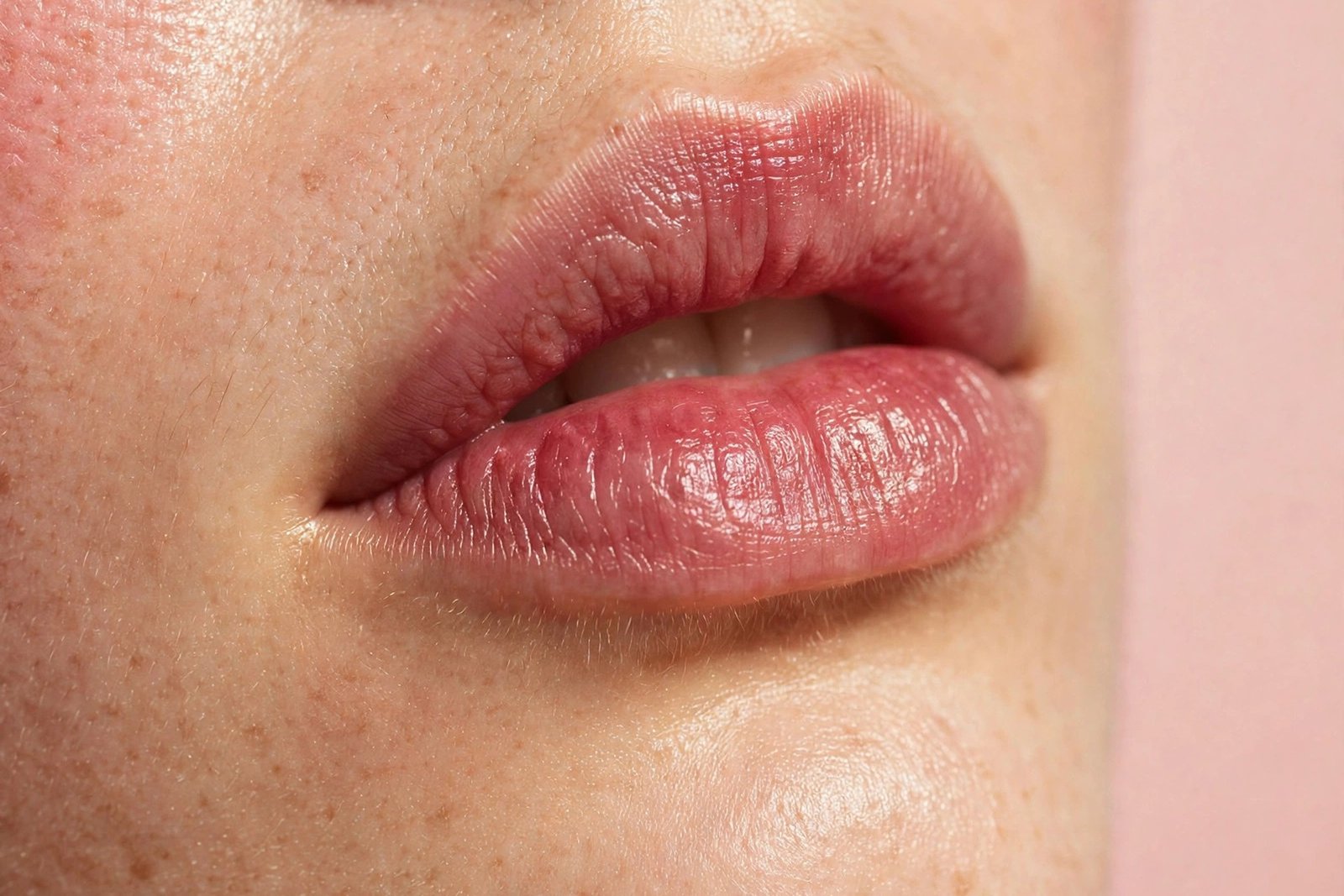
Lip stain is pigment (usually water- or gel-based) designed to absorb into the top layers of the lip skin, much like a temporary dye. There’s minimal film sitting on the surface, which is why stains barely transfer, don’t feather, and fade gradually and evenly rather than disappearing in chunks. The trade-off: because there’s little emollient in the formula, stains feel drier, and because the color comes from absorbed dye rather than surface pigment, the finish is inherently sheer-to-medium — never fully opaque.
Understanding this mechanism explains every difference below. It’s not marketing; it’s chemistry.
Head-to-Head Comparison
| Lip Stain | Lipstick | |
|---|---|---|
| How it works | Dyes the lip skin | Colored film on the lip surface |
| Finish | Natural, sheer, skin-like | Cream, satin, matte, sheer, glossy |
| Opacity | Sheer to medium-buildable | Medium to full |
| Wear time | 6–10 hours | 2–4 hrs (cream) to 6–8 hrs (matte/liquid) |
| How it fades | Evenly, gradually | In patches, center first |
| Transfer | Minimal | Moderate to high |
| Feathering risk | Very low | Moderate (needs liner) |
| Comfort | Can feel dry | Generally comfortable |
| Shade range | Smaller | Huge |
| Beginner forgiveness | Very high | Medium (technique helps a lot) |
| Touch-ups | Rarely needed | Often needed |
Finish and Look: What Each One Gives You
Choose lipstick when the finish matters. If you want a true matte, a glossy shine, a satin glow, or full opaque coverage in a specific shade — lipstick is the only option. Stains come in essentially one finish: the natural, “your lips but tinted” look. That look is beautiful and very on-trend (the blurred, bitten-lip aesthetic dominating 2026 is stain territory), but it can’t do drama. A classic red-carpet red, a dark vampy berry, a shiny vinyl lip — all lipstick jobs.
Choose stain when natural is the goal. Stains excel at the looks that are hardest to achieve with lipstick: the just-bitten flush, the diffused Korean/Japanese gradient lip, the “no-makeup makeup” tint. Because the color lives in the skin rather than on it, the result looks like your lips, only better — no visible product edge, no texture change.
Wear Time: The Honest Numbers
This is the stain’s biggest win. A good lip stain genuinely lasts 6–10 hours through talking, drinking, and light eating, fading so gradually you barely notice. Most cream lipsticks manage 2–4 hours before the center fades; even matte bullets typically need attention by hour 5–6.
But context matters: lipstick’s wear time is highly technique-dependent. The layering system in [how to make lipstick last longer → how-to-make-lipstick-last-longer] — liner base, thin blotted layers, powder setting — can push a satin lipstick to 6+ hours. Stain’s wear time is technique-independent: you swipe it on and it lasts, no system required. So the real comparison is: stain gives you long wear for free; lipstick gives you long wear if you work for it.
Ease of Use: Which Is More Beginner-Friendly?
Lip stain wins for beginners, and it’s not close. Here’s why:
- No harsh edges. Stain’s soft, absorbed edge means there’s no lip line to get wrong. Wobbly application still looks fine because the finish is inherently diffused.
- No liner needed. Stains don’t feather, so the entire liner step — the most technique-heavy part of the [beginner’s lip routine → lip-makeup-guide-for-beginners] — becomes optional.
- Mistakes self-correct. Applied too much? It absorbs and evens out. Uneven spots? They blend as the stain sets. Lipstick mistakes sit visibly on the surface until you fix them.
- One product, done. No base, no blotting, no setting, no touch-up kit. For a beginner who finds the full lipstick routine overwhelming, a stain is the lowest-friction path to wearing lip color.
Lipstick’s learning curve is real but manageable. It demands prep (dry lips show through), liner for bold shades, and the blotting/layering technique for wear. The payoff is control: exact shades, exact finishes, exact opacity. Most beginners graduate to lipstick as their skills grow — but there’s no rule saying you must.
The Dryness Factor: Stain’s Main Downside
The most common complaint about lip stains is dryness, and it’s legitimate. Stain formulas contain little moisturizing content, and the dyeing action itself can leave lips feeling tight as the day goes on. The standard routine that solves it:
- Exfoliate and hydrate first — smooth, moisturized lips take stain more evenly. The [DIY honey sugar lip scrub → diy-honey-sugar-lip-scrub] is ideal weekly prep.
- Apply balm, then blot it off completely before the stain. Any slipperiness blocks absorption and causes patchiness.
- Apply the stain in a thin layer; let it set for a minute (don’t press lips together while it’s wet or you’ll get uneven transfer).
- Top with balm or gloss once set. The stain provides the color; the balm provides the comfort. Reapply balm through the day as needed — the stain underneath stays put.
In winter or very dry climates, this matters more — the [dry lips winter remedies → dry-lips-winter-remedies] guide covers the overnight treatments that keep lips stain-ready in harsh weather.
Lip Stain Product Types: Which Format to Pick
Stains come in several formats, and they behave differently:
- Water tints. The classic: very liquid, very sheer, very natural. Easiest to apply (doe-foot or brush), most forgiving, but the sheerest result. Best first stain for a true beginner.
- Gel stains. Thicker than water tints, more color payoff, slightly easier to control placement. A good middle ground — more visible color with most of the forgiveness.
- Peel-off stains. Applied as a film, left to dry, then peeled away to reveal the tint underneath. Longest wear of all (often 10+ hours) but the fussiest application and the most drying. Best for special occasions, not daily use.
- Stain balms and tinted oils. Hybrids that trade some wear time for much more comfort. Good for dry lips, but closer to a tinted balm in longevity (3–5 hours) than a true stain.
For a beginner, the recommendation is simple: start with a water tint or gel stain in a rose or berry shade. It’s the format with the gentlest learning curve and the most natural result.
Cost and Value Comparison
Per-application, stains are usually the better value: one bottle lasts months (you use very little per application), and you don’t need the supporting products lipstick demands (liner, powder, touch-up lipstick in your bag). Lipstick’s true cost includes its ecosystem — though a single cream lipstick worn alone is still one of the cheapest ways to wear color.
Neither category requires spending much. Both drugstore and prestige options exist in each, and formula quality at the drugstore level is genuinely good in 2026. Spend based on shade and finish preference, not price-tier assumptions.
So Which Should You Buy? Decision Guide
Buy a lip stain first if you:
– Are a true beginner who wants color with minimal technique
– Prioritize long wear and low maintenance above all
– Love natural, diffused, “my lips but better” looks
– Hate reapplying and carrying touch-up products
– Want the 2026 blurred/b bitten-lip trend looks
Buy a lipstick first if you:
– Want bold, opaque, or specific shades (true red, deep plum, bright coral)
– Care about finish variety (matte, satin, glossy)
– Enjoy the ritual of full makeup application
– Need maximum comfort for dry lips (creams and satins)
– Are building toward the full routine in the [lip makeup guide for beginners → lip-makeup-guide-for-beginners]
Buy both (eventually) if you: want stain for weekdays and lipstick for evenings out — the combination most makeup wearers settle into. They’re complementary, not competing.
Frequently Asked Questions
Can you layer lipstick over lip stain?
Yes, and it’s a great combination: the stain provides a long-wearing tint base, and a sheer lipstick or gloss over it adds finish and dimension. Let the stain set fully first (about a minute), then apply lipstick normally. The stain underneath means even when the lipstick fades, color remains.
Do lip stains damage your lips?
No — they’re cosmetic dyes, not chemical treatments. But they can be drying, and applying stain to already-cracked lips can sting and look patchy. Keep lips exfoliated and moisturized as a baseline, and skip stain on days when lips are badly chapped.
Why does my lip stain look patchy?
Almost always a prep issue: dry flakes absorb stain unevenly, and unblotted balm blocks absorption in spots. Exfoliate, hydrate, blot balm off completely, then apply. Also avoid pressing lips together while the stain is still wet.
How do you remove lip stain at the end of the day?
Oil-based removers work best — cleansing oil or balm, held against the lips for 30 seconds then wiped away. Regular makeup wipes struggle with stain because the color is in the skin, not on it. Don’t scrub; let the oil do the dissolving.
Is lip stain or lip tint the same thing?
Essentially yes — “lip tint” is the Korean beauty term for the same category of absorbed-color lip products. Water tints, specifically, are the K-beauty format that popularized the category. If you see either term, expect sheer, natural, long-wearing color.
Which lasts longer: lip stain or liquid lipstick?
Comparable at the top end — both reach 6–10 hours. Liquid lipstick gives you full opacity with that wear; stain gives you sheerness with that wear. Stain fades more gracefully (even fade vs. liquid lipstick’s tendency to flake at the edges late in the day), while liquid lipstick needs no balm-topping to stay comfortable… actually, both benefit from it. Choose by the finish you want.
Lip stain and lipstick answer different questions. Stain answers “how do I get color that lasts all day with no effort?” Lipstick answers “how do I get exactly the color and finish I want?” Most lip-color lovers eventually keep both in their kit and reach for whichever fits the day. Start with the one that matches your priority — stain for ease and wear, lipstick for impact and variety — and let the [lip makeup guide for beginners → lip-makeup-guide-for-beginners] show you how each fits into the full routine. And if you’re still weighing liner against lipstick as your next purchase, the [lip liner vs lipstick → lip-liner-vs-lipstick] breakdown settles that decision too.
lip makeup guide for beginners
lip liner vs lipstick
how to make lipstick last longer
DIY honey sugar lip scrub
dry lips winter remedies
Love this? Pin it for later!