Best Cream Blush for Dry Skin: Hydrating Formulas That Won’t Cling
Dry skin and blush have a complicated relationship. Powder formulas — the default recommendation for beginners — can cling to dry patches, settle into fine lines, and turn a fresh flush into a patchy, cakey mess by midday. Cream blush solves most of these problems at the formula level: instead of sitting on top of dry skin, it melds with it, delivering color with a dewy, hydrated finish that actually flatters dryness rather than fighting it.
This guide breaks down the best cream blush types for dry skin — the formats, ingredients, and finishes to look for — plus application techniques designed for flaky, tight, or dehydrated complexions. No brand hype, no testing claims: just honest, research-based guidance on what makes a cream blush work for dry skin so you can shop any brand with confidence. For the fundamentals, see our complete [blush guide for beginners → blush-guide-for-beginners].
Key Takeaways
- Cream blush suits dry skin better than powder because it melds with skin instead of clinging to dry patches.
- Look for hydrating ingredients: hyaluronic acid, glycerin, squalane, ceramides, and nourishing plant oils.
- Dewy and satin finishes flatter dry skin; avoid matte cream formulas, which can look flat and tight.
- Stick, pot, and tube formats each have trade-offs — pots offer the most control for dry skin.
- Prep is half the battle: moisturized, gently exfoliated skin takes cream blush far more evenly.
- Apply with fingers or a damp sponge using pressing motions — never drag across dry skin.
- Layering a sheer powder blush over cream extends wear without sacrificing the dewy finish.
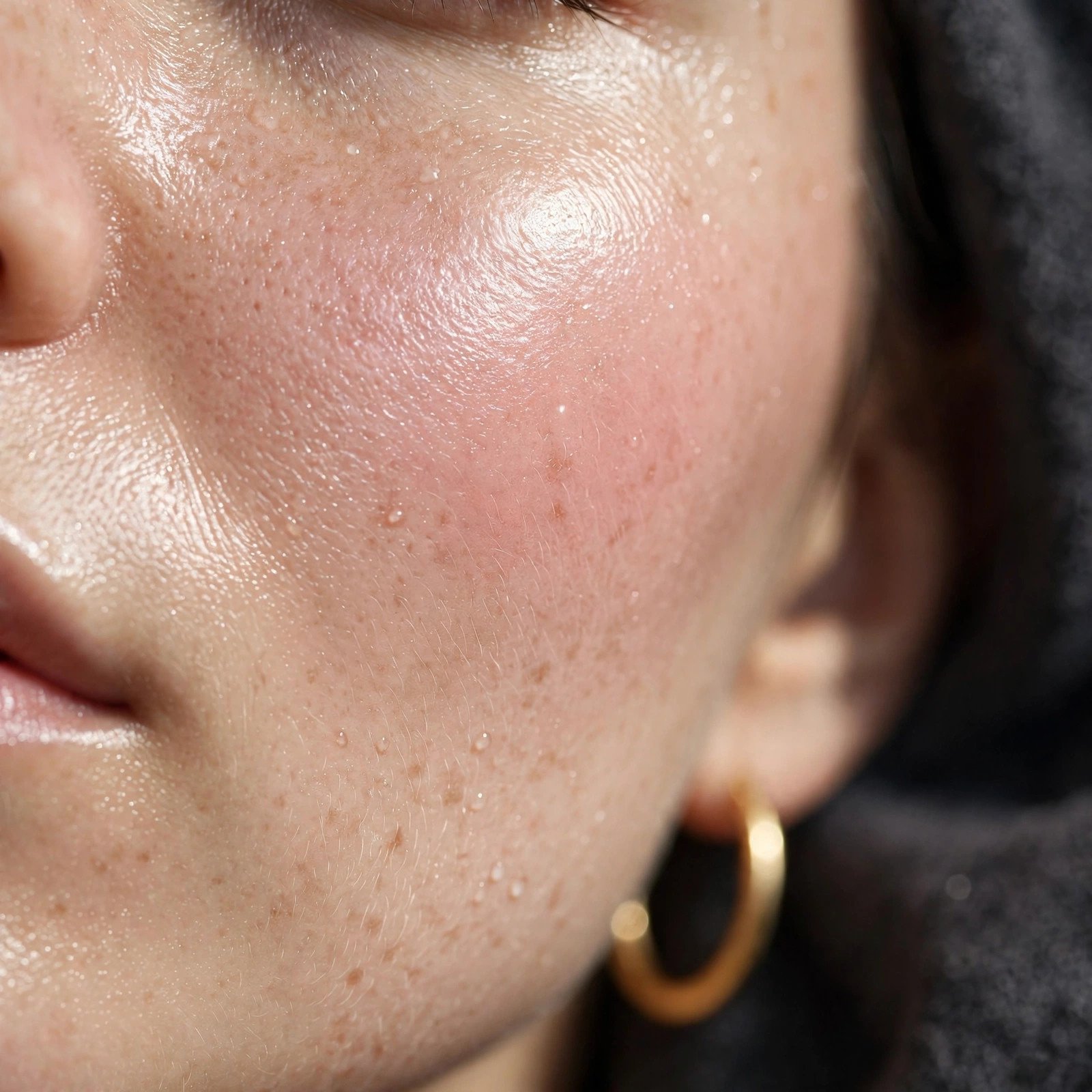
Why Cream Blush Wins for Dry Skin
The advantage is structural. Powder blush is dry pigment that sits on the skin’s surface. On well-hydrated skin, that’s fine — but on dry skin, the surface is uneven: microscopic flakes, rough patches, and areas of varying texture. Powder grabs onto the rough spots and skips over the smooth ones, creating the patchy, accentuated-texture effect that frustrates so many dry-skinned blush wearers.
Cream blush works differently. Its emollient base fills in micro-texture rather than highlighting it, and the pigment suspends evenly across the skin instead of catching on flakes. The result is color that looks like it’s coming from within the skin rather than sitting on top of it. Additionally, most cream blush formulas contain moisturizing ingredients that keep the cheek area comfortable throughout the day — no tight, powdery feeling by afternoon.
This doesn’t mean powder blush is forbidden for dry skin — a finely milled satin powder over well-moisturized skin can work. But cream is the path of least resistance: it flatters dry skin with less prep, less technique, and less risk. Our full [cream vs powder comparison → cream-blush-vs-powder-blush] covers the trade-offs in detail.
What to Look for: Ingredients That Help Dry Skin
Not all cream blushes are equally hydrating. The ingredient list tells you which formulas will genuinely comfort dry skin and which are just cream-textured color. Here’s what to look for:
Humectants (draw moisture into skin): Hyaluronic acid (sodium hyaluronate), glycerin, and aloe. These ingredients help the blush keep the cheek area hydrated rather than just depositing color. Glycerin is particularly common in cream blush and genuinely effective.
Emollients (smooth and soften): Squalane, ceramides, shea butter, and jojoba oil. These fill in rough texture and keep the formula flexible on the skin throughout the day, preventing the tight feeling some long-wear formulas cause. Squalane is a standout — lightweight, non-comedogenic, and excellent for dry skin.
Nourishing oils (in moderation): Argan oil, rosehip oil, and vitamin E. Small amounts add comfort and glow. Be cautious with heavy oils (coconut oil, cocoa butter) if you’re also acne-prone — they’re more comedogenic.
What to avoid in cream blush for dry skin:
– High alcohol content (denatured alcohol/alcohol denat. high on the ingredient list) — drying and irritating, counterproductive in a hydrating product.
– Heavy fragrance — a common irritant for dry, sensitive skin; fragrance-free is the safer choice.
– Matte or “long-wear” cream formulas — these often contain drying film-formers and clays that defeat the purpose of choosing cream for dry skin.
– Talc-heavy cream-to-powder formulas — some “cream” blushes are loaded with talc and set to a powder finish, behaving more like powder on dry skin.
The label shortcut: Look for words like “dewy,” “hydrating,” “luminous,” “balm,” or “serum” in the product name or description. Be skeptical of “matte cream” or “velvet matte” for dry skin — the matte finish usually means a drier formula regardless of the cream texture.
The 4 Cream Blush Formats, Compared for Dry Skin
Cream blush comes in four main formats. Each has distinct advantages for dry skin:
1. Pot or Compact Cream Blush
What it is: Cream blush in a traditional compact or screw-top pot, applied with fingers or a brush.
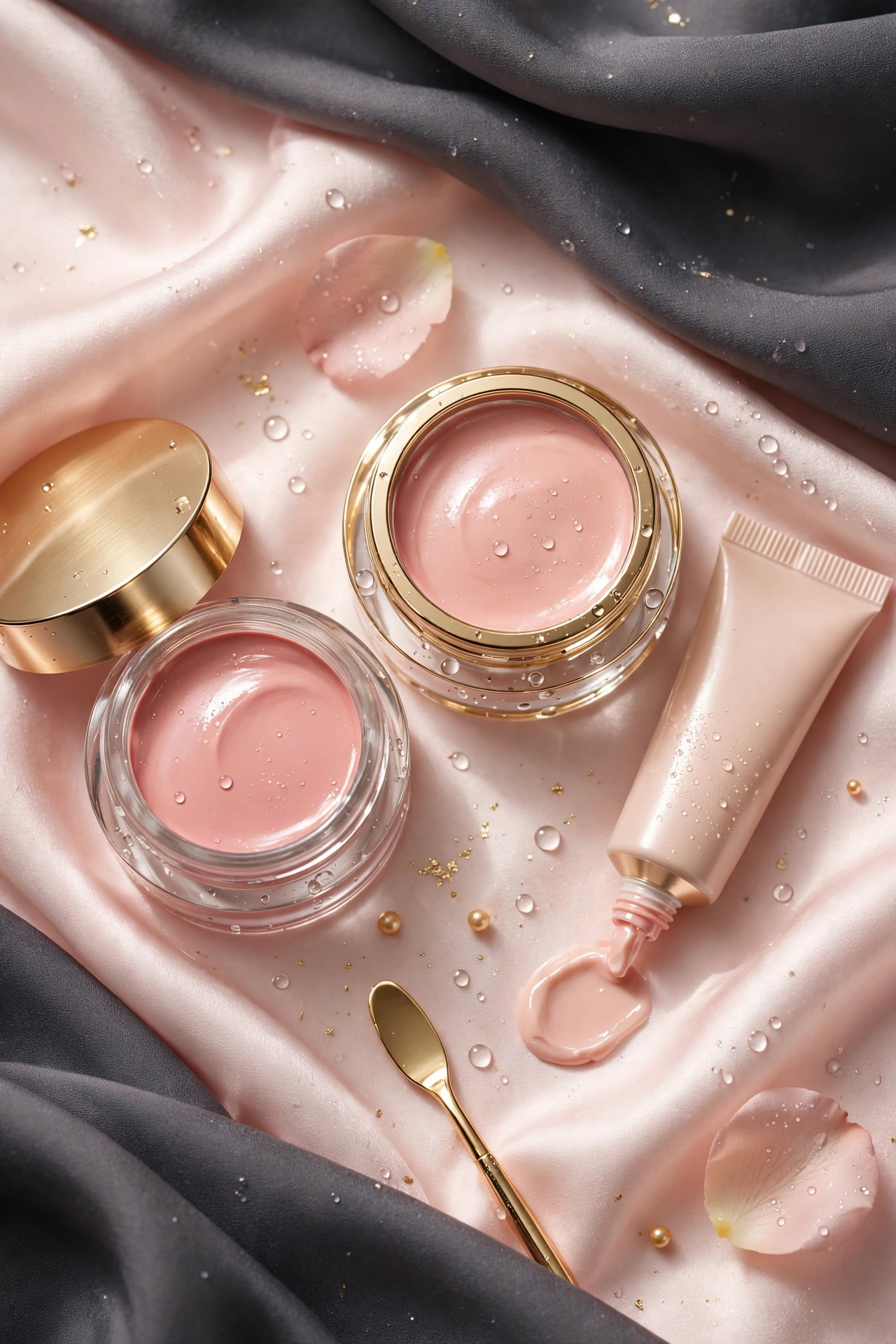
Why it suits dry skin: Pots typically contain the richest, most emollient formulas — the balm-like textures that dry skin loves. You control exactly how much product you pick up, warming it on the back of your hand first for the smoothest application. The format also makes it easy to layer sheer coats.
Watch for: Hygiene — dipping fingers into pots repeatedly introduces bacteria. Use clean fingers or a small spatula, and consider potting a small amount onto the back of your hand rather than working directly from the compact. Pot formulas also tend to have the shortest shelf life (around 12 months).
2. Stick Blush
What it is: Cream blush in a twist-up stick, swiped directly onto the cheek.
Why it suits dry skin: Sticks are incredibly convenient — no brush needed, perfect for touch-ups, and the direct application feels intuitive. Many stick formulas are quite emollient and glide smoothly over dry skin without tugging.
Watch for: It’s easy to apply too much with a stick — one firm swipe deposits more product than most people expect. The technique is to dot or lightly stripe, then blend immediately with fingers or a sponge. Sticks can also drag on very flaky skin if the formula isn’t emollient enough; warming the stick on the back of your hand first helps.
3. Tube or Squeeze Liquid-Cream Blush
What it is: Fluid cream blush dispensed from a tube or doe-foot applicator — the most pigmented format.
Why it suits dry skin: The fluid texture spreads beautifully and a tiny amount covers the whole cheek, making tubes economical. Many liquid-cream formulas contain hydrating serums and give an exceptionally fresh, watercolor-like finish on dry skin.
Watch for: Pigment intensity — liquid-cream blush is the easiest format to over-apply. One small dot per cheek is genuinely enough; dot onto the back of your hand first and pick up from there if you’re nervous. These formulas also set faster than pot creams, so blend promptly.
4. Cushion or Balm Blush
What it is: Sheer, balm-like blush — sometimes in cushion compacts, sometimes in balm sticks. The sheerest, most foolproof format.
Why it suits dry skin: Nearly impossible to overdo, which makes cushion and balm blushes ideal for dry-skinned beginners. The sheer wash of color looks incredibly natural, and the balm base is inherently comfortable on dry skin.
Watch for: Limited color payoff means deeper skin tones may find these too sheer, and wear time is the shortest of the four formats (typically 3–4 hours). They’re perfect for low-key days but may not survive long events without reapplication.
The bottom line on formats: For dry skin, pot/compact creams offer the best combination of hydration, control, and color payoff. Sticks win for convenience. Tubes win for economy and freshness of finish. Balms win for foolproof application. Choose based on your priorities — the hydrating ingredients matter more than the packaging.
Prep: The Step That Makes or Breaks Cream Blush on Dry Skin
Cream blush is forgiving, but it’s not magic — the condition of the skin underneath determines how evenly any blush applies. For dry skin, prep is genuinely half the result.
Moisturize properly. Apply moisturizer to slightly damp skin and let it absorb for 2–3 minutes before makeup. The skin should feel hydrated and comfortable — not greasy (which breaks down blush) and not tight (which means it needs more moisture). If your cheeks still feel tight after moisturizer, your moisturizer isn’t rich enough for your skin — not a blush problem.
Exfoliate gently and regularly. Flakes are the enemy of smooth blush application. A gentle chemical exfoliant (lactic acid or PHA) used 1–2 times per week keeps the cheek surface smooth without the irritation physical scrubs can cause on dry skin. Don’t exfoliate the morning of an important event — do it the night before.
Prime if needed. A hydrating primer creates a smooth, even canvas that helps cream blush glide and last. This step is optional for mildly dry skin but genuinely helpful for very dry or flaky skin. Learn what primers actually do in our guide to [what makeup primer does → what-does-makeup-primer-do].
Skip powder foundation on the cheeks. If you wear powder foundation, keep it away from the driest areas of the cheeks, or switch to a liquid or cream foundation in those zones. Cream blush over powder foundation is a recipe for patchiness — the cardinal rule is creams under powders, never over.
Application Technique for Dry, Flaky Skin
The standard blush technique needs small adjustments for dry skin:
1. Warm the product first. Whether it’s a pot, stick, or tube, warm a small amount on the back of your hand before applying. Body heat softens the formula, helping it melt into dry skin rather than sitting on top.
2. Press, don’t drag. Use pressing, tapping, or stippling motions — never drag or rub. Dragging moves the product unevenly across dry texture and can disturb foundation underneath, creating bald patches. Your ring finger, a stippling brush, or a damp sponge all work; the motion matters more than the tool.
3. Work in thin layers. One sheer layer, blended out, then a second sheer layer only where you want more intensity. Thin layers meld with dry skin; one thick layer sits on top of it.
4. Blend beyond the edges. Dry skin shows harsh blush edges more obviously than hydrated skin. Take a clean, fluffy brush (or clean fingertip) and diffuse the perimeter of the blush until the color fades imperceptibly into surrounding skin.
5. Set strategically, not globally. If you need setting powder for longevity, press it only where you get oily (usually the T-zone), keeping it away from the blush area. Powder over cream blush on dry cheeks dulls the dewiness you chose cream for. If you want the extended wear from our [cream vs powder comparison → cream-blush-vs-powder-blush], try the layering technique: a whisper of matching powder blush over the cream, applied with the lightest possible touch.
6. Mist to meld. A hydrating setting spray after application melts all the layers together and revives the dewy finish — particularly useful on dry skin, where makeup can look powdery by midday even when you used cream formulas. One or two spritzes from arm’s length is enough.
Shade Guidance for Dry Skin
Formula and shade interact: the same shade looks different in cream vs powder. A few shade notes specific to cream blush on dry skin:
- Cream formulas sheer out more than powders, so you can go slightly deeper or brighter than you would in powder — the color diffuses naturally.
- Dewy finishes amplify color luminosity, making shades look more vibrant on the skin. If a shade looks intense in the swatch, remember it’ll wear sheerer and glowier than expected.
- Avoid very matte or muted brown-pink creams on dry skin — without luminosity, they can look flat and dull rather than naturally flushed.
- Berry, rose, and warm peach creams tend to look most luminous on dry skin; the translucency of the formula lets the skin’s natural warmth show through.
For the complete shade-matching system by undertone and skin depth, see our guide on [how to choose blush shade for skin tone → how-to-choose-blush-shade-for-skin-tone].
Frequently Asked Questions
Will cream blush make my dry skin look oily?
Not if you choose the right finish. A dewy cream blush on dry skin reads as “healthy glow,” not oiliness — dry skin doesn’t produce enough oil for the blush to tip into greasy territory. If you’re concerned, stick to satin-finish creams rather than ultra-dewy ones, and keep the application to the apples and upper cheekbones (away from the T-zone where any shine would read as oil).
Can I use cream blush if I have dry skin with acne?
Yes, with ingredient awareness. Choose non-comedogenic, fragrance-free cream blushes and avoid heavy comedogenic oils (coconut oil, cocoa butter, wheat germ oil). Squalane, ceramides, and hyaluronic acid are hydrating without being acne triggers for most people. Apply with clean fingers or a clean brush, and remove makeup thoroughly at night.
How do I stop cream blush from emphasizing my dry patches?
Three fixes, in order of impact: (1) exfoliate gently 1–2 times per week so there are fewer flakes to catch product; (2) moisturize well and let it absorb before applying blush; (3) press the blush on rather than sweeping it — pressing deposits color evenly while sweeping drags it across texture. If a specific patch still grabs color, dab a tiny amount of moisturizer on that spot before blush day.
Does cream blush last all day on dry skin?
On dry skin, cream blush typically lasts 5–7 hours — often longer than powder, which can look patchy as the day goes on. For extended wear (events, long workdays), layer a sheer matching powder blush over the cream, or set with a hydrating setting spray. Blotting isn’t usually necessary on dry skin since there’s minimal oil breakdown.
Should I apply cream blush before or after foundation?
After liquid or cream foundation, before any powder products. The order is: skincare, primer (optional), liquid/cream foundation, concealer, cream blush, then setting powder (kept away from the blush area) and powder blush if layering. Cream blush applied before foundation gets sheered out and muted by the foundation on top — always blush after base, never before.
Conclusion
For dry skin, cream blush isn’t just a preference — it’s the formula that works with your skin instead of against it. Look for hydrating ingredients (glycerin, hyaluronic acid, squalane, ceramides), choose dewy or satin finishes over matte, pick the format that fits your routine, and prep the skin underneath. Press, don’t drag; layer thin; and mist to meld.
The right cream blush on dry skin doesn’t look like makeup at all — it looks like healthy, hydrated, naturally flushed skin. That’s the whole point. To round out your blush knowledge, compare formulas in our [cream vs powder guide → cream-blush-vs-powder-blush], find your perfect color in our [shade matching guide → how-to-choose-blush-shade-for-skin-tone], learn [placement for your face shape → where-to-apply-blush-face-shape], or start from the beginning with our [complete blush guide → blush-guide-for-beginners].
blush guide for beginners
cream blush vs powder blush
how to choose blush shade for skin tone
where to apply blush by face shape
rare beauty soft pinch vs milani baked blush
what does makeup primer do
Love this? Pin it for later!