How to Apply Cream Bronzer Without Streaks
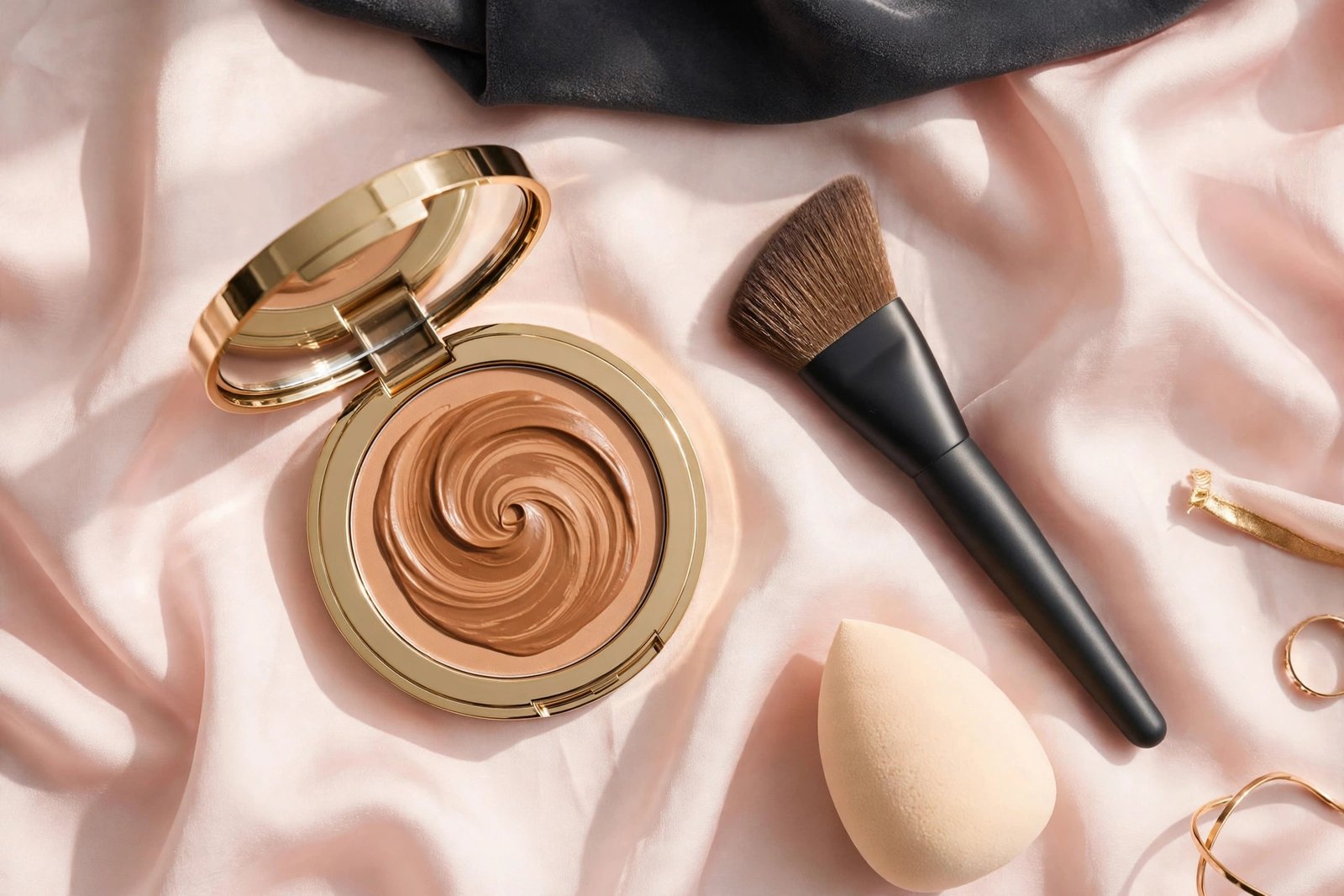
Cream bronzer is the formula makeup artists reach for when they want skin to look like skin — dewy, dimensional, and lit from within. Powder bronzer sits on top of the complexion; cream bronzer melts into it. But that same meltable quality is what makes beginners nervous: one wrong move and you’re left with streaks, patchy edges, or muddy spots that won’t blend out.
The good news is that streaks are almost always a technique problem, not a product problem. With the right tools, the right order of operations, and a blending method that works with cream’s texture instead of against it, cream bronzer becomes one of the easiest steps in your routine. If you haven’t chosen your product yet, start with our beginner-friendly bronzer guide to pick a shade and formula.
Key Takeaways
- Cream bronzer goes on before powder — always apply creams before any powder product, and set with translucent powder at the end if needed.
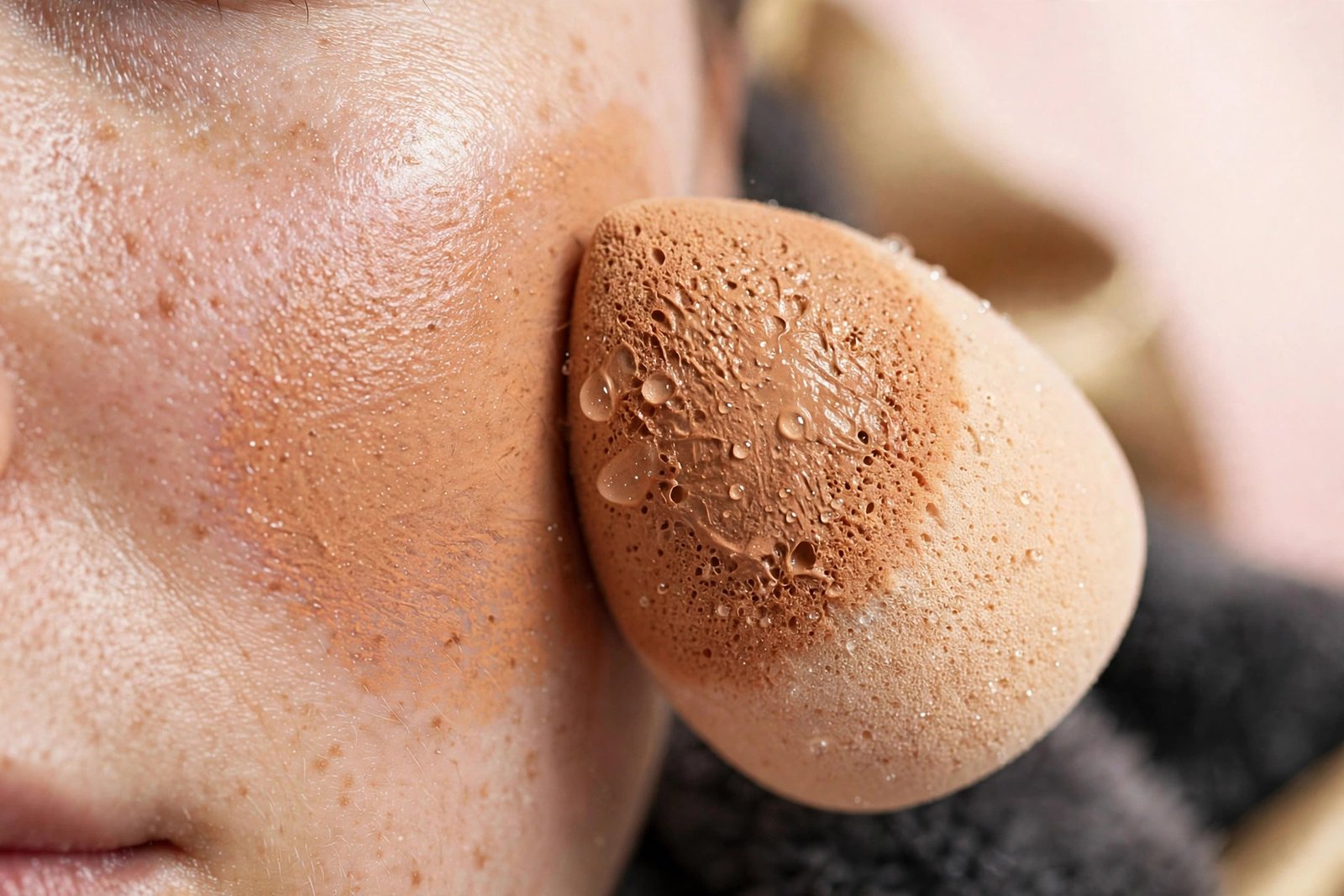
- A damp beauty sponge or dense buffing brush blends cream bronzer far better than fingers for beginners.
- Streaks come from too much product, dry skin, or dragging instead of stippling — all three are fixable.
- Warm the product on the back of your hand first so it melts to a blendable consistency.
- Less is more: start with a small amount and build up; removing excess cream is much harder than adding more.
Cream vs Powder Bronzer: Why Go Cream?
Cream bronzer isn’t better than powder — it’s different. Understanding the difference helps you decide when to reach for it:
- Finish: Cream gives a dewy, second-skin glow; powder gives a softer, more diffused matte-to-satin finish.
- Skin types: Cream flatters dry, normal, and mature skin because it doesn’t cling to dry patches; powder suits oily skin because it absorbs excess shine.
- Blending: Cream blends seamlessly into skin (and into other cream products like foundation and cream blush); powder layers more predictably for beginners.
- Longevity: Powder generally lasts longer on oily skin; cream needs setting powder to survive a long day.
Many people end up using both — cream for the natural daytime glow, powder to set or intensify. If you’re also weighing cream against powder for other products, our cream blush vs powder blush comparison covers the same trade-offs for cheeks.
The Tools That Matter
Your tool choice determines about half your result with cream bronzer. The wrong tool drags and streaks; the right one stipples and melts.
Damp beauty sponge
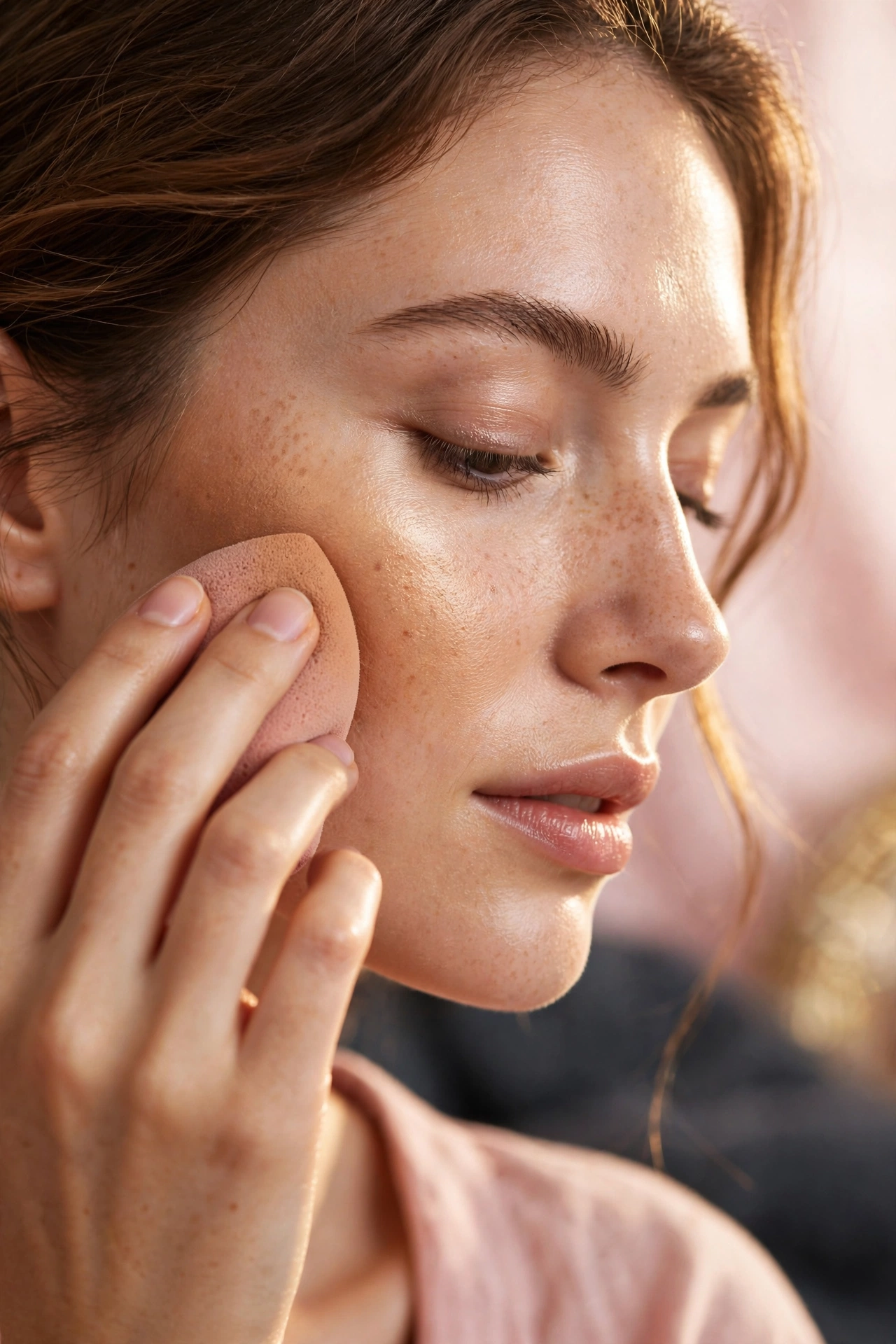
The beginner’s best friend. Dampen the sponge, squeeze out all excess water until it’s just barely moist, then bounce it against the skin in a stippling motion. The dampness helps the cream glide and sheer out, and the bouncing motion prevents dragging. This is the hardest tool to mess up with.
Dense buffing brush
A short, densely packed synthetic brush buffs cream into the skin in small circular motions. It gives more coverage and control than a sponge — great once you’re comfortable, slightly less forgiving for a first attempt.
Stippling duo-fiber brush
The sparse, feathery bristles pick up a sheer amount of product and diffuse it beautifully. Ideal for fair skin or anyone who tends to over-apply, because it’s physically difficult to deposit too much at once.
Your fingers
Fingers work in a pinch — body heat melts the cream and helps it blend. But fingers also deposit the most product and leave the most visible edges, so save this technique for small touch-ups rather than full-face application.
What to avoid: fluffy powder brushes (they don’t pick up cream evenly and leave streaks), and applying with a dry sponge (it drags instead of bouncing).
The Step-by-Step Method
Follow this order exactly — each step sets up the next.
Step 1: Prep the skin
Cream bronzer clings to dry patches and skips over them, creating patchiness. Start with moisturizer (and sunscreen for daytime), then let it absorb for a minute or two. If you wear foundation, apply it first — cream bronzer goes over foundation but under powder.
Step 2: Warm the product
Swipe or dot the bronzer onto the back of your hand and swirl it with your tool for a few seconds. This warms the cream, evens out the texture, and — crucially — offloads excess product so you don’t transfer a giant blob straight to your face.
Step 3: Place, don’t swipe
Dot or press small amounts of product onto the high points of your face: the temples, the tops of the cheekbones, a touch on the forehead near the hairline, and a whisper down the nose bridge. Resist the urge to swipe it on in stripes — dots give you control; stripes give you edges to fix later.
Step 4: Stipple to blend
With a damp sponge, bounce (don’t drag) over each dot, working outward from the center. With a buffing brush, use small circular motions. The goal is to diffuse the edges until you can’t tell where the bronzer starts. Blend up into the hairline and down toward the jaw — never leave a hard line.
Step 5: Build if needed
Step back, assess in natural light, and add a second sheer layer only where you want more warmth. Two thin layers always look more natural than one thick one.
Step 6: Set (optional)
If you have oily skin or need all-day wear, press a light translucent powder over the bronzed areas with a fluffy brush. This locks the cream in place without dulling the glow. Skip this step if you love the dewy finish and don’t need extra longevity.
Placement Map: Where Cream Bronzer Goes
Cream bronzer follows the same placement logic as powder bronzer — the high points where the sun naturally hits. But because cream is more pigmented per swipe, keep each placement area small and blend outward:
- Temples and forehead: Press along the hairline, blending upward so no line shows at the roots.
- Cheekbones: Dot on the apples and tops of the cheeks, then stipple upward and outward toward the temples.
- Nose: A tiny dot on the bridge and tip, blended with whatever product is left on your sponge — the nose needs almost nothing.
- Jawline and chin: A whisper under the jawbone and on the center of the chin ties the warmth together.
For a full breakdown of bronzer vs sculpting placement, our bronzer vs contour guide maps out where each product belongs.
Troubleshooting: Fixing Streaks and Patches
“I have visible stripes”
You applied too much product in one pass, or you swiped instead of stippling. Fix: bounce a clean damp sponge over the stripes to sheer them out. If they’re stubborn, press a tiny bit of foundation over the top and re-blend.
“It’s patchy in some spots”
Usually dry skin underneath. Fix: next time, moisturize well and let it absorb. Right now, press a hydrating mist or a dab of moisturizer over the patchy area with your sponge and re-blend — the added slip helps the cream even out.
“It looks muddy, not glowy”
Two likely causes: the shade is too deep or too cool for a bronzer (it might actually be a contour shade — see our contouring tutorial for beginners), or you blended the bronzer down into the cheek hollows where shadow belongs. Keep bronzer on the high points.
“It disappeared by noon”
Cream bronzer needs help staying put on oily skin. Fix: set with translucent powder, or layer a light powder bronzer over the cream to lock it in. On dry skin, this is rarely an issue.
“The edges won’t blend out”
The product may be drying down before you finish — work one section of the face at a time rather than dotting everywhere at once. Also check that your sponge is damp enough; a dry sponge drags cream instead of diffusing it.
Cream Bronzer Mistakes Beginners Make
- Applying after powder: Cream over powder turns cakey and patchy. Creams always go first.
- Using too much at once: A pea-sized amount covers the whole face. Start there.
- Skipping skin prep: Dry skin + cream bronzer = patchiness. Moisturize first, always.
- Blending downward only: Blend upward and outward into the hairline and temples so edges disappear into the hair, not down the cheek.
- Forgetting to clean tools: Cream residue builds up on sponges and brushes fast. Wash them weekly — dirty tools deposit old product unevenly.
Want the complete cheek routine in order? Our blush guide for beginners shows where blush fits alongside bronzer for a finished look.
Frequently Asked Questions
Can I apply cream bronzer with my fingers?
Yes, and body heat actually helps it melt. But fingers deposit the most product and leave the most visible edges, so a damp sponge or buffing brush gives beginners a more forgiving result.
Do I put cream bronzer on before or after foundation?
After foundation, before powder. The order is: skincare → foundation → cream bronzer (and cream blush/contour) → setting powder → powder bronzer if layering.
Why is my cream bronzer streaky?
The three usual causes: too much product, skin that wasn’t prepped (dry patches grab cream unevenly), or dragging the product instead of stippling it. Warm the product on your hand, use a damp sponge, bounce don’t drag, and start sheer.
Can I use cream bronzer if I have oily skin?
Yes — just set it. Apply the cream, then press translucent powder over the top to lock it in. Or layer a powder bronzer over the cream for extra staying power. Blotting papers midday help too.
How is cream bronzer different from contour?
Bronzer (cream or powder) adds warm, sun-kissed color to the high points of the face. Contour adds cool-toned shadow to the hollows for definition. They’re different products with different jobs — and different shades.
Should I set cream bronzer with powder?
Only if you need the longevity. Setting extends wear, especially on oily skin, but it also mattifies the dewy finish that makes cream bronzer special. Try it both ways and see which you prefer.
The Bottom Line
Cream bronzer rewards good technique with the most natural-looking warmth of any bronzer formula. Remember the essentials: prep the skin, warm the product on your hand, dot don’t swipe, stipple don’t drag, and build in sheer layers. Master those five habits and streaks become a non-issue — just seamless, lit-from-within glow.
Love this? Pin it for later!