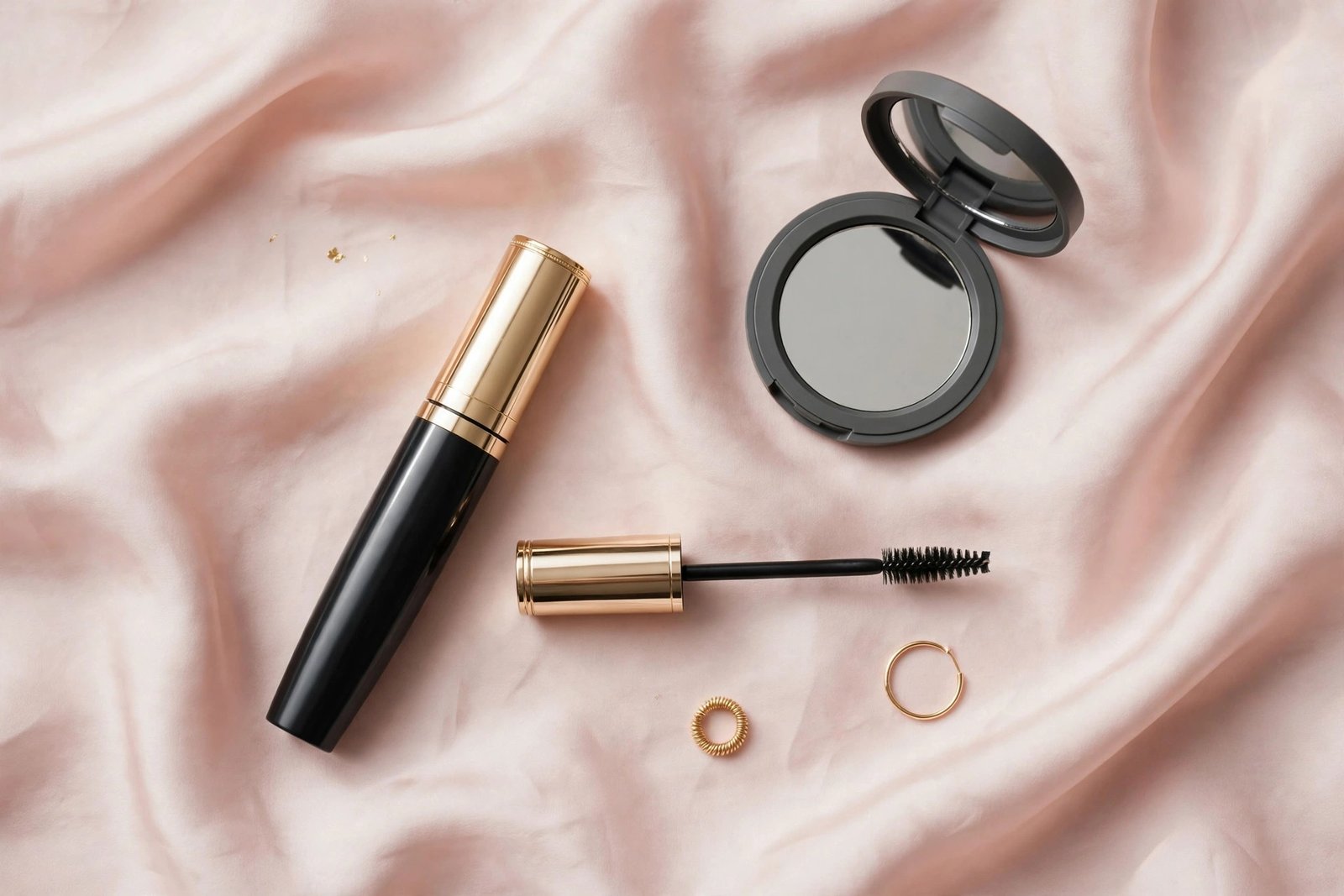
How Often to Replace Mascara: The Honest Answer
Nobody loves throwing away a half-full mascara. But mascara is the one makeup product where stretching the rules genuinely isn’t worth it. This is the product that goes closest to your eyes, in the darkest, wettest environment of your entire makeup bag — and it has the shortest safe lifespan of anything you own. Here’s the honest, conservative answer on when to replace it and why.
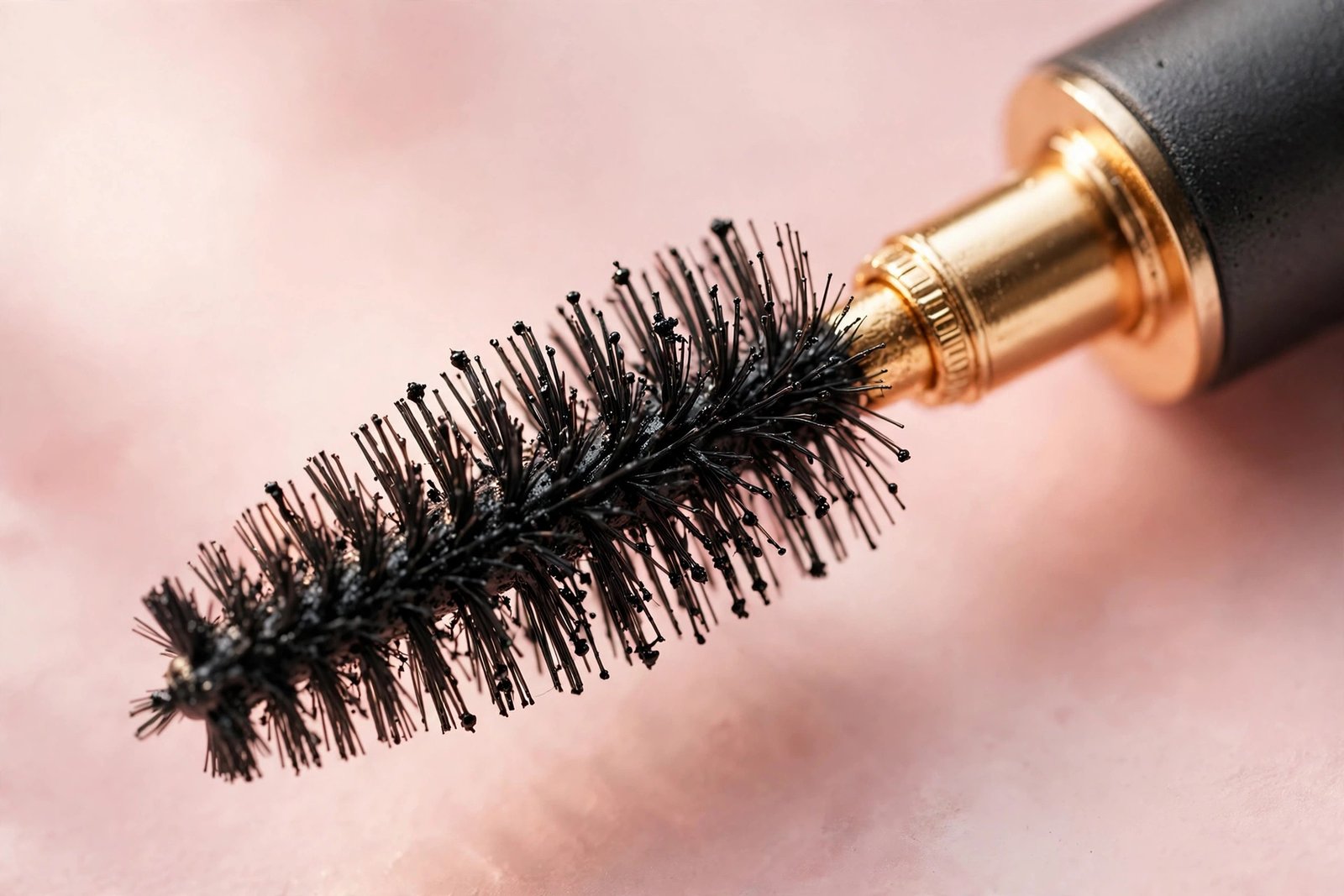
Key Takeaways
- Replace mascara every 3 months after opening — sooner if it changes smell, texture, or performance.
- The tube’s dark, wet interior is an ideal breeding ground for bacteria transferred from your lashes on every use.
- Old mascara raises the risk of styes, conjunctivitis (pink eye), and eye irritation — this is a health issue, not just a beauty one.
- Never pump the wand, never share mascara, and never add water or saliva to “revive” a dried tube.
- Unopened mascara lasts longer (check the PAO symbol), but once opened, the 3-month clock starts.
The Short Answer: Every 3 Months
Ophthalmologists and dermatologists are unusually unified on this one: toss mascara 3 months after opening it. Not 4. Not “when it starts to smell funny.” Three months, on the calendar.
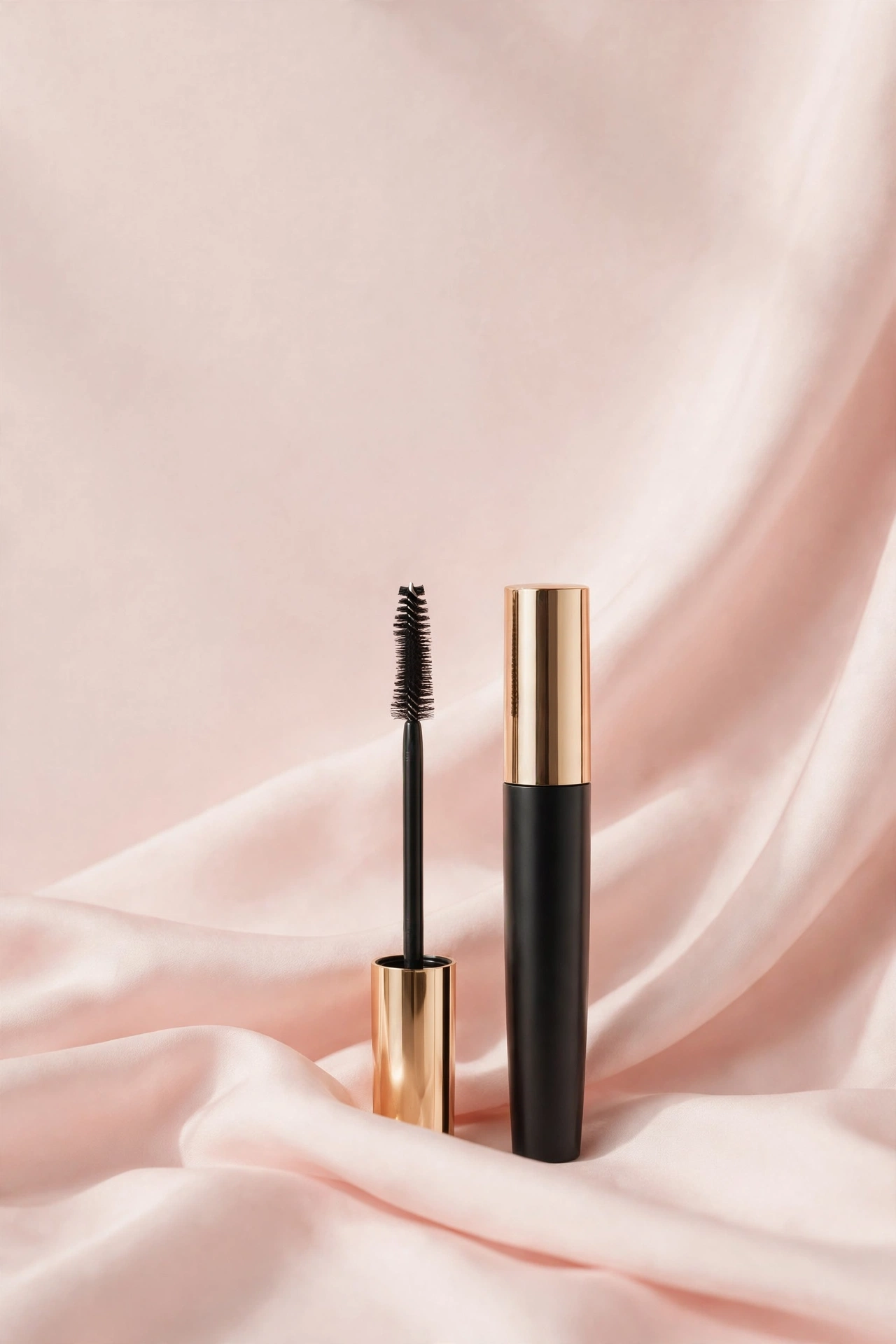
This isn’t a marketing trick to sell more tubes. It’s one of the most consistent recommendations in cosmetic safety, echoed by eye doctors, the American Academy of Ophthalmology, and cosmetic chemists alike. Mascara is uniquely vulnerable because of how it’s used: the wand goes from your lashes — which collect dust, oil, and bacteria all day — straight back into a dark, moist tube. Every dip seeds the tube with microorganisms, and the warm, oxygen-limited environment inside helps them survive.
If you wear mascara daily, you’ve introduced bacteria hundreds of times by the 3-month mark. Preservatives in the formula slow this process but don’t stop it forever — they degrade over time, especially once the tube is regularly opened to air. how long your other products last
Why Mascara Goes Bad Faster Than Everything Else
A few factors combine to make mascara the most perishable product in your bag:
- The wet formula. Bacteria need moisture; mascara’s liquid formula provides it. Powders (eyeshadow, blush) are dry and far less hospitable.
- The wand cycle. Every use drags lash bacteria, skin oils, and airborne dust into the tube. No other product gets re-contaminated this directly, this often.
- The dark tube. Light inhibits some bacterial growth; the inside of a mascara tube is pitch dark.
- Pumping the wand. Pumping forces air into the tube, which dries the formula faster and introduces more oxygen and airborne microbes. Wiggle the wand inside the tube instead.
- The eye area itself. Eyes are mucosal tissue — far more vulnerable to infection than skin. What’s harmless on your cheek can cause a painful stye or conjunctivitis when introduced near the eye.
Cream and liquid eyeliners have similar risks, but mascara’s constant wand-in, wand-out cycle makes it the worst offender by a clear margin.
What Happens If You Keep Mascara Too Long
Let’s be honest without being alarmist: plenty of people have used a 6-month-old mascara and been fine. But the risk is real and well-documented, and when it goes wrong, it’s your eyes — so the stakes justify the conservative rule.
Eye infections. The documented risks include bacterial conjunctivitis (pink eye) and styes (hordeolum) — painful, red, swollen lumps on the eyelid caused by infected oil glands. In rare, severe cases, contaminated cosmetics have been linked to corneal infections, which can threaten vision. These outcomes are uncommon, but they’re the reason eye doctors take mascara hygiene so seriously.
Irritation and dryness. Expired mascara dries out and flakes. Those tiny dry flakes fall into the eyes throughout the day, causing redness, itching, and watering — especially for contact lens wearers, for whom application tips that keep things smooth matter even more.
Worse performance anyway. Old mascara clumps, goes on unevenly, smudges more, and dries to a brittle finish. Even ignoring the health angle, a fresh tube simply looks better. There’s no upside to keeping it.
How to Tell Your Mascara Has Expired
The 3-month rule is the calendar; these are the physical warning signs. If you notice any of them — even before 3 months — replace the tube:
1. It smells different
Fresh mascara has a mild, slightly chemical scent. If yours smells sour, gasoline-like, or noticeably stronger than when you opened it, the formula has broken down. Trust your nose.
2. The texture changed
Clumpy, goopy, unusually thick, or dried-out mascara has expired. A formula that was smooth and is now stringy or lumpy is past saving.
3. It flakes or smudges more than usual
If your once-reliable mascara suddenly deposits flakes under your eyes or smudges by noon, the formula has dried and degraded. This is also when eye irritation starts.
4. Your eyes feel irritated after applying
Itching, redness, or watering that starts with a particular tube is your eyes telling you something is wrong. Stop using it immediately — don’t “see if it gets better.”
5. You can’t remember when you opened it
If you genuinely don’t know, it’s old. This is why writing the open date on the tube with a marker is one of the best mascara habits you can adopt.
How to Make Mascara Last Safely (Within the 3 Months)
You can’t extend past 3 months, but you can make sure the tube stays clean and high-performing for its full lifespan:
- Never pump the wand. Pumping pushes air in, drying the formula and feeding bacteria. Swirl the wand gently inside the tube instead.
- Don’t share mascara. Ever. Not with your best friend, not with your sister. Eye infections transfer easily through shared wands.
- Wipe the tube’s neck with a clean tissue occasionally to remove crusted product where the wand seals.
- Close it tightly every time and store it upright at room temperature — not in a hot car or a steamy bathroom.
- Never add water, saline, or saliva to thin a dried tube. Water introduces bacteria; saliva is worse. A dried tube is a finished tube.
- Apply mascara after eyeshadow and liner, before powder — less fallout lands in the wet formula, and keeping powder away from the wand keeps the tube cleaner. The same hygiene logic applies to removing waterproof formulas safely, which avoids harsh tugging that stresses lashes and eyes.
What About Unopened Mascara?
Unopened mascara lasts longer — typically 1–2 years from manufacture, and the little open-jar PAO (Period After Opening) symbol on the packaging only starts counting once you break the seal. But check the manufacturing date if you can, store unopened tubes in a cool, dry place, and don’t stockpile years’ worth: preservatives degrade even in sealed tubes, and a tube that’s been sitting for two years before first opening won’t give you a fresh 3 months.
The “Can I Stretch It to 4 Months?” Question
Honestly? No. Here’s why the 3-month line is firm:
- You can’t see the bacteria. A tube can look and perform fine while carrying a meaningful bacterial load. Appearance is not a safety test.
- The eye has no “tough it out” margin. Skin might tolerate a slightly old foundation; eyes won’t. Infections near the eye escalate fast and can affect vision in rare severe cases.
- A tube is cheap; an eye doctor visit isn’t. The economics heavily favor replacing on schedule.
The one nuance: if you rarely wear mascara (a few times a month), the 3-month rule still applies — bacteria don’t care how often you open the tube, and the preservative system degrades on a time schedule, not a use schedule. Mark the open date and replace on time regardless of how full the tube looks.
Frequently Asked Questions
Does expensive mascara last longer than drugstore mascara?
Not meaningfully. Luxury and drugstore mascaras use similar preservative systems and face the same contamination cycle. Price affects the brush and formula performance, not the safe lifespan. The 3-month rule applies to a $35 tube and a $8 tube alike.
Can I sanitize mascara like I can sanitize powder products?
No. Powders can be sanitized by scraping the top layer or misting with alcohol because bacteria live on the surface. Mascara’s contamination is inside the wet tube — there’s no way to clean it. what you can sanitize (and what you can’t)
What should I do if I’ve been using an old mascara and my eyes are irritated?
Stop using the tube immediately and throw it away — don’t keep it “just in case.” If irritation, redness, swelling, or discharge persists more than a day or two, see an eye doctor. Don’t try to treat a potential eye infection with home remedies.
Is waterproof mascara different?
The 3-month rule applies to waterproof formulas too — in fact, waterproof mascara is often harder on eyes because its aggressive removers can cause irritation, tempting people to keep an old tube since it’s “still working.” It isn’t. Replace on schedule and use a gentle proper waterproof removal.
Should I throw away mascara after an eye infection?
Yes, absolutely — any mascara (and eyeliner) used during an eye infection should be discarded immediately to avoid reinfection. This is one of the clearest cases in all of makeup hygiene: the product is contaminated, full stop.
The Bottom Line
Replace mascara every 3 months after opening — no stretching, no “it still looks fine.” The tube’s dark, wet interior collects bacteria from your lashes with every use, and your eyes are the one place you can’t afford to gamble. Mark the open date on every new tube, never pump or share, and toss any tube that changes smell, texture, or behavior. It’s the simplest hygiene rule in beauty, and one of the most important.
Love this? Pin it for later!