Vanilla Perfume Layering: The Gourmand Scent Guide
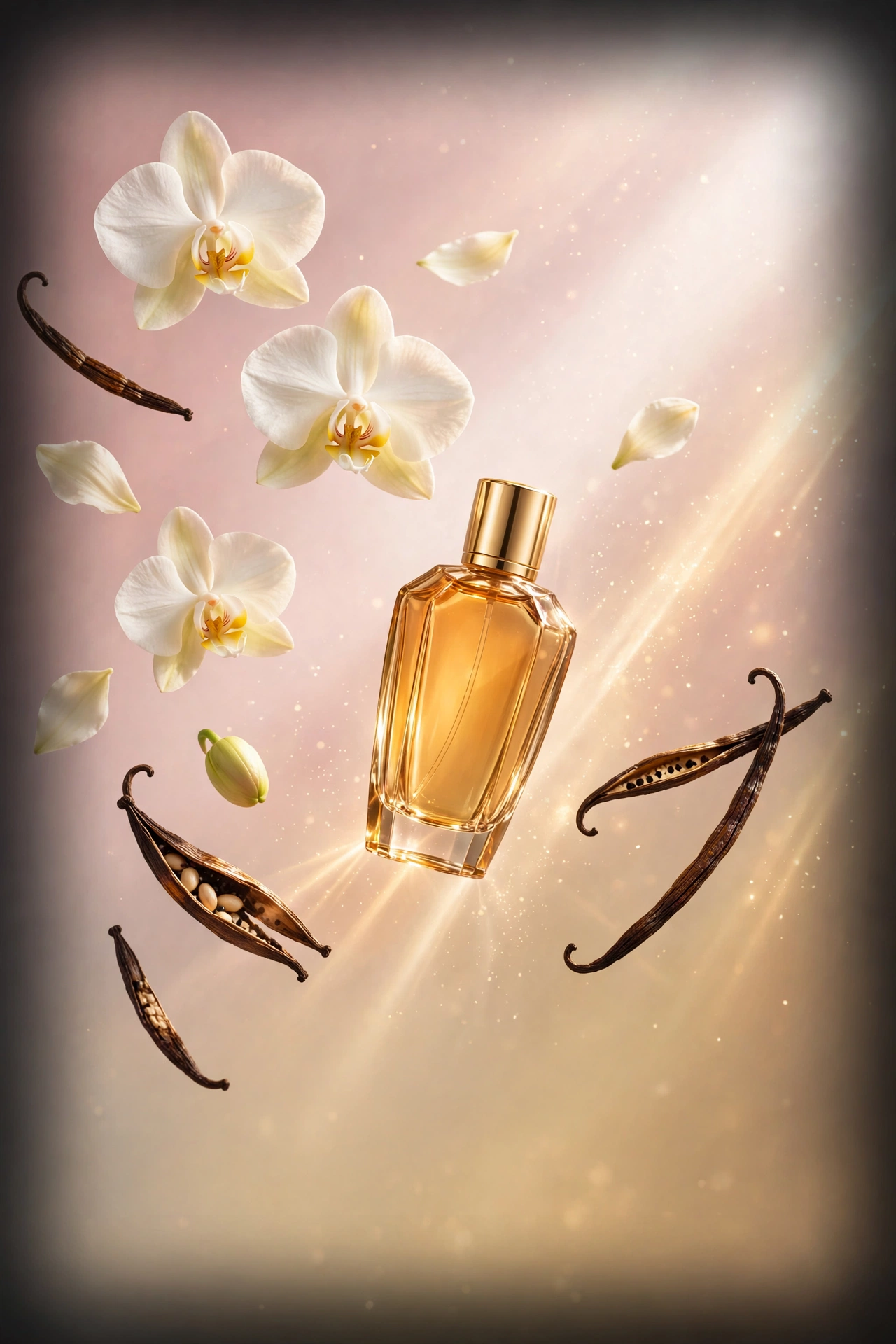
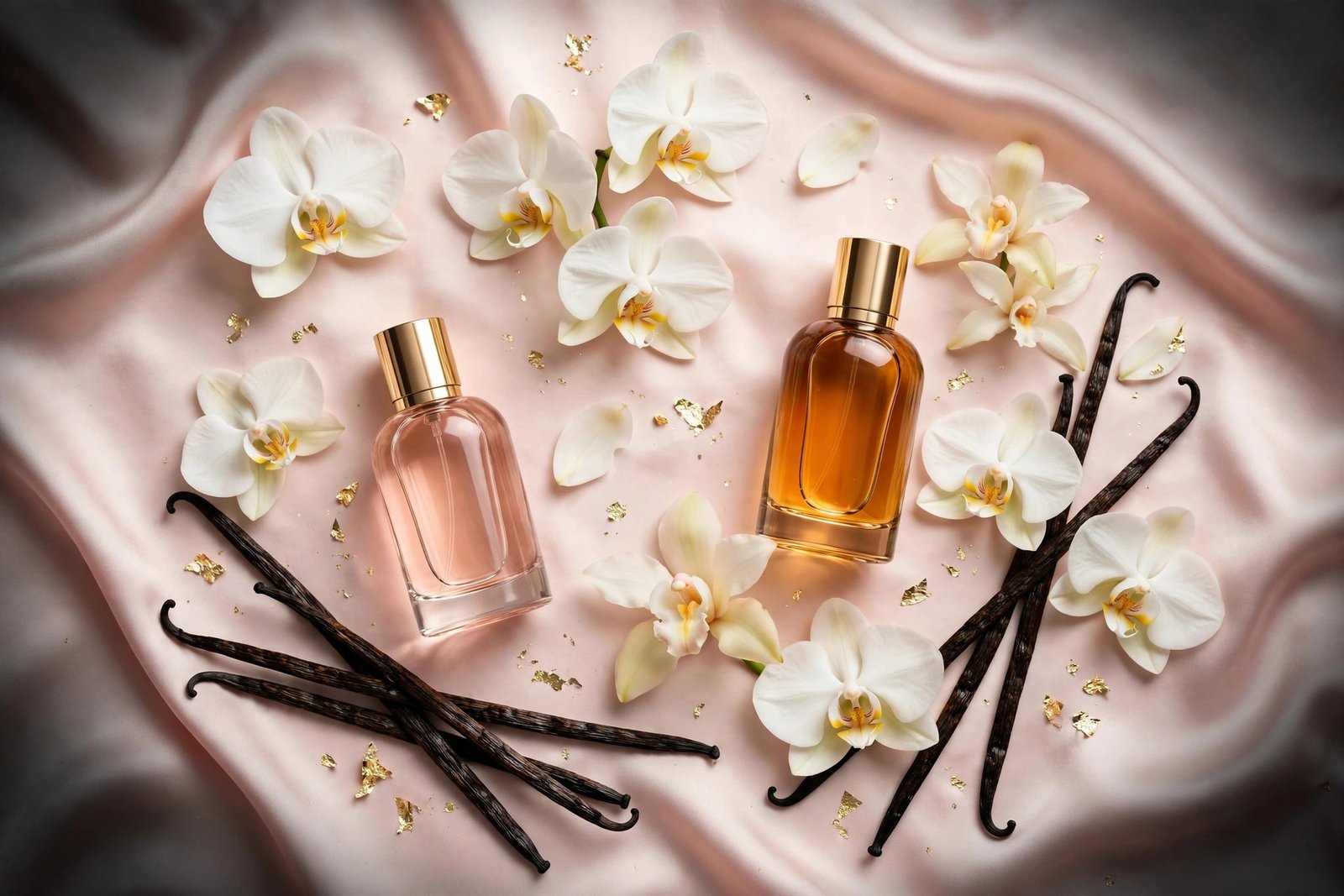
Vanilla is everywhere in fragrance right now — in body mists, hair perfumes, candles, and some of the most talked-about designer releases of the past few years. But there is a fine line between smelling like warm, sophisticated vanilla and smelling like you fell into a cupcake display. That line is layering, and when you get it right, vanilla becomes one of the most versatile tools in your entire fragrance wardrobe.
Layering — wearing two or more scents together so they blend on the skin — is not new, but the gourmand wave has turned vanilla layering into a genuine art. This guide breaks down how to layer vanilla perfumes for depth and warmth without tipping into candy overload: which notes pair beautifully, which ones fight, and the step-by-step method that makes combos actually work.
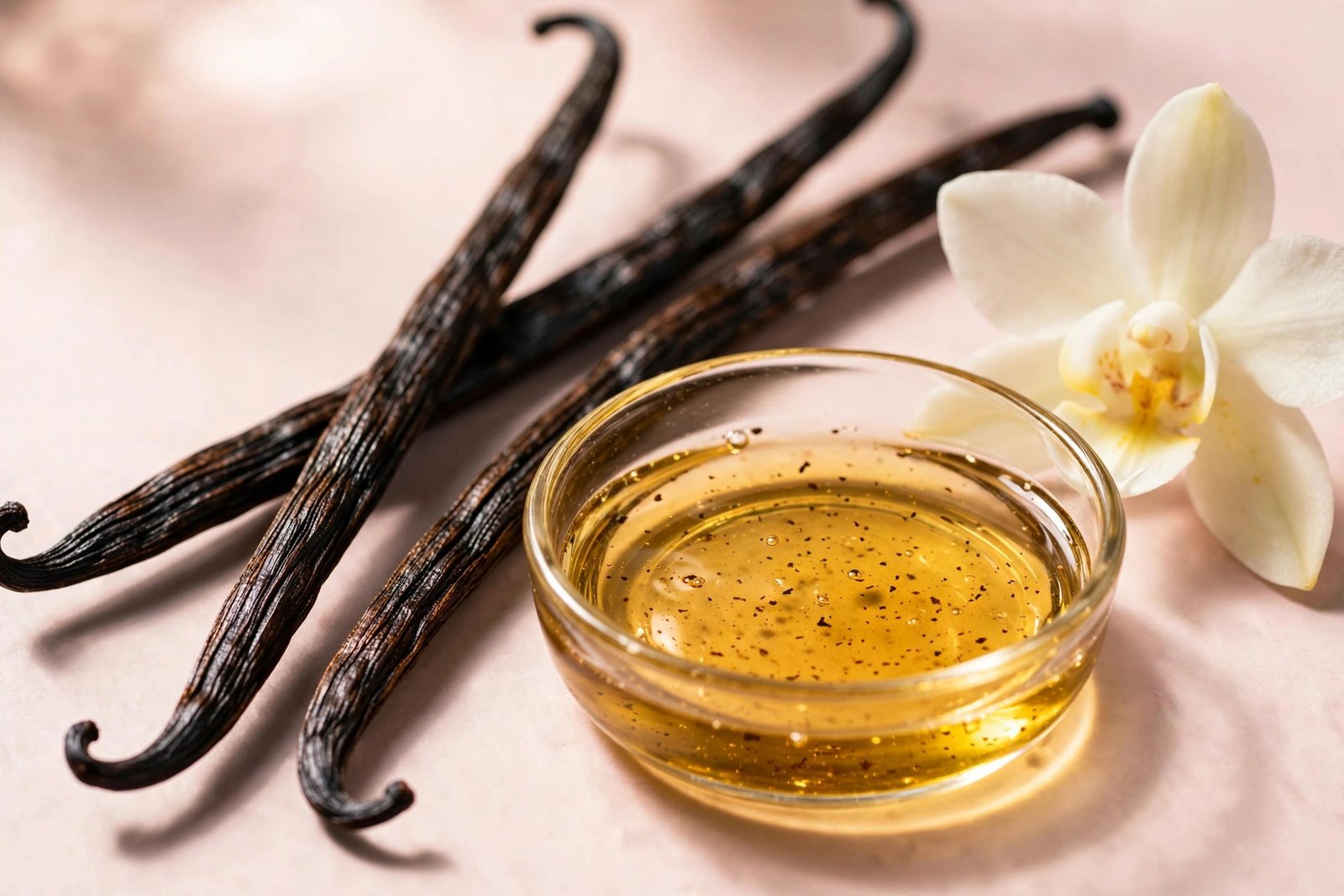
Key Takeaways
- Vanilla layering works best as a base or anchor: apply the deeper vanilla first, then add the lighter scent on top.
- Vanilla pairs beautifully with florals, woods, ambers, citrus, and soft musks — but struggles with loud aquatics and sharp green notes.
- To avoid “cupcake syndrome,” balance sweet vanilla with contrasting notes: something woody, powdery, or fresh.
- The order of application matters more than the brands: heavier, oilier formulas go on skin first.
- Start with a 70/30 ratio (dominant scent first, accent scent second) and adjust from there.
Why Vanilla Is a Layering Superpower
The Science of Why Vanilla Blends So Well
Vanilla’s magic in layering comes down to chemistry and perception. Vanillin — the primary aroma compound in vanilla — is warm, round, and soft-edged, which means it fills in the gaps between sharper notes rather than competing with them. Think of it like the butter in a sauce: it does not dominate, it enriches.
Vanilla also has excellent staying power. Heavier, sweeter molecules evaporate slowly, so a vanilla base lingers for hours and gives lighter top notes something to sit on. That is why a vanilla layer can extend the life of a fleeting citrus or a delicate floral by an hour or more. Fragrance professionals often describe vanilla as an “anchor note” — it grounds a composition the way a bass line grounds a song.
What “Gourmand” Actually Means
You will hear vanilla described as “gourmand,” which simply means a fragrance family built around edible-smelling notes: vanilla, caramel, honey, chocolate, coffee, toasted sugar. The gourmand trend’s current wave is more refined than the candy-sweet body sprays of the 2000s — today’s gourmands blend edible warmth with woods, resins, and florals so they read as grown-up rather than juvenile. Understanding that spectrum is key, because layering is how you slide your vanilla from “sweet” to “sophisticated.”
The Golden Rules of Vanilla Layering
Rule 1: Heaviest Goes First
Application order is the single most important variable. The heavier, oilier, more concentrated formula always goes directly on skin first; lighter sprays go on top. That usually means: perfume oil or solid balm first, then eau de parfum, then body mist last if you use one at all. Reversing the order — spraying a light mist and then smearing an oil over it — traps the lighter scent under the heavy one and mutes it entirely.
Rule 2: One Dominant, One Accent
The most common layering mistake is treating two full-strength perfumes as equals, which produces a muddy, shouting match of a scent. Pick a dominant scent (about 70% of the blend) and an accent (about 30%). The dominant scent defines the character; the accent adds a twist. If you cannot tell which is which after 20 minutes, you have probably used too much of the accent.
Rule 3: Balance Sweet With Contrast
This is the anti-cupcake rule. Sweet vanilla needs something to push against: a dry cedarwood, a powdery iris, a bitter orange, a cool musk. Without contrast, vanilla stacks on vanilla and reads as frosting. With contrast, the same vanilla reads as warm skin, cashmere, or crème brûlée with a torched top — complex instead of cloying.
Rule 4: Test on Skin, Not on Paper
Blotter strips lie about layering. Paper does not have body heat, skin oils, or moisture, so layered scents develop completely differently on paper than on you. Always test a combo on the inside of your forearm or the back of your hand, give it a full dry-down of at least an hour, and then judge. What smells perfect at minute five can turn sour by minute forty — and vice versa.
Vanilla Layering Combinations That Actually Work
Vanilla + Florals: The Romantic Classic
Vanilla softens florals and florals freshen vanilla — it is one of the most foolproof pairings in perfumery.
- Vanilla + rose: Warm, romantic, and endlessly wearable. A vanilla base under a rose perfume tames the rose’s sharpness and adds a creamy, almost milky quality. This is a date-night classic.
- Vanilla + jasmine: Jasmine’s heady white-floral character gets a golden warmth from vanilla without losing its sultriness. Keep the jasmine as the dominant scent if you want evening drama; lead with vanilla if you want something cozier.
- Vanilla + peony or lily of the valley: These lighter, greener florals keep vanilla from going heavy — ideal for spring and daytime wear.
If you are still building your scent wardrobe, this beginner’s guide to choosing a perfume walks through how to identify which scent families you naturally gravitate toward before investing in layering pieces.
Vanilla + Woods: The Sophisticated Route
This is the combination that converts vanilla skeptics. Dry woods give vanilla structure and keep it from ever reading as dessert.
- Vanilla + sandalwood: Creamy on creamy — the sandalwood’s milky woodiness melts into vanilla seamlessly. The result smells expensive, calm, and quietly luxurious.
- Vanilla + cedarwood: Cedar’s pencil-shaving dryness is the perfect counterweight to vanilla’s sweetness. This pairing reads more unisex and works beautifully in professional settings.
- Vanilla + oud or smoky woods: For evening only, and in small doses. A whisper of smoky wood over vanilla creates a rich, resinous depth — but too much oud will bulldoze the vanilla completely.
Vanilla + Citrus: The Fresh Contrast
It sounds odd, but vanilla under a bright citrus is one of the most complimented combos in the layering community. The trick is proportion: citrus dominant, vanilla accent.
- Vanilla + bergamot or neroli: Think Earl Grey tea with a spoonful of honey — bright on top, warm underneath. Perfect for mornings and warm weather.
- Vanilla + bitter orange: The bitterness cuts the sweetness cleanly, creating a sophisticated orange-blossom-meets-vanilla effect reminiscent of high-end niche perfumery.
Vanilla + Amber and Resins: Maximum Coziness
For cold weather, nothing beats vanilla layered with amber, benzoin, or tonka bean. These are all warm, resinous notes that stack rather than contrast, so the result is deep, enveloping, and long-lasting. This is the layering equivalent of a cashmere blanket. Go easy on the sprays, though — stacked warm notes project strongly and can overwhelm a small room.
Vanilla + Musk: The “Your Skin But Better” Effect
A soft white musk over a vanilla base creates one of the most intimate, skin-like scents possible: warm, clean, and barely-there in the best way. This is the combo for people who want to smell good without smelling perfumed — office-safe, close-quarters-safe, and endlessly rewearable.
Combinations to Approach With Caution
Vanilla + Heavy Gourmands (Double Dessert)
Vanilla on top of caramel on top of chocolate sounds delicious and smells like a pastry case. If you love ultra-sweet scents, you do you — but for most people, doubling down on gourmand notes is where layering goes wrong. If you must, keep one of the two extremely light (a single mist, not a full application).
Vanilla + Loud Aquatics or Sharp Greens
Fresh, watery, “blue” fragrances and sharp green notes (galbanum, crushed leaves) tend to clash with vanilla’s warmth rather than complement it. The two families pull in opposite directions, and the result often smells confused rather than complex. There are exceptions, but this is advanced territory — master the pairings above first.
Vanilla + Very Powdery Notes (Proceed Carefully)
Powdery iris or violet over vanilla can be gorgeous — vintage, soft, and elegant — or it can read as makeup-bag retro in a way that feels dated. The difference is dose: one spray of the powdery scent over a vanilla base, not the other way around.
The Step-by-Step Layering Method
Step 1: Moisturize First
Fragrance lasts longer on moisturized skin — this applies to every layer. Apply an unscented body lotion or oil to your pulse points before any scent. Scented lotions can work too, but only if the lotion’s scent harmonizes with your combo; otherwise it becomes an uninvited third layer.
Step 2: Apply the Vanilla Base
Put your vanilla-dominant layer on first, directly on moisturized skin at the pulse points: wrists, neck, behind the ears. If your vanilla is a body oil or solid balm, this step is natural — those formulas are designed as base layers. If it is a spray, one to two sprays per area is plenty. For technique details on building layered scent routines, this guide to layering perfume properly covers the fundamentals in depth.
Step 3: Wait Two Minutes
Let the base settle before adding the second scent. Two minutes is enough for the initial alcohol burst to fade and the base to start warming on your skin. Adding the second layer too soon muddies both scents; patience gives each one room to breathe.
Step 4: Add the Accent Layer
Apply the accent scent more lightly than the base — fewer sprays, a smaller area. Target slightly different spots than the base layer (if vanilla went on your neck, put the floral on your wrists) so the two scents mingle in the air around you rather than stacking in one spot.
Step 5: Do Not Rub Your Wrists Together
The old wrist-rubbing habit crushes top notes and heats the fragrance too fast, which is especially damaging to layered combos where you have carefully sequenced two scents. Dab or press instead, then leave your wrists alone.
Building a Vanilla Layering Wardrobe on a Budget
You do not need a dozen niche bottles to layer well. A smart starter kit is just three pieces: one versatile vanilla (your anchor), one contrasting scent (a wood, a citrus, or a floral), and one wildcard (a musk or an amber). With three bottles, you have at least half a dozen distinct combinations — more variety than most people get from six standalone perfumes worn alone.
This is also where affordable fragrance exploration pays off. You can experiment with scent profiles inexpensively before committing to full bottles; this guide to perfume dupes is a good starting point for finding budget-friendly versions of popular vanilla and gourmand profiles, and the best designer perfume dupes roundup covers specific affordable alternatives worth trying as layering pieces.
One budget tip specific to vanilla: vanilla body oils and solid balms are often cheaper than vanilla sprays and make superior base layers anyway, since their oil base grips the skin longer. A $15 vanilla body oil can outperform a $80 spray as a layering foundation.
Frequently Asked Questions
How many perfumes can you layer at once?
Two is the sweet spot for beginners, and three is the practical maximum for most people. Beyond three, individual notes stop being distinguishable and the blend usually turns muddy. Master two-scent combos before attempting three.
Should vanilla go on first or last when layering?
First, in almost every case. Vanilla is typically the heavier, longer-lasting component, so it belongs directly on the skin as the base. The lighter or fresher scent goes on top. The only exception is if your vanilla is a very light body mist and your other scent is a rich oil — then the oil goes first regardless of which one is vanilla.
Why does my vanilla layering smell too sweet?
Almost always a contrast problem: you have layered sweet on sweet with nothing dry, fresh, or woody to balance it. Add a contrasting element — a cedarwood, a citrus, a powdery iris — or reduce the vanilla to a lighter application. Also check whether both of your scents contain heavy gourmand notes; doubling up is the fastest route to cupcake territory.
Does layering make perfume last longer?
It can, yes. Layering a long-lasting vanilla base under a fleeting top-note-heavy scent effectively extends the lighter scent’s life, because the base keeps releasing fragrance after the top notes would have faded alone. Moisturized skin and pulse-point application amplify the effect further.
Can you layer vanilla with a “fresh” or “clean” perfume?
Yes, and it is one of the best combos — vanilla softens the sometimes-sharp edges of fresh aquatics and clean musks while the fresh scent keeps the vanilla from going heavy. Keep the fresh scent dominant and the vanilla light, especially in warm weather.
Is it okay to layer two expensive perfumes?
It is your perfume and your money, but it is worth knowing that layering shines brightest as a way to elevate affordable scents, not as a way to burn through niche bottles twice as fast. Many experienced layerers use one affordable workhorse (often the vanilla base) plus one nicer accent scent.
The Bottom Line: Vanilla Rewards Experimentation
Vanilla layering looks intimidating from the outside — all those combo lists and ratio talk — but in practice it is one of the most forgiving fragrance skills you can learn. Vanilla wants to blend. It forgives heavy-handed application better than almost any other note, it plays well with most of the fragrance wheel, and even a “failed” experiment usually just smells like pleasant vanilla.
Start with one vanilla base and one contrasting partner. Wear the combo for a full day before judging it. Keep notes on what worked — your phone’s notes app is fine — and within a month you will have a small rotation of signature blends that no one else is wearing. That is the real payoff of vanilla layering: not just smelling good, but smelling like no one else in the room.
Love this? Pin it for later!