At-Home IPL Hair Removal: The Complete Beginner’s Guide
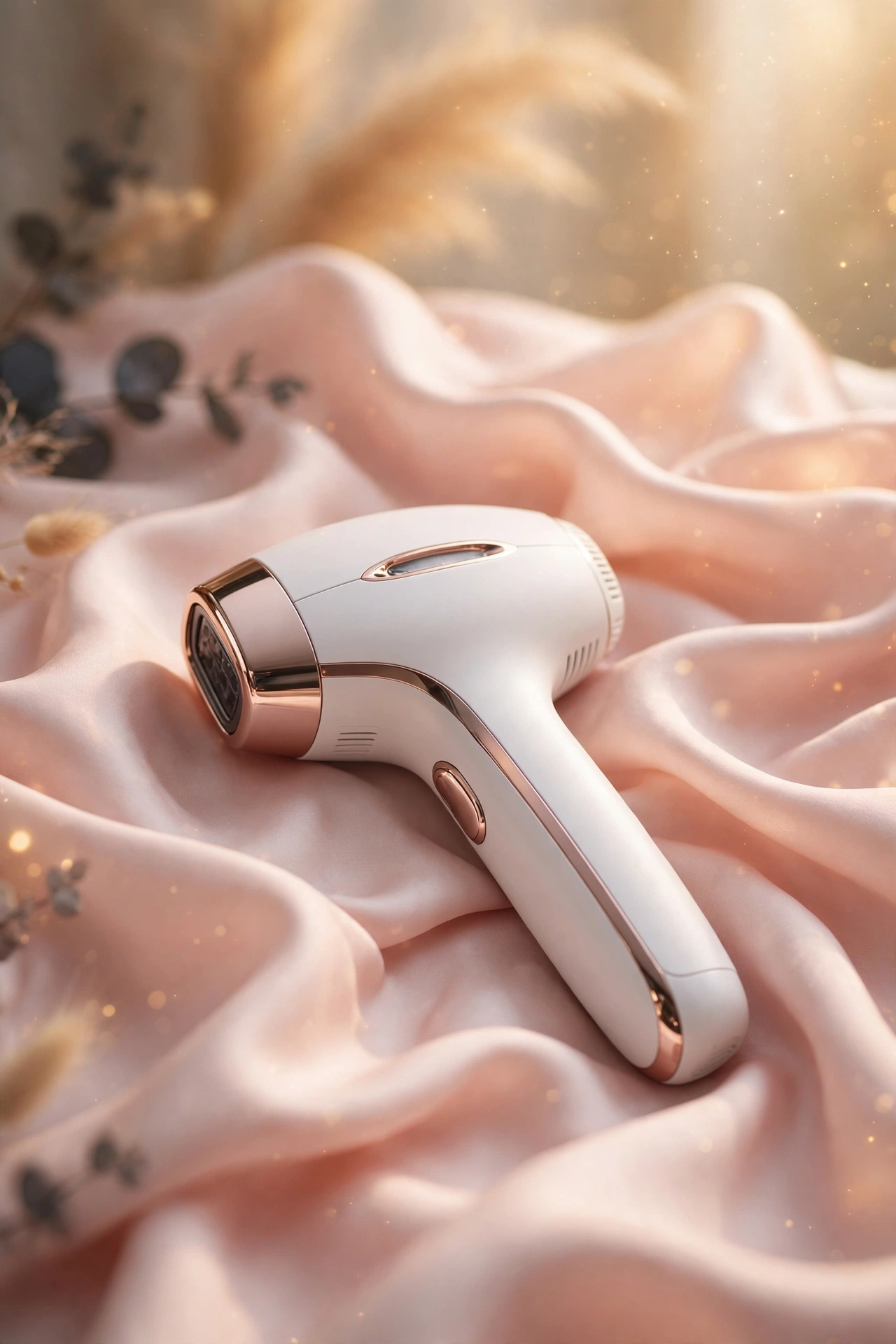
If you’ve ever done the math on a lifetime of razors, wax appointments, or salon laser sessions, you’ve probably wondered whether those at-home IPL devices actually work. IPL — intense pulsed light — devices promise long-lasting hair reduction from your own bathroom, for a fraction of professional laser prices. The technology is real, and for the right candidates, the results can be genuinely impressive. But IPL is also the kind of device where understanding the limits matters more than the marketing.
This complete beginner’s guide explains how at-home IPL works, who it’s for (and who should skip it), what a realistic treatment schedule looks like, what results to expect, and the safety facts every first-timer must know. No hype, no miracle claims — just the honest picture so you can decide if it’s right for you.
Safety first: IPL devices use real light energy on your skin. Please read the safety section below carefully before buying or using one. This article is for informational purposes only and is not medical advice — consult a dermatologist before starting IPL if you have any skin concerns, medical conditions, or take medications.
Key Takeaways
- At-home IPL uses broad-spectrum light to target melanin in hair follicles, slowing regrowth over weeks of repeated sessions — it is hair reduction, not permanent removal
- It works best on light-to-medium skin tones with dark hair; it is not safe or effective for very dark skin tones, and barely works on very light, gray, or red hair
- A typical plan: sessions every 1–2 weeks for 8–12 weeks, then monthly maintenance sessions
- Do not use IPL if pregnant, on photosensitizing medications, or over tattoos, moles, or active skin conditions — patch-test first, always
- Results are gradual: expect noticeably thinner, slower regrowth after 4–6 sessions, with the best results at 8–12 weeks
How At-Home IPL Actually Works
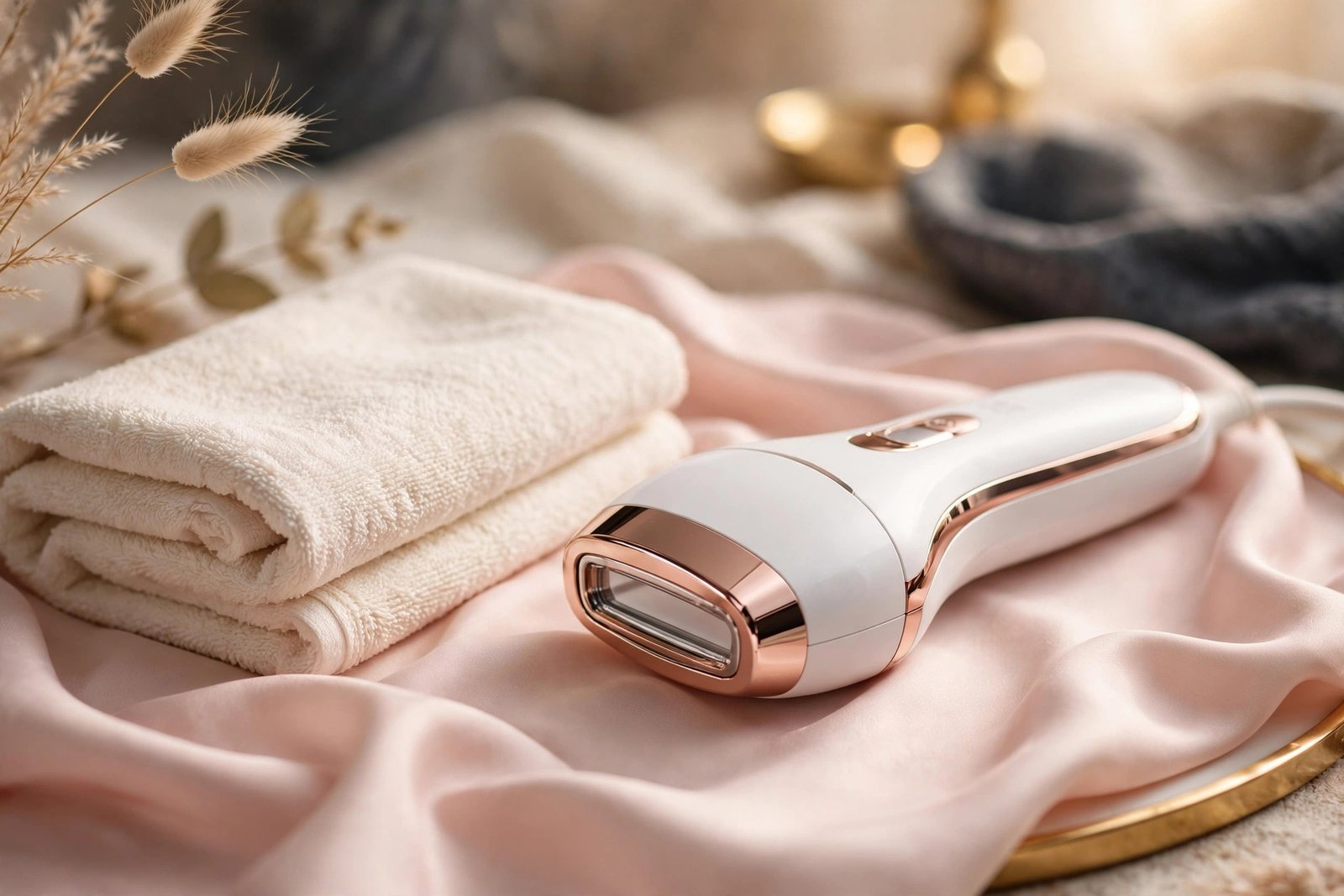
IPL devices emit pulses of broad-spectrum light — many wavelengths at once, filtered to target the ones absorbed by melanin (the pigment in your hair). Here’s the simplified science:
- The flash delivers light energy to the skin surface.
- The melanin in the hair shaft absorbs the light, converting it to heat.
- The heat travels down to the follicle, damaging it enough to slow or stop future growth.
This is selective photothermolysis — the same principle behind professional laser hair removal, but with a broader, less focused beam. That broader beam is why home devices are less powerful (and safer for untrained users) than clinic lasers, but also why they need more sessions.
Why hair color and skin tone matter so much
The device can’t tell hair melanin from skin melanin. It targets all dark pigment in the treatment window. That’s why the ideal candidate has a strong contrast: dark hair against lighter skin. The greater the contrast, the more energy reaches the hair follicle and the less gets absorbed by the surrounding skin.
This also explains the limits: on very dark skin tones, the skin absorbs too much of the light energy, which risks burns, blistering, and pigmentation changes. On very light blonde, gray, or red hair, there isn’t enough melanin in the hair for the light to grab onto, so results are poor. This isn’t a flaw of one brand — it’s the physics of how the technology works.
IPL vs laser: the quick version
Professional laser hair removal uses a single, concentrated wavelength of light — more targeted, more powerful, usually fewer sessions, but expensive and clinic-only. At-home IPL uses a broader spectrum at lower energy — gentler and affordable, but requiring more sessions and delivering reduction rather than near-permanent removal. For a detailed breakdown, see the full comparison of IPL vs laser hair removal.
Who At-Home IPL Is Best For (And Who Should Skip It)
Good candidates
- Light to medium skin tones with dark brown or black hair — the ideal contrast for safe, effective treatment
- People frustrated with shaving stubble, razor burn, or ingrown hairs who want longer-lasting reduction
- Those treating larger areas (legs, arms) who want a more economical option than clinic sessions
- People willing to commit to a multi-week schedule — consistency is what makes IPL work
Who should NOT use IPL
- Very dark skin tones — at-home IPL is not safe for the darkest skin tones; the burn and pigmentation-change risk is real. Some newer devices claim wider suitability, but dermatologists remain cautious. See the dedicated safety guide: who should not use IPL hair removal
- Pregnant or breastfeeding people — not studied for safety in pregnancy; dermatologists universally advise waiting
- Anyone taking photosensitizing medications — certain antibiotics, retinoids, and other drugs make skin react badly to light
- Active skin conditions — eczema, psoriasis, open wounds, cold sores, or sunburned skin in the treatment area
- Over tattoos, permanent makeup, moles, or dark birthmarks — the pigment absorbs the light and can burn
- Very light blonde, white, gray, or red hair — too little melanin for the device to target effectively
This is not medical advice — consult a dermatologist before starting IPL if you have any skin condition, take regular medication, or are unsure whether your skin tone is suitable. A dermatologist can assess your skin type and recommend the safest hair removal option for you.
What Results to Expect (The Honest Timeline)
IPL marketing loves the word “permanent.” The more accurate term used by dermatologists and device manufacturers is long-term hair reduction. Here’s a realistic timeline:
Weeks 1–4 (sessions 1–4)
Don’t expect visible change yet. You may notice treated hairs shedding — this is normal and a good sign. The hairs aren’t falling out instantly; the damaged follicles release them over 1–2 weeks. Some people mistake this for “it’s not working.” It is working — it’s just slow.
Weeks 4–8 (sessions 4–8)
This is where most users see the first real difference: regrowth comes in thinner, patchier, and slower. Shaving intervals stretch from every-other-day to once a week or less. For a full week-by-week picture, see what IPL looks like before and after, realistically.
Weeks 8–12 (sessions 8–12)
Most manufacturers cite 8–12 weeks as the full initial course. By now, many users report 70–90% hair reduction in treated areas, with remaining hair noticeably finer. Results vary enormously with hair color, skin tone, consistency, and the body area.
Maintenance
Hair grows in cycles, and IPL only affects follicles in the active growth phase — that’s why repeated sessions are needed, and why maintenance sessions (typically every 4–8 weeks) keep results. Stopping entirely usually means gradual regrowth over months, though typically finer than before.
The bottom line: IPL is a long game. If you want hair gone by next weekend, it isn’t the tool. If you want meaningfully less shaving six months from now, it can deliver.
Your Treatment Schedule: How Often to Use IPL
Most at-home devices recommend this cadence, and it’s worth following rather than improvising:
- Weeks 1–4: one session per week
- Weeks 5–8: one session every two weeks
- Weeks 8–12: one session every two to four weeks, as regrowth slows
- After week 12: maintenance sessions every 4–8 weeks, or whenever you notice regrowth
More is not better. Using the device daily or twice a week doesn’t speed results — the follicle needs time between sessions, and over-treating irritates the skin. Follow the manufacturer’s schedule for your specific device.
Also important: shave before each session, don’t wax. IPL needs the hair shaft present under the skin to absorb the light, so waxing, plucking, or epilating before treatment defeats the purpose. Shaving is the correct prep — it leaves the root intact while removing surface hair that would otherwise absorb energy and heat the skin. For technique, see a proper shaving guide for women.
Choosing an At-Home IPL Device: What Actually Matters
The market is crowded, and price doesn’t always predict quality. Here’s what to evaluate:
Energy levels and skin tone sensors
Look for a device with multiple intensity settings so you can start low and work up. Built-in skin tone sensors — which refuse to flash on skin too dark for safe treatment — are a genuinely valuable safety feature, not a gimmick. Take them seriously: if the sensor says no, don’t override it.
Flash count and lamp life
Devices are rated for a number of flashes (often 300,000–999,999+). That sounds enormous, but full-body treatments use thousands of flashes per session. Higher flash counts mean the device lasts through your full course and maintenance without the lamp dying. Some devices have replaceable cartridges; most are sealed units.
Treatment window size
A larger flash window covers legs and arms faster; a smaller window (or a precision attachment) is better for the bikini line and underarms. If you plan to treat both large and small areas, look for a device with interchangeable heads.
Corded vs cordless
Corded devices deliver consistent power; cordless ones are more convenient but may lose intensity as the battery drains. For full-body sessions, corded is generally more practical.
Price reality check
Quality at-home IPL devices typically cost $200–$500. Below that range, be skeptical of the energy output and safety features. Above it, you’re paying for brand, attachments, or design rather than dramatically better results. It’s still far cheaper than a clinic course, which commonly runs $1,000–$3,000+ for multiple areas.
Safety: The Non-Negotiable Rules
This section matters more than any other in this guide. IPL devices are genuinely safe for appropriate candidates who follow the rules — and genuinely risky for people who don’t.
Always patch-test first
Before your first full session, test one small area (like a patch on your thigh) at your intended intensity. Wait 24–48 hours. If you see excessive redness, blistering, or pigmentation change, don’t proceed — and talk to a dermatologist.
The contraindications, repeated because they matter
- Not for very dark skin tones. Burns and lasting pigmentation changes are documented risks.
- Not during pregnancy or breastfeeding. Safety hasn’t been established.
- Not with photosensitizing medications. Check with your doctor or pharmacist about anything you take — including topicals like tretinoin.
- Not over tattoos, moles, dark spots, or broken skin. Cover moles with a white pencil or plaster; skip tattooed areas entirely.
- Not on recently tanned or sunburned skin. Wait until the tan fades — fake tan counts too, since it adds pigment the device will absorb.
During treatment
- Wear the protective eyewear if your device includes it, and never flash near the eyes.
- Keep the device moving — don’t overlap flashes on the same spot repeatedly.
- If a flash hurts more than mild warmth or a light snap, lower the intensity.
- Stop and reassess if you see blistering, white spots, or dark patches forming.
For the complete step-by-step safe technique, read how to use your IPL device safely at home, step by step.
Reminder: this is not medical advice — consult a dermatologist if you have any doubt about whether IPL is safe for your skin, medications, or medical history. A short professional consultation costs far less than treating a burn or pigmentation injury.
Aftercare: What to Do Post-Session
- Cool the skin if it feels warm — a cool damp cloth is enough. Mild redness for a few hours is normal.
- Avoid sun exposure on treated areas for at least 48 hours, and wear sunscreen daily on treated skin going forward. UV exposure on freshly treated skin raises pigmentation-change risk.
- Skip heat and harsh products for 24–48 hours: no hot baths, saunas, or strong exfoliants/retinoids on treated areas.
- Moisturize with something simple and fragrance-free.
- Don’t wax or pluck between sessions — shave only, so the follicles stay intact for the next treatment.
Common Mistakes That Ruin IPL Results
- Inconsistent sessions. Skipping weeks lets follicles recover. The schedule works because of repetition — set reminders.
- Treating tanned skin. A summer tan moves you into a higher-risk, lower-effectiveness zone. Many users pause IPL in peak summer and resume in fall.
- Waxing between sessions. Every waxed follicle is one the IPL can’t treat. Shave only.
- Starting at max intensity. Begin low, assess your skin’s reaction, then increase. Pain is information — listen to it.
- Expecting permanent removal. IPL reduces hair long-term; it rarely eliminates it forever. Maintenance is part of the deal.
- Skipping the patch test. It’s 48 hours that can save you from a burn. Non-negotiable.
Frequently Asked Questions
Does at-home IPL hurt?
Most users describe it as a mild warm snap or rubber-band flick — uncomfortable for a second, not truly painful. Higher intensities on sensitive areas (bikini line, underarms) feel stronger. Starting at a low intensity and working up keeps it tolerable. If it’s genuinely painful, the intensity is too high for that area.
How long does each session take?
Lower legs: roughly 10–15 minutes with a standard window. Full legs plus bikini line plus underarms: 20–40 minutes depending on the device. It’s a manageable weekly ritual, not an afternoon project.
Can I use IPL on my face?
Many devices include a facial attachment or facial mode for the upper lip, chin, and jawline — never near the eyes, and never on the eyebrows. Facial skin is more sensitive, so use the lowest effective intensity. Check that your specific device is cleared for facial use.
Will IPL work on PCOS-related facial hair?
IPL can reduce coarse facial hair, and some people with hirsutism use it — but hormonal hair growth often needs ongoing maintenance because new follicles keep activating. Talk to your dermatologist or endocrinologist about managing the underlying cause alongside any hair removal method. This is general information, not medical advice.
Is at-home IPL as good as professional laser?
Not quite — clinic lasers are more powerful, more targeted, and usually need fewer sessions. But at-home IPL costs a fraction of the price and works well for suitable candidates who stay consistent. Think of it as the excellent budget option, not an equal replacement.
Can I use IPL if I have tattoos?
Not over the tattooed skin itself — the ink absorbs the light and can burn, blister, or distort the tattoo. You can treat around tattoos by covering them or carefully avoiding them with a smaller window/precision head.
Conclusion
At-home IPL hair removal is one of those rare beauty technologies that mostly lives up to its promise — for the right person. If you have light-to-medium skin and dark hair, follow the schedule consistently, shave (don’t wax) before sessions, respect the safety rules, and keep your expectations at “dramatic reduction” rather than “permanent removal,” you can get genuinely impressive results for a fraction of clinic prices.
The two things that matter most: make sure you’re a suitable candidate first (read who should not use IPL if you have any doubt), and learn the safe technique before your first flash (step-by-step safe IPL use at home). Do those, stay consistent for 12 weeks, and you’ll know exactly what IPL can do for you.
This guide is for informational purposes only and is not medical advice. Consult a dermatologist before starting IPL, especially if you have a skin condition, take medication, or are unsure about your suitability.
Love this? Pin it for later!