Dip Powder vs Acrylic Nails: Which Is Better for You?
Walk into any nail salon and you will hear the same question at the front desk: dip or acrylic? These are the two most popular long-wear manicure options in the world, and they both promise the same thing — strong, beautiful nails that last for weeks instead of days. But they get there in completely different ways, and the differences matter more than most people realize.
In this guide, you will learn exactly what dip powder and acrylic nails are, how they compare on durability, nail damage risk, cost (salon and DIY), ease of doing them yourself, and smell. By the end, you will know which one suits your nails, your budget, and your lifestyle. If you are leaning toward dip after reading this, our step-by-step dip powder tutorial walks you through your first set, and our beginner dip powder kit guide shows you exactly what to buy.
For the practical side of living with dip nails, see our safe dip powder removal guide and our dip powder wear-time guide. And if you are also curious about gel, our gel vs acrylic nails comparison covers that matchup too.
What Is Dip Powder?
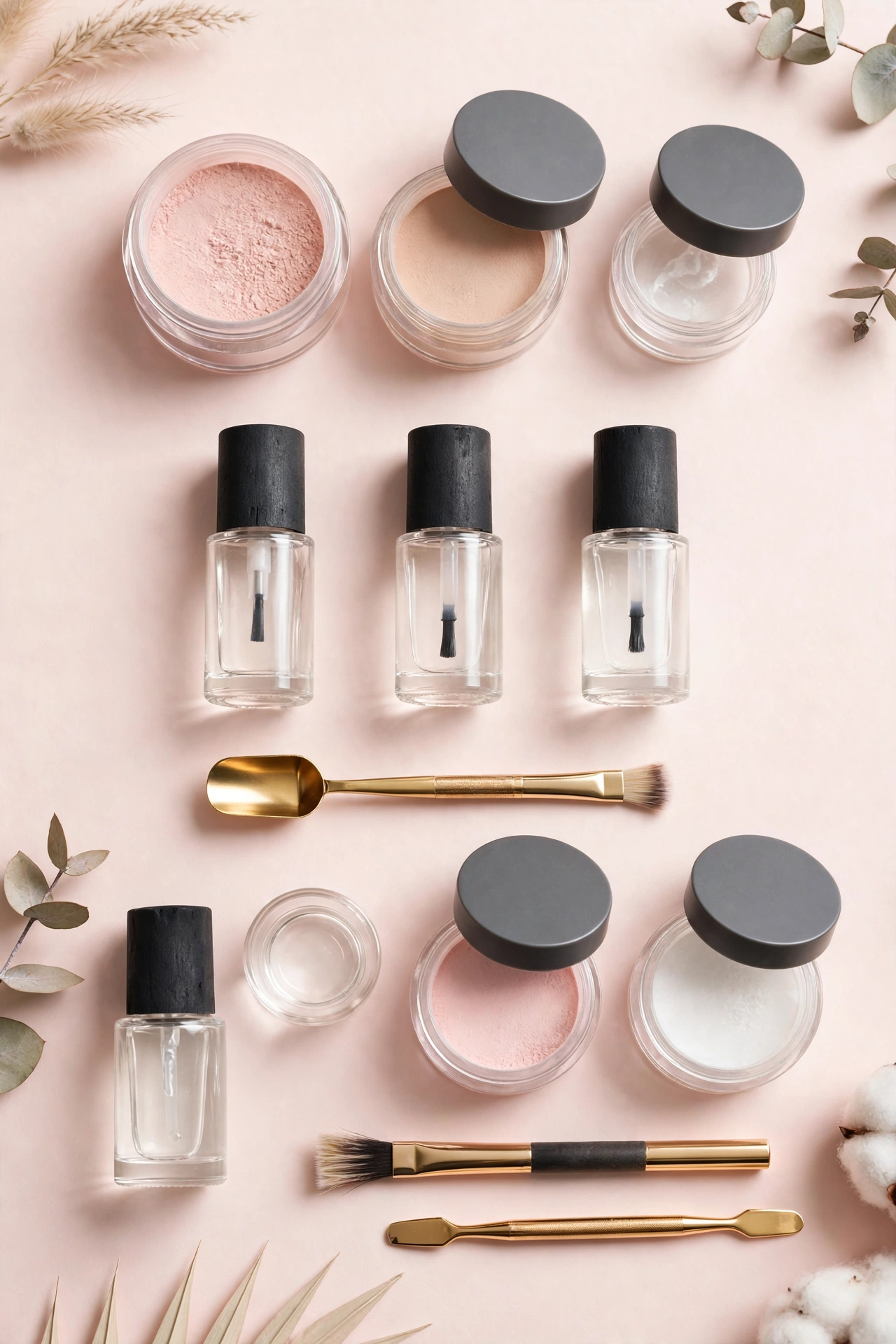
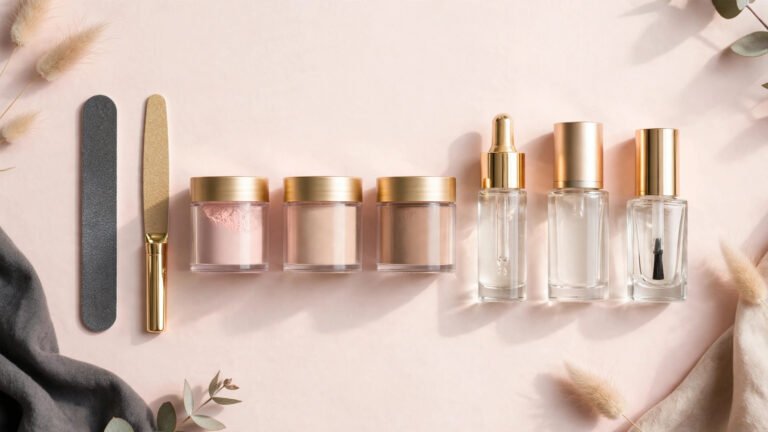
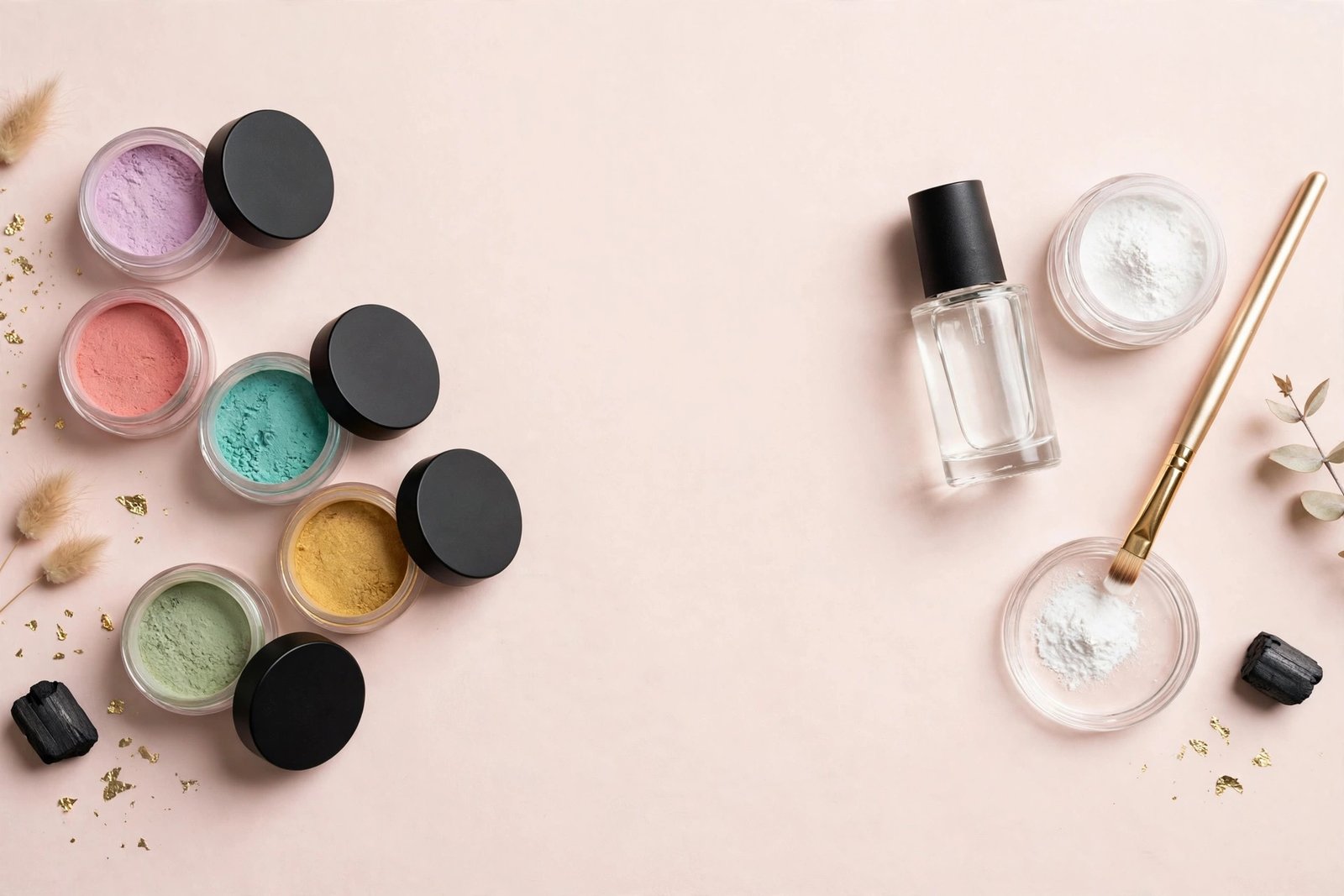
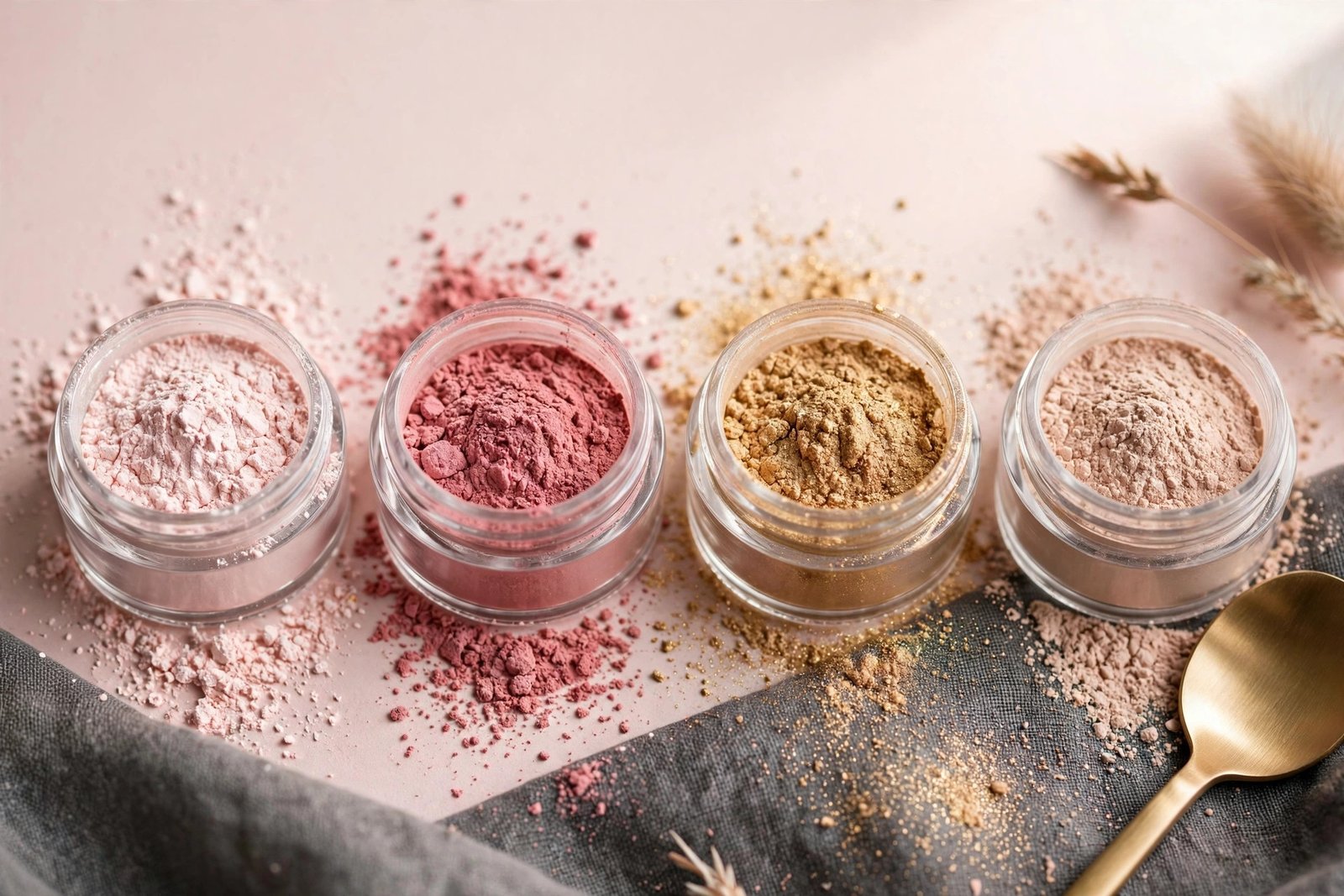
Dip powder nails (sometimes called SNS nails after the brand that popularized them) are a type of manicure where color is built up in fine layers. Here is the basic idea: a clear, glue-like base coat is painted onto the nail, and then the nail is dipped into — or dusted with — a finely milled colored powder. This is repeated two to three times, then an activator liquid hardens everything, and a glossy top coat seals it.
The powder itself is essentially a finely ground acrylic powder, similar to what is used in acrylic nails — but the application method is completely different. There is no liquid monomer to mix, no sculpting a bead of product with a brush, and no UV or LED lamp needed for curing. The activator does the hardening chemically, which is why a dip manicure air-dries in minutes.
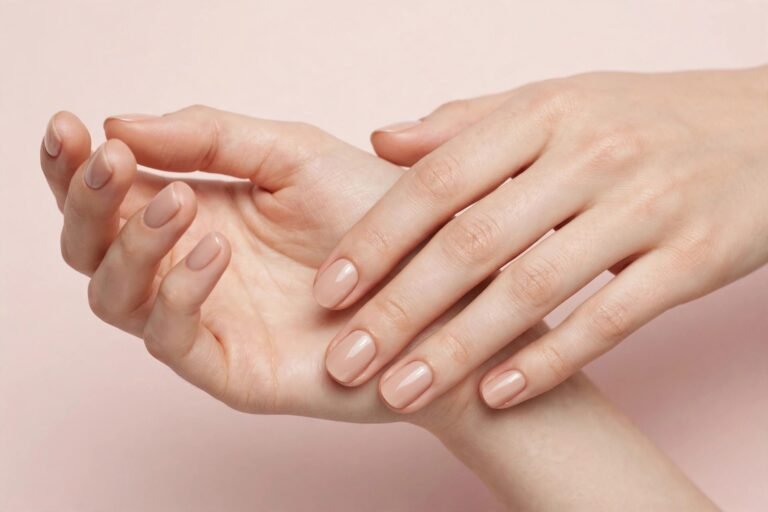
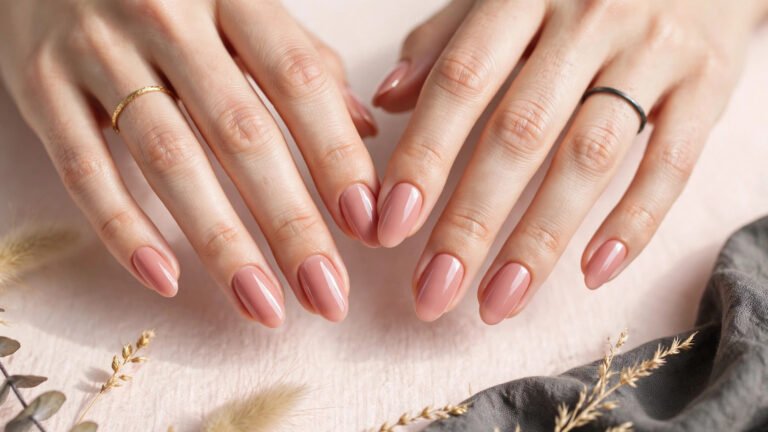
The result is a thin, lightweight, natural-feeling layer of color that many people say feels closer to a regular manicure than acrylics do. Because the powder comes in hundreds of colors — including glitters, chromes, and ombre-friendly shades — the design possibilities are nearly endless. Dip can be applied over your natural nails to add strength, or over tips if you want extra length.
What Are Acrylic Nails?
Acrylic nails are the classic salon enhancement and have been around for decades. They are created by mixing a liquid monomer with a powder polymer to form a small bead of product, which a nail tech then sculpts onto the nail with a brush. The bead hardens as it is exposed to air — no lamp required.
Acrylics are most famous for extensions: building dramatic length and sculpted shapes (coffin, stiletto, almond) over nail tips or forms. But they can also be applied as an overlay on natural nails for strength. Because the product is sculpted while wet, a skilled tech can create virtually any shape, correct uneven nails, and build serious structure.
The trade-off is the learning curve and the smell. Working with monomer takes real practice — getting the liquid-to-powder ratio right, sculpting before the bead sets, and filing the finished nail into shape are all skills. And liquid monomer has a strong, distinctive odor that many people find unpleasant, which is why ventilation matters in salons that do a lot of acrylic work.
Dip Powder vs Acrylic: Durability
Both options dramatically outlast regular nail polish, but there are differences worth knowing.
Dip powder typically lasts 2 to 4 weeks on natural nails. It is known for excellent chip resistance — the thin, flexible layers tend to wear gracefully rather than cracking. That said, dip is thinner than acrylic, so on very long nails or for people who are rough on their hands, lifting at the edges can happen in week three or four. For our full breakdown of wear time and how to maximize it, see the how long dip powder nails last guide.
Acrylics typically last 2 to 3 weeks before a fill is needed, mainly because of visible regrowth at the cuticle rather than the product failing. The product itself is harder and thicker, which makes it the stronger choice for very long extensions — acrylic can be built up to support lengths that dip powder simply cannot. If you type aggressively, open cans with your nails, or just live a high-impact lifestyle, acrylic’s rigidity is an advantage.
The verdict: For natural-length to medium nails, dip and acrylic are comparably durable. For extreme length and dramatic shapes, acrylic wins on strength. For chip resistance and a natural feel at everyday lengths, many people prefer dip.
Dip Powder vs Acrylic: Nail Damage Risk
This is the question everyone asks, and the honest answer is: neither option is inherently damage-free, but most damage comes from application and removal mistakes rather than the product itself.
The prep problem. Both services start with buffing the natural nail to create grip. Over-buffing — filing too aggressively or too often — thins the nail plate and is the single most common cause of weak, peeling nails after enhancements. A good tech buffs lightly; a rushed one can do real damage. This is true for dip, acrylic, and gel alike.
The removal problem. This is where most damage actually happens. Dip powder is designed to soak off in acetone, which is relatively gentle when done patiently. Acrylics must be soaked too, but because the product is thicker, removal takes longer and impatient techs (or DIYers) sometimes pry or force the product off — which can tear up layers of the natural nail. Peeling off either product yourself is the fastest route to thin, damaged nails. Our dip powder removal guide shows the safe soak-off method step by step.
The hygiene angle. Dip powder has one debated risk: in salons, dipping multiple clients’ fingers into the same jar of powder raises hygiene questions. Many reputable salons now use the pour-over method (sprinkling powder onto the nail instead of dipping into the jar) or use separate portions per client. If your salon dips straight from communal jars, it is reasonable to ask about their hygiene protocol. Acrylic doesn’t have this issue since each bead is mixed fresh.
The verdict: With careful prep and patient removal, both are reasonably safe. Dip has a slight edge for at-home users because soak-off removal is more forgiving than dealing with thick acrylic. If you are worried about nail health generally, our nail care routine for beginners is a good foundation.
Dip Powder vs Acrylic: Cost (Salon and DIY)
Prices vary a lot by city and salon, but here are typical ranges to help you compare.
Salon costs:
| Service | Typical Salon Price Range |
|---|---|
| Dip powder full set | $35–$55 |
| Dip powder fill | $30–$45 |
| Acrylic full set | $45–$75+ |
| Acrylic fill | $35–$55+ |
Acrylics generally cost more because the service takes longer and requires more skill — sculpting takes time. Fancy shapes, extreme length, and nail art add to both. Over a year of fills every three weeks, the price gap adds up: dip can save you several hundred dollars annually compared to acrylics.
DIY costs:
This is where dip really shines. A complete beginner dip powder kit (powders, base, activator, top coat, files) typically costs $30–$60 and covers many manicures. The per-manicure cost drops to just a few dollars once you own the kit. Our best dip powder kits for beginners breaks down what to look for.
DIY acrylic has a similar startup cost — monomer, polymer powder, brushes, tips, files — but the learning curve is much steeper. Most beginners waste a fair amount of product while learning bead ratios and sculpting, and the strong monomer fumes make at-home acrylic less pleasant. Dip is widely considered the more beginner-friendly DIY enhancement, which is why it has exploded in popularity with the at-home crowd.
The verdict: Dip is cheaper both in the salon and at home. If budget is a deciding factor, dip wins clearly.
Dip Powder vs Acrylic: DIY-Friendliness
If you want to do your own nails at home, this category is not close.
Dip powder was practically made for beginners. The steps — base coat, dip, tap off excess, repeat, activator, top coat — are simple and forgiving. There is no mixing ratios, no racing against a setting product, and no sculpting skill required. Most people get a decent-looking result on their first or second try, and our DIY dip powder tutorial walks through every step. The most common beginner issue is bumpy application, which is fixable with careful filing.
Acrylic is genuinely difficult to learn. Mixing the right liquid-to-powder ratio takes practice — too wet and the bead runs, too dry and it won’t adhere or smooth out. You have to sculpt each nail before the product sets (usually within a couple of minutes), work with your non-dominant hand, and then file everything into shape. Nail techs train for months to do this well. Determined DIYers can learn it from tutorials, but expect a frustrating first several attempts.
The verdict: Dip is the clear winner for DIY. If you want salon-quality nails at home without months of practice, dip is your answer.
Smell, Fumes, and Monomer Concerns
Acrylic’s monomer has a strong, sharp odor that most people notice immediately. In a salon, you smell it the moment you walk in. The fumes can cause headaches, eye irritation, and nausea in sensitive people, which is why proper ventilation is essential — both in salons and absolutely if you ever try acrylic at home. Some people also develop sensitivities to monomer with repeated exposure.
Dip powder is much lower-odor. The base coat, activator, and top coat have a mild chemical smell (the base is cyanoacrylate-based, similar to nail glue), but it is nowhere near acrylic monomer levels. Most people can comfortably do dip nails at home in a normally ventilated room without being overwhelmed.
Neither system requires a UV or LED lamp, which is a point in both their favor compared to gel — no UV exposure concerns at all.
The verdict: Dip wins comfortably for anyone sensitive to smells or concerned about fumes. If you are pregnant, have asthma, or get headaches easily, this alone might decide it for you (though it is always wise to check with your doctor about any nail products during pregnancy).
Which Should You Choose?
Here is a simple decision framework based on who each option suits best.
Choose dip powder if you:
– Want stronger natural nails without extreme length
– Are a beginner doing nails at home
– Are sensitive to strong chemical smells
– Want the most affordable long-wear option
– Prefer a thin, natural-feeling manicure
– Want easy, forgiving removal
Choose acrylic if you:
– Want dramatic length (long coffin, stiletto, or edge shapes)
– Bite your nails and need extensions to get past the habit
– Have very weak nails that need maximum structural support
– Want the hardest, most rigid enhancement available
– Are going to a skilled salon tech anyway (so DIY difficulty doesn’t matter)
– Want the widest range of sculpted 3D nail art possibilities
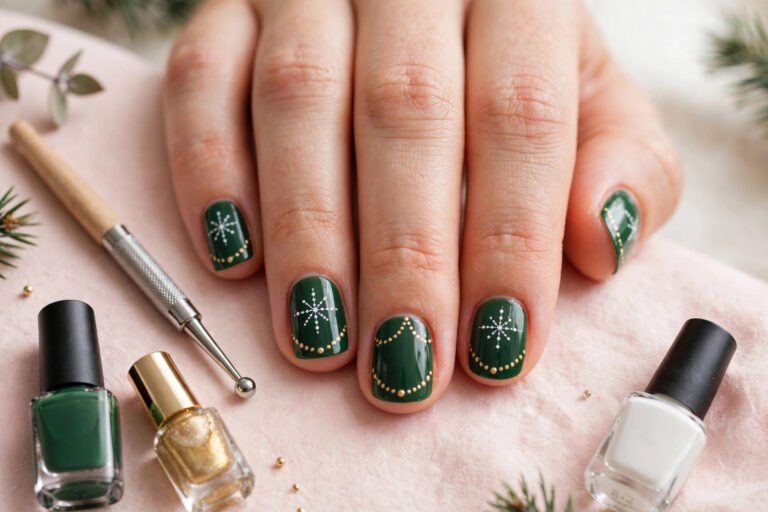
Consider gel or press-ons instead if: you want something in between — our press-on nails vs gel polish guide compares two other popular options, and if you love decorating your nails, our beginner nail art designs works beautifully over a dip base.
There is no universally “better” option — only the better option for your nails, your skills, and your priorities. Many people try both and land on a favorite. The good news is that neither choice is permanent: with safe removal, you can switch between them freely.
Key Takeaways
- Dip powder builds color in thin dipped layers with no monomer and no UV lamp; acrylics sculpt a monomer-and-powder bead that air-hardens — the application methods are completely different.
- Durability is comparable at natural to medium lengths (2–4 weeks for dip, 2–3 weeks for acrylic); acrylic wins for extreme length and structural strength.
- Most nail damage comes from over-buffing and impatient removal (especially peeling or prying), not from the product itself — patient acetone soak-off keeps nails healthiest.
- Dip is cheaper in salons ($35–$55 vs $45–$75+ for acrylic) and far more beginner-friendly for DIY, with a much easier learning curve.
- Acrylic monomer has strong fumes requiring ventilation; dip powder has only a mild odor, making it the better pick for smell-sensitive people.
- Choose dip for natural-looking strength, DIY, and budget; choose acrylic for dramatic length, sculpted shapes, and maximum rigidity.
Frequently Asked Questions
Which lasts longer, dip powder or acrylic nails?
At natural to medium lengths, they are very similar: dip lasts 2–4 weeks and acrylic lasts 2–3 weeks before a fill. Acrylic’s edge is structural — it can be built thicker and longer without breaking, so for extreme lengths acrylic outlasts dip. For everyday lengths, many people find dip wears just as long with better chip resistance.
Is dip powder healthier for nails than acrylic?
Neither is automatically “healthy” for nails — both require buffing the natural nail and both can cause damage if removed impatiently. Dip has a slight advantage because it soaks off more easily and doesn’t involve monomer fumes. But a careful acrylic application with gentle removal can be just as nail-friendly as dip. Technique matters more than product.
Can I do acrylic nails at home as a beginner?
You can try, but be prepared for a steep learning curve. Mixing monomer and powder to the right ratio, sculpting before the bead sets, and filing everything into shape takes most people many attempts to get right — nail techs train for months. Dip powder is widely considered the far more beginner-friendly at-home enhancement. If you want DIY success quickly, start with dip.
Does dip powder ruin your natural nails?
Dip powder itself doesn’t ruin nails, but bad habits around it can: over-buffing during prep, peeling or prying the product off instead of soaking, and skipping rehydration after acetone soaks. Done properly — light buffing, patient soak-off removal, and cuticle oil aftercare — most people maintain healthy nails under dip. Never peel.
Can you get a fill with dip powder, or do you need a fresh set?
Both are possible. Many salons offer dip fills where regrowth near the cuticle is filed down and fresh product is applied, extending the manicure another couple of weeks. Others prefer a full soak-off and fresh set for the cleanest result. After two to three fills, most techs recommend a fresh set so the product doesn’t get too thick.
Can you put gel polish over dip powder nails?
Yes — gel polish adheres well over a dip powder base and is a popular way to get nail art or colors you don’t own in powder form. Apply the gel color over the finished, filed dip surface and cure as normal. Keep in mind you will still need to soak off the gel layer before removing the dip underneath.
Love this? Pin it for later!