Cream vs Powder Highlighter: Which Should You Buy?
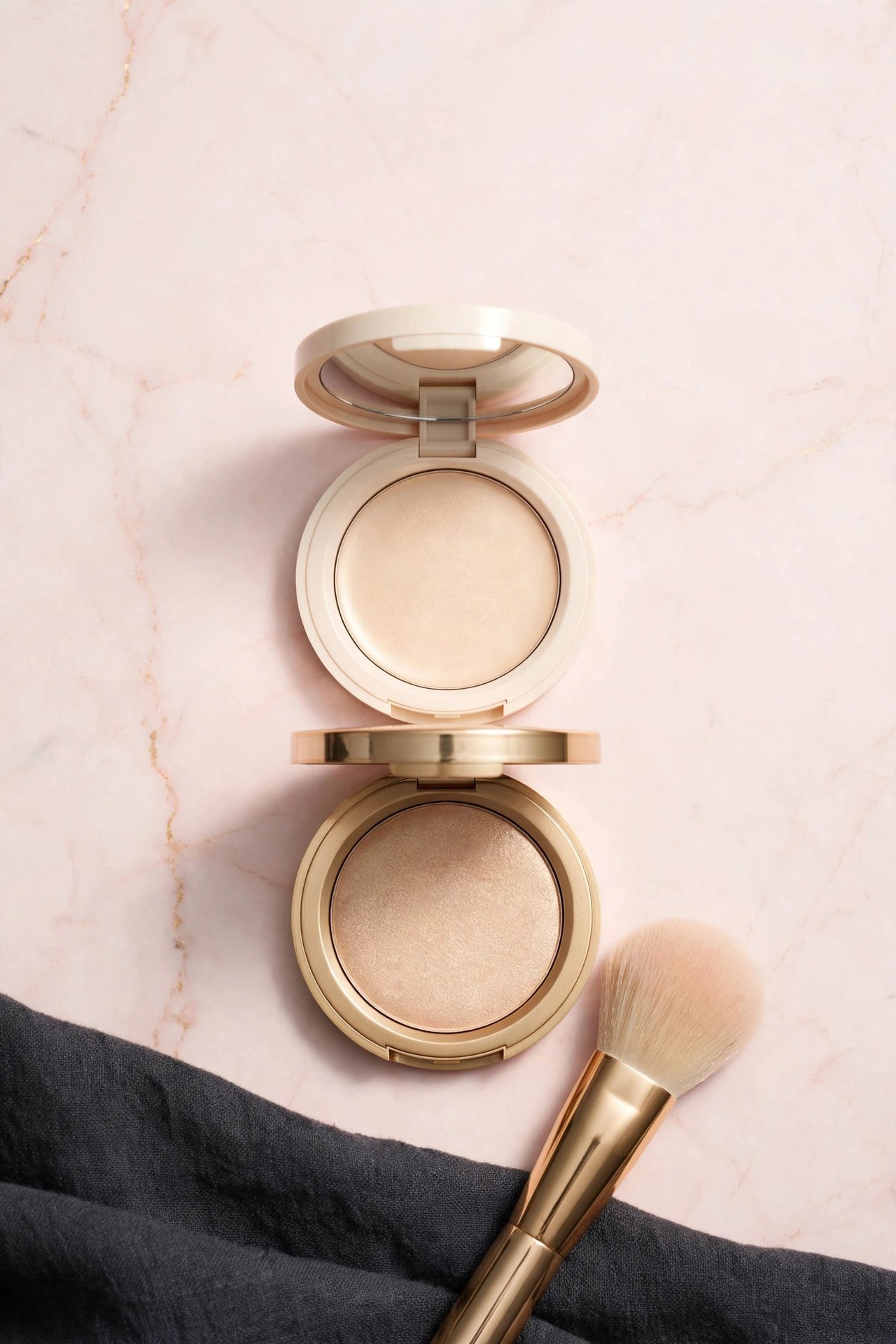
Standing in the makeup aisle staring at cream compacts and powder palettes, wondering which one deserves your money — that’s a rite of passage. Cream and powder highlighters both create glow, but they do it differently: different finishes, different wear times, different skin types they flatter, and different skill levels they suit. Buy the wrong one and you’ll fight your makeup every morning; buy the right one and application feels effortless. This guide compares the two formulas head-to-head across every factor that matters, so you pick correctly the first time.
- The short answer: Creams give a dewy, skin-like glow and are most forgiving for beginners; powders give a stronger, longer-lasting beam and suit oily skin.
- Finish: Creams look like lit-from-within skin; powders look like a deliberate glow — brighter and more reflective.
- Skin type is the deciding factor: Dry and mature skin usually prefer cream; oily skin usually prefers powder; normal and combination can go either way.
- Application differs: Creams blend with fingers or sponge; powders need a brush and a lighter hand.
- You can layer them — cream underneath, powder on top — for the longest-wearing, most dimensional glow.
- Budget tip: Both formulas have excellent drugstore options; formula matters more than price here.
If you’re new to highlighter entirely, start with the beginner’s highlighter guide for shade selection and placement basics, then come back here to lock in your formula.
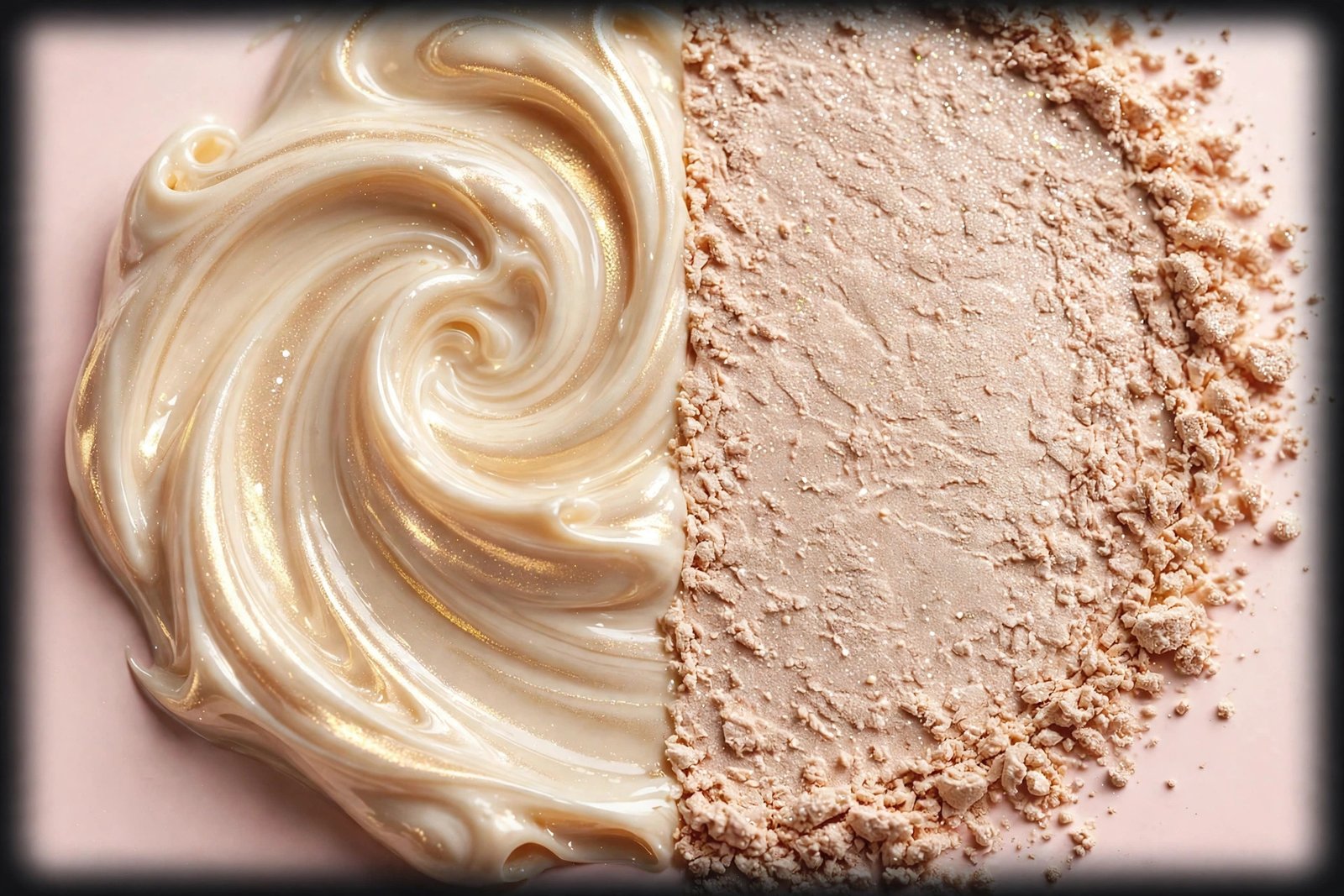
Head-to-Head Comparison
| Factor | Cream Highlighter | Powder Highlighter |
|---|---|---|
| Finish | Dewy, skin-like, lit-from-within | Brighter, more reflective, visible glow |
| Intensity | Sheer to medium, buildable | Medium to intense, buildable |
| Best skin types | Dry, normal, mature | Oily, combination, normal |
| Beginner-friendliness | Very forgiving, blends with fingers | Needs brush control, easier to over-apply |
| Staying power | 4–6 hours (fades as skin oils break it down) | 6–8+ hours (sets into place) |
| Application tool | Fingers, sponge, stippling brush | Fluffy brush, fan brush |
| Over makeup | Best on bare skin or light base; can disturb foundation if over-blended | Sits cleanly over set foundation |
| Travel | Compact, no brush strictly needed | Needs a brush; powder can shatter |
| Price range | Drugstore to luxury, similar range | Drugstore to luxury, similar range |
| Mature skin | Excellent — doesn’t settle into lines | Risky — can emphasize texture |
Finish: Dewy Skin vs. Visible Glow
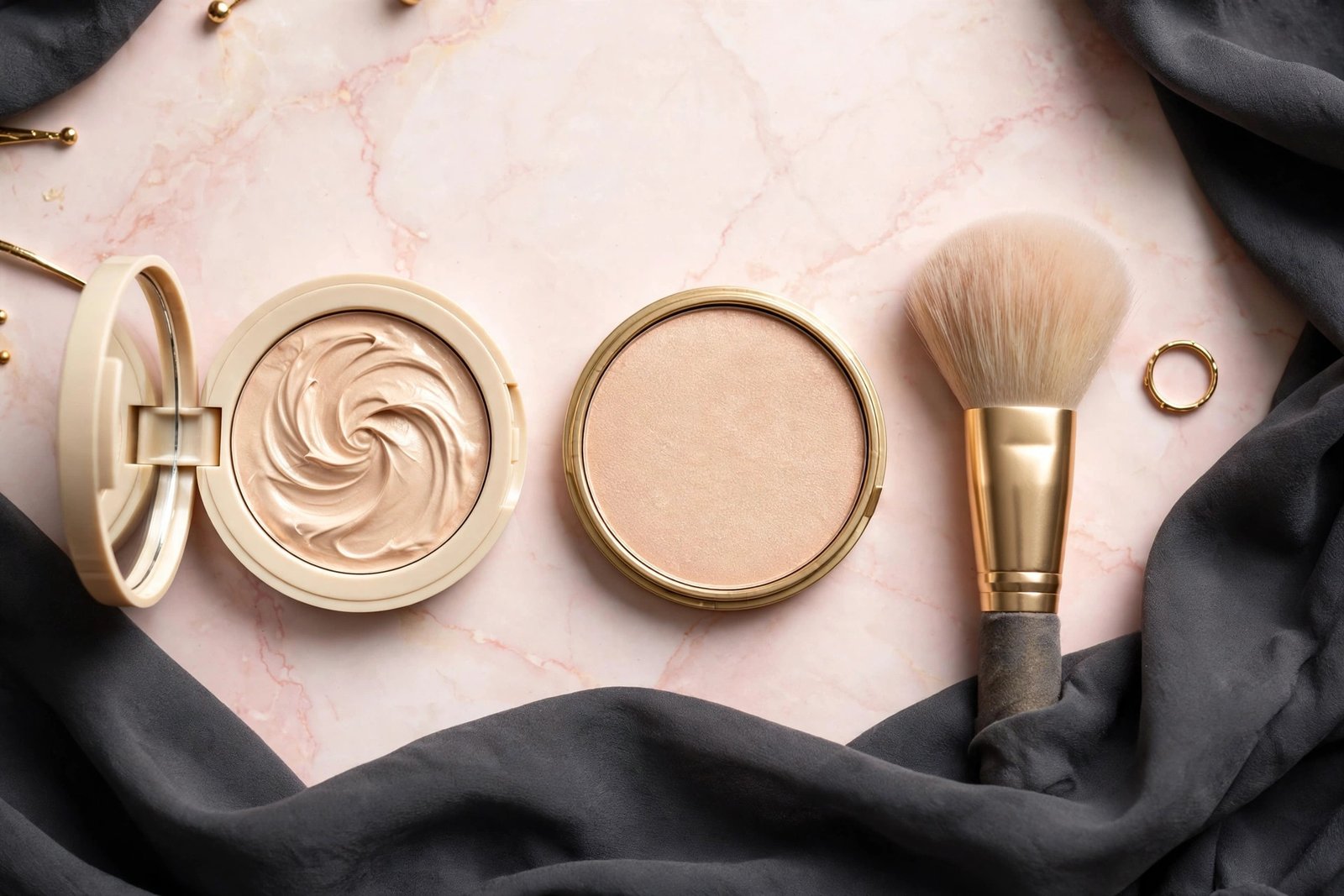
This is the most noticeable difference. Cream highlighter melts into the skin and looks like your skin is glowing from within — there’s no visible product sitting on top, just luminosity. It’s the “your skin but better” effect, and it’s why creams dominate the no-makeup-makeup and clean-girl aesthetic.
Powder highlighter sits on top of the skin and reflects light more intensely. The glow is more obvious — in the best way when you want it, but harder to make subtle. A powder beam on the cheekbone catches the eye from across the room; a cream glow reveals itself up close.
Neither is better objectively — it’s a style choice. For daytime, office, and natural looks, cream’s subtlety usually wins. For evenings, events, and photography, powder’s intensity photographs beautifully. Many makeup lovers own both and choose by occasion.
Staying Power: How Long Each Lasts
Powder wins on longevity, and it’s not close. Powder highlighter sets into place over foundation and typically lasts 6–8+ hours, fading gradually and evenly. It behaves like other powder products — stable, predictable.
Cream highlighter lasts 4–6 hours on most skin types, less on oily skin. Body heat and facial oils gradually break down the emollient base, and the glow migrates or fades. Touching your face accelerates this. Setting spray helps, but cream will never outlast powder in a wear test.
The pro move that gets you both: layer them. Apply cream first for the skin-like base glow, then press a light layer of powder highlighter over the same spots. The powder locks the cream in place, the cream keeps the powder from looking dry or chalky, and the combined wear time beats either formula alone. This layering technique is also the secret behind the glassy viral looks — see the glazed donut skin tutorial for the full layering order.
Skin Type Match: The Deciding Factor
Dry skin → cream. Powder highlighter on dry skin can look chalky, emphasize flakes, and sit visibly on the surface. Cream melts into dry skin, adds a touch of moisture, and never looks powdery. If your skin is dry, this decision is nearly made for you.
Oily skin → powder. Cream on oily skin slides, migrates, and by midday merges with your natural oils into an all-over shine that’s hard to distinguish from grease. Powder absorbs a little oil, stays where you put it, and keeps the glow controlled. Apply over a mattified base for best results.
Combination skin → either, or both. Use powder on oil-prone zones (nose bridge, center forehead if you highlight there) and cream on drier areas (cheekbones). Mixed formulas for mixed skin is standard practice among makeup artists.
Mature skin → cream, usually. This is one of the clearest recommendations in makeup: cream and liquid highlighters are kinder to mature skin because they don’t settle into fine lines or emphasize texture. Powder particles can catch in wrinkles and pores, aging the look. A satin-finish cream on the cheekbones gives mature skin a youthful luminosity. For product-specific guidance, the best highlighter for mature skin guide covers this in depth.
Sensitive/acne-prone skin → depends on the formula, not just the type. Fragrance-free options exist in both. Creams applied with fingers mean more skin contact (wash hands first); powders applied with a clean brush are more hygienic per application but the brush needs regular washing.
Application: Technique Differences
Cream technique: Warm a small amount between your fingers, then dot or swipe onto the high points — cheekbones, brow bone, Cupid’s bow. Blend with tapping/stippling motions using your ring finger or a damp sponge. The key is pressing the product into skin rather than dragging it. Work quickly: creams set within a minute or two, and over-blending after they’ve set creates patchiness. The upside for beginners: mistakes sheer out easily, and you can see exactly what you’re doing up close.
Powder technique: Swirl a fluffy brush lightly over the pan — then tap off the excess, always. Sweep or buff onto the cheekbones in soft motions, building in thin layers. The critical beginner skill is restraint: powder deposits more product than it looks like in the pan, and it’s much harder to remove excess powder than to add more. If you over-apply, buff with a clean fluffy brush rather than adding foundation on top.
The learning curve: Most beginners find cream easier in the first week — fingers are intuitive, and the forgiving blendability covers mistakes. Powder rewards practice: once your brush control develops, powder application becomes fast and precise. If you’ve never applied highlighter before and want the gentlest start, cream is the safer first purchase.
Layering Order with the Rest of Your Makeup
Where each formula fits in your routine:
Cream highlighter goes on after foundation/concealer but before any setting powder. If you set your whole face with powder and then apply cream highlighter, the cream grabs onto the powder unevenly and looks patchy. The correct order: foundation → cream contour/blush → cream highlighter → light setting powder (avoiding the highlighted spots) → optional powder highlighter on top for intensity.
Powder highlighter goes on after everything is set — it’s one of the last steps, after setting powder and powder blush. Applying powder highlighter before setting powder buries the glow.
This ordering is also why the cream vs powder blush decision follows the same logic — creams before powder, always.
Cost and Value: What Your Money Buys
Here’s the honest breakdown: in highlighter, formula quality matters more than brand prestige, and both creams and powders have genuinely excellent drugstore options. The reflective pigments are similar across price points; you’re paying for finer milling, better shade curation, and packaging as you go up.
Don’t overspend on: your first highlighter of either formula. A well-reviewed drugstore option teaches you your preferences (finish, intensity, shade family) before you invest.
Worth considering at higher price points: finely-milled powders with nuanced shades (luxury powders are often noticeably smoother), and cream formulas with skincare ingredients that suit dry or mature skin.
The real budget trap isn’t cream vs powder — it’s buying both in full size before you know which you prefer. Start with one. If you love highlighter and want the layering option later, add the second formula then.
When to Own Both
You don’t need both to start, but there are good reasons to eventually own one of each:
- Occasion switching: cream for day, powder for night.
- Layering: the cream-under-powder technique for maximum wear and dimension.
- Seasonal skin changes: skin that’s combination in summer may be dry in winter — your ideal formula can change with the seasons.
- Different spots: cream on the cheekbones for a natural glow, powder on the brow bone and inner corners for precise brightness.
If you buy both, you don’t need them in the same shade — in fact, slightly different shades (a deeper cream, a brighter powder) layer more interestingly than identical ones.
Frequently Asked Questions
Can I use cream highlighter over powder foundation?
It’s tricky. Cream over powder tends to grab and go patchy. If you wear powder foundation, either switch to powder highlighter or apply the cream very carefully with a damp sponge in pressing motions, using minimal product. Better yet: apply cream highlighter before the powder foundation on the high points, then set lightly around (not over) those spots.
Which formula is better for beginners?
Cream, for most beginners — it’s forgiving, blends with fingers, and mistakes sheer out. The exception is very oily skin, where powder’s staying power makes it easier despite the steeper brush-control learning curve. Either way, start with a satin finish in a champagne shade and practice the placement from the highlighter face map.
Does cream highlighter cause breakouts?
Any product can, but creams aren’t inherently more comedogenic than powders. The bigger risk factors are fingers (wash hands before applying), shared testers (never), and not removing makeup properly at night. Choose non-comedogenic formulas if you’re acne-prone, and keep highlighter away from active breakouts regardless of formula.
Can I mix liquid highlighter into foundation instead?
Yes — that’s using an illuminator technique, and it’s a great beginner-friendly way to get glow without placement skills. Mix a drop or two of liquid highlighter into your foundation for an all-over lit-from-within base, then add targeted cream or powder highlighter on the high points. Just don’t overdo both, or the overall effect becomes shiny rather than glowy.
How do I travel with highlighter without it breaking?
Creams and sticks travel best — no shatter risk, no brush strictly required. If you bring powder, keep it in a padded pouch and avoid checking it in luggage if you can. A cracked powder highlighter can be repaired by crushing it fully, mixing with a drop of rubbing alcohol, pressing it flat, and letting it dry overnight — it won’t be perfect, but it’s usable.
Which lasts longer on the shelf, cream or powder?
Powder — about 2 years after opening vs. about 12 months for creams and liquids. Creams contain more emollients and water, which support bacterial growth, especially with finger application. If a cream highlighter changes smell, texture, or color, replace it regardless of the date.
Conclusion
The cream vs powder decision comes down to three things: your skin type (dry/mature leans cream, oily leans powder), the finish you want (skin-like dew vs. visible beam), and how much wear time you need. Beginners usually have the easiest start with cream; oily skin and long days usually favor powder; and the cream-under-powder layer gives you the best of both when you’re ready. Whichever you choose, pair it with correct placement from the highlighter face map and the fundamentals in the beginner’s highlighter guide — formula is only half the glow equation.
Love this? Pin it for later!