Best Highlighter for Mature Skin (No Settling Into Lines)
Few makeup products divide mature skin wearers like highlighter. Applied well, it brings back the luminous glow that skin over 40 gradually loses. Applied badly, glittery powder clings to every fine line and texture change, making skin look older than it is. The good news: the best highlighter for mature skin absolutely exists — you just need to choose differently than you did in your twenties.
The secret is formula and finish. Cream, liquid, and balm formulas melt into skin and move with it, while chunky glitter powders sit on top and exaggerate texture. This guide covers the 10 highlighter picks that actually flatter mature skin, what to look for on the label, and the application techniques that give you glow without settling into lines.
- Key Takeaways:
- Cream and liquid formulas flatter mature skin far more than chunky powder glitters.
- Look for “pearl” or “satin” finishes; avoid products described as glittery, sparkly, or holographic.
- Apply highlighter to the tops of cheekbones only, never on the eye area’s fine lines.
- Prep skin with hydration — well-moisturized skin makes every highlighter look better.
- Undertone matters more than shade: warm gold for warm undertones, rose-pearl for cool ones.
Why Highlighter Gets Tricky After 40
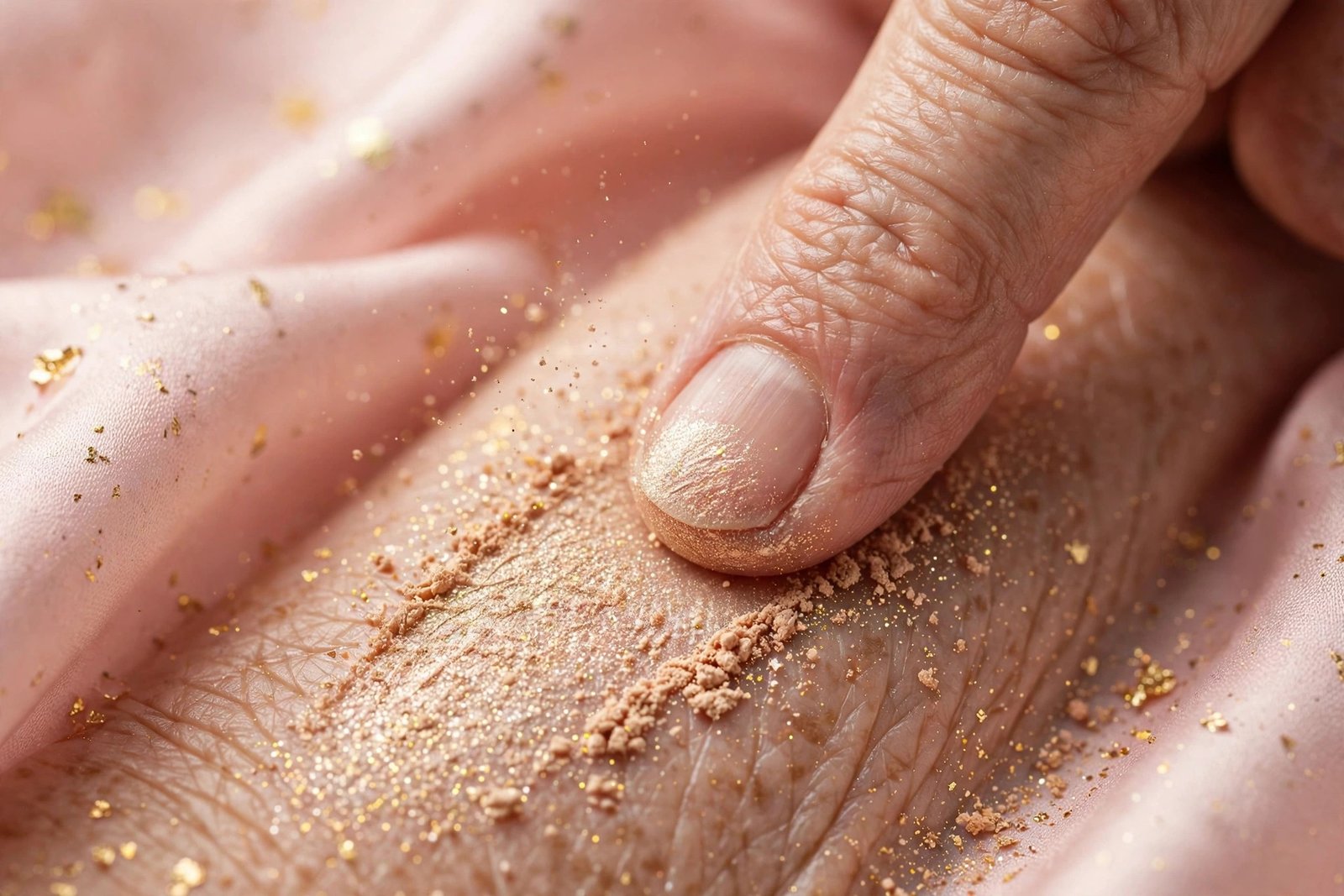
As skin matures, it changes in ways that directly affect how shimmer products perform. Natural oil production decreases, meaning skin loses some of its built-in dewiness. Collagen loss softens the bone structure that highlighter is designed to emphasize. Fine lines around the eyes and mouth deepen, and skin texture becomes slightly less even.
Powder highlighters with large reflective particles behave like a spotlight pointed at texture — every micro-crease becomes visible. Cream and liquid formulas, on the other hand, behave more like your skin’s natural oils used to: they blend, flex, and reflect light softly. This is why makeup artists working with mature clients almost always reach for cream products first.
That said, mature skin doesn’t mean giving up luminosity. In fact, luminosity is the single most effective visual cue for youthful-looking skin. The goal is light diffusion, not sparkle.
The 10 Best Highlighters for Mature Skin
1. Cream Stick Highlighter
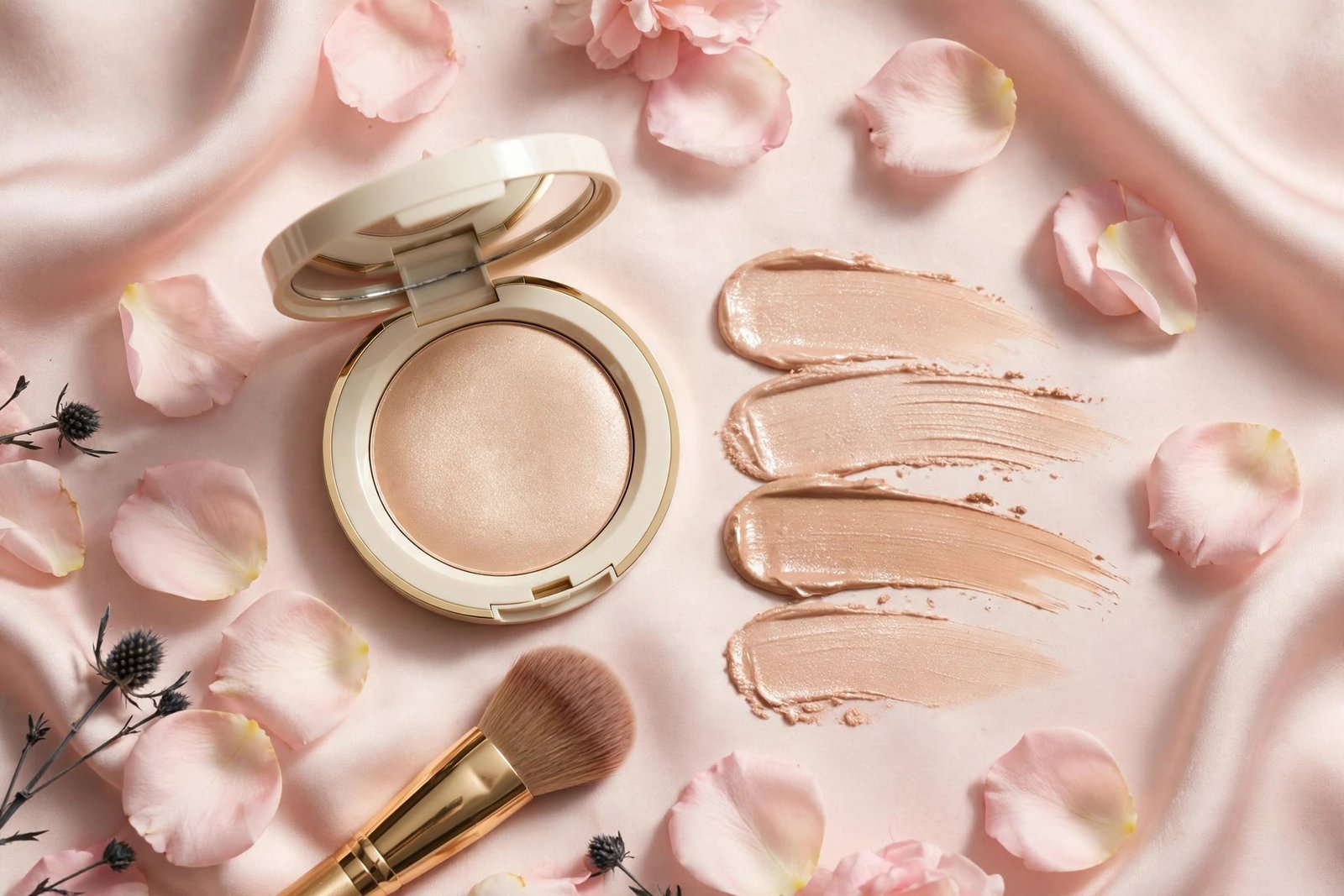
A cream stick is the single easiest highlighter format for mature skin. It delivers a sheer, blendable sheen that you can press directly onto the cheekbones and diffuse with fingers. Because the formula is emollient, it won’t catch on dry patches or settle into lines. Look for sticks with a fine pearl finish rather than visible glitter.
2. Liquid Illuminator
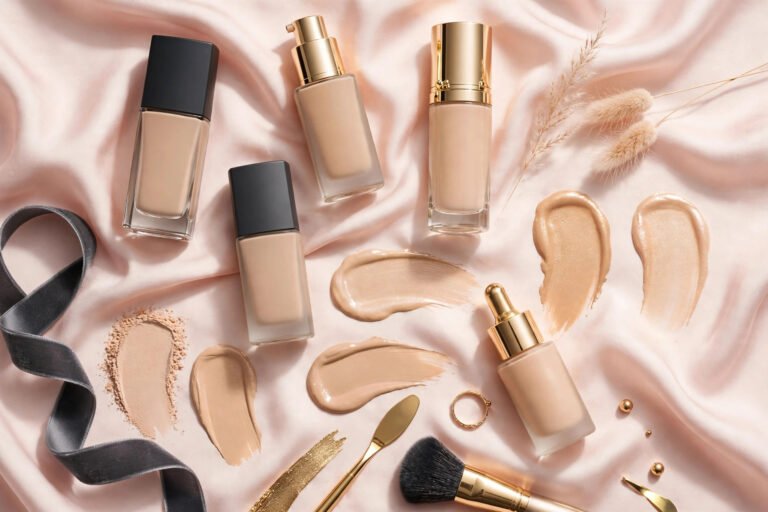
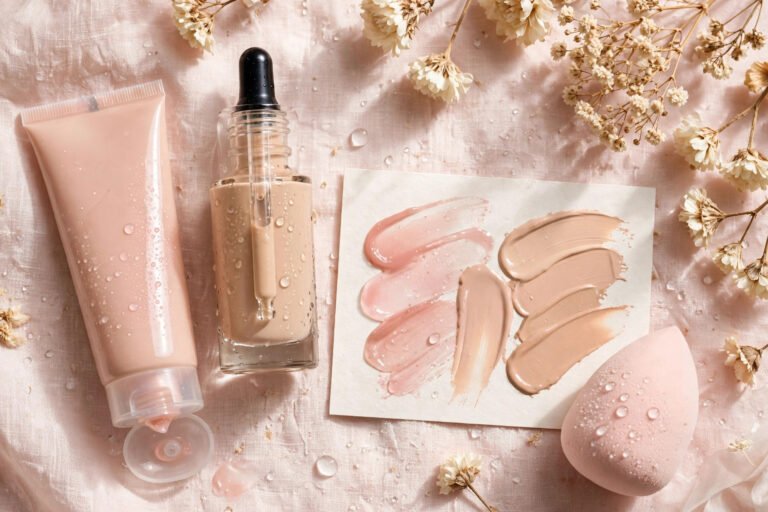
Liquid illuminators can be mixed into foundation or moisturizer for an all-over glow, or applied directly to high points. For mature skin, mixing a drop into foundation is a brilliant strategy — it gives luminosity from underneath rather than shine on top, which reads as healthy skin rather than obvious makeup.
3. Balm-Texture Highlighter
Solid balm highlighters (sometimes called “glass skin” balms) create the most skin-like glow of all. They deposit almost no pigment and no visible particles — just light. Pressed onto the high points of the face, they mimic the look of naturally dewy skin. This is the formula to choose when even cream seems too obvious.
4. Sheer Powder Highlighter (Finely Milled)
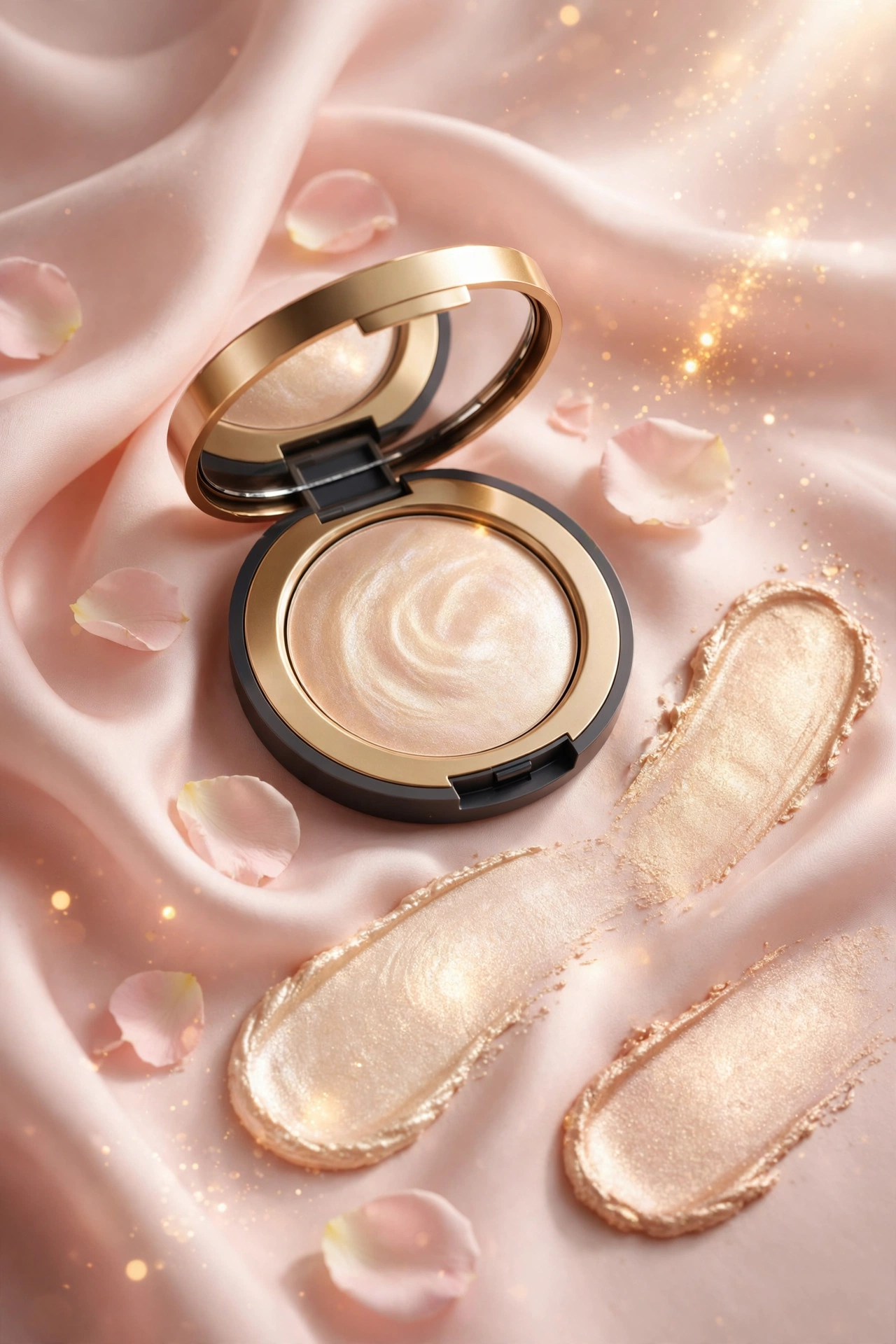
Not all powders are the enemy. A finely milled, satin-finish powder highlighter with no chunky glitter particles can work beautifully on mature skin, especially when layered lightly over set cream. The key words on packaging: “finely milled,” “pearl,” “luminous” — and avoid “metallic” and “intense.”
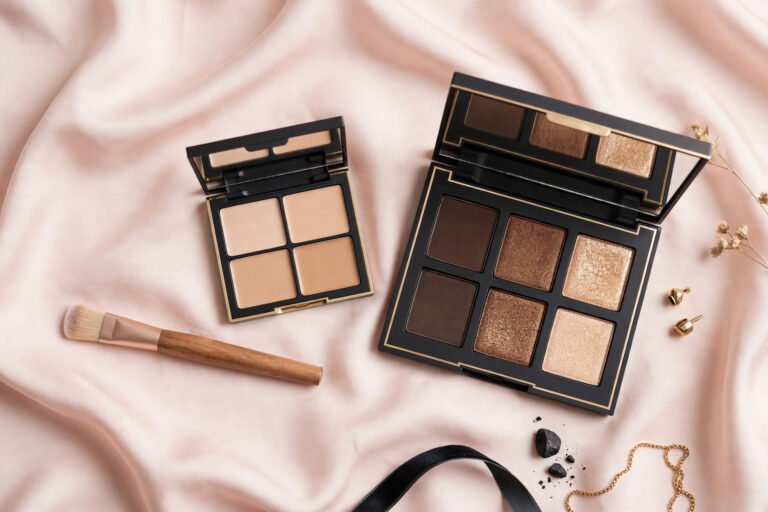
5. Highlighter Palette with Neutral Pearls
A palette of neutral pearl shades lets you customize the undertone — champagne, soft gold, or rose pearl depending on your coloring. Palettes are worth it when you want one product that works year-round as your tan level shifts. Skip palettes where every shade has heavy shimmer.
6. Cushion-Compact Highlighter
Cushion compacts dispense liquid formula through a sponge, giving you a thin, controlled layer. The sheer coverage is ideal for mature skin because you can’t accidentally over-apply. They also travel well for midday touch-ups without disturbing base makeup.
7. Illuminating Primer
Using an illuminating primer underneath foundation is a glow strategy rather than a highlighter strategy — but the effect is the same. A lit-from-within base means you need less highlighter on top, which means less product to migrate into lines during the day.
8. Champagne-Toned Highlighter (Warm Undertones)
For warm undertones, champagne and soft gold highlighters harmonize with skin and look natural. They read as “healthy glow” rather than “makeup.” Cool silver tones on warm skin tend to look ashy, which can age the complexion.
9. Rose-Pearl Highlighter (Cool Undertones)
For cool undertones, a rose or pink pearl highlighter is the equivalent of champagne for warm skin. It brightens without the yellow cast that gold can give cool complexions. Neutral undertones can wear either.
10. Subtle Stick in a Neutral Shade
A neutral pearl stick — not too gold, not too pink — is the most foolproof single purchase. Neutral shades adapt to changing skin tones throughout the year and pair with any blush. When in doubt, choose the most neutral option available.
If you’re still building your base highlighter skills, the beginner’s highlighter guide walks through formulas and placement fundamentals in detail.
What to Look For (and Avoid) on the Label
Look for: “finely milled,” “pearl finish,” “satin,” “luminous,” “dewy,” “cream-to-powder,” “hydrating.”
Avoid: “glitter,” “sparkle,” “holographic,” “duochrome,” “metallic,” “intense pigment.” These words signal large reflective particles that will emphasize texture.
Also check the ingredient deck for comfort. Formulas containing squalane, vitamin E, or hyaluronic acid tend to sit better on drier mature skin. Products heavy in alcohol or talc can drag and settle.
Where to Apply (and Where Not To)
Correct placement matters as much as formula. On mature skin:
Apply to:
– The very tops of the cheekbones, blending toward the temples
– The inner corners of the eyes (a tiny amount brightens instantly)
– The bow of the lip (a dab adds dimension)
– Down the center of the nose — sparingly, and skip if the area has texture
Avoid:
– Directly on the orbital bone under the eyes — shimmer here accentuates fine lines
– Smile lines and nasolabial folds — light in creases makes them look deeper
– Anywhere with active texture or enlarged pores
A lighter hand is always safer. You can build cream highlighter in thin layers; removing over-applied powder usually means starting over. For more precision on placement, see the complete highlighter face map concept and the beginner contouring guide for how glow and shadow work together.
Application Tips That Prevent Settling
- Moisturize first. Highlighter glides over hydrated skin and grabs onto dry skin. Give moisturizer two to three minutes to absorb before base makeup.
- Use fingers or a damp sponge for creams. Body heat melts cream into skin; a damp sponge presses without dragging.
- Apply before setting powder, not after. Cream highlighter over powdered skin looks patchy. Either skip setting powder on the cheekbones or set very lightly with a sheer veil.
- Blend outward, not in circles. Circular blending on the cheekbones pushes product into the crease area under the eye. Blend outward toward the temples.
- Reassess in daylight. Bathroom lighting lies. Check your glow in natural light before you leave — what looks subtle indoors can look metallic in sunlight.
Your under-eye area deserves special care too. The best concealer for mature skin that won’t crease pairs perfectly with these highlighter placement rules.
Common Mistakes That Age the Look
- Too much product. More highlighter does not equal more glow. A sheer layer reads youthful; a thick one reads metallic.
- The wrong undertone. Silver on warm skin looks cold and ashy; gold on cool skin looks brassy. Match undertone first, shade second.
- Skipping blush. Highlighter without blush can look stark on mature skin. A soft blush anchors the glow — see the beginner blush guide for shade matching.
- Applying with a dry, scratchy brush. Cheap stiff brushes drag cream and disturb base makeup. Use a soft synthetic brush or fingers.
- Highlighting textured areas. No formula fixes placement mistakes. Keep shimmer off areas where you wouldn’t want extra attention.
Frequently Asked Questions
Can I wear powder highlighter over 50?
Yes, as long as it’s finely milled and satin-finished rather than glittery. Apply it lightly over well-set makeup, and keep it to the tops of the cheekbones. Many women over 50 wear powder highlighter beautifully — the problem is never age, it’s particle size.
Should mature skin use cream or powder highlighter?
Cream is the safer default because it flexes with the skin and won’t settle into lines. That said, a sheer finely milled powder works well for oilier mature skin or in humid weather when creams might slip. Many mature makeup wearers own one of each.
What color highlighter is best for older skin?
Choose by undertone: champagne or soft gold for warm undertones, rose pearl for cool undertones, neutral pearl for neutral. Avoid icy silver or white unless your undertone is genuinely cool and very fair — on most mature skin they look harsh.
Why does highlighter settle into my fine lines?
Three common causes: the formula has particles that are too large (glitter, not pearl), the skin underneath was too dry when you applied it, or you’re applying it to areas where lines cluster (under the eyes, around the mouth). Switch to a cream or balm, hydrate well, and keep shimmer on the high planes of the face.
Can highlighter replace blush on mature skin?
No — they serve different purposes. Blush adds youthful color; highlighter adds light. On mature skin, blush is arguably more important, since it mimics natural circulation. Use both: blush on the apples of the cheeks, highlighter on the tops of the cheekbones.
Does highlighter work on textured or acne-prone mature skin?
Yes, with care. Stick to cream or balm formulas, apply only to the highest points of the cheekbones (away from active texture), and use a light hand. Avoid powder shimmers on textured areas entirely — powder plus texture reads as glitter on bumps.
Conclusion
The best highlighter for mature skin is the one you barely notice as makeup — a cream, liquid, or finely milled satin formula in your undertone, applied with a light hand to the high points of the face. Forget the glittery powders of your twenties; mature glow is about light diffusion, not sparkle. Start with one neutral cream or balm highlighter, learn the placement that flatters your face, and build from there. Your skin hasn’t lost its ability to glow — it just needs a smarter approach to get there.
Love this? Pin it for later!