Twists vs Braids: Pros, Cons, and Which Lasts Longer
Choosing between twists and braids can feel like picking between two favorites — both are classic protective styles for natural hair, both look stunning, and both give your hair a well-deserved break from daily manipulation. But they are not interchangeable. Twists are quicker to install and work beautifully on shorter or finer hair, while braids tend to last longer and handle more versatile styling. This guide breaks down the pros, cons, install time, maintenance, and longevity of each so you can pick the style that matches your hair goals, schedule, and texture.
Key Takeaways
- Braids typically last longer (6–8 weeks) than twists (3–6 weeks), thanks to a tighter, more durable structure.
- Twists are faster to install, gentler on the edges and hairline, and easier to take down.
- Twists work well on shorter natural hair (even 3–4 inches), while most braid styles need more length or extensions.
- Both styles protect ends and encourage length retention when installed and maintained correctly.
What Counts as a Twist vs a Braid?
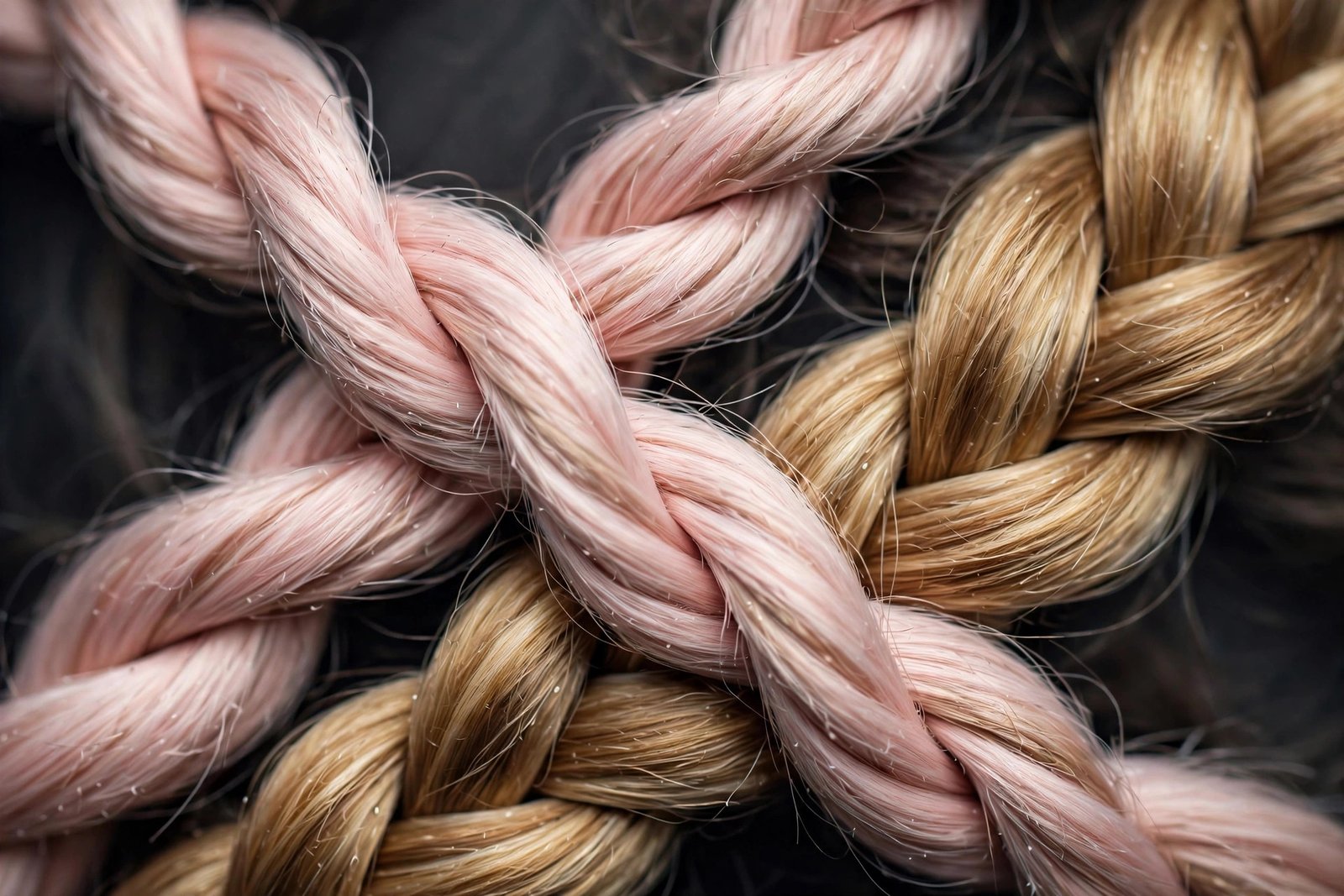
Twists involve wrapping two strands of hair around each other — that’s it. Two-strand twists, flat twists, and Senegalese twists (done with extensions) all use this two-strand technique. Braids, by contrast, use a three-strand technique: box braids, cornrows, knotless braids, and French braids all interweave three sections. That structural difference is what drives most of the differences below — longevity, frizz resistance, and versatility.
Pros and Cons of Twists
Pros: Twists are one of the friendliest protective styles for beginners to try. Two-strand twists take 1–3 hours depending on size and length — a fraction of what braids require. Because the technique is simpler, salon prices are usually lower, and DIY installs are very doable at home. Twists are also gentler at the root, which makes them a kinder option if your edges are fragile or recovering. They work on relatively short hair and unravel into a gorgeous twist-out — essentially two styles in one. Senegalese twists and other extension twists give you the length and fullness of braids without the heavier tension.
Cons: The two-strand structure loosens faster than a three-strand braid, so twists typically last 3–6 weeks (with extensions) or 1–2 weeks (without extensions). They frizz more easily, especially in humidity, and they don’t hold up as well to frequent swimming or intense workouts. Very fine hair can struggle to hold twists without product, and the style can look “puffy” or aged sooner than braids.
Pros and Cons of Braids
Pros: Braids are the longevity champions. Box braids and knotless braids routinely last 6–8 weeks with proper care, and cornrows can be worn 2–4 weeks (longer with extensions feeding in). The three-strand structure resists frizz and holds its shape through workouts, swimming, and humidity. Braids offer more styling versatility — high ponytails, buns, bobs, and updos all work, and beginner-friendly braid techniques are widely taught at salons everywhere. Faux locs and other braided styles expand the options even further.
Cons: Install time is the biggest downside — box braids commonly take 4–8 hours in the chair (knotless braids can take even longer), and salon prices reflect that. Braids installed too tightly can cause tension damage, especially around the hairline, so communicating with your stylist matters. Heavy, long braids can strain the neck and roots if too much hair is added. Takedown is also more time-consuming than with twists.
Which Lasts Longer?
Braids win on longevity, full stop. A well-installed set of box braids or knotless braids stays neat for 6–8 weeks, while most twist styles look their best for 3–6 weeks. That said, longevity depends heavily on three factors: size (smaller twists/braids last longer than jumbo ones), maintenance (nightly scarf or bonnet, regular scalp cleansing), and your activity level (swimming and heavy workouts shorten both styles’ lifespans). If maximum time between appointments is your priority, braids are the better pick. If you prefer changing styles more often anyway, twists’ shorter lifespan isn’t really a drawback.
Install Time and Cost Comparison
| Style | DIY Install Time | Salon Install Time | Typical Salon Cost Range |
|---|---|---|---|
| Two-strand twists (natural hair) | 1–3 hours | 1–2 hours | Low |
| Senegalese twists (extensions) | 3–5 hours | 3–5 hours | Medium |
| Flat twists | 1–2 hours | 1–1.5 hours | Low |
| Box braids | 4–8 hours | 4–6 hours | Medium–High |
| Knotless braids | 5–9 hours | 5–8 hours | High |
| Cornrows | 1–3 hours | 1–2 hours | Low–Medium |
Twists clearly win on time and budget. If you’re new to protective styling or want a style you can redo frequently at home, twists are the lower-commitment entry point.
Which Is Better for Your Hair Type?
Both styles suit coily and curly textures best, since the texture helps the style grip. For very short natural hair (3–5 inches), twists are the clear winner — braids need more length to hold, and you’ll likely need extensions for most braid styles. For fine hair, twists are lighter and less likely to cause tension breakage, though they may need a light hold product. For thick, dense hair, braids hold beautifully and the weight is distributed well; just keep extension hair reasonable in length and size. Either way, starting on clean, stretched, moisturized hair makes both styles last longer and install more comfortably.
Maintenance: Keeping Either Style Fresh
The maintenance routines overlap heavily. Cover your hair with a satin bonnet or scarf every night — this alone can add weeks to either style. Cleanse your scalp every 1–2 weeks with a diluted shampoo or scalp cleanser, focusing on the scalp rather than scrubbing the style itself. Lightly oil the scalp to prevent dryness, and refresh the hairline with a little edge control or gel when needed. For twists, re-twist a few sections around the face when they loosen to extend the style’s life. For braids, a light mousse and a fresh edge refresh can make week six look like week two. One caution for both: never keep any protective style past its limit — 8 weeks is the maximum for most styles before buildup and matting become risks.
Mistakes to Avoid With Both Styles
Whichever style you choose, a few habits will protect your hair and stretch the style’s life. First, don’t skip washing your scalp — buildup under a protective style can cause itching, flaking, and even breakage at the root. A diluted shampoo applied with an applicator bottle every 1–2 weeks keeps things clean without unraveling the style. Second, don’t keep the style in past its limit. Eight weeks is the maximum for braids, and six for most twist styles with extensions; beyond that, new growth tangles and matting become real risks. Third, avoid installing any protective style on hair that isn’t fully detangled and moisturized first — dry, tangled hair under twists or braids breaks when you finally take them down. Finally, protect both styles at night with satin. Cotton pillowcases create friction that frizzes twists and dulls braids fast.
Transitioning Between Styles Throughout the Year
Many stylists recommend alternating between twists and braids across the seasons rather than committing to one year-round. Braids shine in winter, when the longer wear time means less manipulation during months when indoor heating already dries hair out. Twists work beautifully in warmer months when you want lighter, quicker styles you can redo more often between swims and workouts. Some people also use twists as a “recovery style” after a long braided install — since twists put less tension on the roots, they give the hairline a break while still protecting the ends. If you’re working toward a length goal, alternating keeps things interesting while keeping your ends tucked away for most of the year.
Frequently Asked Questions
Do twists damage hair more than braids?
Neither inherently damages hair — damage comes from improper installation or neglect. Twists are generally gentler on the roots since they involve less pulling, while braids carry a higher risk of tension damage if installed too tightly or made too heavy. Communicate with your stylist and skip any style that causes pain.
Can I do twists or braids on transitioning hair?
Yes to both. Twists are often recommended during the transition because they blend two textures well and require less pulling. Braids with extensions also work, but avoid styles with a lot of tension at the line of demarcation, where natural hair meets relaxed hair — that’s the most breakage-prone point.
Which looks more professional for work?
Both can look polished in any setting. Knotless braids and flat twists tend to read the most “professional” since they lie flat against the head, but a neat set of box braids or two-strand twists is office-appropriate everywhere. Keep the style neat, edges smooth, and size moderate for the most versatile look.
How do I decide between the two?
Pick twists if you want a faster, cheaper, gentler install you can redo at home — especially on shorter hair. Pick braids if longevity is your top priority and you don’t mind the longer salon session. Many people alternate: braids for a long-lasting winter style, twists for quicker summer refreshes.
Both twists and braids are excellent protective styles for natural hair — the “better” choice is simply the one that fits your schedule, budget, and hair goals right now. Start with twists if you’re new to protective styling, then graduate to braids when you’re ready for a longer-lasting style. Either way, your ends will thank you.
Love this? Pin it for later!