Best Heat Protectant Sprays (10 That Actually Work)
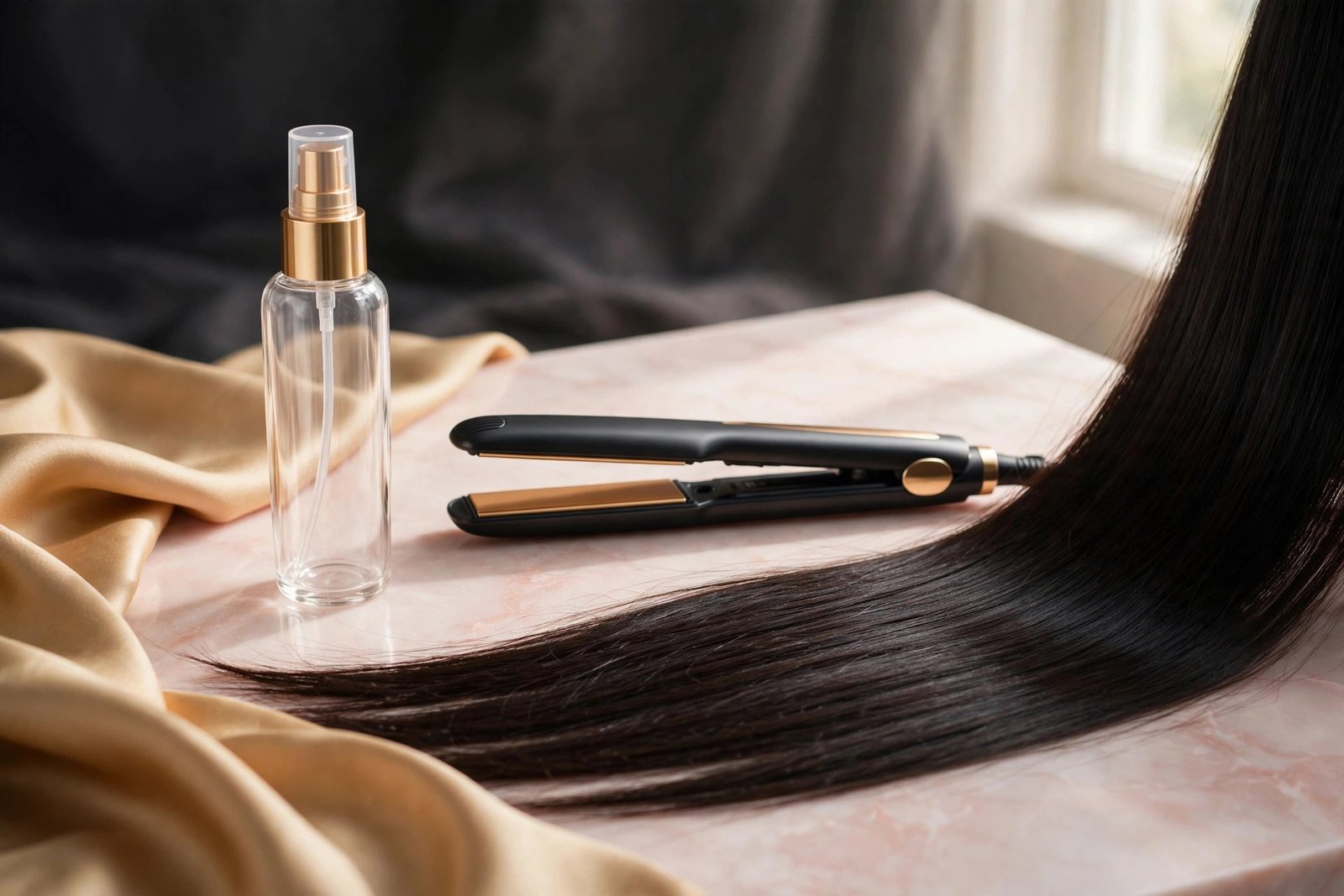
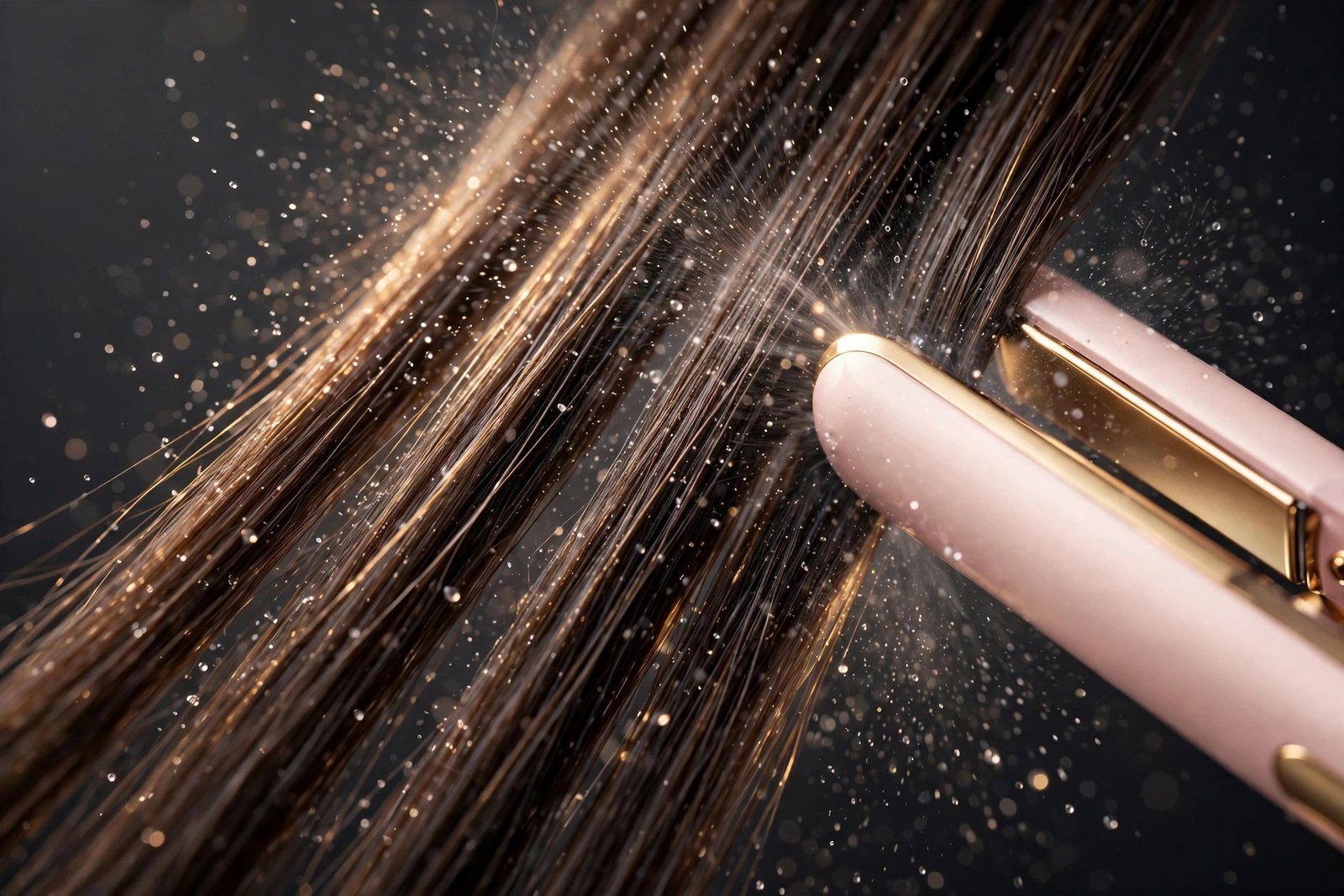
Here’s an uncomfortable truth about heat styling: flat irons and curling wands regularly reach 400°F+, and hair starts taking real structural damage around 300°F. Without a barrier between that heat and your strands, every pass breaks down keratin, evaporates internal moisture, and roughens the cuticle. The damage is cumulative and irreversible — you can’t repair fried hair, only cut it off.
That’s what makes heat protectant spray the single most important product in any hot-tool routine. A good one forms a thin, even film that distributes heat, slows moisture loss, and reduces friction as the tool glides. But the market is full of sprays that are mostly fragrance and marketing. The 10 below are the ones with real protective ingredients, proven track records, and formulas matched to different hair types — plus exactly how to apply them so they actually work.
If you’re still deciding whether you even need one, start with our heat protectant explainer. (Spoiler: if you use hot tools more than once a month, you do.)
Key Takeaways
- A real heat protectant needs film-forming silicones or polymers — fragrance-heavy mists without them don’t protect.
- Apply to damp hair before blow-drying, or to dry hair in sections before flat ironing — never skip it.
- Match the formula weight to your hair: lightweight mists for fine hair, cream-sprays for thick or coarse hair.
- Most quality protectants shield up to 450°F; check the label before using high-heat tools.
- Reapply when restyling second-day hair — yesterday’s protectant doesn’t carry over.
What Makes a Heat Protectant Actually Work
Before the picks, it helps to know what separates a real protectant from scented water. Effective formulas share three things:
- Film-forming ingredients — silicones (dimethicone, cyclopentasiloxane), PVP, or specialized polymers that coat the strand and distribute heat evenly instead of letting it concentrate in one spot.
- Humectants or conditioning agents — panthenol, glycerin, or hydrolyzed proteins that help the hair hold onto moisture under heat stress.
- A stated temperature rating — reputable products tell you their protection ceiling, usually 400–450°F. If the label makes no temperature claim at all, that’s a red flag.
Spray format matters too: a fine, even mist covers hair uniformly, which is exactly what you want before heat. Creams and serums can work, but they’re easier to apply unevenly — and uneven protection means unprotected spots.
The 10 Best Heat Protectant Sprays
1. Best overall drugstore pick: TRESemmé Thermal Creations Heat Tamer
A longtime affordable staple that punches above its price. The lightweight spray distributes heat protection up to 450°F without residue, works on damp or dry hair, and plays well under other styling products. If you want one bottle that does the job for most hair types without overthinking it, this is it.
Best for: Most hair types, budget routines
Heat rating: Up to 450°F
2. Best for fine hair: CHI 44 Iron Guard Thermal Protection Spray
Fine hair needs protection without weight, and this classic delivers a featherlight mist that won’t flatten roots or make strands look greasy. It’s been a salon back-bar standard for years because it protects reliably at high temperatures while staying invisible. Mist lightly — fine hair needs less than you think.
Best for: Fine, thin, or easily weighed-down hair
Heat rating: Up to 450°F
3. Best for thick, coarse hair: GHD Heat Protect Spray
Thicker strands need a more substantial barrier, and this spray’s slightly richer formula coats coarse hair evenly without requiring five passes of product. It also smooths the cuticle noticeably, which means fewer flat-iron passes to get sleek results — and fewer passes means less total heat exposure.
Best for: Thick, coarse, or resistant hair
Heat rating: Up to 450°F
4. Best for curly hair: SheaMoisture Papaya & Neroli All Day Frizz Control Milk (spray format)
Curly routines often skip heat protection because most sprays are designed for straightening — but diffusing is still heat. This type of lightweight milky spray (several curl-focused brands make equivalents) protects during diffusing while adding the moisture curly hair needs. Apply before diffusing on low-medium heat as part of your full leave-in product lineup.
Best for: Curly and wavy hair, diffuser users
5. Best luxury pick: Oribe Royal Blowout Heat Styling Spray
The splurge option that justifies itself for frequent heat stylers. Beyond protection up to 450°F, it noticeably speeds up blow-drying time — less time under heat is itself a form of protection — and leaves a polished, expensive-looking finish. If you blow out your hair multiple times a week, the time savings add up.
Best for: Frequent blow-dryers, splurge routines
Heat rating: Up to 450°F
6. Best for color-treated hair: Redken Acidic Bonding Concentrate Leave-In Treatment (spray)
Color-treated hair is already structurally compromised, so it needs protection plus reinforcement. Bonding-style sprays combine heat protection with citric acid or bond-building technology that strengthens weakened strands. Using one before every heat session measurably slows the fading and brittleness that heat causes in dyed hair.
Best for: Bleached, dyed, or highlighted hair
7. Best multitasker: It’s a 10 Miracle Leave-In Product (spray)
Ten benefits in one bottle, including thermal protection alongside detangling, frizz control, and shine. It’s not the most specialized heat shield on this list, but for minimalists who want one spray that covers detangling, leave-in conditioning, and heat protection, it’s the most efficient choice. Keep a dedicated high-heat spray too if you flat-iron above 400°F regularly.
Best for: Minimalist routines, travel
8. Best for damaged hair: Olaplex No. 9 Bond Protector Nourishing Hair Serum (spray-mist format)
Already-damaged hair needs every advantage. Bond-building protectors work differently from standard sprays — they reinforce the hair’s internal disulfide bonds while shielding the surface. If your hair is recovering from bleach damage or over-processing, pairing a bond protector with careful heat habits (lower temperatures, fewer passes) gives fragile strands their best shot.
Best for: Damaged, fragile, or recovering hair
9. Best for silk presses and sleek styles: Design Essentials Agave & Lavender Thermal Protectant Crème (spray version)
Sleek, pressed styles demand maximum smoothness alongside protection — the kind of glassy finish that comes from formulas with extra smoothing silicones. Thermal protectants designed for silk presses typically offer strong humidity resistance too, which keeps the style sleek for days rather than hours.
Best for: Silk presses, sleek blowouts, high-humidity climates
10. Best clean-beauty option: Drybar Hot Toddy Heat Protectant Mist
For shoppers avoiding certain silicones or seeking cleaner ingredient lists, newer-generation mists use alternative film-formers and plant-derived ingredients to provide real protection without the traditional silicone load. Performance at very high temperatures (425°F+) may trail silicone-heavy formulas slightly, so keep your tools at moderate heat when using these.
Best for: Clean-beauty preferences, moderate-heat styling
How to Apply Heat Protectant Spray Correctly
The best spray in the world does nothing if it’s misapplied. Follow this sequence:
- Start with the right base. For blow-drying, apply to clean, towel-dried damp hair. For flat ironing or curling, apply to fully dry hair in sections. Never flat-iron damp hair — the sizzle you hear is water boiling inside the strand.
- Section your hair. Divide into 4–6 sections. Protection needs to reach every strand, and spraying one big curtain of hair guarantees missed spots underneath.
- Mist evenly, 6–8 inches away. One to two mists per section is enough for most sprays. You’re aiming for a light, even veil — not soaking wet.
- Comb through. A wide-tooth comb distributes the product from roots to ends and ensures no section is double-coated while another is bare.
- Wait a moment, then style. Let the spray settle for 30–60 seconds so the film forms. Then use your tool — and keep temperatures as low as your hair type allows. Beginners should review proper tool technique in our hot tools beginner guide before cranking up the heat.
The blowout exception: If you’re doing a full at-home blowout tutorial, apply protectant before blow-drying and add a light second mist before any flat-iron touch-ups. Two heat steps means two protection steps.
Mistakes That Cancel Out Your Protectant
Spraying and immediately ironing. The film needs a moment to form. Ironing over wet spray just steams the product off.
Using it only on the ends. Damage happens wherever the tool touches. Mid-lengths need coverage too — only the roots (an inch or so) can be skipped, since tools rarely reach them.
Cranking to max heat “because I’m protected.” Protectant reduces damage; it doesn’t eliminate it. Every 25°F above what your hair needs adds cumulative harm. Fine hair rarely needs more than 300–350°F; even coarse hair seldom needs the full 450°F.
Skipping it on “just a quick touch-up.” Touch-ups concentrate heat on the same strands repeatedly — the most damage-prone areas (face-framing pieces, ends) are exactly where people touch up most. Keep a travel-size spray where you do your touch-ups.
Layering too many products underneath. Heavy oils or silicone serums under a protectant spray can interfere with even coverage. If you use multiple products, apply the heat protectant as the last layer before heat, on top of lighter leave-ins.
Not reapplying on day two. Yesterday’s protectant washed, wore, or steamed off. Restyling second-day hair without fresh protectant means styling unprotected hair.
Frequently Asked Questions
Can I use hair oil instead of heat protectant spray?
Not as a replacement. Most oils offer minimal heat protection and can actually fry onto the hair shaft at high temperatures, causing more damage. Oil has its place in a routine — see our serum vs oil comparison — but before hot tools, use a dedicated protectant.
Do I need heat protectant for blow-drying?
Yes. Blow-dryers reach 200–300°F at the nozzle, well into the damage zone for repeated exposure, and the mechanical stress of brushing compounds it. A quick mist before blow-drying is one of the highest-value habits in hair care.
How much heat protectant should I use?
Less than most people think: 1–2 mists per section, 4–6 sections. Hair should feel lightly coated, not wet or sticky. Over-application causes buildup that makes tools drag, which ironically increases heat exposure time.
Does heat protectant expire?
Most sprays last 2–3 years unopened and about 12 months after opening (check the PAO symbol on the bottle). Expired product may have separated or degraded film-formers, so replace that ancient bottle in the back of the cabinet.
Can heat protectant cause buildup?
Silicone-based protectants can accumulate over time, especially with daily use. A clarifying shampoo every 2–4 weeks removes the residue. If buildup is a recurring issue, look for lighter mists or water-soluble formulas.
Is heat protectant necessary for low-heat styling?
For air-drying or heatless methods, no. For diffusing on low, a light application is still worthwhile since it’s repeated heat exposure. The rule of thumb: if a tool plugs in or uses batteries to make heat, protect first.
The Bottom Line
The best heat protectant spray is the one matched to your hair type that you’ll actually use every single time. Fine hair needs a weightless mist; thick hair needs a richer barrier; curly hair needs moisture plus protection; damaged hair needs bond support. Apply it in sections, give it a moment to set, keep your temperatures as low as they’ll go — and reapply every time heat touches your hair. Do that consistently, and your hot tools stop being the enemy of your hair goals.
Love this? Pin it for later!