Hair Serum vs Hair Oil: What’s the Real Difference?
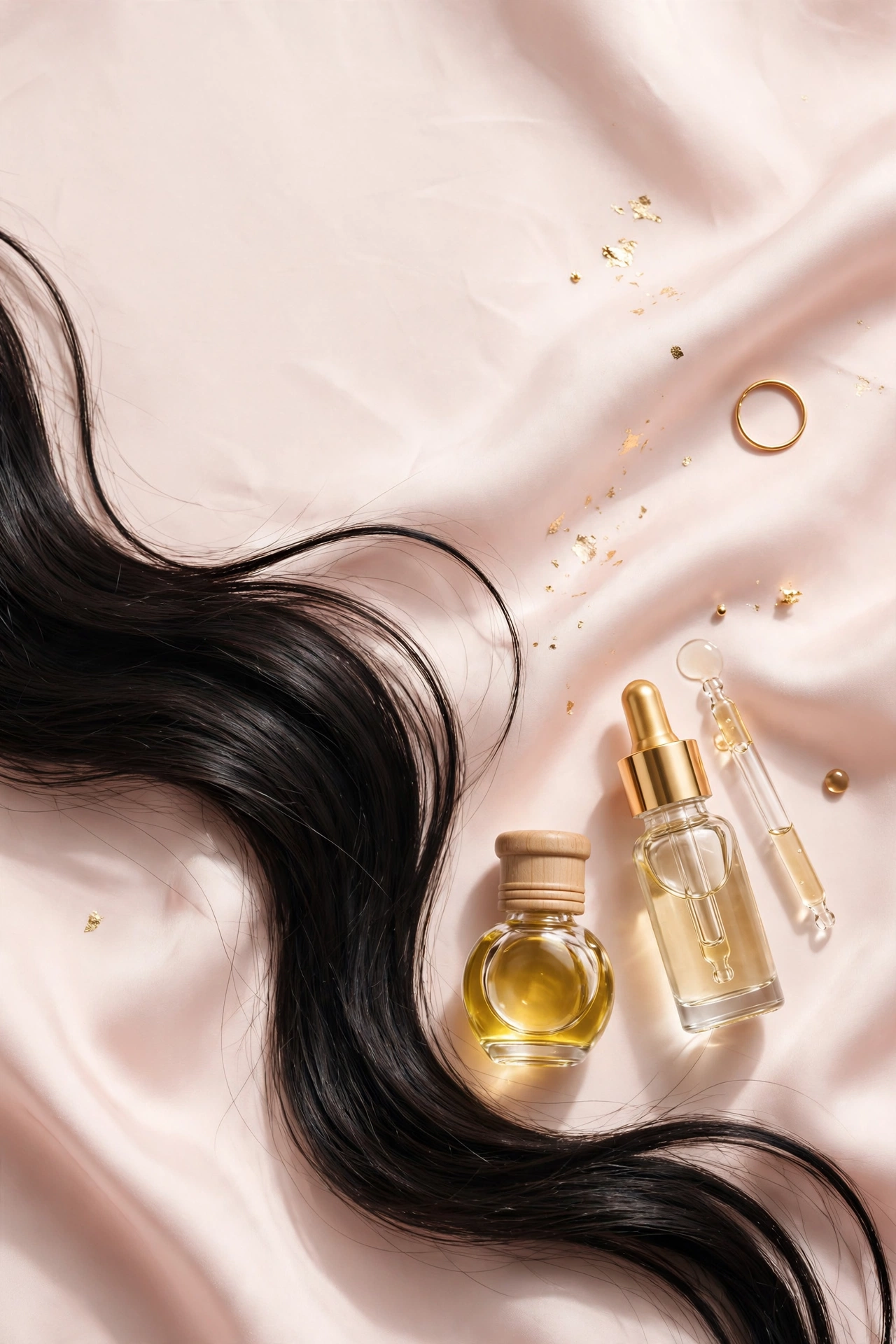
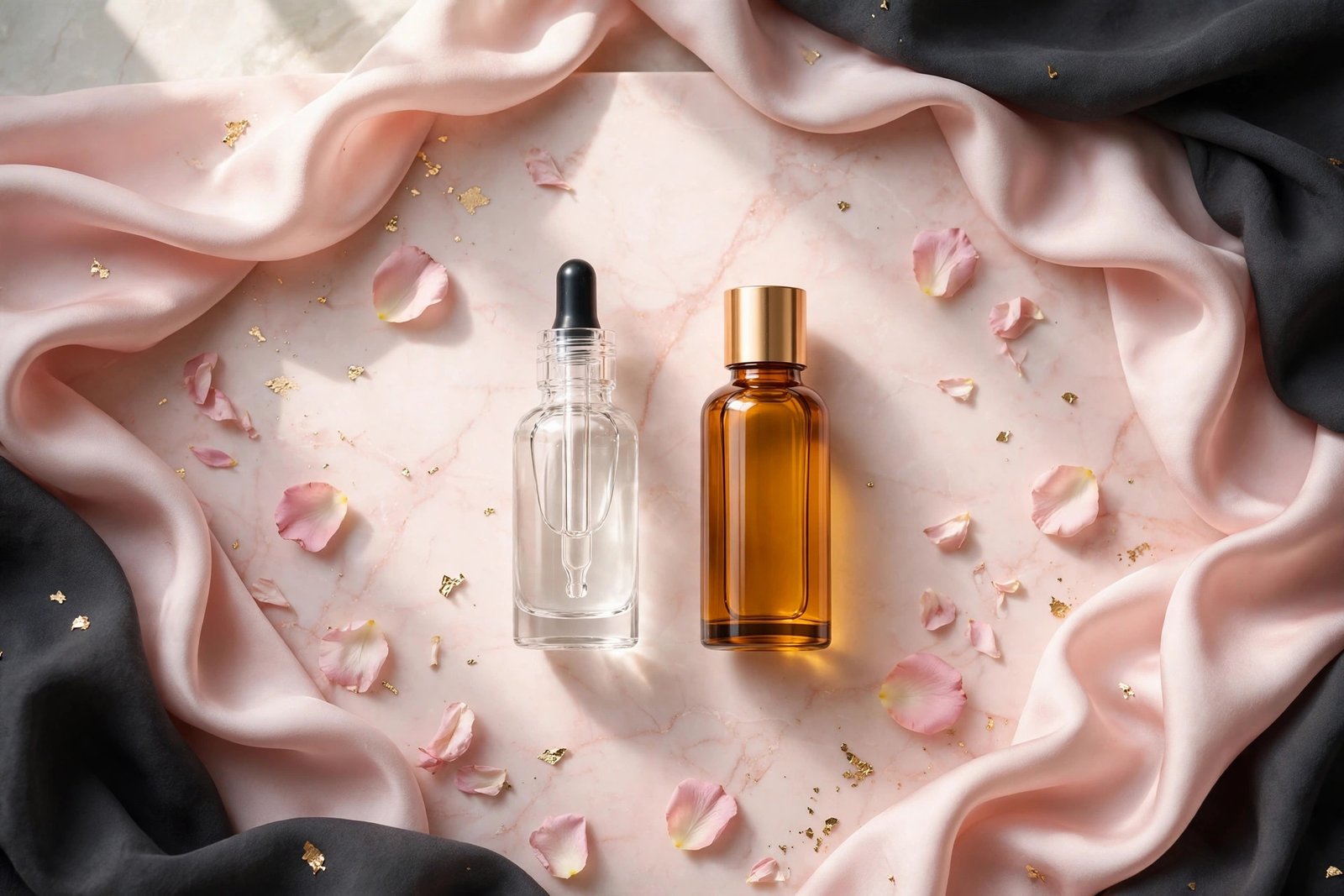
Walk into any beauty aisle and you’ll see them side by side: sleek glass bottles of hair serum and warm amber bottles of hair oil. They look interchangeable, and the names get used like synonyms. But hair serum vs hair oil is one of the most misunderstood comparisons in hair care, because the two products are built from fundamentally different ingredients, solve different problems, and — if you swap one for the other — deliver disappointing results.
The short version: a serum is a silicone-based finishing product designed to smooth, add shine, and tame frizz on the surface of the hair. A hair oil is a botanical (or mineral) oil meant to nourish, penetrate, and condition the hair from the inside out. They can complement each other, but neither truly replaces the other.
This guide breaks down exactly how they differ, when to reach for each one, whether you actually need both, and the mistakes that make either product backfire.
Key Takeaways
- Hair serums are silicone-based surface smoothers; hair oils are lipid-based nourishers that penetrate the hair shaft.
- Use serum on damp or dry hair for frizz control and shine; use oil as a pre-wash treatment, overnight soak, or lightweight seal on dry ends.
- Oils can weigh down fine hair when overused; silicones can build up and need occasional clarifying.
- Most hair types benefit from owning one of each, used at different steps of the routine.
- Application order matters: oils go on before washing or on dry ends, serums go on last to seal the style.
What a Hair Serum Actually Is
A hair serum is a leave-in styling product built around silicones — ingredients like dimethicone, cyclopentasiloxane, or amodimethicone. These polymers coat each strand with a microscopic, smooth film that does several useful things at once: it seals the cuticle so it lies flat, reflects light for that glassy shine, reduces friction between strands, and provides light heat protection (typically up to 300–350°F, though dedicated heat protectant guide products handle higher temperatures).
Serums are lightweight by design. A pea-sized amount spreads through mid-lengths and ends without adding noticeable weight, which is why they’re the default frizz fighter for fine and straight hair. They work on damp hair as a pre-style smoother or on dry hair as a finishing touch. The catch is that silicone films don’t wash out fully with gentle sulfate-free shampoos, so regular serum users typically need a clarifying wash every few weeks to prevent dull buildup.
Most serums also contain small amounts of added ingredients — vitamin E, argan oil, or UV filters — but these are supporting players. The silicone base is what defines the category and delivers its signature effects: instant slip, instant shine, instant smoothness.
What a Hair Oil Actually Is
A hair oil is exactly what it sounds like: an oil — usually plant-derived, like argan, jojoba, coconut, or castor oil — formulated to condition hair. Where a serum coats, a true oil penetrates. Smaller-molecule oils like coconut oil can travel inside the hair shaft, reducing protein loss during washing. Others, like jojoba, mimic the scalp’s natural sebum and keep the cuticle flexible and moisturized.
Hair oils have a long history as pre-wash and overnight treatments. A generous application left on for 30 minutes to overnight before shampooing allows the oil to absorb and protect the hair from the inside during cleansing — a practice often called oiling. For a full walkthrough of this technique, see the hair oiling tutorial for growth. Lighter applications on dry ends also seal in moisture and prevent split-end fraying between washes.
Oils are also the backbone of scalp care routines. Castor oil and rosemary oil blends are widely used in growth-focused oiling routines targeting shedding and slow growth. Serums, by contrast, are generally not meant for the scalp — most formulas will clog follicles or look greasy at the roots.
Serum vs Oil: The Core Differences
Here’s the comparison that actually matters, stripped of marketing:
Ingredient base. Serums = silicones and synthetic polymers. Oils = plant lipids (or mineral oil in budget formulas). This single difference drives everything else.
How they work. Serums sit on the surface, smoothing the cuticle for instant cosmetic results. Oils absorb into the shaft and condition from within, improving hair health over time.
Primary job. Serum: frizz control, shine, slip, detangling, light heat protection. Oil: nourishment, moisture retention, breakage prevention, scalp support, pre-wash protection.
When you apply. Serum: on damp or dry hair, after washing or as the last step of styling. Oil: as a pre-wash treatment, overnight mask, or on dry ends — and always before any silicone serum in your routine.
Hair-type fit. Serums flatter fine, straight, and frizz-prone hair because they’re weightless. Oils reward thick, coarse, curly, and chemically treated hair that drinks up moisture — though lightweight oils like argan work for most types when used sparingly.
Buildup behavior. Silicone serums can accumulate over weeks of use without clarifying. Oils wash out more readily but can leave hair limp and greasy if overapplied, especially on fine hair.
Scalp use. Most serums are ends-only; applying them to the scalp risks buildup and flatness. Many oils are formulated specifically for scalp massage and can support growth-focused routines.
If your hair care lineup feels confusing, our complete guide to leave-in hair products maps out where serums, oils, creams, and sprays each fit in a complete routine.
Can You Use Both? (Yes — in This Order)
You don’t have to choose a side. In fact, the best-performing routines for dry, damaged, or high-porosity hair use both, layered correctly:
- Oil first (pre-wash or on damp hair): Apply oil to mid-lengths and ends before shampooing, or to towel-dried hair before styling. Give it a few minutes to absorb.
- Style as usual: Blow-dry, diffuse, or air-dry. The oil inside the shaft keeps hair flexible through the heat and mechanical stress.
- Serum last (on dry hair): Smooth a pea-sized amount of serum over the finished style. The silicone film locks in the smoothness the oil created underneath and adds the reflective shine that oils alone can’t match.
What you should not do is reverse the order. Serum’s silicone film creates a barrier that blocks oil from penetrating — oil over serum just sits greasy on top. And skip layering both on the same day if your hair is fine and healthy; one or the other is usually enough, and stacking them invites limpness.
Which One Does Your Hair Type Need?
Fine, straight hair: Serum wins. You need smoothing without weight, and oils easily overwhelm your strands. If you use oil at all, keep it to a pre-wash treatment that gets shampooed out.
Thick, coarse hair: Oil wins. Your strands can absorb generous amounts of lipid moisture, and coarse textures need the deep conditioning that serums can’t provide. A serum on top still helps with frizz and shine.
Curly and coily hair: Both. Oils (or oil-rich creams) are essential for moisture retention and the seal step of the LOC/LCO method, while serums or silicone-free equivalents help with definition and frizz control. Curly routines differ enough from straight-hair care that it’s worth following a dedicated beginner curly hair routine to get the layering right.
Damaged or bleached hair: Both, generously. Oil treatments rebuild internal flexibility and reduce breakage; serums cosmetically smooth the roughened cuticle so hair looks and behaves healthier while it recovers.
Oily roots with dry ends: Oil on the ends only, as a pre-wash treatment — never on the scalp. Serum on dry mid-lengths and ends for polish. This combination targets the ends without making roots greasier.
Common Mistakes With Both Products
Using too much serum. More than a pea-sized amount turns hair sticky and attracts dust. Start tiny; you can always add another drop.
Applying oil to dirty hair. Oil on top of product buildup and sebum can’t penetrate — it just looks greasy. Oil on clean or freshly damp hair, or as a pre-wash treatment before cleansing.
Serum on the scalp. Unless the product specifically says it’s scalp-safe, keep serum on the mid-lengths and ends. Silicone films near the roots cause flatness and can clog follicles.
Skipping clarifying. If you use serum most days and wash with sulfate-free shampoo, schedule a clarifying wash every 2–4 weeks. Silicone buildup quietly dulls shine and makes hair feel coated over time.
Expecting one product to do both jobs. Oil won’t give you the glassy, humidity-proof finish of a silicone serum, and serum won’t nourish or repair from within. Matching the product to the job is the whole point of the distinction.
Oiling without shampooing thoroughly. Heavy pre-wash oiling needs a proper double cleanse. Leftover oil at the roots leads to limp, greasy-looking hair by day two.
Frequently Asked Questions
Is hair oil better than hair serum?
Neither is universally better — they do different jobs. If your goal is frizz control, shine, and a polished finish, serum performs better. If your goal is nourishment, moisture retention, and breakage prevention, oil performs better. Most damaged or textured hair benefits from both, layered in the right order.
Can I use hair oil as a heat protectant?
Most hair oils offer only minimal heat protection — far less than a dedicated heat protectant guide product or even a silicone serum. Using flat irons or curling wands on oiled hair without proper heat protection risks frying the oil onto the hair shaft. Always use a real heat protectant before hot tools.
Should I put serum on wet or dry hair?
Both work, for different effects. On damp hair, serum helps hair dry smoother and reduces blow-dry frizz. On dry hair, it acts as a finishing polish for shine and flyaway control. Many stylists recommend a tiny amount on damp hair plus another drop on dry ends.
Will hair oil make my hair fall out?
No — properly used hair oil does not cause hair loss. What causes the confusion is that massaging oil into the scalp loosens hairs that were already in the shedding phase, so you see them all at once. Aggressive scrubbing or leaving heavy oils on the scalp for days without washing can clog follicles, but normal oiling routines are safe.
Can I mix serum and oil together in my palm?
You can, and many people do for a quick one-step smoother — but you lose the benefits of correct layering. Mixing means the silicone coats the oil before either reaches the hair, so the oil can’t penetrate properly. For best results, apply oil first, let it absorb, then serum.
How often should I use hair oil?
For most hair types, a pre-wash oiling 1–2 times per week is plenty. A daily drop on dry ends works for very dry or coarse hair. Fine hair should stick to pre-wash treatments only, since daily oil use quickly causes limpness.
The Bottom Line
Hair serum and hair oil aren’t rivals — they’re specialists. Serum is your surface expert: silicones that smooth, shine, and de-frizz in minutes. Oil is your deep conditioner: plant lipids that nourish, protect, and strengthen over time. Know which job each one does, apply them in the right order (oil before serum, never the reverse), and match the product to your hair type’s real needs. Get that right, and you stop wondering which bottle to grab — you’ll reach for both, at the right moments, with confidence.
Love this? Pin it for later!