Deep-Set Eyes Makeup Tips: Bring Eyes Forward
Deep-set eyes have a naturally striking, sculpted look — but the wrong makeup can push them further back, making eyes look shadowed, tired, or sunken. The fix is not more makeup; it is the right makeup in the right places. This guide covers the core principle behind flattering deep-set eye makeup, exactly where to place light and dark shades, liner techniques that open rather than close the eye, and the common mistakes to avoid. Whether you are brand new to eye makeup or adjusting a routine that never quite worked, these tips will help your eyes look bright, forward, and awake. Start with the full eye-shape guide to confirm your eye shape, then build from there.
Key Takeaways
- Deep-set eyes sit further back under a prominent brow bone; the goal of makeup is to bring them visually forward.
- The core rule: light shades advance, dark shades recede — keep lids light and luminous, not dark and smoky.
- Avoid placing dark shadow in the socket or crease, which deepens the sunken look.
- Keep liner thin at the inner corner and slightly thicker at the outer third; skip heavy black liner on the lower lash line.
- Brighten with inner-corner highlight, a nude waterline pencil, and well-blended under-eye concealer.
- Curled lashes and defined brows frame deep-set eyes and amplify the “forward” effect.
What “Deep-Set” Actually Means
Deep-set eyes sit further back in the eye socket, often under a more prominent brow bone. From the side, the eyes recede while the brow projects forward. Many people with deep-set eyes also notice a natural shadow in the socket area even without makeup — that shadow is bone structure, not darkness to be “fixed” with heavy coverage.
This shape is flattering by nature: it gives eyes a sculpted, mysterious quality. Makeup’s job here is enhancement, not correction. The single most important concept is the oldest rule in makeup artistry — light colors bring features forward, dark colors push them back. Every tip below is an application of that one rule. If you remember nothing else, remember this: on deep-set eyes, light on the lid, restraint in the socket.
Lid Color: Go Light and Luminous
The mobile lid — the part that moves when you blink — is your brightest canvas. Light, luminous shades on the lid visually pull the eye forward, counteracting the natural recession of the socket.
Best Lid Shades
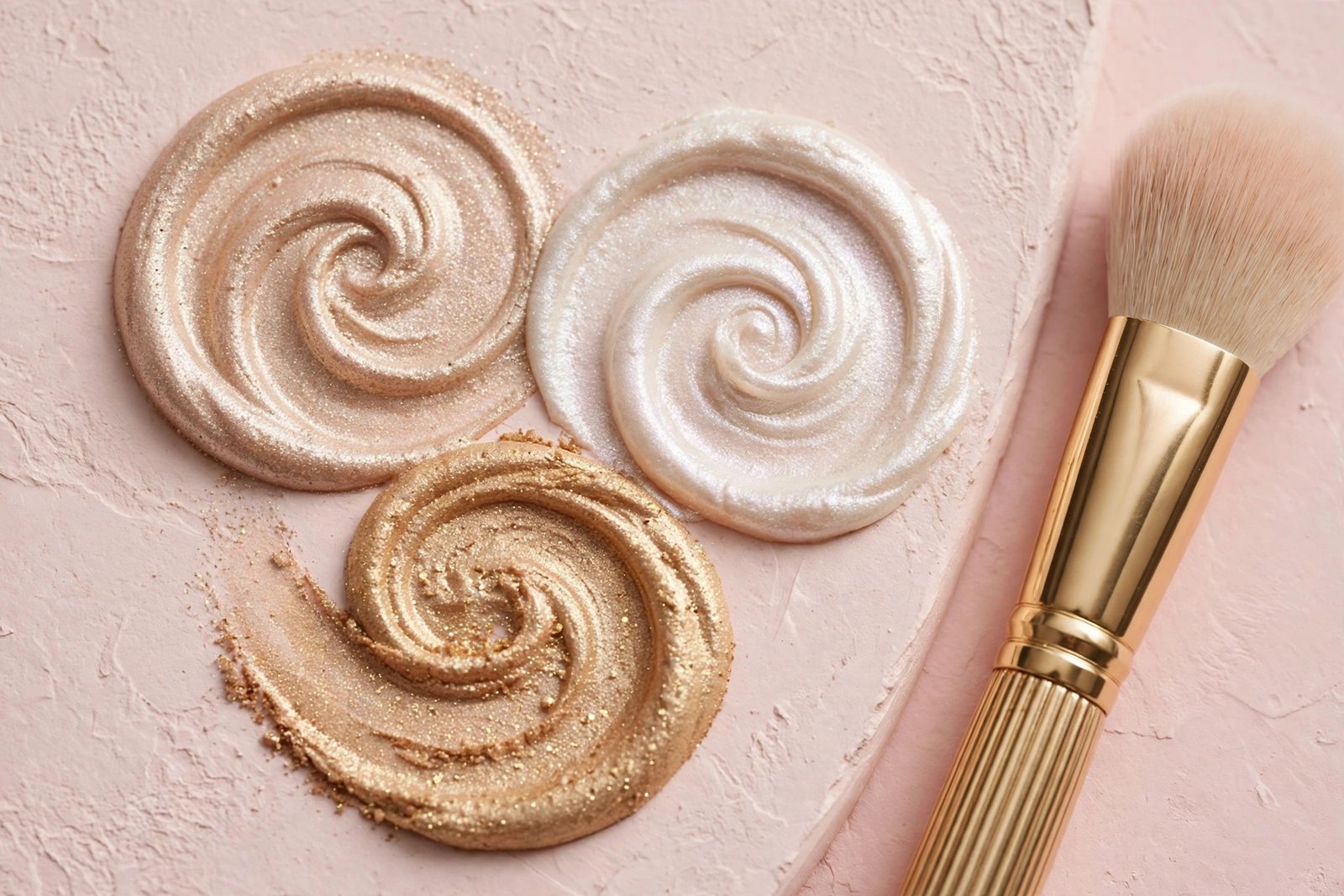
Champagne, soft peach, pale gold, light rose, and warm ivory all work beautifully. Satin and shimmer finishes are your friends here: they reflect light, and reflected light is what creates the illusion of forward projection. A matte light shade still works, but a luminous one works harder. Press shimmer shades on with a fingertip or flat brush rather than sweeping, which keeps the pigment concentrated where it matters.
What to Avoid on the Lid
Dark, matte shades across the whole lid are the fastest way to make deep-set eyes look sunken. This does not mean you can never wear a smoky eye — it means the smoky eye needs restructuring (more on that below). As a daily default, keep the lid light. If you love deeper colors, confine them to a thin band right at the lash line and blend upward only slightly, so the darkness reads as lash definition rather than lid shadow.
Shadow Placement: Where to Put Definition
Definition still belongs in your eye look — it just goes in different places than standard tutorials suggest.
Keep the Socket Light
Most tutorials tell you to sweep a transition shade through the crease or socket. On deep-set eyes, the socket already has natural shadow; adding more deepens the hollow. Instead, use a light, skin-toned matte shade through the socket area to neutralize the natural shadow, and stop there. This one change — light in the socket instead of dark — transforms deep-set eye makeup more than any other single adjustment.
Define at the Lash Line, Not Above It
Place your depth right along the upper lash line: a deep brown, charcoal, or bronze shadow pressed into the lashes and blended upward just a few millimeters. This gives the eye structure and makes lashes look fuller without dragging darkness into the socket. A soft, diffused lash-line definition flatters deep-set eyes far more than a harsh cut crease, which emphasizes the socket’s depth.
The Adjusted Smoky Eye
You can absolutely wear a smoky eye with deep-set eyes — build it upside down from the standard method. Keep the lid itself in a medium shimmer shade, concentrate the darkest color in a tight band along the upper and outer lash line, and blend the top edge into a light socket shade rather than a dark transition. The result reads as smoky and sultry without sinking the eye. Beginners learning to blend will benefit from the techniques in this eyeshadow blending basics.
Liner Placement That Opens the Eye
Eyeliner on deep-set eyes is about precision and restraint. Heavy, thick liner all the way around the eye closes it off and emphasizes recession.
Thin Inner, Thicker Outer
Start your upper liner as a thin line at the inner corner and gradually thicken it toward the outer third of the eye. This tapered approach draws the eye outward and forward. A small wing or upward flick at the outer corner lifts beautifully — keep it modest rather than dramatic, since the goal is openness. Tightlining the upper waterline is excellent for deep-set eyes: it defines the lash base without adding any visible liner weight to the lid. The liner fundamentals in this beginner eyeliner guide cover the stroke control you need for that tapered line.
Go Easy on the Lower Lash Line
Thick black liner all along the lower lash line is one of the least flattering choices for deep-set eyes — it frames the eye in darkness and pushes it back. If you want lower definition, smudge a soft brown shadow along the outer half of the lower lash line only, keeping it diffused. Leave the inner half clean and bright.
Brightening Tricks That Bring Eyes Forward
Inner-Corner Highlight
A small amount of light, shimmery highlight at the inner corner of each eye is transformative on deep-set eyes. It catches light at the deepest point of the socket and visually pulls that area forward. Use a champagne or pale gold shimmer, applied with a small brush or fingertip, and blend the edges so there is no harsh dot.
Nude Waterline Pencil
Lining the lower waterline with a nude or flesh-toned pencil (instead of black or white) makes the whites of the eyes look brighter and the eyes look larger and more forward. White pencil can look stark and dated; nude looks natural while delivering the same brightening effect.
Concealer Strategy
Dark circles hit harder on deep-set eyes because the socket shadow compounds them. Apply concealer in an inverted triangle under the eye, brightening the inner corner and the area where the socket shadow falls. Choose a concealer one shade lighter than your foundation with a luminous (not matte) finish, and set it lightly — heavy powder under deep-set eyes emphasizes texture in the hollow.
Brows and Lashes Frame the Fix
Brows: Defined but Not Heavy
A prominent brow bone plus heavy, dark brows can overshadow deep-set eyes. Keep brows groomed and defined — filling sparse areas matters — but avoid going too dark or too thick, which adds visual weight above an already recessed eye. A brow shade that matches your hair color (not darker) keeps the balance right.
Lashes: Curl Is Everything
Curled, lifted lashes are the single best “forward” trick in the book. Lashes that point outward and up catch light and create a veil of brightness over the eye. Curl before mascara, and choose a lengthening formula over an ultra-volumizing one — extreme volume at the lash line can read as heaviness on deep-set eyes, while length and lift read as openness. If your lashes are straight, a waterproof mascara holds the curl far better through the day.
What to Avoid: The Deep-Set Don’t List
- Dark shadow packed into the socket or crease. This is the number-one ager and sinker for deep-set eyes.
- Thick black liner ringing the whole eye. It closes off the eye and emphasizes recession.
- Matte dark shades across the entire lid. They absorb light exactly where you need reflection.
- Over-powdering under the eyes. Heavy powder settles into the socket hollow and emphasizes texture.
- Skipping the inner corner. Leaving the deepest point of the eye unhighlighted wastes your best brightening opportunity.
- Brows drawn too dark or too low. They add weight above the eye and shrink the visible lid space further.
Day vs. Evening Looks
Daytime: Luminous champagne lid, skin-toned matte through the socket, tightlined upper lash line, tapered brown liner with a tiny flick, nude waterline pencil, curled lashes with lengthening mascara, brightened under-eyes. Fresh, open, awake.
Evening: Everything above, plus a medium shimmer shade over the lid, deep bronze or charcoal pressed tight along the upper lash line and diffused upward slightly, a more defined wing, and soft brown smudged on the outer lower lash line. For shape-specific shadow techniques that complement this approach, the hooded-eye eyeshadow guide shares useful lid-space strategies.
Frequently Asked Questions
How can I tell if my eyes are deep-set?
Look at your face in profile in a mirror. If your eyes sit noticeably back from your brow bone — the brow projects forward while the eyes recede — they are likely deep-set. Another clue: you have a visible shadow in the socket area even with no makeup on, and eyeshadow in the crease tends to disappear. When in doubt, the full eye-shape guide walks through simple at-home checks for every eye shape.
Can deep-set eyes wear eyeliner on the lower lash line?
Yes, but keep it soft and partial. A diffused brown or bronze shadow along the outer half of the lower lash line adds definition without closing the eye. Avoid black pencil or liquid all the way across the lower lash line, which frames the eye in darkness and makes it recede.
Why does eyeshadow disappear on my deep-set eyes?
Two reasons. First, the prominent brow bone casts a natural shadow over the socket, swallowing color placed there. Second, much of the mobile lid tucks under the brow when eyes are open. The fix: place color where it stays visible — on the lid itself and along the lash line — and always check your work with eyes open and looking straight ahead.
Are shimmer eyeshadows good for deep-set eyes?
Yes — shimmer and satin finishes are among the best tools for deep-set eyes because they reflect light and bring the lid forward. The one caution: avoid chunky glitter in the socket area, which can emphasize texture. Fine shimmer on the mobile lid is ideal.
Should I contour my socket to make eyes look less deep-set?
Counterintuitively, no — at least not with dark shades. Contouring the socket with a dark shade deepens the hollow. Instead, “reverse contour”: use a light, skin-toned matte shade to neutralize the natural socket shadow, and place any deeper color only along the lash line. This flatters the bone structure instead of fighting it.
Conclusion
Deep-set eye makeup succeeds on one principle: light brings forward, dark pushes back. Keep lids luminous, keep the socket light, define at the lash line, brighten the inner corner, and let curled lashes do the heavy lifting. Avoid the classic traps — dark socket shadow, heavy lower liner, all-matte dark lids — and your eyes will look bright, open, and strikingly defined. Once these placements feel natural, experiment: a restructured smoky eye or a bolder wing is absolutely within reach. Your deep-set eyes already have beautiful natural dimension; the right makeup simply brings it into the light.
Love this? Pin it for later!