Rosacea vs Acne: How to Tell Them Apart
Few skincare frustrations are worse than doing everything right and getting nowhere. You buy the acne products, follow the routine religiously, and months later the red bumps are still there — sometimes angrier than before. In many cases, the problem isn’t your effort. It’s the diagnosis.
Rosacea and acne look remarkably similar at a glance: red bumps on the cheeks, nose, and chin. But beneath the surface, they’re completely different conditions that respond to opposite treatments. Acne products — especially benzoyl peroxide and strong retinoids — can make rosacea dramatically worse. And rosacea treatments won’t clear acne. Knowing which one you’re dealing with is the single most important step before buying anything.
Key Takeaways
- Rosacea and acne share red bumps but differ in pattern, triggers, age of onset, and the presence of blackheads and whiteheads.
- Rosacea causes flushing, visible blood vessels, and central-face redness; acne causes clogged pores, blackheads, and scattered breakouts.
- The biggest tell: acne has comedones (blackheads and whiteheads); rosacea almost never does.
- Treating rosacea like acne — with harsh exfoliants or benzoyl peroxide — commonly makes it worse.
- When in doubt, a dermatologist can diagnose both conditions in a single visit.
This article is for informational purposes only and is not medical advice. Skin conditions vary — see a dermatologist for diagnosis and treatment.
Why Rosacea and Acne Get Confused
The confusion is understandable. Both conditions show up as red bumps and pimples on the face, most often across the cheeks, nose, forehead, and chin. Both can involve papules (small red bumps) and pustules (pus-filled bumps). Even dermatologists note that the overlap — sometimes called “rosacea acne” in casual conversation — leads to frequent misdiagnosis.
There’s also real overlap in timing. Adult-onset acne frequently appears in the same 30s–40s window when rosacea first emerges. A person can absolutely have both conditions at once, which muddies the picture further. Add in that most over-the-counter advice treats every red bump as acne, and it’s no wonder so many people spend years on acne regimens that never quite work.
If you’ve ever felt like your “acne” doesn’t behave like acne — it never fully clears, your skin is always red underneath, and typical acne treatments sting or worsen things — read on with an open mind.
The Core Difference: What Each Condition Actually Is
Acne is a disorder of the pore. Excess oil, dead skin cells, and bacteria clog the follicle, the pore swells, and a breakout forms. The root problem is blockage, and treatments work by unclogging pores and controlling oil.
Rosacea is a chronic inflammatory condition of the facial blood vessels and skin barrier. The root problem is inflammation and vascular reactivity — blood vessels that dilate too easily and stay dilated too long. There’s no clogged pore involved. That’s why unclogging treatments don’t help rosacea, and often inflame it further.
Think of it this way: acne is a plumbing problem; rosacea is a circulation problem. Same neighborhood, completely different house.
7 Key Differences You Can Spot
1. Blackheads and Whiteheads: The Single Biggest Tell
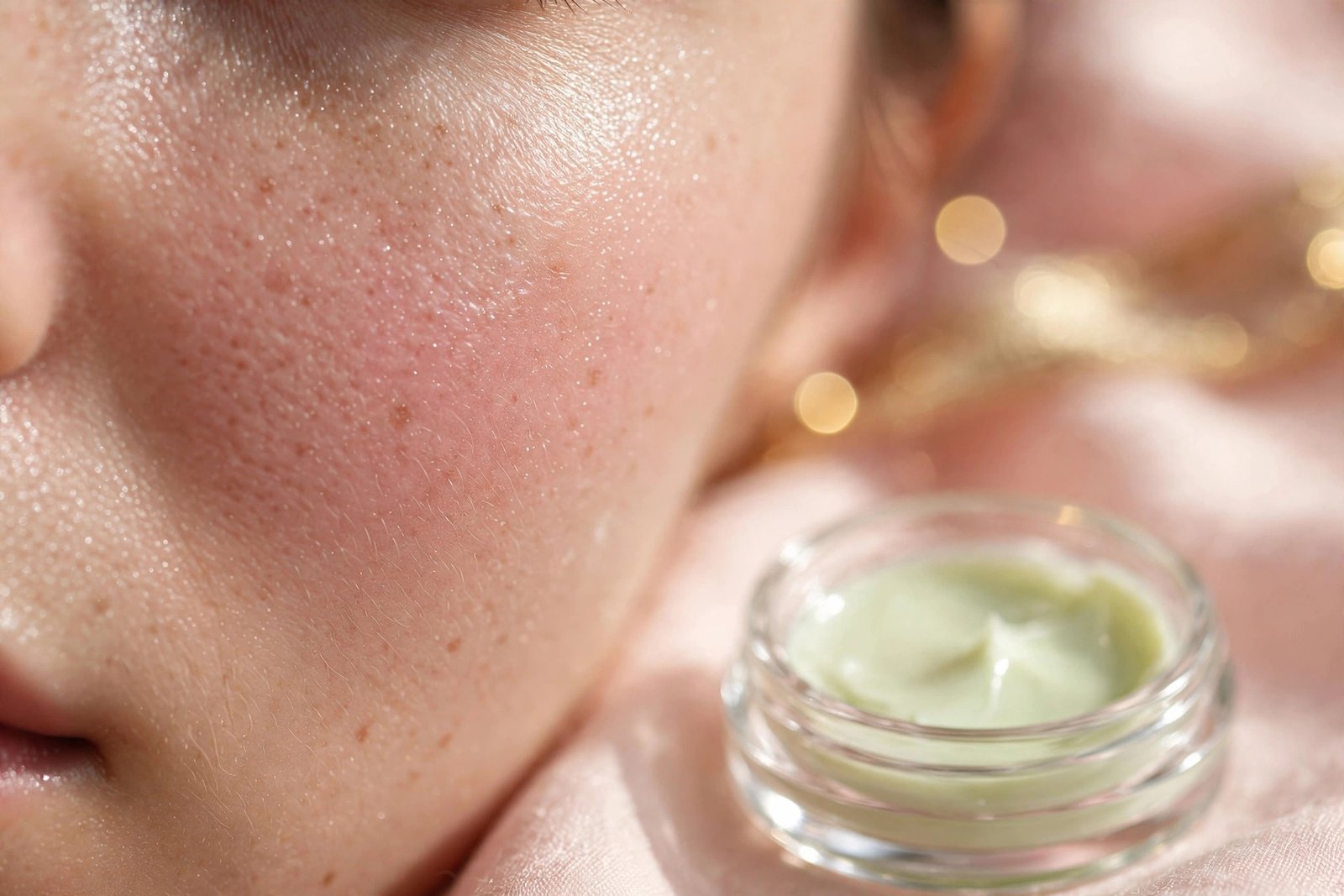
This is the difference dermatologists point to first. Acne produces comedones — the technical term for blackheads (open) and whiteheads (closed). If your breakouts include visible clogged pores, it’s acne.
Rosacea almost never produces true comedones. Rosacea bumps are inflammatory papules and pustules sitting on inflamed skin, with no clogged pore at the center. If your red bumps have zero blackheads or whiteheads around them, rosacea deserves serious consideration.
2. The Redness Pattern
Rosacea redness is diffuse and symmetrical — a broad flush across the cheeks, nose, and sometimes the forehead and chin, like the zones where you’d naturally blush. Many people with rosacea have a constant background redness even when no bumps are present.
Acne redness is localized around individual breakouts. The skin between breakouts is usually its normal color. If your entire mid-face is persistently pink or red, that background redness points toward rosacea.
3. Flushing Episodes
Rosacea comes with flushing — sudden, intense redness triggered by heat, alcohol, spicy food, stress, or exercise. The face turns beet-red for minutes to hours, then calms down. This flushing often predates the bumps by years and is one of the earliest signs.
Acne doesn’t cause flushing. If your face regularly turns red and hot from triggers like red wine or a warm room, that’s a hallmark of rosacea, not acne.
4. Visible Blood Vessels (Telangiectasia)
Over time, rosacea can create tiny visible blood vessels — thin red or purple lines across the cheeks and nose. These appear because the vessels have dilated so often they’ve become permanently enlarged.
Acne doesn’t create visible blood vessels. If you’re seeing spider-like red lines on your cheeks, that’s strongly suggestive of rosacea.
5. Age of Onset
Acne most commonly begins in the teens and twenties, though adult acne is very real. Rosacea typically appears after age 30, most often between 30 and 50. Someone developing their first red bumps at 38, with no acne history, is more likely dealing with rosacea.
This isn’t a hard rule — adult acne can start at any age — but it’s a useful clue in context with the others.
6. Eye Involvement
Rosacea can affect the eyes (ocular rosacea): dryness, burning, a gritty feeling, redness along the eyelids, or frequent styes. Acne doesn’t cause eye symptoms.
If your facial redness comes with irritated eyes, mention both to a dermatologist — the combination is a classic rosacea signature.
7. Skin Thickening Over Time
In some people — most often men — long-standing rosacea can thicken the skin of the nose (rhinophyma), creating an enlarged, bumpy texture. Acne causes scarring but not this kind of thickening.
The Overlap Zone: When It’s Actually Both
Here’s the part nobody tells you: rosacea and acne can coexist. The conditions aren’t mutually exclusive, and dermatologists regularly see patients with both. This is especially common with adult acne, where hormonal breakouts along the jawline overlap with rosacea redness across the cheeks.
How do you handle both? The honest answer is that this is where professional guidance earns its keep. The treatment priorities flip depending on which condition is more active. A dermatologist may treat the rosacea inflammation first to calm the skin, then introduce gentle acne treatments — or prescribe options like azelaic acid that genuinely help both conditions at once. For context on calming treatments that suit sensitive, redness-prone skin, see this complete rosacea skincare guide.
Why the Wrong Treatment Backfires
This is where the confusion gets expensive. The standard acne toolkit — benzoyl peroxide, salicylic acid at high strengths, strong retinoids, harsh scrubs, and drying clay masks — is designed to unclog pores and kill bacteria. On rosacea-prone skin, these same ingredients inflame an already compromised barrier, trigger flushing, and can worsen the condition significantly.
People who’ve been “treating acne” for months with no improvement often notice their skin is more reactive, more red, and more sensitive than when they started. That’s not a sign to push harder — it’s a sign the diagnosis may be wrong.
Conversely, gentle rosacea care won’t clear true acne. A mild, fragrance-free routine may soothe the inflammation around breakouts but does nothing about the clogged pores driving them. Matching the treatment to the actual condition is everything.
A Quick Comparison at a Glance
| Feature | Rosacea | Acne |
|---|---|---|
| Root cause | Inflammation + vascular reactivity | Clogged pores + bacteria + oil |
| Blackheads/whiteheads | Almost never | Almost always present |
| Redness pattern | Diffuse, symmetrical, central face | Localized around breakouts |
| Flushing | Yes, from heat, alcohol, stress | No |
| Visible blood vessels | Common | No |
| Typical onset | After 30 | Teens–20s (adult acne any age) |
| Eye symptoms | Possible (ocular rosacea) | No |
| Worsened by | Sun, heat, alcohol, spicy food, harsh products | Comedogenic products, hormones, stress |
What To Do If You’re Still Unsure
A few practical steps can clarify things before you book an appointment:
- Check for comedones. Look closely at your breakouts in natural light. True blackheads and whiteheads mean acne is in the mix.
- Track your flushing. For two weeks, note when your face turns red and hot. A pattern tied to heat, alcohol, or spicy food points to rosacea.
- Review your product history. If standard acne treatments made things worse rather than better, that’s meaningful data.
- Look at your eyes and vessels. Eye irritation or visible red lines on the cheeks tip the scales toward rosacea.
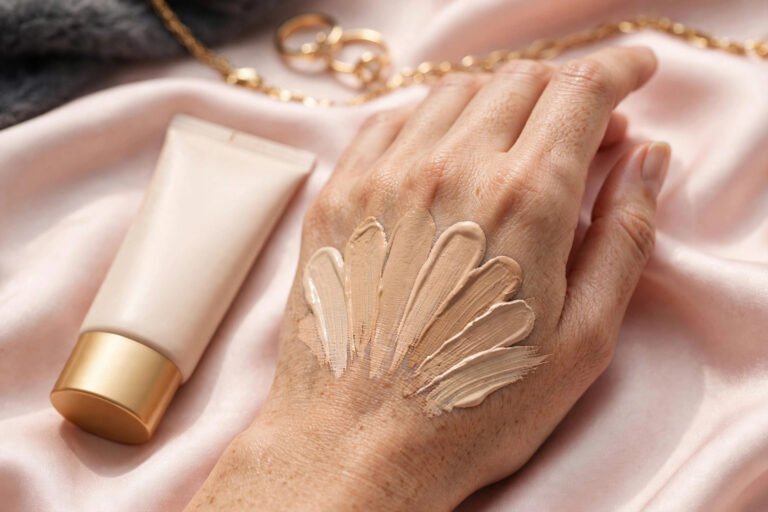
And remember: only a dermatologist can give you a definitive answer, and the visit is usually straightforward — both conditions are diagnosed visually, no biopsy needed. If redness is your main concern while you figure things out, gentle color-correcting techniques can even out your complexion without aggravating either condition — this guide to using green concealer for redness walks through the technique step by step.
Frequently Asked Questions
Can rosacea be mistaken for acne?
Yes — frequently. The papulopustular subtype of rosacea produces red bumps and pus-filled spots that look almost identical to acne breakouts. The key differentiators are the absence of blackheads and whiteheads, the presence of background redness and flushing, and whether standard acne treatments help or hurt.
Can you have rosacea and acne at the same time?
Absolutely. The two conditions can coexist, and this is a common scenario in adults. Treatment usually prioritizes calming the rosacea inflammation first, then addresses acne with gentle, non-irritating options. Azelaic acid is one ingredient dermatologists often recommend because it has evidence for both conditions — more on that in this breakdown of azelaic acid benefits for skin.
Does rosacea ever go away on its own?
Rosacea is a chronic condition — it doesn’t typically resolve permanently on its own. However, it can go through long calm periods, and identifying and avoiding your personal triggers makes a major difference. Many people manage it successfully for years with a gentle routine; a sensitive skin routine designed for reactive skin is a good foundation to build on.
Is rosacea caused by poor hygiene or diet?
No. Rosacea isn’t caused by being unclean, and it’s not contagious. Genetics and immune system responses play the main roles. Certain foods and drinks can trigger flare-ups in people who already have rosacea, but they don’t cause the condition itself.
What should I avoid if I think I have rosacea?
Until you have a diagnosis, the safest move is to simplify: drop harsh actives (high-strength acids, benzoyl peroxide, strong retinoids), alcohol-based toners, physical scrubs, and heavily fragranced products. Sun protection is non-negotiable since UV is the most common rosacea trigger. Don’t start prescription treatments without a dermatologist’s guidance.
Conclusion
Rosacea and acne may share a zip code on your face, but they’re fundamentally different conditions — one rooted in inflammation and blood vessels, the other in clogged pores. The clues are there if you know what to look for: comedones point to acne, flushing and background redness point to rosacea, and the way your skin responds to acne products is telling you something worth listening to.
Getting the diagnosis right changes everything about treatment. If the signs point toward rosacea, start with the full rosacea skincare guide to build a routine that calms rather than provokes — and when in doubt, let a dermatologist make the call. Your skin will thank you for asking the right question before reaching for the wrong product.
Love this? Pin it for later!