Thinning Hair During Menopause: Causes & Solutions
Finding more hair in the shower drain or noticing your ponytail getting thinner can be unsettling — and during menopause, it’s remarkably common. Dermatologists estimate that a significant share of women notice hair thinning or shedding around menopause, yet it’s one of the least discussed symptoms. The silence makes it feel abnormal when it’s anything but.
The good news: menopausal hair thinning usually has a clear hormonal cause, and there are genuine solutions — from proven treatments to smarter hair care. This guide covers why thinning hair during menopause happens, what helps, what doesn’t, and when it’s time to see a doctor.
Key Takeaways
- Menopausal hair thinning is caused by the estrogen-to-androgen shift, which shortens the hair growth cycle.
- Minoxidil is the most evidence-backed treatment; results take 3–6 months of consistent use.
- Gentle hair care matters more now — harsh styling and heat accelerate visible thinning.
- Nutrition (iron, protein, vitamin D) supports hair health but won’t reverse hormonal thinning alone.
- See a doctor if shedding is sudden, patchy, or accompanied by other symptoms.
Why Hair Thins During Menopause
Hair growth follows a cycle: a long growth phase (anagen), a short transition, and a shedding phase. Estrogen helps keep hairs in the growth phase longer and supports thicker strands. When estrogen drops during perimenopause and menopause, two things happen:
- More hairs enter the shedding phase — the growth phase shortens, so hair falls out sooner and regrows thinner.
- Androgens have relatively more influence — with estrogen lower, androgens (present in all women) can shrink hair follicles over time, producing finer, shorter hairs. This is the same mechanism behind female-pattern hair loss, and menopause often accelerates it.
The result is diffuse thinning — usually most noticeable at the part line, crown, and temples — rather than a receding hairline. Hair may also grow more slowly, feel finer, and become drier and more brittle as scalp oil production drops. This is part of the broader picture of how menopause changes skin and hair, where the same hormonal shift affects skin simultaneously.
What Actually Helps
Minoxidil: The Most Proven Option
Topical minoxidil is the only over-the-counter treatment with strong evidence for female-pattern hair thinning. It works by extending the growth phase and enlarging shrunken follicles. Dermatologists typically recommend the 5% foam or solution for women, applied once or twice daily to the scalp.
Be honest about expectations: minoxidil slows or stops further loss for most users and produces visible regrowth for many — but it takes 3 to 6 months of consistent daily use, and shedding can temporarily increase in the first weeks (a sign follicles are cycling). It also only works while you keep using it; stopping means gradual return to the previous pattern.
Prescription Options Worth Discussing
For significant thinning, dermatologists may discuss prescription approaches: anti-androgen medications like spironolactone, or in some cases low-dose oral minoxidil. These require medical supervision and aren’t right for everyone — but they’re worth knowing about so you can have an informed conversation with your doctor rather than discovering them years later.
Scalp Care: The Foundation Most People Skip
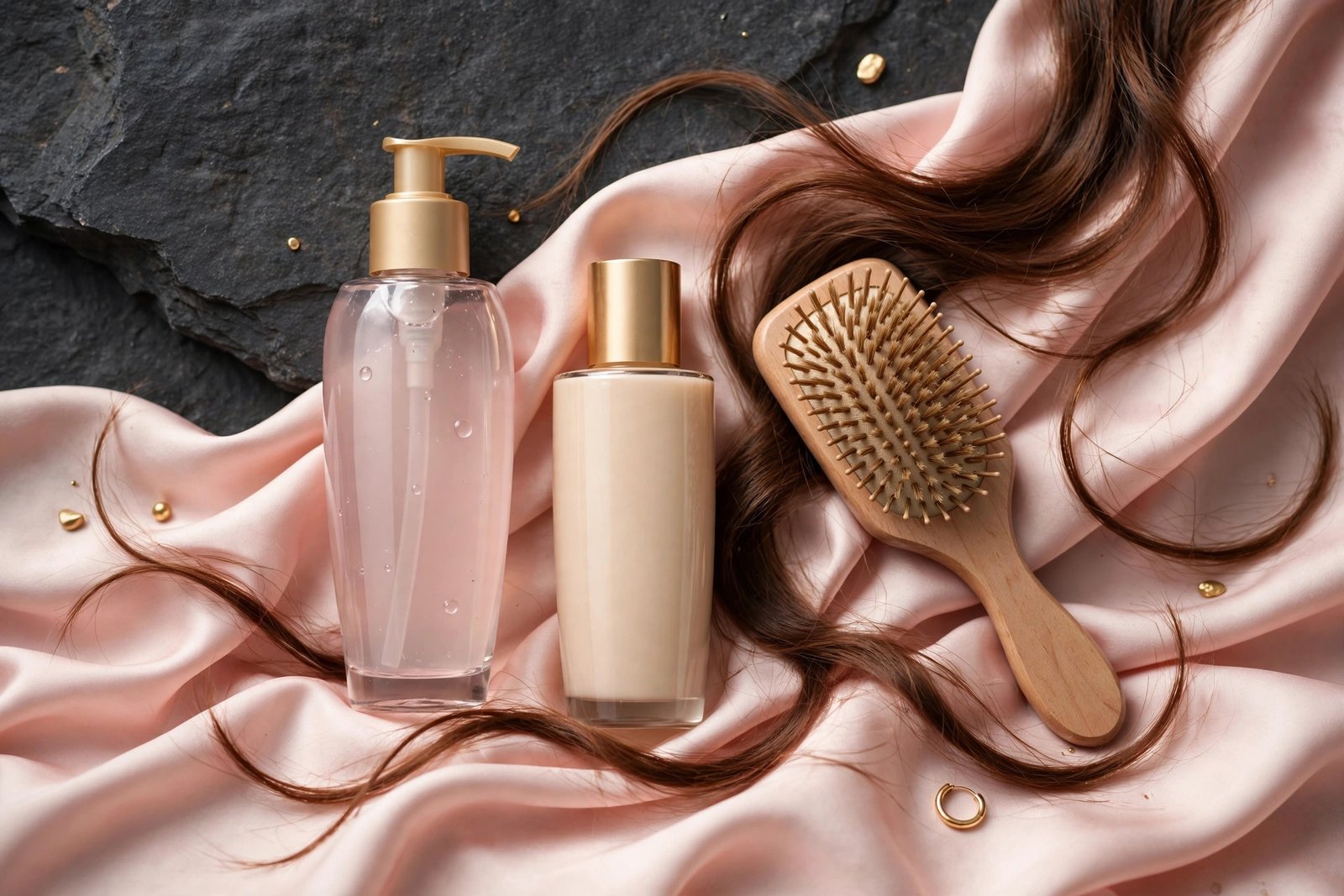
A healthy scalp grows healthier hair. Menopausal scalps are often drier and more sensitive, and product buildup or inflammation can worsen shedding. Gentle, sulfate-free shampoos, regular (not aggressive) exfoliation of the scalp, and avoiding leaving heavy oils on the scalp for long periods all help. Treat your scalp with something like the care you’d give facial skin — it’s skin, after all.
Nutrition That Supports Hair
Hair is built from protein, and deficiencies show up as shedding. Make sure you’re getting adequate protein, iron (low ferritin is a common, fixable cause of shedding in women), vitamin D, and zinc. A blood test can identify deficiencies worth correcting. That said, no supplement reverses hormonal thinning on its own — nutrition supports the treatments that do the real work. Be skeptical of “hair gummy” marketing; biotin only helps if you’re actually deficient, which is rare.
What Doesn’t Help (Save Your Money)
- Expensive “DHT-blocking” shampoos: Shampoo sits on the scalp for a minute or two — not long enough for meaningful follicle effects. A good shampoo matters for scalp health, not regrowth.
- Most hair vitamins: Unless you have a diagnosed deficiency, megadose supplements don’t regrow hormonally thinned hair.
- Miracle oils: Rosemary oil has one small study suggesting modest benefit, but it’s not in the same league as minoxidil. Oils can improve the look and feel of existing hair but don’t restart shrunken follicles.
- Switching shampoos repeatedly: Constantly changing products irritates the scalp and makes it impossible to tell what’s working.
Styling Tricks That Make Hair Look Fuller Now
While treatments take months to work, styling can make an immediate visible difference:
- Shorter cuts with layers create the illusion of volume; very long hair pulls flat and emphasizes thinness.
- Volumizing products at the roots (mousses, root-lift sprays) add lift where thinning shows most.
- Avoid tight ponytails and heavy extensions — traction worsens thinning, especially at the temples.
- Blow-dry upside down for root lift, and use heat protectant since menopausal hair is drier and more breakage-prone.
- Color can add body: subtle highlights create dimension that makes hair look thicker; single-process dark color on a visible scalp does the opposite.
- Scalp-concealing fibers or powders are a legitimate short-term fix for visible part lines — they’re cosmetic, not treatment, but they work for events and photos.
Adjusting Your Hair Care Routine
Menopausal hair needs gentler handling across the board:
- Wash with lukewarm (not hot) water and a sulfate-free shampoo
- Condition mid-lengths to ends every wash; deep condition weekly
- Minimize heat styling, and always use heat protectant
- Get trims every 8–10 weeks — split ends travel upward and make thin hair look thinner
- Sleep on silk or satin to reduce friction breakage
These changes won’t regrow hair, but they protect what you have — and breakage on top of thinning is what makes hair look dramatically thinner than it is.
When to See a Doctor
Most menopausal thinning is gradual and diffuse. See a dermatologist or your doctor promptly if:
- Shedding is sudden or dramatic (clumps rather than gradual thinning)
- Hair loss is patchy with distinct bald spots — this suggests conditions like alopecia areata, not menopausal thinning
- You have other symptoms: significant fatigue, irregular periods, excess facial hair, or acne — which can point to thyroid issues, PCOS, or other hormonal conditions
- The scalp is painful, inflamed, or scaly
A dermatologist can examine the scalp, order bloodwork (thyroid, iron/ferrin, vitamin D, androgens), and distinguish menopausal thinning from other causes — which matters because the treatments differ.
The Emotional Side (Worth Saying Out Loud)
Hair is tied to identity for many women, and thinning during menopause arrives alongside other visible changes — which is exactly why it’s worth addressing rather than suffering silently. The women who get the best outcomes are the ones who start proven treatments early, protect the hair they have, and use styling strategically. It’s also worth remembering that skin and hair age together: this beginner’s guide to anti-aging skincare and the step-by-step skincare routine for beginners cover the skin side of the same hormonal shift.
Frequently Asked Questions
Is thinning hair during menopause permanent?
Not necessarily. The hormonal shift changes the growth cycle, but follicles usually remain alive — which is why treatments like minoxidil can work. Early treatment gets better results than waiting years. Without treatment, the gradual thinning pattern typically continues.
How long does menopausal hair shedding last?
Increased shedding often peaks during perimenopause when hormones fluctuate most, then may stabilize after menopause. But the finer regrowth pattern can persist. Starting treatment during the shedding phase gives the best chance of preserving density.
Can HRT help with hair thinning?
Some women on hormone replacement therapy notice improved hair, since it addresses the estrogen drop directly. But HRT is prescribed for broader menopausal symptoms with its own risk-benefit profile — it’s not prescribed for hair alone, and responses vary. Discuss it with your doctor as part of overall menopause care.
Will minoxidil make my facial hair grow?
Unwanted facial hair growth is a possible side effect, usually from product transferring to the face during application. Applying carefully, letting it dry fully, and washing hands afterward minimizes the risk. The foam formulation tends to drip less than the liquid.
At what point should I consider a wig or topper?
Whenever you want one — there’s no threshold you have to cross. Hair toppers and wigs have become remarkably natural-looking, and many women use them alongside treatment while waiting for regrowth. It’s a personal comfort decision, not a last resort.
Conclusion
Thinning hair during menopause is common, hormonally driven, and — importantly — treatable. Minoxidil remains the most evidence-backed option, scalp care and gentle handling protect what you have, and styling tricks bridge the gap while treatments work. Start early, be consistent for at least six months before judging results, and see a doctor if shedding is sudden, patchy, or comes with other symptoms. And don’t neglect the rest of the picture — the complete guide to menopause skin changes covers everything else the same hormonal shift is doing. Your hair changed because your hormones changed — and now you know what to do about it.
Love this? Pin it for later!