What Is Slugging Skincare? The Overnight Method, Explained Honestly
Slugging sounds like a joke — smearing your face with an ointment so thick you glisten like a slug — but it’s one of the few viral skincare trends with genuine dermatological logic behind it. The method is simple: as the last step of your nighttime routine, you apply a thin layer of an occlusive product (traditionally petrolatum) over everything else. The occlusive layer acts as a seal, dramatically reducing the water your skin loses overnight and letting the hydrating products underneath work at full strength. People wake up with plumper, softer, calmer skin.
The technique has roots in Korean beauty routines, where occlusive “sleeping masks” have been a staple for years, and it exploded on TikTok in the early 2020s before resurging again in 2025. Dermatologists are broadly positive about it — with important caveats about who should and shouldn’t do it.
This guide covers what slugging actually is, the science of why it works, exactly how to do it step by step, which products to use, and — critically — who should skip it. If you’re building a structured nighttime routine, slugging slots naturally into the recovery nights of our skin cycling routine for beginners, where sealing in hydration is the entire point. And if your barrier is already compromised, read our guide to repairing a damaged skin barrier first — slugging helps maintain a healthy barrier, but it’s not a rescue treatment on its own.
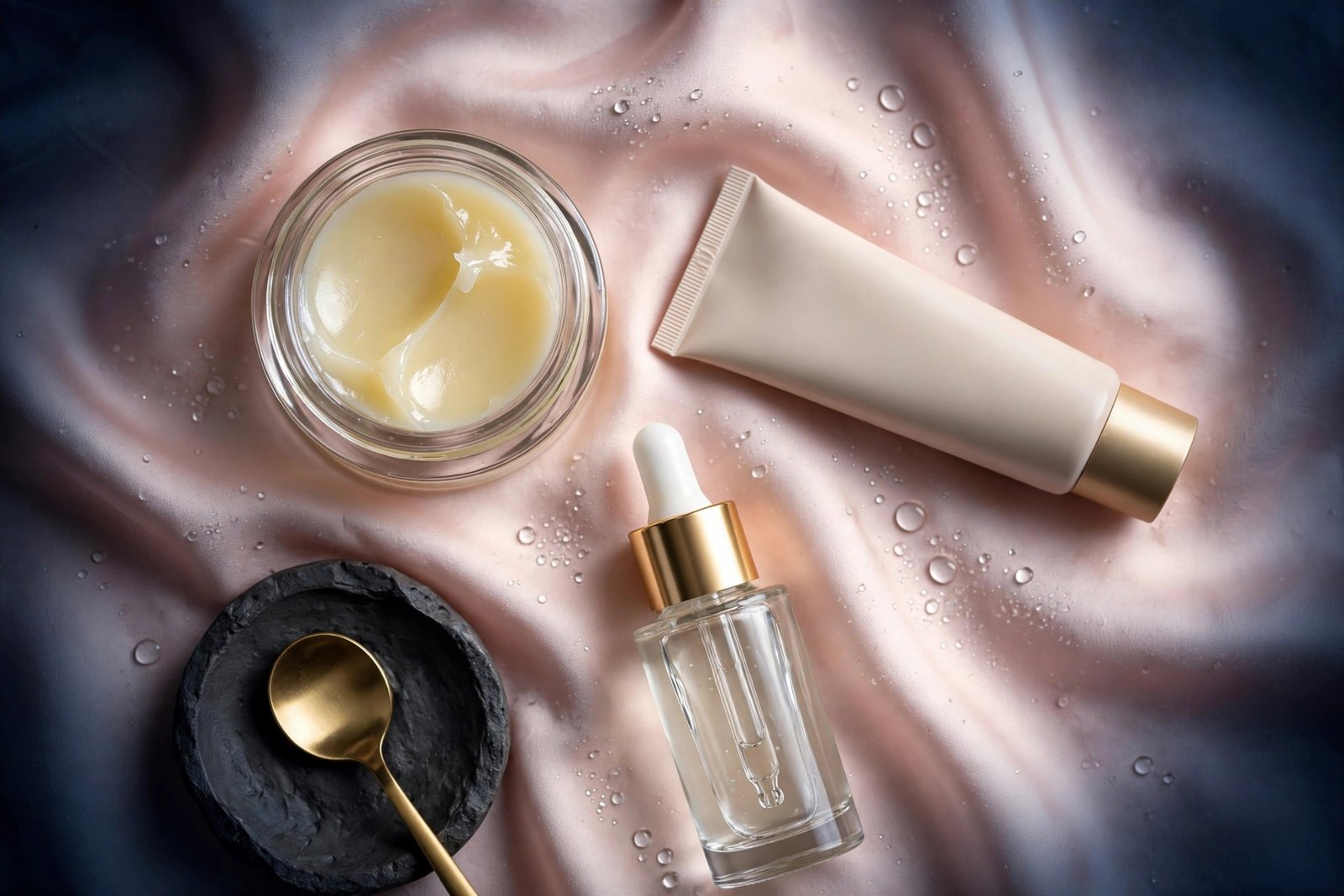
What Is Slugging, Exactly?
Slugging is the practice of applying an occlusive ointment — most classically plain petrolatum (the ingredient in Vaseline) — as the final step of your evening skincare routine. The name comes from the shiny, slug-like sheen it leaves on the skin. You do your full routine (cleanser, hydrating serums, moisturizer), then seal it all in with a thin layer of the occlusive, and sleep in it.
It’s not a new invention. Petrolatum has been used in dermatology for over a century as a wound-healing aid and moisture barrier. What social media did was rebrand a boring, effective dermatological staple as a “hack” — and in this case, the hype is largely deserved.
The key detail beginners miss: slugging is a sealing step, not a treatment step. The occlusive itself doesn’t hydrate your skin — it contains no water and few active ingredients. What it does is prevent transepidermal water loss (TEWL), the constant, invisible evaporation of moisture from your skin’s surface. By blocking that evaporation, it keeps the hydration from your serums and moisturizer locked in for hours, and it gives your barrier an undisturbed window to repair itself overnight. Think of it as putting a lid on a pot: the lid doesn’t cook the food, but nothing stays warm without it.
How Slugging Works: The Science of Occlusives
To understand slugging, you need to understand the three categories of moisturizing ingredients:
- Humectants (hyaluronic acid, glycerin) draw water into the skin — from the air and from deeper skin layers.
- Emollients (squalane, ceramides, fatty acids) fill in the gaps between skin cells, smoothing the surface.
- Occlusives (petrolatum, dimethicone, beeswax, lanolin) form a physical film on the skin’s surface that blocks water from escaping.
Most moisturizers contain humectants and emollients but only mild occlusives. Slugging adds a dedicated, heavy-duty occlusive layer on top — and the difference in water-loss prevention is dramatic. Studies on petrolatum have shown it can reduce transepidermal water loss by up to 98%, far more than most cosmetic moisturizers. It’s also non-comedogenic by most dermatological assessments (despite its thick feel, petrolatum molecules are too large to penetrate and clog pores in most people), non-irritating, and hypoallergenic — which is why it’s the default recommendation for compromised skin in clinical settings.
The overnight timing matters too. Skin loses more water at night (TEWL peaks in the evening), and the skin’s repair processes — including barrier lipid production — are most active during sleep. Sealing the skin during this window maximizes both hydration retention and barrier recovery. That’s also why slugging pairs so well with recovery-focused routines: the occlusive amplifies whatever repair work the night is already doing.
One honest caveat: occlusion also increases the penetration of whatever is underneath it. That’s great for hydrating serums — but it’s a reason to be careful about what’s in your routine on slugging nights. Strong actives (retinoids, high-strength acids) under an occlusive layer absorb more intensely, which can mean more irritation. The standard guidance: slug over hydrating, calming products — not over your strongest actives.
How to Slug: Step-by-Step
Slugging only works as the last step of an evening routine. Here’s the full sequence:
Step 1: Cleanse. Remove sunscreen, makeup, and the day’s buildup with your regular evening cleanse. Slugging over dirty skin seals in everything you didn’t want on your face — don’t skip this.
Step 2: Apply hydrating products to slightly damp skin. This is the most important step people get wrong. The occlusive seals in moisture — but it can’t create moisture from nothing. Apply your hydrating toner, hyaluronic acid serum, or essence while skin is still slightly damp from cleansing. If your skin is bone-dry when you slug, you’re sealing in dryness.
Step 3: Moisturizer. Apply your regular moisturizer over the hydrating layer. This gives the occlusive a well-formulated base to seal — moisturizers contain the ceramides, niacinamide, and emollients that actually repair the barrier, and the occlusive keeps them working longer.
Step 4: The slug — a thin occlusive layer. Take a pea-sized to dime-sized amount of your occlusive product, warm it between your fingertips, and press a thin, even layer over your entire face (avoiding the immediate eye area unless the product is eye-safe). “Thin” is the operative word: you want a light sheen, not a visible mask. More product doesn’t mean more benefit — it means more pillow transfer.
Step 5: Protect your pillow. An old pillowcase, a soft towel over the pillow, or a silk pillowcase you don’t mind sacrificing. Some transfer is inevitable.
Step 6: Morning cleanse. In the morning, cleanse as usual to remove the residual occlusive layer, then proceed with your daytime routine and sunscreen.
Frequency: Most people slug 2–4 nights per week, not every night. Every-night slugging is fine for very dry skin in winter, but for normal to combination skin, a few nights a week is plenty. Listen to your skin: if you notice congestion or tiny bumps appearing, scale back.
The Best Products for Slugging
You don’t need a product marketed as a “slugging balm.” The original method uses plain petrolatum, and it remains the gold standard for a reason: maximum occlusion, minimal ingredients, minimal irritation risk, and minimal cost. But you have options depending on your preferences:
Plain petrolatum (e.g., Vaseline and its generic equivalents). The classic. Nearly 100% occlusive, fragrance-free, non-comedogenic for most people, and extremely affordable. The only real downsides are the texture (thick and shiny) and the fact that it’s a petroleum derivative, which some people prefer to avoid for personal or environmental reasons.
Petrolatum-based healing ointments. Products that combine petrolatum with additional soothing ingredients like ceramides, panthenol, or colloidal oatmeal. These are widely recommended by dermatologists for barrier repair and offer the occlusion of petrolatum with a slightly more elegant feel and added skin benefits.
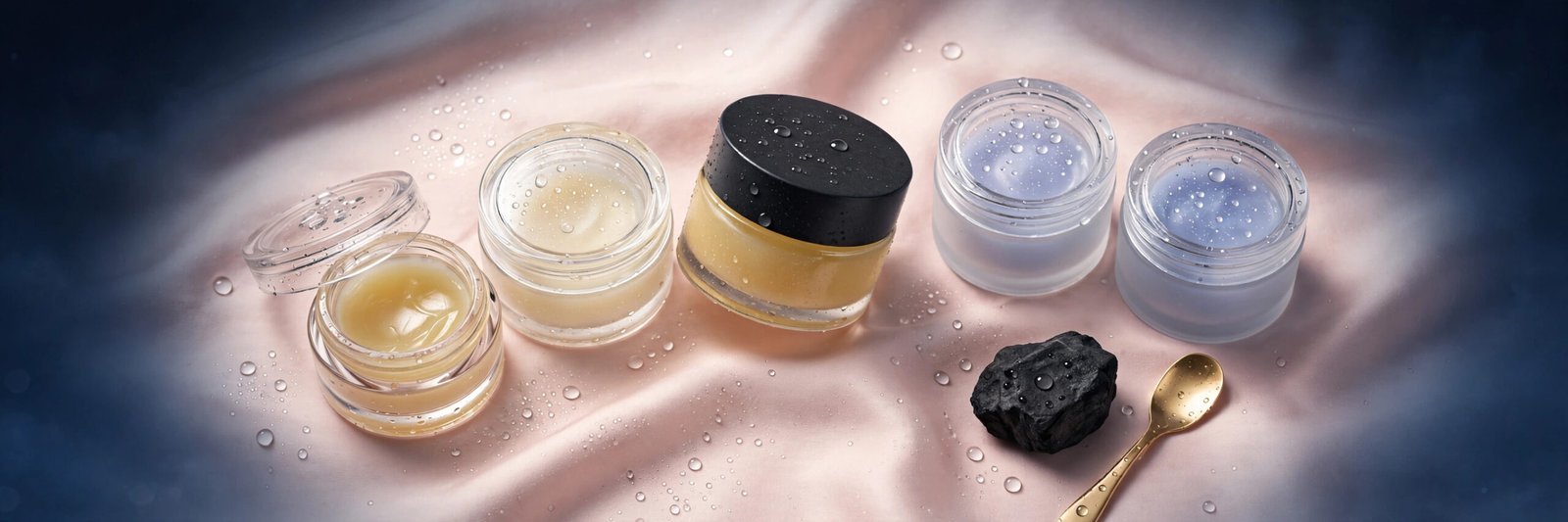
Sleeping masks and overnight balms. Korean and Western beauty brands offer overnight masks designed for this purpose — typically a blend of occlusives (dimethicone, squalane, plant butters) with hydrating and soothing actives. They’re more cosmetically elegant than plain petrolatum and often contain beneficial extras like niacinamide or centella. The trade-off: more ingredients means more potential irritants, so check the formula if your skin is reactive.
What to look for on the label: petrolatum, dimethicone, squalane, ceramides, shea butter, beeswax, lanolin (patch test first — it’s a common allergen for some). What to avoid in a slugging product: fragrance, essential oils, high concentrations of exfoliating acids, and retinoids — the occlusive will drive these deeper, and irritation under occlusion is worse than irritation without it.
A note on “non-comedogenic” claims: petrolatum is widely considered non-comedogenic in dermatological literature, but “non-comedogenic” is not a regulated term, and individual skin varies. If you’re acne-prone, the section below is required reading before you slug.
Who Should Skip Slugging (or Modify It)
Slugging is not for everyone, and honest guides say so upfront. Skip it or proceed with extreme caution if:
You’re actively acne-prone. This is the big one. While petrolatum itself is generally considered non-comedogenic, occlusion traps everything beneath it — including excess sebum, sweat, and acne-causing bacteria. For skin that’s actively breaking out, that trapped environment can worsen congestion and trigger new breakouts. Many dermatologists advise acne-prone patients to skip slugging entirely, or to test it on a small area first and watch for new clogged pores over two weeks.
You have fungal acne (Malassezia folliculitis). Occlusion creates the warm, moist environment that Malassezia yeast thrives in. If your bumps are itchy, uniform, and concentrated on the forehead, chest, or back, slugging could make them worse. Our guide to telling fungal acne from closed comedones can help you figure out which you’re dealing with before you seal anything in.
You have very oily skin. Oily skin already produces abundant natural occlusion in the form of sebum. Adding a heavy occlusive layer on top is usually unnecessary and can leave skin feeling suffocated. If you’re oily but dehydrated, a lightweight gel moisturizer is a better solution than slugging.
You’re using strong actives that night. As noted above, occlusion intensifies penetration. Don’t slug over retinoids, high-strength AHAs, or benzoyl peroxide unless a dermatologist has specifically advised it. Slug on your gentle, hydrating nights instead.
You have a lanolin or ingredient allergy. If you’re using a balm rather than plain petrolatum, check the ingredient list. Lanolin, fragrances, and botanical extracts are the usual culprits.
Who slugging is best for: dry skin, dehydrated skin, mature skin, skin recovering from over-exfoliation, and anyone dealing with winter dryness or a compromised barrier. If your skin drinks up moisturizer and still feels tight by morning, you’re the target audience.
Slugging and Skin Cycling: A Natural Pairing
If you’re following a structured routine like skin cycling, slugging has an obvious home: recovery nights. The beginner’s skin cycling routine dedicates two nights per cycle to barrier repair with no actives — and adding an occlusive seal as the final step of those nights is exactly what the method was designed for. The hydrating serums and ceramide moisturizers of recovery night go on first; the slug locks them in.
What you should not do is slug on exfoliation or retinoid nights. Sealing a chemical exfoliant or retinoid under petrolatum drives it deeper and increases irritation risk substantially — the opposite of what the cycling structure is trying to achieve. Keep the techniques in their lanes: actives get their nights, occlusion gets the recovery nights, and your barrier gets the best of both.
5 Common Slugging Mistakes
1. Slugging over dry skin. The occlusive seals in whatever moisture is present. Applied over dry skin with no hydrating layers underneath, it seals in dryness — and you’ll wake up wondering why your skin feels the same. Damp skin plus hydrating products first, always.
2. Using too much product. A thick visible mask doesn’t occlude better than a thin sheen — it just transfers to your pillow and wastes product. Pea-sized to dime-sized is enough for the whole face.
3. Slugging every night from day one. Start with 1–2 nights per week and watch how your skin responds over two weeks before increasing frequency. Jumping straight to nightly slugging is how people discover they’re congestion-prone the hard way.
4. Slugging over actives. Retinoids, strong acids, and benzoyl peroxide under occlusion is a recipe for irritation. Keep slugging for your gentle nights.
5. Expecting it to fix everything. Slugging is a hydration-retention technique. It won’t fade dark spots, unclog pores, or treat acne — it makes the products that do those things work in a better-hydrated environment. It’s a supporting player, not the star.
Key Takeaways
- Slugging means applying a thin occlusive layer (traditionally petrolatum) as the final step of your nighttime routine to block moisture loss while you sleep.
- It works because occlusives can reduce transepidermal water loss by up to 98% — far more than regular moisturizers.
- The method: cleanse, apply hydrating products to damp skin, moisturize, then seal with a thin occlusive layer. Start 1–2 nights per week.
- Always slug over hydrating, calming products — never over retinoids, strong acids, or benzoyl peroxide.
- Skip slugging if you’re actively acne-prone or dealing with fungal acne; very oily skin usually doesn’t need it either.
- Slugging pairs perfectly with the recovery nights of a skin cycling routine.
- It supports hydration and barrier repair — it doesn’t treat pigmentation, clogged pores, or acne on its own.
FAQ
Can I slug every night?
You can, but most people don’t need to. Very dry or mature skin may benefit from nightly slugging in winter, but for normal to combination skin, 2–4 nights per week is the sweet spot. If you notice new congestion or tiny bumps, cut back — that’s your skin telling you it’s too much.
Will slugging clog my pores?
Petrolatum is widely considered non-comedogenic, but occlusion traps sebum and bacteria underneath it along with the moisture. If you’re acne-prone, that trapped environment can cause breakouts even though the product itself doesn’t clog pores. Patch test on one area for two weeks before committing.
Can I slug with just moisturizer, without a separate occlusive?
A rich moisturizer provides some occlusion, but not at the level of a dedicated occlusive layer. If your moisturizer already leaves your skin comfortable until morning, you may not need to slug. Slugging is for when your regular routine isn’t holding hydration through the night.
Is slugging safe for sensitive skin?
Generally yes — plain petrolatum is one of the least irritating skincare ingredients in existence, which is why dermatologists recommend it for compromised skin. The risk for sensitive skin comes from what’s underneath the occlusive, not the occlusive itself. Keep the layers below it simple and fragrance-free.
What’s the difference between slugging and a sleeping mask?
They’re variations on the same idea. Traditional slugging uses plain petrolatum; sleeping masks are formulated products that combine occlusives with hydrating and soothing ingredients in a more elegant texture. Both seal in moisture overnight — sleeping masks just do it with a fancier formula.
Love this? Pin it for later!