Rosacea Skincare Guide: Calm Redness for Good
If your cheeks flush at the slightest provocation — a glass of wine, a warm room, a brisk walk in winter air — you are not alone. Rosacea affects an estimated 5–10% of adults worldwide, most often fair-skinned women over 30, and it is one of the most misunderstood skin conditions out there. Persistent redness gets dismissed as “just blushing,” bumps get treated as acne with harsh products that make everything worse, and many people cycle through products for years before realizing their skin needs a fundamentally different approach.
This rosacea skincare guide lays out the whole picture: the four recognized types of rosacea, how a dermatologist typically diagnoses it, the gentle routine that actually calms redness, the ingredients worth your money (and the ones to avoid), and the trigger-management habits that make the biggest difference over time. Everything here is aligned with mainstream dermatology guidance — no miracle cures, no dramatic before-and-after promises, just what actually helps most people with rosacea-prone skin.
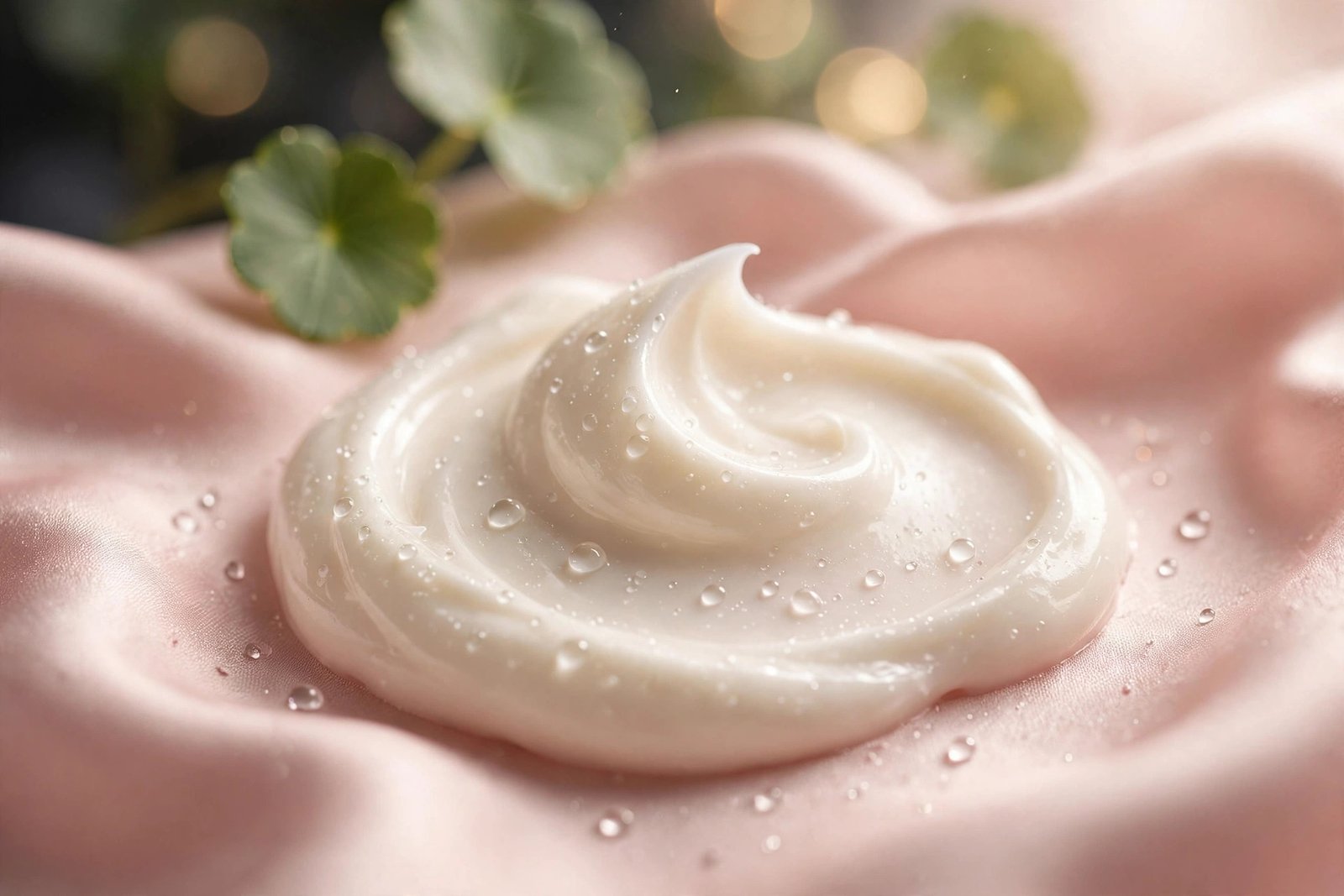
Key Takeaways
- Rosacea is a chronic inflammatory skin condition with four types (erythematotelangiectatic, papulopustular, phymatous, ocular) — identifying your type shapes your treatment.
- The core of every rosacea routine: gentle cleanser, barrier-supporting moisturizer, mineral sunscreen, and one targeted treatment at a time.
- Azelaic acid (10–20%), niacinamide, and centella asiatica are among the best-supported calming ingredients for rosacea-prone skin.
- Avoid harsh actives — strong retinoids, high-percentage AHAs, alcohol-heavy toners, and gritty scrubs are the most common self-inflicted triggers.
- Managing your personal triggers (heat, sun, spicy food, alcohol, stress) matters as much as products.
- Rosacea needs professional diagnosis — see a dermatologist for prescription options like topical ivermectin, brimonidine, or laser therapy.
This article is for informational purposes only and is not medical advice. Skin conditions vary — see a dermatologist for diagnosis and treatment.
What Rosacea Actually Is (and Isn’t)
Rosacea is a chronic inflammatory condition that primarily affects the central face — cheeks, nose, chin, and forehead. Its exact cause is still not fully understood, but dermatologists point to a mix of factors: an overactive immune response in the skin, neurovascular dysregulation (blood vessels that dilate too easily), microscopic skin mites (Demodex) that everyone carries but that appear in higher density on rosacea skin, and genetic predisposition. It is not contagious, not caused by poor hygiene, and — despite an old and unfair myth — not caused by heavy drinking. Alcohol can be a trigger for flushing, but it does not cause rosacea.
Crucially, rosacea is not acne, though one type produces acne-like bumps. That confusion causes real harm: many people treat rosacea with benzoyl peroxide or aggressive exfoliating cleansers meant for acne, stripping their already-compromised barrier and making redness and sensitivity dramatically worse. If you want help telling the two apart, read the key differences between rosacea and acne before buying anything marketed for breakouts.
The Four Types of Rosacea
Dermatologists recognize four subtypes (sometimes called phenotypes), and most people have a mix of features rather than a single neat type.
Type 1 — Erythematotelangiectatic rosacea (ETR). This is the “classic” rosacea: persistent central-face redness, frequent flushing and blushing, visible small blood vessels (telangiectasia), and skin that stings or burns easily with new products. Most people with rosacea have this component.
Type 2 — Papulopustular rosacea. Redness plus acne-like bumps and pimples — papules (red bumps) and pustules (bumps with visible pus) across the central face. Unlike acne, there are usually no blackheads or whiteheads. This is the subtype most often mistaken for adult acne.
Type 3 — Phymatous rosacea. Less common and more advanced: thickened, bumpy skin, most famously on the nose (rhinophyma). It develops slowly over years and is more common in men. Early treatment of other types may reduce the chance of progression.
Type 4 — Ocular rosacea. Affects the eyes and eyelids: dryness, grittiness, burning, light sensitivity, swollen eyelids, and sometimes styes. Eye symptoms can appear before any facial redness, so people often don’t connect them to rosacea. Ocular rosacea deserves an ophthalmologist or dermatologist, not just eye drops.
Knowing your pattern matters because treatments differ: redness and visible vessels respond best to vascular laser treatments, papulopustular bumps respond to anti-inflammatory prescription topicals, and ocular rosacea needs eye-specific care. A routine built for the wrong type can waste months.
The Gentle Routine That Actually Works
Rosacea-prone skin has a weakened barrier and an exaggerated inflammatory response. That means the routine should be boring by design — few products, fragrance-free, introduced one at a time. Dermatologists consistently recommend a three-step foundation plus sunscreen, with targeted treatments added only after the basics are tolerated.
Step 1: Cleanse Gently (Once or Twice Daily)
Use a lukewarm-water cleanse with a mild, non-foaming, fragrance-free cleanser — cream, milky, or gel textures formulated for sensitive skin. The goal is clean skin without tightness, squeakiness, or stinging afterward. A common mistake is over-cleansing: hot water, foaming surfactants, and double cleansing every night can all provoke flushing. If your skin feels calm after a single gentle evening cleanse, that’s enough; in the morning, many people with rosacea do fine rinsing with lukewarm water alone, especially in dry or winter conditions. For a fuller breakdown of how to structure every step for reactive skin, see a complete sensitive skin routine guide.
Step 2: Treat (One Target at a Time)
This is where calming ingredients live. Azelaic acid is the standout — available over the counter at 10% and by prescription up to 20%, it reduces redness and bumps with anti-inflammatory and antimicrobial effects, and it’s one of the few actives with solid clinical evidence in rosacea. Niacinamide (vitamin B3) strengthens the barrier and calms redness, typically in 2–5% concentrations. Centella asiatica (cica), green tea extract, and licorice root extract are well-tolerated botanical soothers. For the full ingredient breakdown, see the best ingredients for rosacea-prone skin.
The golden rule: introduce one new product at a time, patch-test on the jawline for a few days, and wait at least two weeks before judging or adding anything else. Rosacea skin reacts slowly and cumulatively.
Step 3: Moisturize to Protect the Barrier
A fragrance-free moisturizer with ceramides, squalane, glycerin, or hyaluronic acid helps seal in hydration and reduce the transepidermal water loss that makes rosacea skin sting and flush. Creams generally suit dry, flushed skin better than lightweight gels. Apply to slightly damp skin to lock in moisture. If your moisturizer causes a brief flush on application, give it a few minutes — but persistent stinging means the formula isn’t right for you.
Step 4: Protect With Mineral Sunscreen Every Morning
Sun is the single most commonly reported rosacea trigger — surveys of rosacea patients consistently rank UV exposure as the top flare-up cause. Daily broad-spectrum SPF 30+ is non-negotiable. Mineral (zinc oxide/titanium dioxide) formulas are generally better tolerated than chemical filters, which can sting reactive skin. Look for tinted mineral sunscreens if you want light coverage that neutralizes redness, and reapply when you’re outdoors for extended periods.
What to Skip
Just as important as what you add: skip fragrance and essential oils, drying alcohols (denatured alcohol, SD alcohol), witch hazel, menthol, eucalyptus, and camphor — all common in “refreshing” toners and all frequent rosacea irritants. Pause strong retinoids (tretinoin, adapalene) unless your dermatologist specifically guides you; some rosacea patients tolerate low-strength retinoids eventually, but starting one during active flares usually backfires. Skip physical scrubs, stiff cleansing brushes, and high-percentage glycolic or salicylic acid peels. If breakouts are part of your picture, treat them with rosacea-appropriate options rather than acne products — learn why rosacea bumps and acne need opposite treatments.
Building Your Personal Trigger Map
Products are only half the equation. Rosacea is a trigger-driven condition, and the triggers are highly individual. The most commonly reported ones include:
- Heat and sun: hot weather, saunas, hot showers, heated indoor air
- Wind and cold: winter wind is a classic flushing trigger
- Spicy foods and hot beverages: capsaicin and heat dilate facial blood vessels
- Alcohol: red wine is the most frequently cited, but any alcohol can trigger some people
- Exercise: intense workouts that overheat the face
- Stress and strong emotions: embarrassment, anxiety, and anger all cause flushing
- Certain skincare and cosmetics: fragranced products, harsh actives, heavy occlusives
The best way to find yours is a simple trigger diary: for two to four weeks, note flare-ups along with what you ate, drank, did, and applied that day. Patterns emerge quickly. You don’t need to eliminate everything — the goal is knowing your top three triggers and managing exposure. For the complete list of 15 common triggers plus a practical method for identifying your own, read the complete list of rosacea triggers to avoid.
Practical trigger habits that help most people: lukewarm (never hot) showers, cooling facial mists or a damp cloth during flushing episodes, sipping cool water with spicy meals, wide-brimmed hats and shade outdoors, and keeping workouts in cool environments with breaks when your face overheats.
Makeup That Covers Redness Without Causing Flares
Many people with rosacea rely on makeup for confidence, and done right, it doesn’t have to irritate. The playbook: mineral-based foundations (zinc oxide and titanium dioxide double as gentle UV filters), green-tinted color correctors to neutralize redness before foundation, cream or liquid formulas over heavy powders (which can look cakey on textured, flushed skin), and clean brushes washed regularly to avoid bacterial buildup. Always patch-test new makeup, remove it gently at night, and keep fragrance-free options. For the full technique — including how to use green concealer correctly — see makeup tips for rosacea that hide redness safely.
When to See a Dermatologist (and What They Can Offer)
Self-care has real limits with rosacea. Book a dermatologist if: your redness is persistent rather than occasional, you have bumps that don’t respond to gentle care, your eyes are dry/gritty/burning, your skin is thickening anywhere, or over-the-counter steps haven’t helped after 8–12 weeks. Professional treatments dermatologists commonly use include:
- Topical prescriptions: ivermectin cream (anti-inflammatory, targets Demodex), metronidazole, azelaic acid 15–20%, and brimonidine or oxymetazoline gels that temporarily constrict blood vessels to reduce redness for hours.
- Oral medications: low-dose doxycycline for its anti-inflammatory (not antibiotic) effect in papulopustular rosacea.
- Laser and light therapy: pulsed-dye laser (PDL) and intense pulsed light (IPL) can significantly reduce persistent redness and visible vessels — often the most effective option for Type 1 redness, usually requiring several sessions.
- Ocular rosacea care: lid hygiene routines, prescription eye drops, and sometimes oral medication.
There’s no cure for rosacea, and any product or clinic promising one is selling something. But with the right combination of gentle skincare, trigger management, and professional treatment where needed, most people get their rosacea to a place where it’s a minor background detail rather than a daily struggle.
A Sample Routine (Morning and Night)
Morning: lukewarm water rinse (or gentle cleanser) → azelaic acid or niacinamide serum → moisturizer → mineral SPF 30+.
Evening: gentle cleanser → treatment serum (same as morning or alternating nights) → moisturizer. That’s it. Resist the urge to add exfoliating toners, multiple serums, or weekly peels — with rosacea, less is genuinely more, and every addition is a new variable that can provoke a flare.
Give any new routine at least 6–8 weeks before judging it. Rosacea inflammation calms slowly, and impatience — switching products every two weeks — is one of the most common reasons people conclude “nothing works” when the routine never got a fair trial.
Rosacea in Darker Skin Tones
Rosacea is underdiagnosed in medium and deep skin tones because the classic redness is harder to see against more melanin-rich skin. In darker skin, rosacea may show up as warmth, swelling, a dusky or violet-brown discoloration rather than bright pink, persistent dryness and roughness, or bumps that get misdiagnosed as acne. Studies suggest prevalence is genuinely lower in deeply pigmented skin, but under-recognition means many cases go untreated.
If you have a deeper skin tone, watch for the pattern rather than the color: flushing episodes, stinging with products, visible vessels around the nose and cheeks, and bumps concentrated on the central face. The routine in this guide works the same regardless of skin tone — gentle cleansing, azelaic acid (which also helps with the post-inflammatory hyperpigmentation that rosacea flares can leave behind on darker skin), barrier-supporting moisturizer, and mineral sunscreen. Tinted mineral sunscreens are especially useful here, since they avoid the white cast that untinted zinc formulas can leave. And if a clinician dismisses your symptoms, seek a dermatologist experienced with skin of color — your experience of flushing and stinging is diagnostic data, even when redness isn’t obvious.
Frequently Asked Questions
Can rosacea be cured?
No — rosacea is a chronic condition with no permanent cure. But it can be managed very effectively. Most people who combine trigger management, a gentle routine, and appropriate professional treatment (when needed) achieve long stretches of calm, clear skin with only occasional mild flares.
Is rosacea the same as sensitive skin?
Not exactly. Rosacea is a specific diagnosed inflammatory condition; “sensitive skin” is a broader description of reactive skin. Many people with rosacea also have sensitive skin, and the routines overlap heavily — gentle, fragrance-free, barrier-supporting. If your redness is persistent and patterned (central face, visible vessels, bumps), it’s worth getting evaluated rather than assuming it’s just sensitivity.
What is the best moisturizer for rosacea?
The best moisturizer is a fragrance-free one with barrier-supporting ingredients (ceramides, glycerin, squalane, hyaluronic acid) that doesn’t sting on application. Creams suit most rosacea skin better than gels. There’s no single product that works for everyone — patch-test and judge by how your skin feels over two weeks, not by marketing claims.
Does diet affect rosacea?
For many people, yes — but individually. Common dietary triggers include alcohol (especially red wine), spicy foods, and very hot foods or drinks. Rather than following a restrictive “rosacea diet,” track your own flares for a few weeks and identify your personal triggers. Broad elimination diets without evidence rarely help and can harm nutrition.
Can I use vitamin C or retinol with rosacea?
It depends on the formula and your skin’s current state. L-ascorbic acid (pure vitamin C) is often too acidic and irritating for rosacea skin; gentler derivatives like sodium ascorbyl phosphate are better tolerated by some. Retinoids are risky during active flares but some people tolerate low strengths (like retinal or low-percentage retinol, used infrequently) once their skin is calm — ideally under a dermatologist’s guidance. When in doubt, prioritize proven rosacea-friendly ingredients first.
Why does my face flush even without triggers I can identify?
Flushing can be triggered by emotional states, temperature shifts (moving from cold outdoors to warm indoors), and even hormonal fluctuations — things that don’t always register as “triggers.” Keeping a diary helps, but some flushing is simply part of the condition’s neurovascular component. Cooling strategies (cool compresses, moving to cooler air, sipping cold water) help episodes pass faster.
Conclusion
Rosacea is manageable — not with aggressive treatments or endless product-hopping, but with a calm, consistent approach: a gentle three-step routine plus mineral sunscreen, one proven calming ingredient at a time, honest trigger tracking, and a dermatologist in your corner for prescription options when self-care isn’t enough. Start simple, give it time, and let your skin’s response guide you. If you want to go deeper on any piece of this guide, your next reads are the complete rosacea trigger list and the best calming ingredients for rosacea — together, they cover the two levers that matter most.
Love this? Pin it for later!