Adult Acne in Your 40s: Causes & How to Treat It
Few things feel as unfair as getting breakouts at 40 — especially if you sailed through your teens with clear skin. Yet dermatologists report that adult acne is one of the most common complaints among women in their 40s. The causes are different from teenage acne, and that matters: the harsh treatments that worked at 18 will wreck mature skin that is simultaneously getting drier, thinner, and more sensitive.
Adult acne in your 40s is usually hormonal, often tied to perimenopause, and it needs a gentler strategy. This guide explains why it happens, how it differs from teen acne, and which treatments actually work on mature skin without causing new problems.
Key Takeaways
- Adult acne in the 40s is driven mainly by hormonal shifts (perimenopause), not poor hygiene.
- It looks different from teen acne: deeper, more painful breakouts along the jawline and chin.
- Mature skin needs gentler actives at lower strengths — aggressive treatment causes irritation and more breakouts.
- Retinoids, azelaic acid, and low-strength benzoyl peroxide are the most reliable treatments.
- See a dermatologist if acne is severe, sudden, or accompanied by other hormonal symptoms.
Why Breakouts Happen in Your 40s
The main driver of adult acne in your 40s is hormonal fluctuation. During perimenopause — the years leading up to menopause — estrogen levels swing unpredictably while androgen (male-type hormone) levels stay relatively steady. The result is a higher androgen-to-estrogen ratio, which signals oil glands to produce more sebum. More oil plus slower cell turnover (also an age-related change) means more clogged pores.
Several factors can amplify this:
- Perimenopause timing: Many women start noticing hormonal breakouts in their early to mid-40s, years before menopause itself.
- Stress: Cortisol raises oil production, and chronic stress is a well-known acne trigger at any age.
- Diet: High-glycemic foods and dairy are linked to breakouts in some studies, though the effect varies person to person.
- Skincare changes: Rich anti-aging creams and heavy oils, adopted to fight new dryness, can clog pores — creating a frustrating cycle where fighting aging causes acne. Choosing non-comedogenic formulas matters, as covered in the complete guide to menopause skin changes.
- Stopping birth control: Hormonal contraceptives often suppress acne; stopping them in your 40s can trigger rebound breakouts.
How Adult Acne Differs From Teen Acne
Treating 40s acne like teen acne is one of the most common mistakes. The breakouts look and behave differently:
| Teen acne | Adult acne (40s) | |
|---|---|---|
| Location | T-zone (forehead, nose) | Jawline, chin, lower cheeks |
| Type | Blackheads, whiteheads, surface pimples | Deeper, painful, cystic-like bumps |
| Skin context | Oily, resilient | Drier, thinner, more sensitive |
| Main cause | Puberty hormone surge | Perimenopause hormonal fluctuation |
| Scarring risk | Lower (faster healing) | Higher (slower cell turnover) |
The practical takeaway: aggressive scrubs, high-strength benzoyl peroxide, and alcohol-based toners that teens tolerate will over-dry and irritate 40s skin — and irritated skin breaks out more. Everything needs to be gentler.
Treatments That Work for Mature Skin
Retinoids: Treat Acne and Aging Together
Retinoids are arguably the best single treatment for adult acne in your 40s because they address both problems at once: they unclog pores and prevent new breakouts while also improving firmness and fine lines. Dermatologists frequently recommend adapalene (available over the counter) or prescription tretinoin.
Start low and slow — two to three nights per week — because the dryness and peeling phase hits mature skin harder. Buffering over moisturizer reduces irritation without eliminating results. For more on building a complete routine around actives, see this step-by-step skincare routine guide.
Azelaic Acid: The Gentle Multi-Tasker
Azelaic acid (typically 10–20 percent) is one of the best-kept secrets for adult acne. It’s antibacterial, anti-inflammatory, and helps unclog pores — but unlike many acne treatments, it’s also calming and well tolerated by sensitive, rosacea-prone skin. It additionally fades the dark marks breakouts leave behind, which matter more when cell turnover is slow.
Benzoyl Peroxide: Effective at Low Strength
Benzoyl peroxide kills acne-causing bacteria effectively, but the 10 percent formulas marketed to teens are overkill for 40s skin. Dermatologists generally recommend 2.5 to 5 percent — research shows it’s nearly as effective with far less dryness and irritation. Short-contact therapy (applying for 5–10 minutes then rinsing) is another way to get the benefits with less irritation.
Salicylic Acid: For Clogged Pores
Salicylic acid (a BHA) dissolves inside pores, making it good for blackheads and congested skin. In your 40s, stick to 1–2 percent leave-on formulas or gentle cleansers rather than strong peels. Over-exfoliating thins an already-thinning barrier.
A Sample Routine for Acne-Prone Skin Over 40
The goal is treating breakouts while protecting the barrier. Here’s a balanced framework:
Morning:
1. Gentle cleanser (not a harsh foaming one)
2. Azelaic acid serum or niacinamide
3. Lightweight, non-comedogenic moisturizer
4. SPF 30+ — essential, since acne treatments increase sun sensitivity and this beginner’s guide to anti-aging skincare explains why sun protection is the foundation of everything
Night:
1. Cleanser (double cleanse if wearing makeup)
2. Retinoid (adapalene or tretinoin), 2–4x per week to start
3. Moisturizer with ceramides on top
Introduce one active at a time. If your skin is both breaking out and very dry, treat the barrier first for a week or two before adding acne actives — a damaged barrier makes everything worse.
Lifestyle Factors Worth Addressing
Skincare does the heavy lifting, but a few lifestyle factors influence hormonal acne:
- Sleep: Poor sleep raises cortisol, which raises oil production. Consistent sleep matters more than most people expect.
- Diet patterns: Some people notice fewer breakouts when they reduce high-glycemic foods and excess dairy. It’s not universal, but tracking your own triggers for a month is reasonable.
- Hair products: Pomades and heavy oils near the hairline can cause breakouts along the forehead and temples.
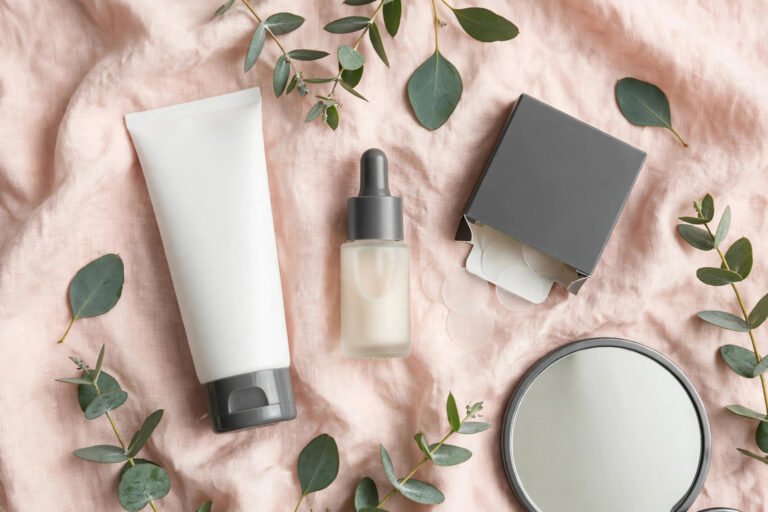
- Touching and picking: Picking deep jawline breakouts leads to dark marks and scarring that take months to fade on mature skin. Hydrocolloid patches are a better response.
Makeup Tips While Breaking Out
Covering breakouts without making them worse takes the right formulas: non-comedogenic, fragrance-free, and applied with clean hands or brushes. Heavy full-coverage foundations can look cakey on textured, breakout-prone mature skin — a medium-coverage hydrating formula usually photographs and wears better. These makeup strategies for mature skin over 40 cover foundation choices that work with (not against) changing skin.
When to See a Dermatologist
Book an appointment if any of these apply:
- Acne is severe, painful, or cystic and not responding to over-the-counter treatments after 8–12 weeks
- Breakouts appeared very suddenly alongside other symptoms (irregular periods, excess facial hair, hair thinning) — these can signal hormonal conditions worth evaluating
- You’re getting significant scarring or dark marks
- Over-the-counter treatments are irritating your skin no matter how gently you introduce them
A dermatologist can prescribe stronger retinoids, hormonal treatments, or in-office options, and can rule out conditions that mimic acne.
Frequently Asked Questions
Why am I getting acne at 40 when I never had it as a teen?
Hormonal acne isn’t about what happened in your teens — it’s about what’s happening now. Perimenopausal hormone fluctuations create an androgen-dominant environment that triggers breakouts regardless of your teenage skin history. About half of women with adult acne had little to no acne as teenagers.
Is adult acne in your 40s always hormonal?
Hormonal shifts are the most common cause, but not the only one. Stress, diet, comedogenic skincare or hair products, and stopping hormonal birth control can all contribute. A dermatologist can help determine whether hormones are the main driver in your case.
Can I use anti-aging products and acne treatments together?
Yes — and retinoids do both jobs at once, which is why dermatologists love them for this age group. The key is gentleness: layer acne treatments and anti-aging actives carefully, introduce one at a time, and always protect the barrier with moisturizer.
How long does it take to see improvement?
Most acne treatments need 6–12 weeks of consistent use before judging results. Mature skin turns over more slowly, so expect the longer end of that range. Worsening in the first few weeks (purging) can happen with retinoids — if it lasts beyond 6–8 weeks, reassess with a dermatologist.
Will my acne go away after menopause?
For many women, hormonal breakouts ease once hormone levels stabilize after menopause — but not for everyone, and the timeline varies. Treating it now rather than waiting it out prevents scarring and dark marks in the meantime.
Conclusion
Adult acne in your 40s is common, hormonal, and very treatable — but it needs a different playbook than teen acne. Gentle retinoids, azelaic acid, and low-strength benzoyl peroxide work with mature skin instead of against it. Protect the barrier, introduce actives slowly, and see a dermatologist if breakouts are severe or sudden. Clear skin at 40 isn’t about going back to harsh teenage treatments; it’s about matching the treatment to the skin you have now.
Love this? Pin it for later!