What Does Niacinamide Do for Skin? Benefits Explained
Niacinamide is one of the few skincare ingredients that almost every skin type can use — and one of the hardest to describe in a single sentence, because it does so much. It’s a form of vitamin B3 that regulates oil, refines the look of pores, calms redness, supports the skin barrier, and fades dark spots. If you’re building your routine from our skincare ingredients guide for beginners, niacinamide is often the first active dermatologists suggest — it’s effective, well-researched, and far gentler than most actives.
This guide explains exactly what niacinamide does for skin, who benefits most, which concentration to choose, and how to use it without common mistakes.
What Is Niacinamide?
Niacinamide is a water-soluble form of vitamin B3 (nicotinamide). Your skin cells need B3 to function — it plays a role in energy production at the cellular level and helps build keratin, the protein that keeps skin firm and healthy.
In skincare, niacinamide is used as a topical ingredient, typically in serums, moisturizers, and toners at concentrations from 2% to 10% (occasionally higher). It became a skincare staple because clinical research supports multiple benefits with a very low irritation profile — unusual for an active ingredient that does this much.
Unlike exfoliating acids (AHAs, BHAs) or retinoids, niacinamide doesn’t resurface or exfoliate the skin. It works by supporting normal skin function: balancing oil production, strengthening the barrier, and regulating pigment transfer. That’s why it’s tolerated by sensitive skin types that can’t handle stronger actives.
5 Key Benefits of Niacinamide
1. Visibly Refines Pores
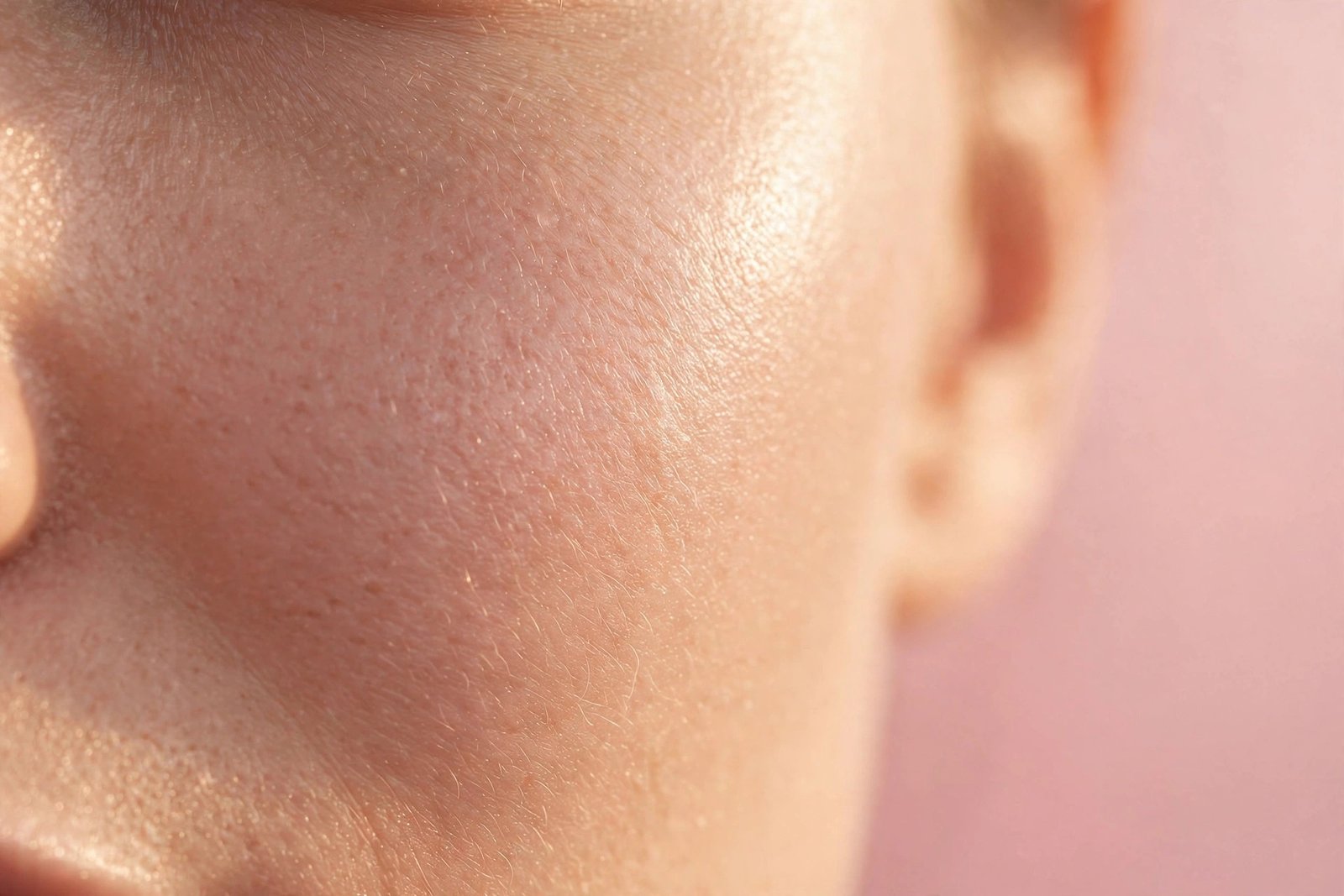
Niacinamide doesn’t physically shrink pores (no product can — pore size is genetic), but it makes them look smaller by addressing the two things that make pores more visible: excess oil and loss of elasticity around the pore walls.
By regulating sebum and supporting the skin’s structure, niacinamide reduces the stretched, enlarged appearance of pores over time. Studies show visible improvement in pore appearance with consistent use over 8 to 12 weeks. This is one of the most-searched reasons people try niacinamide — and the one most consistently backed by evidence.
2. Balances Oil Production
Niacinamide helps regulate how much sebum your skin produces, which makes it especially popular for oily and combination skin types. Less excess oil means less midday shine, makeup that lasts longer, and fewer oil-related breakouts.
Importantly, niacinamide doesn’t strip oil the way harsh cleansers do. It normalizes production rather than removing it, so skin stays balanced instead of rebounding with even more oil — the cycle that happens with overly drying products.
3. Calms Redness and Irritation
Niacinamide has anti-inflammatory properties that make it useful for redness, blotchiness, and general sensitivity. It’s commonly recommended for rosacea-prone skin and for people whose skin flushes easily.
It also strengthens the skin barrier, which means less moisture loss and fewer irritants getting in — the underlying cause of much chronic redness. This dual action (calming inflammation + repairing the barrier) is why niacinamide appears in so many products formulated for sensitive skin.
4. Strengthens the Skin Barrier
A healthy skin barrier keeps moisture in and irritants out. Niacinamide supports the barrier by boosting the production of ceramides and fatty acids — the “mortar” between your skin cells.
Signs of a weak barrier include dryness that won’t quit, stinging when you apply products, and breakouts from products that used to be fine. Niacinamide helps reverse these by reinforcing the barrier from the inside, making it one of the best-studied barrier-supporting ingredients available over the counter.
5. Fades Dark Spots and Evens Tone
Niacinamide helps with hyperpigmentation by slowing the transfer of melanin (pigment) from melanocytes to skin cells. This makes it effective for post-acne marks, sun spots, and general uneven tone.
It’s a slower, gentler brightening agent than vitamin C or tranexamic acid, but the trade-off is excellent tolerability — it can be used daily by nearly everyone, including sensitive skin types that can’t tolerate stronger brighteners. Many brightening formulas combine niacinamide with vitamin C for complementary effects.
Who Should Use Niacinamide?
Niacinamide works for nearly all skin types, but it shines brightest for:
- Oily and combination skin: Oil regulation and pore appearance are the headline benefits here.
- Acne-prone skin: Less excess oil, calmer inflammation, and faded post-acne marks make it a strong supporting player in an acne routine.
- Sensitive and redness-prone skin: The anti-inflammatory and barrier-supporting properties are ideal for easily irritated skin.
- Dull or uneven-toned skin: Gradual brightening without the irritation risk of stronger actives.
- Beginners: It’s one of the safest first actives to try — low irritation risk, no purging, and no sun sensitivity.
Who might skip it: Very few people need to avoid niacinamide entirely. Some people with extremely reactive skin find higher concentrations (10%+) slightly irritating — if that’s you, a lower concentration (2–5%) usually solves the problem. If any product stings or flushes your skin, stop and reassess.
How to Use Niacinamide in Your Routine
Adding niacinamide is straightforward — it slots into the serum step of your routine without complicated layering rules.
Where it goes: Apply niacinamide after cleansing and toning, before moisturizer. If you use multiple serums, apply from thinnest to thickest texture.
How often: Once or twice daily. Most people start with once daily (evening) and move to twice daily once they know their skin tolerates it.
How much: A pea-sized amount of serum for the whole face is enough.
AM or PM: Both. Niacinamide doesn’t cause sun sensitivity, so it’s safe for morning use — though sunscreen is still non-negotiable during the day.
What it pairs well with: Niacinamide is remarkably easy to combine. It works well with hyaluronic acid (hydration), vitamin C (brightening), ceramides (barrier support), and salicylic acid (exfoliation). If you’re layering multiple actives, thinnest texture first.
Keep reading: how niacinamide layers with vitamin C without irritation
What to avoid combining: There’s an old claim that niacinamide and vitamin C cancel each other out or form niacin — this comes from outdated chemistry done at high heat, not normal skincare conditions. Modern formulations and layering are fine. The one real caution: if you use strong exfoliating acids (high-percentage AHAs) or prescription retinoids, introduce niacinamide gradually, not because of a bad interaction but because stacking too many actives at once can irritate skin.
One common application complaint: niacinamide serums can sometimes pill under makeup. why niacinamide pills under makeup
What Percentage of Niacinamide Should You Use?
Niacinamide products range from 2% to 20%, but more isn’t always better — and the research supports moderate concentrations.
| Concentration | Best for | Notes |
|---|---|---|
| 2–4% | Sensitive skin, barrier support | Found in many moisturizers; gentle enough for reactive skin |
| 5% | Most beginners | The sweet spot — well-studied, effective for oil and pores |
| 10% | Oily skin, visible pores, dark spots | Most popular serum strength; slightly higher irritation risk |
| 10%+ | Stubborn concerns | Diminishing returns for most people; patch test first |
The takeaway: 5% niacinamide has the most clinical research behind it and works for most people. 10% is fine if your skin tolerates it, but there’s limited evidence it outperforms 5% for most concerns. If you’re unsure, start at 5% — you can always move up.
For product picks matched to sensitive and beginner skin, best niacinamide serums for beginners with sensitive skin. And if you’re curious about the most popular niacinamide serum of all, how to use The Ordinary Niacinamide 10% + Zinc 1% correctly.
Niacinamide Side Effects (What to Actually Expect)
Niacinamide has one of the best safety profiles in skincare, but it’s not side-effect-free for everyone:
- Mild flushing or warmth: Some people feel a brief warm flush when first applying niacinamide, especially at 10%. This usually fades within minutes and decreases with continued use. It’s not an allergic reaction — it’s increased blood flow.
- Slight irritation at high concentrations: Redness or stinging at 10%+ usually means the concentration is too high for your skin. Dropping to 5% typically fixes it.
- Dryness when overused: Layering multiple niacinamide products (serum + moisturizer + toner) can be drying. One niacinamide product per routine is plenty.
- Pilling: Some formulas ball up under makeup or sunscreen. Let the serum absorb fully (60–90 seconds) before layering, and use less product.
No purging: Unlike retinoids or exfoliating acids, niacinamide doesn’t cause purging. If you break out after starting it, the cause is usually another ingredient in the formula (fragrance, comedogenic oils) or too many new products introduced at once — not the niacinamide itself.
Frequently Asked Questions
Can I use niacinamide every day?
Yes. Niacinamide is designed for daily use — once or twice a day, every day. Unlike exfoliating acids, it doesn’t need rest days. Consistency matters more than frequency: visible results for pores, tone, and oil balance typically take 8 to 12 weeks of regular use.
Can you mix niacinamide and vitamin C?
Yes. The old warning about niacinamide and vitamin C interacting comes from outdated lab conditions (high heat) that don’t apply to skincare. Modern dermatology consensus: they’re safe to layer and actually complement each other — vitamin C provides antioxidant protection while niacinamide regulates oil and strengthens the barrier. Apply the thinner formula first.
How long does niacinamide take to work?
Oil control and reduced shine can improve within 2 to 4 weeks. Pore appearance, redness, and barrier strength typically show visible change at 8 to 12 weeks. Dark spots and uneven tone take the longest — expect 12+ weeks of consistent use for noticeable fading.
Is niacinamide good for acne?
Niacinamide supports an acne routine but isn’t a primary acne treatment. It reduces excess oil, calms inflammation, and fades the dark marks acne leaves behind — all valuable. But for active breakouts, it’s best paired with proven acne fighters like salicylic acid or benzoyl peroxide rather than used alone.
Does niacinamide work for wrinkles?
Indirectly. Niacinamide supports collagen production and improves skin elasticity, which helps fine lines look softer over time. But it’s not in the same league as retinoids for wrinkle treatment. Think of niacinamide as supporting healthy skin function — the foundation that makes everything else work better.
Key Takeaways
- Niacinamide is a form of vitamin B3 that regulates oil, refines the look of pores, calms redness, strengthens the skin barrier, and fades dark spots.
- It works for nearly all skin types and is one of the gentlest, most beginner-friendly active ingredients available.
- 5% is the well-researched sweet spot for most people; 10% is fine for oily skin but offers diminishing returns.
- Apply it in the serum step (after cleansing, before moisturizer), once or twice daily — it causes no sun sensitivity and doesn’t require rest days.
- Visible results take 8 to 12 weeks of consistent use; dark spots take longer.
- It pairs well with almost everything, including vitamin C and hyaluronic acid — just introduce actives one at a time.
- For the full picture of how niacinamide fits alongside other actives, see our skincare ingredients guide for beginners.
Love this? Pin it for later!