The Ordinary AHA 30% + BHA 2% Peeling Solution: Safe Usage Guide
Few skincare products have a reputation quite like The Ordinary’s AHA 30% + BHA 2% Peeling Solution — the famous “blood mask.” It can leave skin looking noticeably brighter and smoother, but it is also one of the strongest exfoliants you can buy without a prescription. That combination is exactly why learning how to use it correctly matters so much. Used wrong, a 30% acid peel can burn, irritate, and damage your skin barrier. Used right — once a week, for ten minutes or less, with proper aftercare — it can be a powerful addition to a routine.
This guide walks through everything: what the product actually is, who should and shouldn’t use it, a step-by-step safe application method, what to do afterward, and the warning signs that mean stop. If you’re building your first routine with the brand, start with The Ordinary Skincare Guide for Beginners before adding strong treatments like this one.
What Is the AHA 30% + BHA 2% Peeling Solution?
The Ordinary AHA 30% + BHA 2% Peeling Solution is a water-based exfoliating mask with a combined 32% concentration of acids — far stronger than any daily exfoliating serum or toner. Here’s what’s inside:
- Glycolic acid (the primary AHA) — exfoliates the skin’s surface, helping with dullness, uneven texture, and the appearance of fine lines.
- Lactic acid (the second AHA) — a gentler exfoliating acid that also hydrates, working on surface texture and tone.
- Salicylic acid (the BHA at 2%) — an oil-soluble acid that penetrates into pores, which is why this product can help with congestion and blackheads.
- Tasmanian pepperberry extract — included to help reduce the irritation and redness that high-strength acids typically cause.
- Hyaluronic acid and vitamin B5 — humectants and soothing agents that support the skin during the treatment.
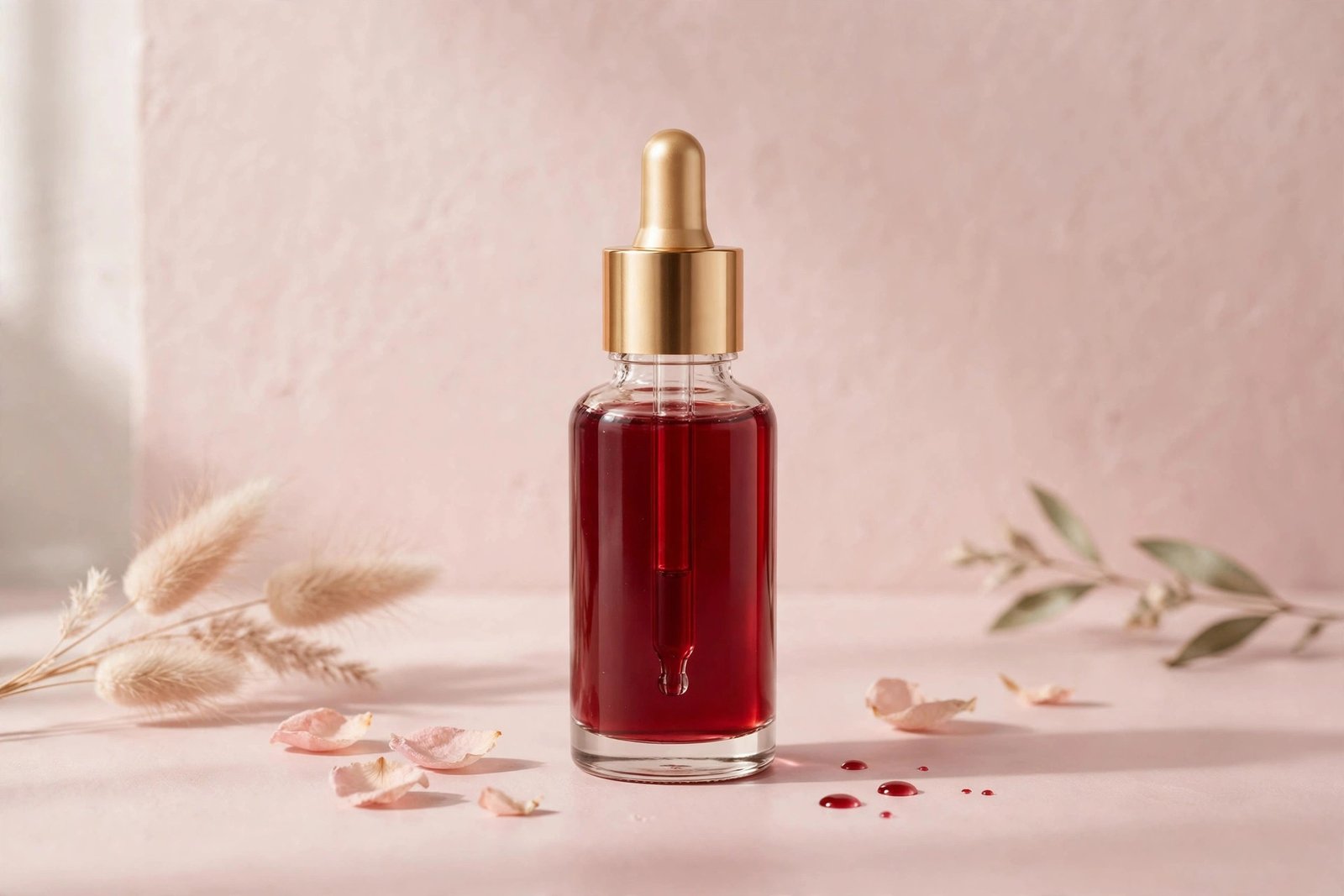
The deep red color comes from the formula itself (it contains no added colorant claims controversy aside — it’s simply how the solution looks) and is actually functional: it makes it easy to see where you’ve applied the product and confirm you’ve rinsed it off completely.
How It Differs from Daily Exfoliants
Most daily chemical exfoliants contain acids at much lower concentrations — typically 5–10% AHA or 1–2% BHA in a leave-on serum used a few times per week. The Peeling Solution packs 30% AHA into a rinse-off mask. That difference is the whole point: it’s a weekly treatment, not a daily step. Treating it like an ordinary serum — leaving it on too long or using it too often — is how irritation happens. For a primer on how different acids compare, see salicylic acid vs glycolic acid for acne.
Who Should Use It (and Who Should Avoid It)
It’s a good fit if you:
- Have normal, combination, or oily skin that tolerates exfoliating acids well
- Are dealing with dullness, rough texture, or visible congestion that daily products haven’t fully addressed
- Already use mild exfoliants (like a low-strength AHA toner) without irritation and want to step up
- Are not sensitive, reactive, or currently dealing with a compromised skin barrier
You should NOT use it if you:
- Are a complete beginner to chemical exfoliants. The brand itself recommends that this product not be used on sensitive, peeling, or compromised skin, and dermatologists generally advise working up to strong acids gradually. Start with gentler options first — The Ordinary Skincare Guide for Beginners covers safer starter picks.
- Have sensitive, rosacea-prone, or eczema-prone skin. A 30% AHA formula is simply too aggressive for reactive skin types.
- Have active sunburn, open wounds, cuts, or broken skin anywhere on the face.
- Are currently using retinoids, benzoyl peroxide, or other strong actives in the same routine without a rest day between them — layering strong actives dramatically raises irritation risk.
- Are pregnant or nursing and have not cleared high-strength acid use with your doctor. (AHAs in cosmetic products are generally considered low-risk, but high-concentration peels warrant a professional opinion.)
- Have very dark skin tones and no experience with strong peels. Higher acid concentrations carry a greater risk of post-inflammatory hyperpigmentation in deeper skin tones. A patch test and a conservative first application are essential — or consider a gentler alternative.
Age note: The Ordinary states this product is not intended for children. Teenagers with resilient, non-sensitive skin sometimes use it, but a parent’s involvement and a strict patch test are wise given the strength.
Step-by-Step: How to Use the Peeling Solution Safely
Step 0: The Patch Test (Non-Negotiable)
Before the first full application, do a patch test:
- Apply a small amount of the solution to a discreet area — behind the ear or along the jawline.
- Leave it for up to 10 minutes, then rinse thoroughly.
- Wait 24 hours and check for excessive redness, burning, itching, or swelling.
Some mild tingling or temporary pinkness is normal with acids. But if the test area stays red, feels raw, or develops bumps, this product isn’t for you — and that’s a useful answer, not a failure.
Step 1: Apply to Clean, Dry Skin
Use the Peeling Solution in the evening, on a freshly cleansed face that is completely dry. Water on the skin can increase acid penetration and irritation, so pat your face dry and wait a minute or two after cleansing.
Avoid the eye area, lips, and any broken or irritated skin. Use the included dropper to dispense the product, then spread a thin, even layer across the face with your fingertips. A little goes a long way — you don’t need a thick coat.
Important: Do not use this on the same night as retinoids, vitamin C (L-ascorbic acid), benzoyl peroxide, or other direct acids. Give strong actives their own nights.
Step 2: Time It — 10 Minutes Maximum
Leave the mask on for no more than 10 minutes. Set a timer — don’t estimate.
- First-time users: consider starting with 5 minutes to see how your skin responds, then working up to 10 on later uses if all goes well.
- Never leave it on longer hoping for better results. More time doesn’t mean more glow; it means more irritation risk.
Step 3: Rinse Thoroughly with Lukewarm Water
Rinse the product off completely with lukewarm water — not hot, which adds irritation. Because of the red color, it’s easy to confirm you’ve removed it all: keep rinsing until the water runs clear and no pink tint remains. Pat dry gently with a clean towel.
Step 4: How Often to Use It
Once per week at most. That’s the official guidance and the dermatologist consensus for a peel of this strength. Using it twice a week or more significantly raises the risk of over-exfoliation — chronic redness, sensitivity, breakouts from a damaged barrier, and peeling that never quite heals.
If you’re unsure how exfoliation frequency works in general, this guide on how often to exfoliate your face breaks it down by skin type and product strength. And note that this weekly treatment doesn’t replace gentler daily exfoliation options like a mild toner — here’s whether toner is actually necessary if you’re deciding what your routine needs.
What to Do After: Post-Peel Aftercare
What you do in the 24–48 hours after the peel matters as much as the application itself. Your skin has just had its outer layer exfoliated and is temporarily more vulnerable.
Immediately after rinsing
- Apply a hydrating, fragrance-free serum — hyaluronic acid on damp skin is a good choice.
- Follow with a simple moisturizer containing ceramides, glycerin, or squalane to support the barrier.
- Skip all other actives for the rest of the evening: no retinoids, no vitamin C, no additional acids.
The next day (and the day after)
- Sunscreen is mandatory. Freshly exfoliated skin is more sensitive to UV, and skipping SPF after a peel is one of the fastest ways to end up with dark spots instead of glow. Use a broad-spectrum SPF 30 or higher and reapply if you’re outdoors.
- Keep the routine minimal and gentle: cleanser, hydrating serum, moisturizer, sunscreen. That’s it.
- Avoid scrubs, cleansing brushes, and harsh physical exfoliation for at least 48 hours.
- Some mild tightness or light flaking the next day can be normal. Heavy peeling, on the other hand, suggests the product was left on too long or used too often — scale back.
Warning Signs: When to Stop and Rinse Off Immediately
Mild tingling in the first minute or two is expected with a strong acid. But rinse the product off immediately — don’t wait out the timer — if you experience:
- Intense burning or stinging that escalates rather than fades
- Significant redness spreading beyond mild pinkness
- Swelling, hives, or raised bumps
- Itching that feels like an allergic reaction rather than tingle
After rinsing, apply a cool, damp cloth and a plain moisturizer. If irritation persists beyond a day or two, or you develop blistering or raw patches, see a dermatologist. And if any of these reactions happened on a patch test, don’t proceed to a full-face application at all.
Common Mistakes to Avoid
- Skipping the patch test. The single most avoidable cause of bad reactions.
- Leaving it on longer than 10 minutes. More time ≠ better results.
- Using it more than once a week. Over-exfoliation damage builds gradually and takes weeks to repair.
- Applying to damp skin. Increases penetration and irritation for no benefit.
- Layering with retinoids or other strong actives the same night. Alternate nights instead.
- Skipping sunscreen the next day. Freshly exfoliated skin + UV = hyperpigmentation risk.
- Using it on broken, sunburned, or irritated skin. Wait until the skin is calm and intact.
- Applying near the eyes or lips. The skin there is too thin for 30% AHA.
Frequently Asked Questions
Can beginners use The Ordinary Peeling Solution?
It’s not the ideal first exfoliant. If you’ve never used chemical exfoliants before, start with a lower-strength AHA or BHA product and use it for several weeks first. Once your skin tolerates mild acids without irritation, you can consider stepping up to the Peeling Solution — with a patch test and a short first application.
Does the Peeling Solution help with acne?
It can help with clogged pores and blackheads thanks to the 2% salicylic acid, which is oil-soluble and works inside pores. But it’s not an acne treatment in the clinical sense — it won’t address hormonal or cystic acne, and using it on inflamed, active breakouts can irritate them. For persistent acne, a dedicated BHA serum used regularly is usually a better approach than a weekly strong peel.
Why does my face turn red after using it?
Mild, temporary pinkness is a normal response to high-strength acids — blood flow increases to the exfoliated skin. It should fade within an hour or two. If redness is intense, blotchy, or lasts into the next day, that’s a sign of irritation: shorten the application time next use, reduce frequency, or discontinue.
Can I use it with niacinamide or hyaluronic acid?
Yes — hydrating and barrier-supporting ingredients like hyaluronic acid and niacinamide are fine to use after rinsing the peel off. The products to avoid on peel night are other exfoliating or strong actives: retinoids, vitamin C (L-ascorbic acid), benzoyl peroxide, and additional AHAs/BHAs.
How long does one bottle last?
With once-weekly use, a 30ml bottle typically lasts several months, since each application only needs a thin layer. Store it in a cool, dark place, keep the dropper clean, and check the period-after-opening symbol on the packaging — like all actives, it loses potency over time once opened.
Key Takeaways
- The Ordinary AHA 30% + BHA 2% Peeling Solution is a strong weekly treatment, not a daily product — 32% total acids makes it one of the most potent over-the-counter exfoliants available.
- Always patch test first, apply to clean dry skin in the evening, and never exceed 10 minutes (start with 5 if it’s your first time).
- Use it at most once per week, and never on the same night as retinoids, vitamin C, or other strong actives.
- Aftercare is essential: hydrate, moisturize simply, skip other actives, and wear broad-spectrum SPF 30+ the next day.
- Beginners, sensitive or rosacea-prone skin, and anyone with broken or sunburned skin should skip this product and start with gentler exfoliants instead — see The Ordinary Skincare Guide for Beginners for safer starting points.
- Rinse off immediately if you feel intense burning, see spreading redness, or develop swelling — mild tingling is normal, pain is not.
Love this? Pin it for later!