Tinted Sunscreen Guide: Coverage + Protection in One
For a growing number of people, tinted sunscreen has quietly replaced foundation. One product evens out skin tone, blurs imperfections, and delivers legitimate sun protection — cutting a multi-step morning routine down to minutes. It’s the backbone of the “skinimalism” trend, and unlike the old days of chalky tinted SPFs in three shades, modern formulas come in genuinely wearable ranges with elegant textures.
But tinted sunscreen sits at the intersection of two products with conflicting requirements: makeup wants to be sheered out and blended thin, while sunscreen needs to be applied generously to deliver its labeled SPF. Getting both benefits from one bottle means understanding how to choose, shade-match, and — critically — how much to apply. This guide covers all of it. For the fundamentals of SPF itself, start with the beginner’s sunscreen guide.
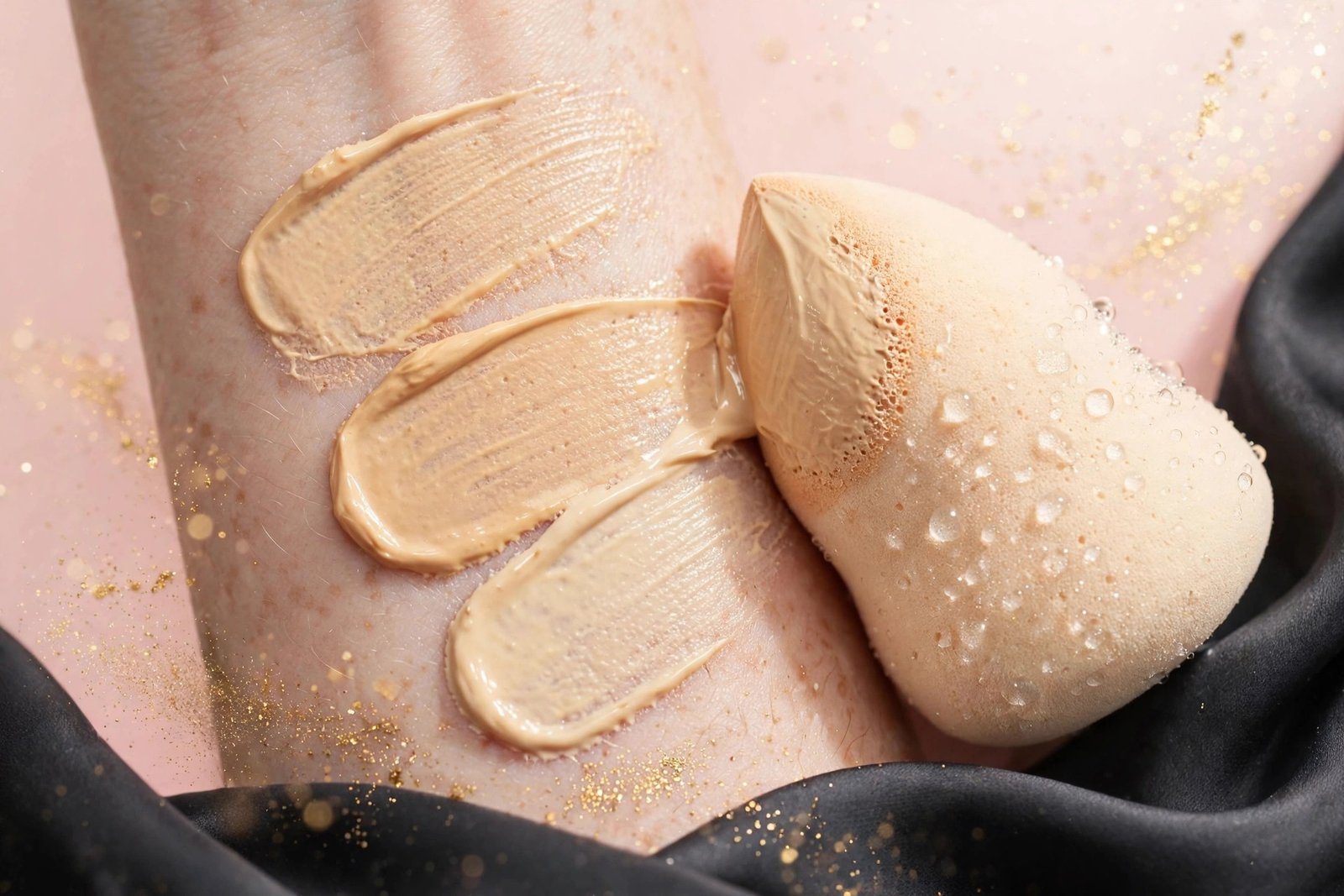
Key Takeaways
- Tinted sunscreen combines UV filters with iron oxide pigments, giving sheer-to-medium coverage plus tested SPF protection in one step.
- You need the full sunscreen amount (about 1/4 teaspoon for the face) to get the labeled SPF — most people under-apply tinted formulas because they’re thinking like makeup.
- Iron oxides in tinted formulas also defend against visible light, which matters for melasma and stubborn dark spots.
- Shade-match on your jawline in natural light; tinted SPF is more forgiving than foundation but the wrong undertone still shows.
- Tinted sunscreen is not a replacement for reapplication — top up with SPF mist, powder, or cushion over it during the day.
What Tinted Sunscreen Actually Is
Tinted sunscreen is a complete sunscreen first and a complexion product second. It contains the same UV filters as regular sunscreen — most commonly zinc oxide and titanium dioxide (mineral), though tinted chemical and hybrid formulas exist — plus iron oxide pigments that provide the tint. The SPF number on the label is real: it’s tested to the same standards as any sunscreen.
The iron oxides do more than add color. They’re one of the few ingredients shown to help block visible light (the light you can see, distinct from UV), which contributes to melasma, post-inflammatory dark marks, and uneven tone — especially in medium to deep skin. Dermatologists often specifically recommend tinted mineral sunscreen for melasma-prone patients for this reason. Regular untinted sunscreen, mineral or chemical, doesn’t offer this visible-light defense.
Coverage-wise, expect sheer to light-medium — enough to even out redness and blur minor imperfections, not enough to mask significant discoloration or active breakouts. Think “your skin but calmer,” not full-coverage foundation. Many formulas include skincare ingredients like niacinamide, hyaluronic acid, or antioxidants, positioning them as moisturizer-SPF-tint hybrids.
How to Pick Your Shade (Without the Guesswork)
Tinted sunscreen is more forgiving than foundation — the sheerer coverage blends more easily — but shade-matching still matters. A wrong undertone reads ashy, orange, or gray even at sheer coverage.
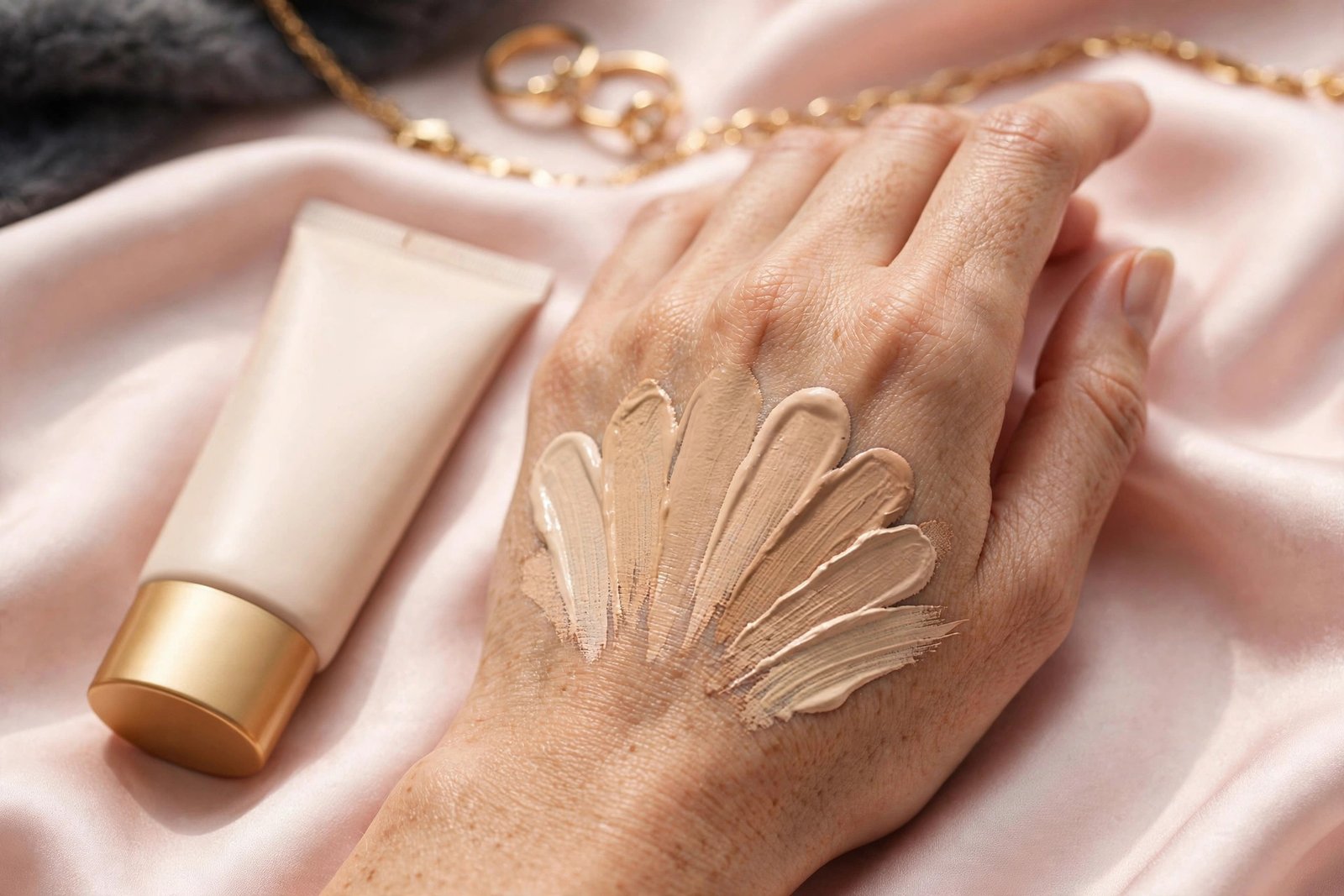
Test on your jawline, not your wrist. The wrist is lighter and pinker than facial skin for most people. Swipe two or three candidate shades along your jawline and check in natural daylight (step outside or stand by a window). The right shade disappears into your skin; the wrong one leaves a visible stripe.
Match your undertone, not just depth. Undertones fall into warm (golden/peachy), cool (pink/red), and neutral (a mix). A common mistake is matching depth correctly but undertone wrong — the product looks “off” without an obvious reason. If you know your foundation undertone, start with the same family.
When in doubt, go slightly deeper. Most people apply tinted products a touch too light, which can look ashy — particularly on medium and deep skin. The shade that vanishes on your jawline in daylight is the one, even if it looks darker in the tube than you expected.
One-shade and “universal” formulas have limits. Flexible-shade products with encapsulated pigments that adapt to skin tone work reasonably for light-to-medium skin but rarely suit very fair or very deep tones well. If your skin is at either end of the spectrum, choose a brand with an actual shade range.
Consider your finish preference too. Dewy formulas flatter dry and mature skin; natural-satin suits normal skin; matte or oil-controlling versions exist for oily skin. The finish affects how the tint wears through the day as much as the shade does.
How Much Protection Do You Really Get?
Here’s the critical honesty section, because this is where tinted sunscreen most often fails people.
SPF testing assumes 2 mg of product per square centimeter of skin — roughly 1/4 teaspoon, or two finger-lengths, for the average face. That’s a generous amount: more than most people use of any face product. When you apply tinted sunscreen the way you’d apply foundation — a thin, blended layer — you’re likely getting a fraction of the labeled SPF. An SPF 30 applied at half the tested amount doesn’t give you SPF 15 (protection doesn’t scale linearly), and the real-world number is unpredictable.
The fix is simple but requires a mindset shift: apply tinted sunscreen like a sunscreen, not like makeup.
- Apply the full amount. Two finger-lengths or a generous 1/4 teaspoon. It will look like a lot at first — that’s correct.
- Let the first layer settle for a minute, then press in any excess rather than wiping it away. Most modern formulas sheer out beautifully once they set.
- If it’s too much coverage, the answer isn’t to use less product — it’s to choose a sheerer formula, or layer your tinted SPF and then spot-conceal where you need more coverage.
- Don’t mix it with moisturizer to sheer it out. Diluting sunscreen dilutes protection unpredictably.
This is the same principle behind proper application of any sunscreen — and if combination skin makes texture and amount tricky, this sunscreen guide for combination skin helps you pick formulas you’ll actually apply generously.
Best Formulas by Skin Type
Oily and combination skin: Look for oil-free, mattifying, or “natural matte” finishes. Gel-cream tinted formulas and mineral-based options tend to wear best through midday oil. Set the T-zone lightly with translucent powder if needed — and note that an SPF powder top-up doubles as both reapplication and shine control later.
Dry skin: Dewy, hydrating formulas with hyaluronic acid, glycerin, or squalane. Avoid matte mineral formulas, which can cling to dry patches. A moisturizer underneath is fine — just let it absorb for a few minutes before applying SPF.
Sensitive and rosacea-prone skin: Mineral-based tinted sunscreens with zinc oxide are usually the gentlest option, and the tint itself helps neutralize redness. Avoid formulas heavy on fragrance or drying alcohols. Patch-test new products along the jawline first.
Acne-prone skin: Non-comedogenic labeling matters more than the tint. Lightweight, oil-free formulas are least likely to cause issues. The sheer coverage is actually an advantage — heavy full-coverage products are more often the breakout culprit than the SPF itself.
Mature skin: Hydrating, light-reflecting formulas that don’t settle into fine lines. Avoid overly matte or powdery finishes, which emphasize texture. Many tinted SPFs include peptides or antioxidants marketed for mature skin — nice bonuses, but the sun protection itself is the real anti-aging ingredient.
Deeper skin tones: Prioritize brands with genuine shade ranges (not three “universal” shades). Tinted mineral formulas solve the white-cast problem that plagues untinted mineral SPF on deep skin. Check the shade in daylight before committing — indoor store lighting lies.
Men: Tinted SPF works well for anyone wanting subtle evening of tone without obvious makeup. Sheer, undetectable formulas in the right depth are effectively invisible. For more targeted picks, see this no-white-cast sunscreen roundup for men.
Tinted Sunscreen vs Foundation With SPF: Which Wins?
Foundation with SPF loses, and it’s not close — for protection purposes. The SPF in foundation is tested the same way, but nobody applies seven pumps of foundation to reach the tested amount. A foundation labeled SPF 30, worn at normal makeup amounts, delivers a small fraction of that protection. It’s a nice bonus, not a strategy.
Tinted sunscreen wins because it’s formulated to be applied in sunscreen quantities — the texture, spreadability, and finish are designed around a generous application. That’s the entire difference: not the label, but how much of it you’ll realistically put on your face.
The ideal combination for makeup wearers: tinted sunscreen as your base (full amount, real protection), then regular foundation or concealer only where you want extra coverage. You get honest SPF plus the finish you like, without needing a mask of foundation to hit the SPF number.
How to Apply It for the Best Finish
Fingers give the most natural finish for most tinted SPFs — the warmth of your hands helps the product melt in, and you can feel whether coverage is even. Dot it on forehead, cheeks, nose, and chin, then blend outward.
A damp sponge sheers the product out for the most skin-like finish and helps press it evenly into the skin. Good choice if your formula runs full-coverage or you prefer minimal makeup looks.
A dense brush builds slightly more coverage and works well for precise blending around the nose and jawline. Use buffing motions, not dragging strokes.
Order of operations: skincare → (wait a few minutes) → tinted sunscreen in full amount → (let set 1–2 minutes) → concealer where needed → cream or powder products on top. Setting the under-eye area lightly with powder prevents concealer migration; leave the rest unset if you like a natural finish.
Don’t forget: ears, neck, and the back of the neck. Tinted formulas make the jawline-to-neck blend easier than untinted ones, since the tint disguises the transition — but the neck still needs its own full application of SPF.
Reapplying Over Tinted Sunscreen
Tinted sunscreen doesn’t exempt you from reapplication — its protection fades on the same two-hour timeline as any SPF. The good news: because it already looks like light makeup, the over-makeup reapplication methods work perfectly on top of it. A midday SPF mist or powder refresh keeps protection going without disturbing the tint underneath.
Cushion compacts with SPF are particularly compatible — pressing a tinted cushion over tinted sunscreen refreshes both coverage and protection in one step. SPF powders work well for oily skin types to manage shine and top up mineral protection simultaneously.
Frequently Asked Questions
Can tinted sunscreen really replace foundation?
For everyday wear, yes — if you’re happy with sheer to light-medium coverage. It evens tone, blurs minor imperfections, and provides real SPF. For events, photography, or days you want full coverage, layer concealer or foundation over it rather than replacing it.
Will tinted sunscreen clog my pores?
The tint itself (iron oxides) is not notably comedogenic — breakouts from tinted SPF usually come from a heavy or unsuitable base formula, not the pigment. Choose oil-free, non-comedogenic formulas if you’re acne-prone, and cleanse thoroughly at night.
How do I find my shade when shopping online?
Check the brand’s shade finder or quiz, compare swatches on reviewers with a similar skin tone (video reviews in natural light are most reliable), and buy from retailers with good return policies. When torn between two shades, most people do better with the deeper option.
Does tinted sunscreen protect against melasma?
Tinted mineral sunscreens are among the best daily defenses against melasma because the iron oxides block visible light in addition to UV — and visible light is a known melasma trigger that regular sunscreen doesn’t address. Consistent daily use plus reapplication matters more than any single product choice.
Can I use tinted sunscreen if I have very oily skin?
Yes — choose oil-free, mattifying formulas and set the T-zone with a light dusting of translucent or SPF powder. Blotting papers midday handle shine without disturbing the tint. Avoid dewy or “glowy” formulas, which can look greasy on oily skin within hours.
Is tinted chemical sunscreen a thing?
Yes, though most tinted SPFs are mineral-based (zinc oxide and titanium dioxide pair naturally with iron oxide pigments). Tinted chemical and hybrid formulas exist and tend to feel lighter, but they’re less common. Either type is fine — choose by skin compatibility and finish preference.
Do I still need moisturizer under tinted sunscreen?
If your skin is dry, yes — most tinted SPFs aren’t moisturizing enough to replace moisturizer on dry skin. If you’re oily, a hydrating serum or lightweight moisturizer may be enough underneath, or the tinted formula alone. Let skincare absorb for a few minutes before SPF application either way.
The Bottom Line
Tinted sunscreen earns its hype when you treat it as sunscreen first: apply the full amount, shade-match carefully, and reapply during the day. Done right, it’s the most efficient product in a morning routine — real, tested SPF plus enough coverage to skip foundation on most days. Done wrong (a sheer scraping of product, never reapplied), it’s just expensive tinted moisturizer with a misleading SPF label.
Pick a formula suited to your skin type, commit to the proper amount, and you’ve simplified your routine without compromising protection. For choosing between filter types before you buy, compare mineral vs chemical sunscreen next.
Love this? Pin it for later!