How to Calm Red, Irritated Skin Fast: Emergency Soothing Routine
Your face is red, hot, and stinging. Maybe a new product backfired, maybe you overdid an active, or maybe your skin just decided today was the day. Either way, you need calm — fast. The good news: most irritation flare-ups respond to the same emergency protocol dermatologists recommend for reactive episodes, and visible redness often settles noticeably within hours when you stop the triggers and support the barrier.
This guide is your flare-up playbook: what to do in the first 30 minutes, the calming ingredients with real evidence behind them, what to avoid while your skin recovers, and how to tell the difference between a routine flare-up and something that needs a dermatologist. It is the emergency companion to the [sensitive skin routine for beginners → sensitive-skin-routine-guide], which covers the long-term prevention side.
Key Takeaways
- The first step in calming irritated skin is always subtraction: stop all actives (acids, retinoids, vitamin C) immediately.
- A cold compress for 10–15 minutes constricts blood vessels and visibly reduces redness and heat.
- Centella asiatica (cica), aloe vera, panthenol, and colloidal oatmeal have the strongest evidence for soothing irritated skin.
- Strip your routine to cleanser + moisturizer (+ sunscreen in daytime) until the flare fully resolves.
- Avoid fragrance, alcohol, exfoliants, and hot water during recovery — they prolong redness.
- Most flare-ups calm within 24–72 hours; seek a dermatologist if redness spreads, blisters, or does not improve in a week.
Step 1: Stop Everything Irritating (Minute 0)
Before you add anything soothing, remove the cause. Immediately stop:
- Exfoliating acids (AHA/BHA/PHA) and scrubs
- Retinoids and retinol
- Vitamin C serums (especially L-ascorbic acid) — even the [gentle vitamin C options → best-vitamin-c-serum-for-sensitive-skin] should wait until skin is fully calm
- Any product you suspect triggered the flare
- Fragranced products of any kind
Do not try to “treat through” a flare-up. More products on angry skin is how a one-day reaction becomes a two-week ordeal.
Step 2: Cool It Down (First 30 Minutes)
Heat and redness feed each other — inflamed skin feels hot, and heat dilates blood vessels, which increases redness. Break the cycle:
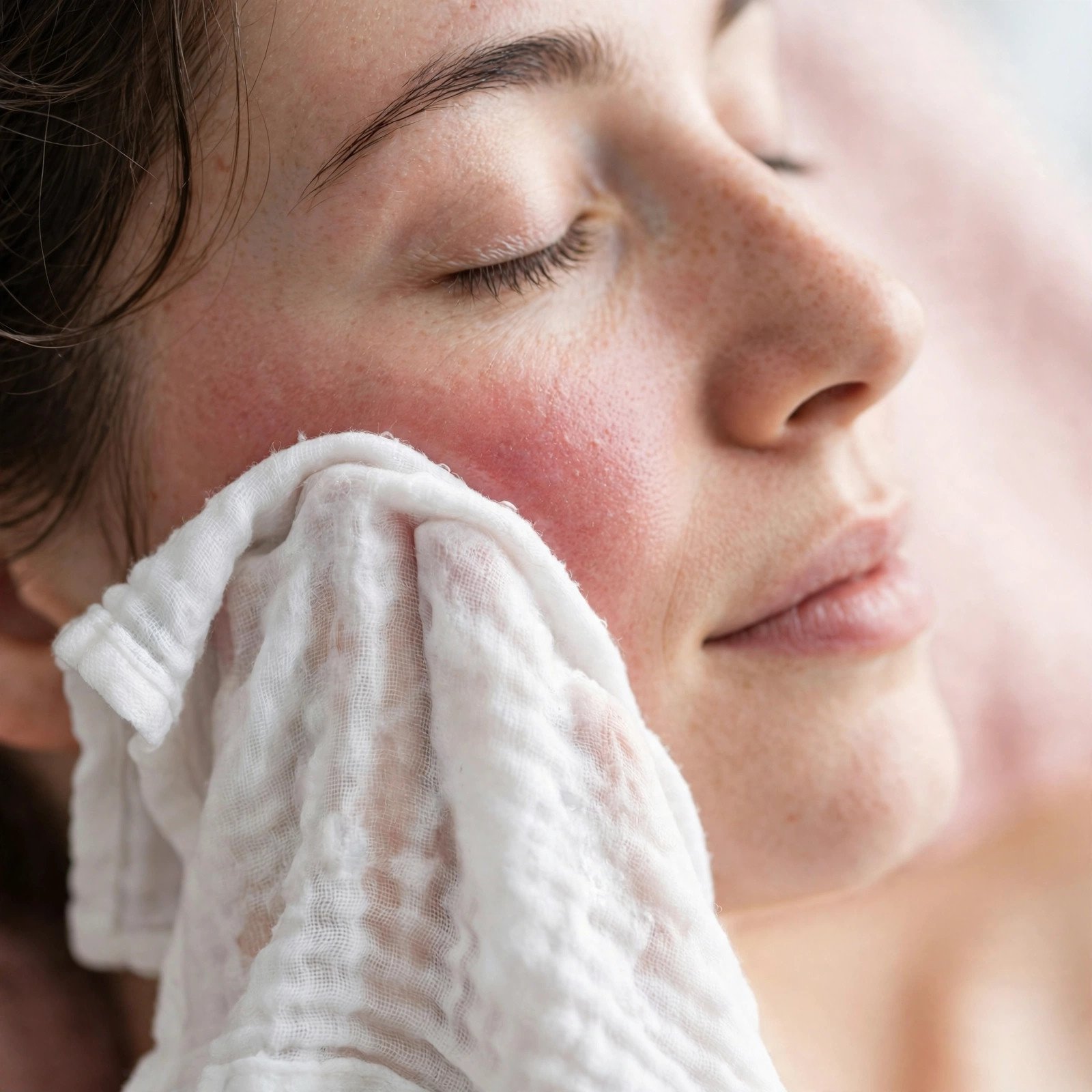
- Soak a clean, soft cloth in cool (not ice-cold) water, wring it out, and press it gently against the irritated areas for 10–15 minutes.
- Alternatively, mist with thermal spring water and let it sit, or hold a chilled (not frozen) gel mask to the face.
- Avoid ice directly on skin — extreme cold can damage already-compromised tissue.
You should see visible de-flushing within the first session. Repeat 2–3 times over the next few hours if heat persists.
Step 3: The Emergency Soothing Routine
Once the heat is down, rebuild a minimal routine with only calming, barrier-supporting products:
Cleanse: Use your gentlest cleanser — or just rinse with lukewarm water if even cleansing stings. A [fragrance-free gentle cleanser → best-cleanser-for-sensitive-skin] is ideal; skip double cleansing entirely during a flare.
Soothe: Apply a calming product with one or more evidence-backed soothing ingredients (detailed below). A lightweight centella or panthenol serum/essence works well here.
Seal: Lock everything in with a simple moisturizer containing ceramides or squalane, then — if skin is very raw — a thin layer of plain petrolatum over the worst areas. Occlusion dramatically reduces water loss from a compromised barrier and speeds recovery.
Daytime only: Finish with a gentle mineral sunscreen. UV exposure on inflamed skin worsens redness and can trigger post-inflammatory hyperpigmentation. If sunscreen stings, a wide-brim hat and shade are acceptable stopgaps for a day or two, but do not skip protection longer than that.
The Best Calming Ingredients (What Research Supports)
- Centella asiatica (cica): Its active compounds (asiaticoside, madecassoside) have documented anti-inflammatory and wound-healing properties; widely used in products for reactive and post-procedure skin.
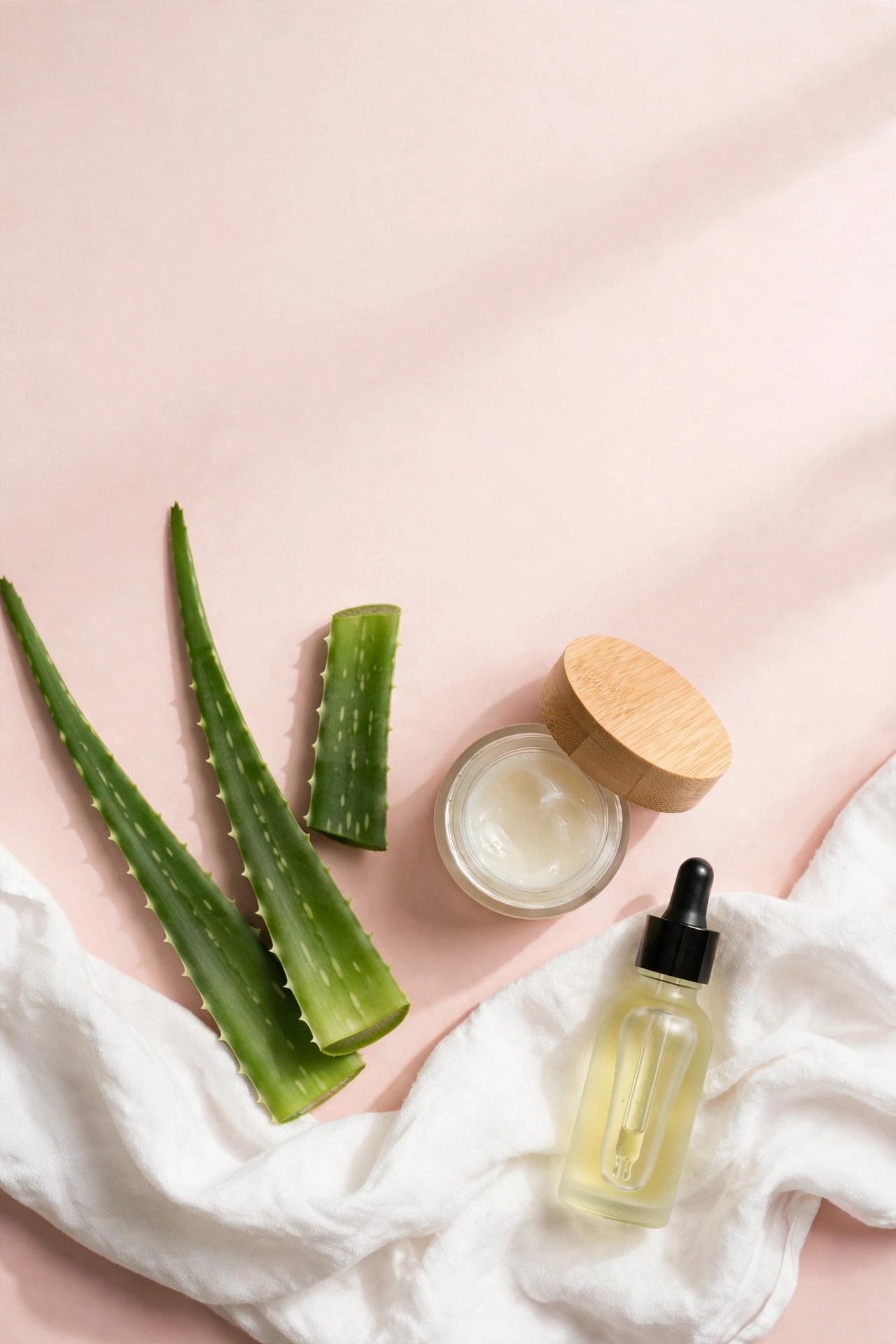
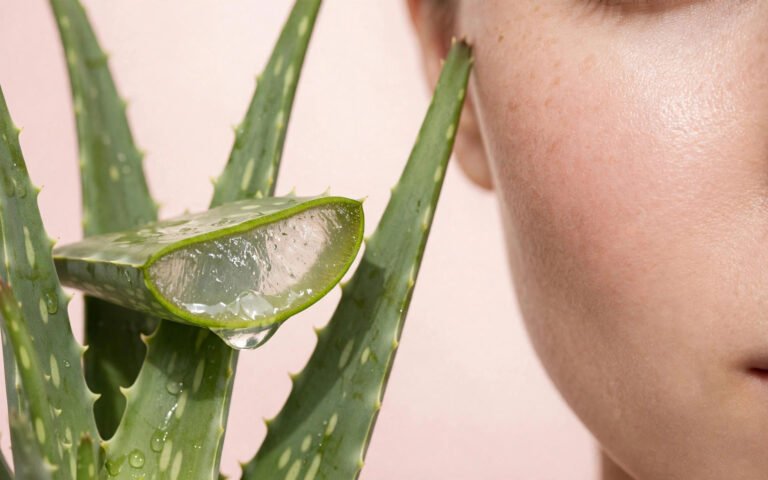
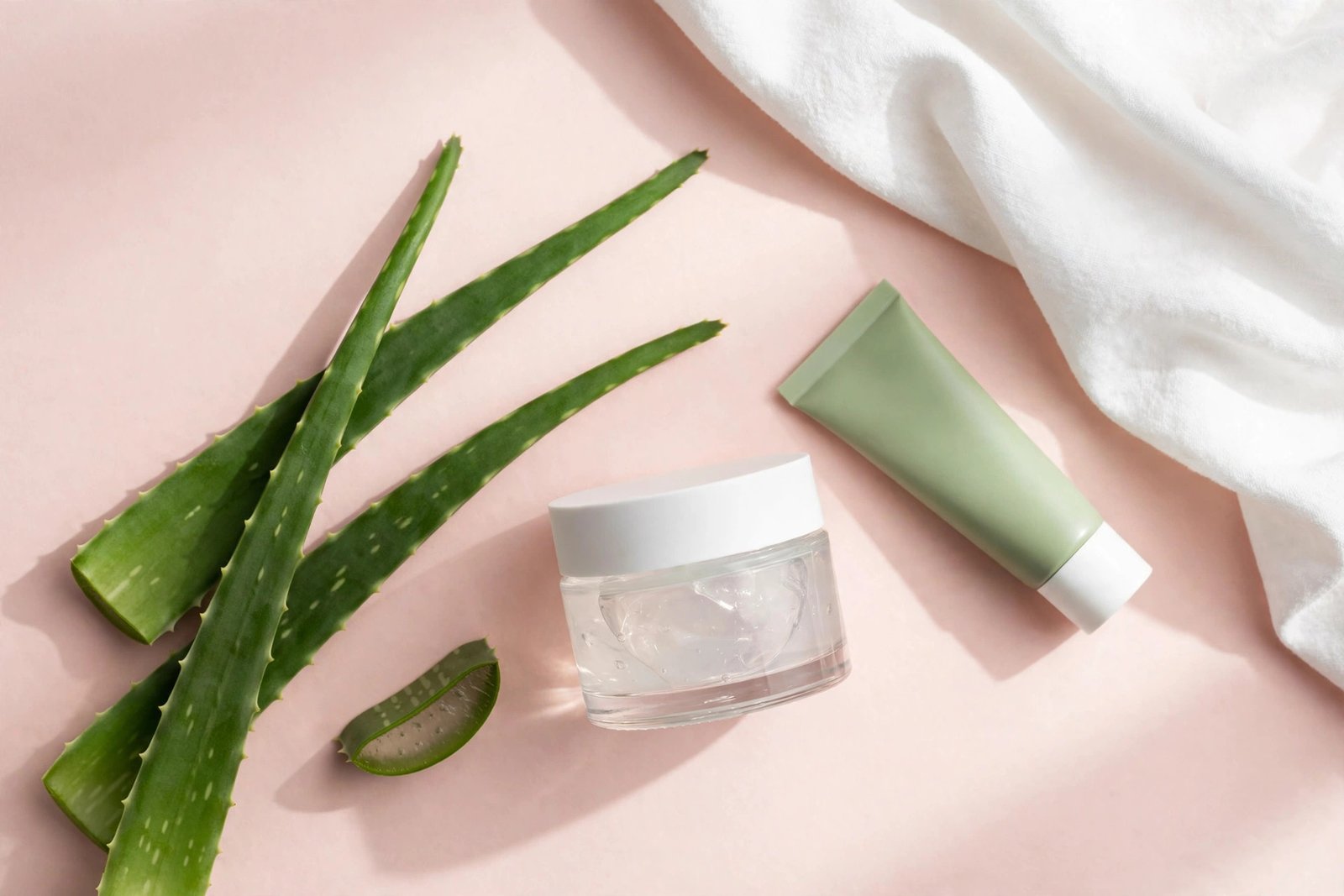
- Aloe vera: Contains anti-inflammatory compounds and provides cooling hydration; best in simple, fragrance-free gels without added alcohol.
- Panthenol (pro-vitamin B5): Supports barrier repair and reduces transepidermal water loss; well tolerated even by very reactive skin.
- Colloidal oatmeal: An FDA-recognized skin protectant with anti-itch and anti-inflammatory effects; excellent in creams and masks for flare-ups.
- Niacinamide (at low concentrations): Anti-inflammatory and barrier-supporting, though during an acute flare, simpler is better — reintroduce it in recovery. Background on the ingredient: [what niacinamide does for skin → what-does-niacinamide-do-for-skin].
- Thermal spring water: Mineral-rich sprays can feel immediately soothing and help skin tolerate the products layered over them.
What to Avoid During a Flare-Up
Treat this as a strict no-fly list until redness fully resolves:
- Hot water, steam, saunas, and intense exercise heat
- Fragrance, essential oils, and “natural” botanical-heavy formulas
- Alcohol-based toners and astringents
- Physical scrubs, cleansing brushes, and rough towels
- Picking, pressing, or repeatedly touching the irritated area
- New products of any kind — this is not the time to experiment
One common mistake: reaching for a “calming” sheet mask loaded with fragrance and twenty botanical extracts. During a flare, ingredient count matters more than marketing claims. Fewer ingredients, no fragrance, proven soothers.
The 72-Hour Recovery Timeline
- Hours 0–6: Cold compress, stripped-back routine, occlusive layer at night. Redness and heat should visibly decrease.
- Day 1–2: Continue cleanser + soother + moisturizer (+ sunscreen by day). Stinging should fade; residual pinkness is normal.
- Day 3: If skin feels normal — no stinging, no heat — you can resume your baseline [sensitive skin routine → sensitive-skin-routine-guide]. Wait a full extra day of calm before reintroducing any single active, one at a time.
DIY Soothing Options: What Helps vs. What’s Risky
When your skin is flaring, the temptation to raid the kitchen is strong. Here is an honest breakdown:
Generally safe: Cool green tea compresses (brewed, cooled, applied on a soft cloth) contain anti-inflammatory polyphenols and are low-risk for most people. Plain cool water compresses are the safest option of all. Thin cucumber slices provide cooling hydration with minimal sensitization risk.
Use with caution: Raw honey has genuine antibacterial and wound-healing research behind it, but it is sticky, hard to remove without rubbing (which irritates flared skin further), and carries a small allergy risk. Oatmeal baths and colloidal oatmeal pastes are well supported — but make them with plain oats and cool water, not hot.
Avoid during flare-ups: Lemon juice, apple cider vinegar, baking soda, and undiluted essential oils are frequently recommended online and are reliably irritating on compromised skin — acidic or alkaline extremes on an already-damaged barrier prolong recovery. “Natural” does not mean gentle, a principle covered in depth in the [fragrance-free routine guide → fragrance-free-skincare-routine-sensitive-skin].
When in doubt, the boring option wins: cool water, a simple moisturizer, and time outperform nearly every DIY intervention.
When to See a Dermatologist
Most irritation flare-ups are self-limiting, but see a professional promptly if you notice: blistering or oozing, swelling (especially around eyes or lips), hives that spread, redness that worsens after 48 hours of the protocol above, or no improvement within a week. These can signal contact dermatitis, an allergic reaction, or an underlying condition like rosacea or eczema that needs proper diagnosis.
Frequently Asked Questions
How fast can redness actually go down?
Surface heat and flushing often improve within 30–60 minutes of cold compress and trigger removal. Deeper redness from barrier disruption typically needs 24–72 hours of consistent gentle care. Anyone promising instant permanent results is selling something.
Can I use ice on irritated skin?
Not directly. Wrap any cold source in cloth and keep it cool, not freezing — 10–15 minutes at a time. Direct ice can cause cold injury on skin whose barrier is already compromised.
Is aloe vera safe for sensitive skin?
Pure, simple aloe vera gel is generally well tolerated and genuinely soothing. The problems come from aloe products bulked up with alcohol, fragrance, and dyes — check the full ingredient list, not just the front label.
Should I moisturize irritated skin or let it “breathe”?
Moisturize. “Letting skin breathe” is a myth — what irritated skin needs is barrier support and reduced water loss. A simple moisturizer plus an occlusive layer heals faster than bare, exposed skin.
Why does my skin flush even without products?
Common non-product triggers include heat, alcohol, spicy food, stress, and rapid temperature changes. If flushing is frequent and product-independent, mention it to a dermatologist — persistent flushing can indicate rosacea, which has specific treatments.
Calm the flare, then prevent the next one: once your skin is settled, the [sensitive skin routine guide → sensitive-skin-routine-guide] and a fully [fragrance-free routine → fragrance-free-skincare-routine-sensitive-skin] are your long-term insurance against repeat episodes.
sensitive skin routine guide
gentle cleansers
fragrance-free routine
vitamin C for sensitive skin
niacinamide benefits
Love this? Pin it for later!