Mineral vs Chemical Sunscreen: Which Is Better?
Walk down any sunscreen aisle and you’ll face the same fork in the road: mineral or chemical? Both types carry SPF ratings, both are considered safe and effective by dermatologists, and both will protect you — but they work differently, feel different on skin, and suit different people. The internet is full of strong opinions (and misinformation) on both sides, so let’s cut through the noise with what actually matters.
The short answer up front: the best sunscreen is the one you’ll wear every single day in the right amount. A mineral SPF 50 that sits unopened in your drawer because of the white cast protects no one. That said, understanding the real differences helps you pick a formula you’ll actually enjoy — which is the whole game. If you’re starting from zero on sun protection, this beginner’s guide to sunscreen basics covers SPF numbers and application first.
Key Takeaways
- Mineral sunscreens use zinc oxide and/or titanium dioxide, which sit on skin and block UV; chemical sunscreens use filters like avobenzone that absorb UV and convert it to heat.
- Both types are regarded as safe and effective by dermatologists; neither is categorically “better” — the right choice depends on your skin type, tone, and preferences.
- Mineral formulas are usually gentler for sensitive and rosacea-prone skin; chemical formulas typically feel lighter and leave no white cast on deeper skin tones.
- Modern chemical filters are photostable and reef-conscious options exist; mineral isn’t automatically “natural” or chemical automatically “toxic.”
- Hybrid formulas combine both filter types to balance cosmetic elegance with gentle protection.
What Is Mineral Sunscreen?
Mineral sunscreen — also called physical sunscreen — uses mineral UV filters: zinc oxide and titanium dioxide. These are finely milled mineral powders suspended in a lotion, cream, or stick base. When applied, they form a protective film on the skin’s surface that reflects and scatters UV radiation away from the skin (research shows they also absorb some UV, but the primary action is at the surface).
Zinc oxide is the broader-spectrum of the two, covering both UVA and UVB well; titanium dioxide covers UVB and part of UVA. You’ll often see them paired for complete coverage. Both filters are classified by the FDA as GRASE — Generally Recognized as Safe and Effective — meaning they have the longest, most established safety record of any sunscreen ingredient.
The feel: Mineral formulas have a reputation for being thicker and chalkier, though modern micronized and tinted versions have improved dramatically. The classic drawback is white cast — a visible whitish or grayish film, most noticeable on medium to deep skin tones. Tinted mineral sunscreens use iron oxides to offset this and can double as light coverage.
The onset myth: You’ve probably heard mineral sunscreen “works instantly” while chemical needs 20 minutes. The evidence for an instant-protection advantage is thin — dermatologists generally advise giving any sunscreen about 15 minutes to form an even film before sun exposure. Don’t skip the wait with either type.
What Is Chemical Sunscreen?
Chemical sunscreen — also called organic sunscreen, referring to carbon-based chemistry, not “organic” farming — uses UV filters such as avobenzone, octocrylene, homosalate, octisalate, and newer filters like bemotrizinol (common in European and Asian formulas). These molecules absorb UV radiation and convert it into a tiny amount of heat that dissipates from the skin.
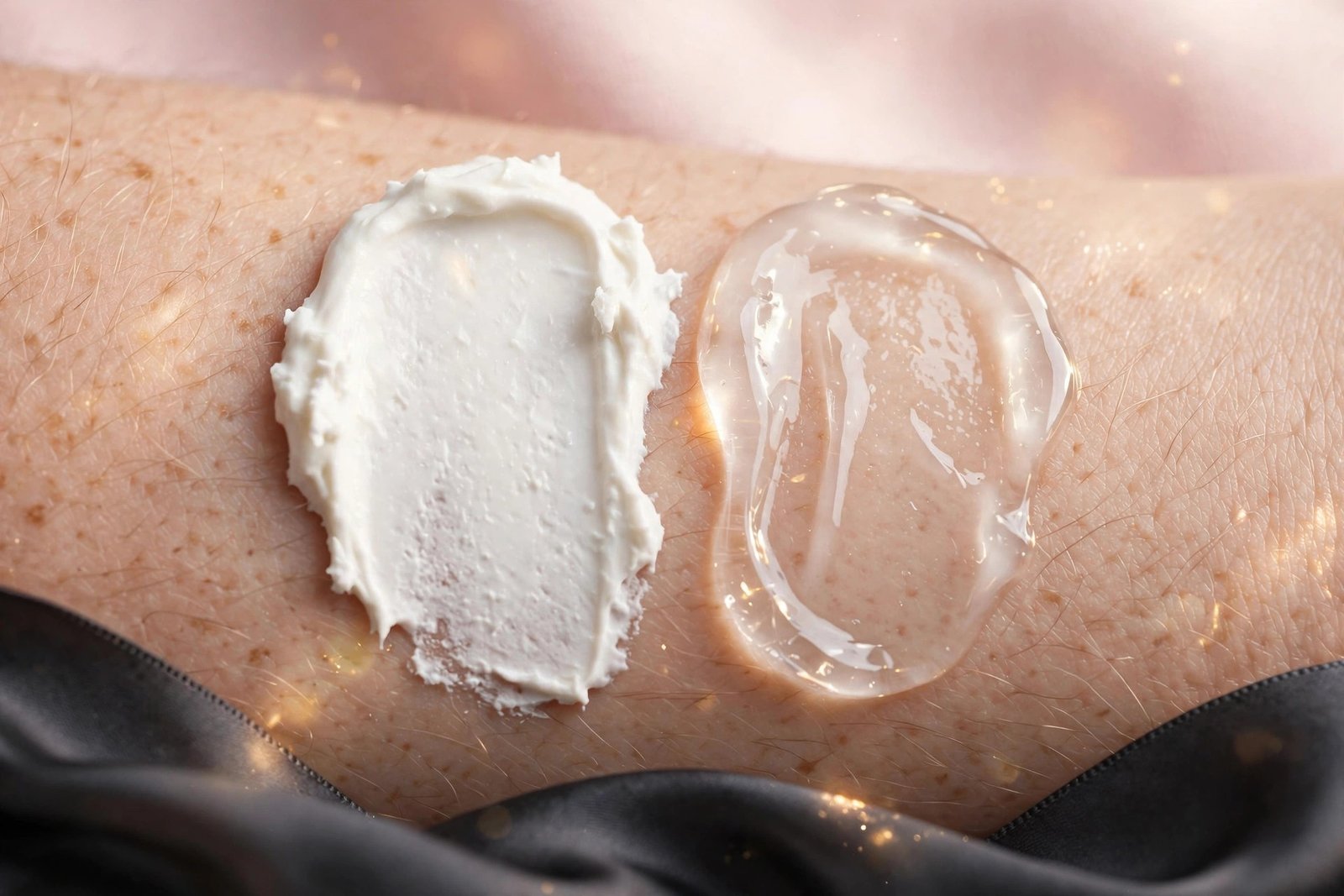
Because the filters dissolve into the formula rather than sitting as particles on top, chemical sunscreens are typically lighter, sheerer, and more cosmetically elegant — closer to a moisturizer or serum in feel. This is why they’re the default in most “invisible” SPF products, gel sunscreens, and formulas marketed for deeper skin tones.
Safety context: In 2019 and 2020, FDA studies found that some chemical filters are absorbed into the bloodstream at levels above the threshold that triggers safety review. That sounds alarming out of context, but absorption alone doesn’t equal harm — the FDA called for more safety data, not for people to stop using sunscreen. Dermatology associations worldwide continue to recommend chemical sunscreens, noting that the known, proven harms of UV exposure far outweigh theoretical concerns about filters. If the topic worries you, mineral formulas offer a well-studied alternative.
Eye sting: Chemical filters — avobenzone and octocrylene especially — are the usual culprits behind sunscreen-induced eye stinging and watering. If your eyes water every time you apply SPF near them, a mineral formula (or a mineral stick just for the eye area) usually solves it.
Mineral vs Chemical: Head-to-Head Comparison
| Factor | Mineral | Chemical |
|---|---|---|
| How it works | Sits on skin; reflects/scatters UV | Absorbs UV; converts to heat |
| Key ingredients | Zinc oxide, titanium dioxide | Avobenzone, octinoxate, homosalate, octisalate |
| White cast | Common, especially on deeper tones (tinted versions help) | Rare — usually invisible |
| Texture | Thicker, can feel chalky | Lightweight, serum-like |
| Sensitive skin | Usually better tolerated; go-to for rosacea and eczema-prone skin | Some filters can irritate very reactive skin |
| Eye sting | Minimal | Common with some filters |
| Photostability | Inherently stable | Modern formulas stabilized; avobenzone needs stabilizers |
| Water resistance | Good in many formulas | Good in many formulas |
| Reef safety | Marketed as reef-safe (oxybenzone-free debate is nuanced — see below) | Oxybenzone and octinoxate restricted in Hawaii and some regions |
| Under makeup | Can pill if too thick; tinted versions layer well | Layers smoothly under makeup |
| FDA status | GRASE (established safe & effective) | More safety data requested; still recommended by dermatologists |
Which Should You Choose? Match It to Your Skin
Sensitive, rosacea-prone, or eczema-prone skin → lean mineral. Zinc oxide is anti-inflammatory-adjacent in behavior and far less likely to sting or trigger reactivity. It’s the default recommendation dermatologists reach for when skin is compromised.
Oily or acne-prone skin → either, prioritize texture. Look for oil-free, non-comedogenic formulas in whichever type you prefer. Many people with oily skin prefer chemical gels or fluid mineral formulas — texture matters more than filter type here. For tailored picks, see this guide to sunscreen for combination skin.
Medium to deep skin tones → lean chemical or tinted mineral. White cast is the legitimate dealbreaker with untinted mineral formulas on deeper skin. Modern chemical sunscreens and well-shaded tinted minerals (with iron oxides matched to deeper tones) both work beautifully. Iron oxides in tinted formulas have a bonus: they also help block visible light, which contributes to melasma and dark spots.
Melasma or stubborn dark spots → consider tinted mineral. Visible light (not just UV) worsens melasma, and iron oxides in tinted sunscreens are one of the few topical defenses against it. This is one of the strongest evidence-based cases for choosing a tinted mineral formula.
Kids and pregnancy → lean mineral. Not because chemical is proven harmful, but because mineral filters have the longest safety record and the least systemic absorption — a reasonable tiebreaker when choosing for little ones or during pregnancy. (As always, check with your own doctor for personal medical decisions.)
Outdoor athletes and swimmers → whichever is water-resistant and you’ll reapply. Performance beats philosophy here. A water-resistant chemical sport formula you actually reapply every 80 minutes beats a mineral one you skip because it stings your sweaty eyes.
Men often prioritize invisible, non-greasy formulas — if that’s the brief, this roundup of sunscreens for men with no white cast focuses on exactly that.
Can You Mix Mineral and Chemical Sunscreens?
You can layer them, and many excellent hybrid sunscreens already combine both filter types in one bottle — mineral for stable baseline protection plus chemical filters for cosmetic elegance. Hybrids are increasingly popular because they split the difference: less white cast than pure mineral, gentler than some pure chemical formulas.
One caution about DIY layering: applying a mineral sunscreen over a chemical one (or vice versa) is fine in principle, but layering two full applications can cause pilling and uneven coverage. If you want both, buy a formulated hybrid rather than stacking two separate products. And never mix them in your palm hoping to “dilute” a white cast — you’ll just dilute the protection unpredictably.
Myths Worth Retiring
“Mineral is natural, chemical is toxic.” Zinc oxide is processed in a lab too, and “chemical” describes carbon-based molecules — everything is chemicals. Judge formulas by evidence and your skin’s response, not by marketing vocabulary.
“Chemical sunscreen causes cancer / disrupts hormones.” These claims extrapolate from lab studies at exposures far beyond real-world sunscreen use. Major dermatology and cancer organizations continue to recommend sunscreen of any type because UV radiation is a proven, potent carcinogen and sunscreen is a proven defense.
“Mineral sunscreen is automatically reef-safe.” The reef conversation is more nuanced than marketing suggests. Hawaii’s ban targets oxybenzone and octinoxate specifically, and some “reef-safe” labels are unregulated marketing. If reef impact matters to you, the most meaningful steps are using less sunscreen overall by wearing UPF clothing and seeking shade — plus choosing oxybenzone-free formulas when you do apply.
“You don’t need to reapply mineral sunscreen.” Both types need reapplication every two hours of sun exposure. Mineral filters don’t “last longer” — they rub off, migrate, and get touched away just like chemical ones. For reapplication that doesn’t disturb makeup, see how to reapply SPF over makeup.
Frequently Asked Questions
Is mineral sunscreen actually safer than chemical?
Mineral filters have the longest-established safety record (FDA GRASE status) and minimal systemic absorption, which makes them the conservative choice. But “safer” in a practical sense is debatable — dermatologists emphasize that any sunscreen is vastly safer than unprotected UV exposure. Choose based on your skin’s needs and what you’ll wear consistently.
Why does mineral sunscreen leave a white cast?
Zinc oxide and titanium dioxide are white mineral particles that sit on the skin’s surface. On fair skin the cast is subtle; on deeper tones it can look gray or ashy. Micronized particles, tinted formulas with iron oxides, and sheer-fluid textures all reduce it significantly compared to older formulas.
Can chemical sunscreen cause breakouts?
Any sunscreen can break out acne-prone skin if the base formula is heavy or comedogenic — it’s usually the vehicle, not the UV filter, causing issues. Look for oil-free, non-comedogenic labeling and gel or fluid textures rather than blaming the filter type.
Do I need to wait 20 minutes after applying chemical sunscreen?
The traditional advice is to apply chemical sunscreen about 15–20 minutes before sun exposure so it can form an even, dry film. Modern guidance treats this as good practice for all sunscreens, mineral included. Build it into your routine — apply SPF first, then get dressed and ready.
Are hybrid sunscreens as protective as pure formulas?
Yes — hybrids are tested to the same SPF standards as any other sunscreen. The SPF number on the label reflects actual tested protection regardless of which filter types achieve it. A hybrid SPF 50 protects like any SPF 50 when applied in the proper amount.
Which type is better under makeup?
Chemical sunscreens generally layer more smoothly under foundation because of their lighter texture. That said, many tinted mineral formulas double as a primer-like base and work beautifully under makeup. Avoid very thick mineral pastes directly under liquid foundation, which can pill.
The Bottom Line
Mineral vs chemical isn’t a battle with a winner — it’s a wardrobe choice. Sensitive or reactive skin often does best with mineral; deeper skin tones and makeup wearers often prefer chemical or tinted mineral; hybrid formulas split the difference for everyone else. The hierarchy that actually matters: (1) wear sunscreen daily, (2) apply enough of it, (3) reapply. Get those three right with either type and you’re ahead of the vast majority of people.
Still deciding on your everyday formula? The sunscreen guide for beginners walks through SPF numbers, how much to apply, and building a routine around whichever type you choose.
Love this? Pin it for later!