How to Prevent Acne Scars and Dark Marks (Dermatologist Tips)
Here’s the truth most people learn too late: the breakout itself isn’t the real problem — it’s the mark it leaves behind. That dark spot can linger for months after the pimple is long gone, and true scars can stay for years. The good news? Most post-acne marks are preventable with the right habits, and prevention is always easier (and cheaper) than treatment. This guide covers the dermatologist-backed strategies for stopping acne from turning into lasting scars and dark marks — and if marks are already there, our complete guide to getting rid of dark spots on your face covers how to fade them.
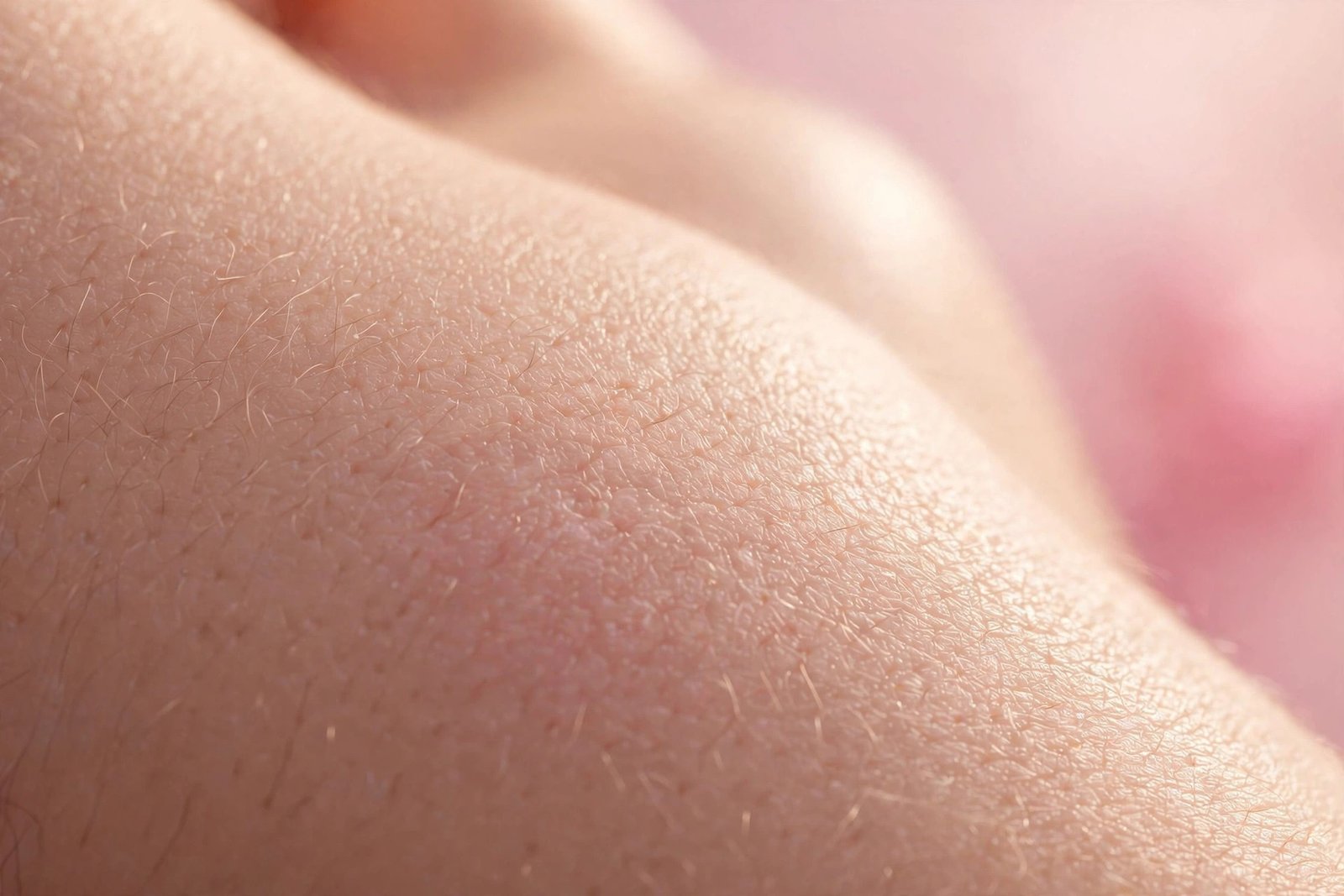
Why Acne Leaves Marks Behind
To prevent something, it helps to understand how it forms. When a pimple develops, your immune system sends inflammatory cells to fight the bacteria trapped in the pore. That inflammation damages the surrounding tissue — and your skin responds to the damage by producing extra melanin, the pigment that gives skin its color, as part of the healing process. The result is post-inflammatory hyperpigmentation (PIH): flat dark marks in brown, red, or purple tones.
Two factors determine how visible the mark will be:
- How deep and intense the inflammation is. A small whitehead near the surface causes minimal inflammation and usually leaves no trace. A deep, painful cyst damages more tissue, triggering a stronger melanin response — and sometimes destroying collagen, which creates a true scar (a pit or raised bump rather than just discoloration).
- Your skin’s natural melanin activity. Anyone can get post-acne marks, but they tend to be darker and longer-lasting in medium to deep skin tones, where melanocytes are more reactive to inflammation.
This is why prevention centers on one principle: reduce inflammation and protect the healing skin. Every tip below works because it does one of those two things.
Rule #1: Don’t Pick, Squeeze, or Pop
This is the single most repeated advice from dermatologists — and the one most people ignore. Picking at a pimple tears the already-inflamed follicle wall, pushing bacteria and debris deeper into the skin. The immediate damage is worse than the original breakout, and the healing process has to start over from a bigger wound.
What picking actually does:
- Increases inflammation, which directly increases melanin production and the darkness of the resulting mark.
- Risks infection, turning a contained clogged pore into an open wound that heals slower.
- Can convert a minor blemish into a true scar. Rupturing the follicle wall deeply enough damages collagen, creating the kind of depressed or raised scar that topical products can’t fix.
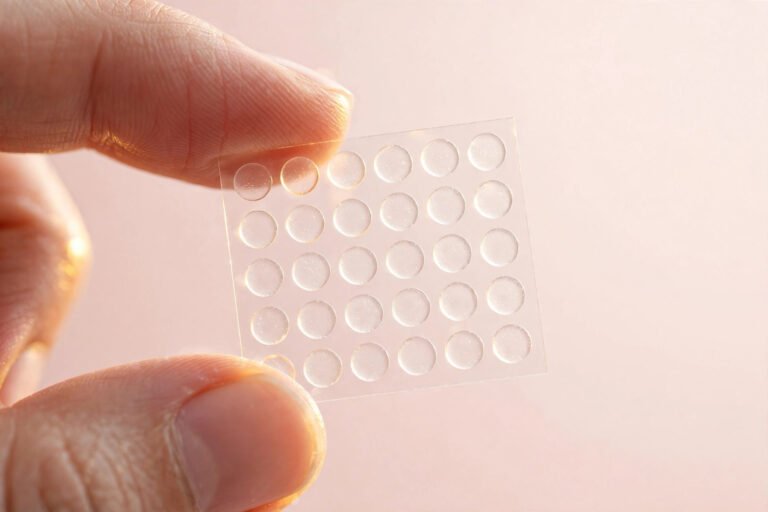
If you absolutely can’t leave it alone, hydrocolloid pimple patches are the dermatologist-endorsed alternative — they protect the spot from your fingers, absorb fluid, and keep the healing environment moist, which reduces scabbing and marking.
Treat Acne Early and Consistently
The breakout you never get can’t leave a mark. Dermatologists consistently say that the most effective “scar prevention” is simply keeping acne under control — mild, well-managed acne leaves far fewer marks than severe, untreated breakouts.
That doesn’t mean you need a complicated routine. It means:
- Use proven acne-fighting ingredients regularly, not just when a breakout appears. Salicylic acid (a BHA that clears pores) and benzoyl peroxide (an antibacterial) are the two most evidence-backed over-the-counter options. If you’re deciding between the main exfoliating acids, this comparison of salicylic acid vs glycolic acid for acne breaks down which suits your skin type.
- Be consistent for at least 8–12 weeks. Acne treatments work on the skin’s renewal cycle, and most people quit right before they’d see results — which leads to more breakouts and more marks.
- Don’t over-treat. Aggressive scrubbing, layering too many actives, or using high-strength products daily can irritate skin and cause the inflammation you’re trying to avoid. More isn’t better; consistent and gentle wins.
- See a dermatologist for persistent or cystic acne. If breakouts are deep, painful, numerous, or not responding to over-the-counter products after a few months, prescription options (topical retinoids, hormonal treatments, oral medications) exist precisely to stop the kind of inflammation that scars. Getting professional help early is prevention, not failure.
Wear Sunscreen Every Single Day
If there’s one prevention step people skip, it’s this one — and it’s arguably the most important for dark marks. UV exposure is one of the strongest triggers for melanin production. A healing acne mark exposed to sunlight gets darker, stays darker longer, and becomes harder to fade. Dermatologists describe sunscreen as non-negotiable for anyone dealing with post-inflammatory marks.
What to do:
- Use a broad-spectrum SPF 30 or higher every morning, even on cloudy days and even indoors if you sit near windows.
- Reapply every two hours when you’re actually in the sun. A single morning application isn’t full-day protection.
- Don’t let “acne-prone” stop you. Modern lightweight, gel, and mineral formulas work for oily and breakout-prone skin without clogging pores.
- Think of sunscreen as a mark-prevention product, not just an anti-aging product. For dark spots, it’s the foundation everything else builds on — no brightening ingredient can outwork daily UV damage.
Use Ingredients That Prevent Marks From Forming
Beyond treating active acne and wearing sunscreen, certain ingredients help calm inflammation and regulate melanin production during the healing process — reducing the chance that a breakout leaves a visible mark.
Niacinamide (vitamin B3): A well-studied multi-tasker that reduces inflammation and slows the transfer of melanin to skin cells. A 4–5% concentration in a serum or moisturizer is a gentle daily option for most skin types, and it pairs well with almost everything else in a routine.
Azelaic acid: One of the most underrated ingredients in skincare. It’s anti-inflammatory, antibacterial, and directly inhibits tyrosinase — the enzyme that drives melanin production. Available over the counter at 10% or by prescription at 15–20%, it’s particularly good for acne-prone skin that also marks easily, and it’s generally well tolerated by sensitive skin.
How to add them: You don’t need both at once. Pick one, use it consistently in your morning or evening routine for several weeks, and let it work alongside your acne treatment and sunscreen. Prevention is a long game — these ingredients reduce the odds of marking over time, not overnight.
What to Do When You Feel a Breakout Coming
That tender, under-the-skin bump is your early-warning system. What you do in the next 24–48 hours determines whether it becomes a mark-free blip or a months-long dark spot:
- Hands off. Don’t press it, don’t “test” it, don’t try to bring it to a head. Every touch adds inflammation.
- Apply your spot treatment. Whatever you normally use for active breakouts — benzoyl peroxide, salicylic acid, or sulfur — apply it to the emerging spot. Early treatment can stop a pimple from fully developing.
- Ice it. A cold compress or ice wrapped in cloth for a few minutes can reduce swelling and inflammation in the early stage. Less inflammation now means less pigment later.
- Cover it. A hydrocolloid patch overnight protects the spot, keeps it moist, and prevents the unconscious picking that turns small bumps into big problems.
- Double down on sunscreen the next morning. If a mark does form, UV protection from day one keeps it from darkening — which is exactly how you keep a two-week mark from becoming a three-month one.
When Marks Need Professional Help
Prevention has limits, and some marks warrant a dermatologist’s input:
- Marks that keep darkening or spreading despite consistent sunscreen and treatment.
- True scars — pitted (atrophic) or raised (hypertrophic) scars that change the skin’s texture. These involve collagen damage and typically need in-office treatments like microneedling, chemical peels, or laser therapy.
- Severe, persistent acne that keeps producing new marks faster than old ones fade. A dermatologist can prescribe stronger treatments to break the cycle.
- Any spot that looks unusual — changes shape, bleeds, or doesn’t resemble your typical post-acne marks. When in doubt, get it checked.
For marks that are already established and just need fading, the approach is different from prevention — and it’s covered in detail in our complete guide to getting rid of dark spots on the face, including ingredient options, realistic expectations, and how long dark spots typically take to fade.
Frequently Asked Questions
Can you completely prevent acne scars?
You can dramatically reduce the risk, but no one can guarantee zero marks — some deep or cystic breakouts will leave traces no matter what. The goal is to minimize both the number and severity of marks: don’t pick, treat acne consistently, wear sunscreen daily, and calm inflammation early. Most people who follow these habits see far fewer lasting marks over time.
Do dark marks from acne go away on their own?
Post-inflammatory hyperpigmentation often fades on its own, but it can take months — and without sunscreen, UV exposure can keep marks dark indefinitely. Active fading with brightening ingredients and strict sun protection shortens the timeline significantly compared to doing nothing.
Does popping a pimple always cause a scar?
Not always — a superficial whitehead that’s ready may heal fine. But popping increases the risk of inflammation, infection, deeper tissue damage, and darker marks every single time. Since you can’t predict which pop will go badly, dermatologists advise against it as a blanket rule.
Is sunscreen really necessary if I have darker skin?
Yes — this is one of the most persistent myths in skincare. Melanin provides some natural UV protection, but not enough to prevent post-inflammatory marks from darkening. In fact, because melanocytes in deeper skin tones are more reactive to inflammation, sunscreen is arguably more important for preventing lasting dark marks.
Which is better for preventing marks: niacinamide or azelaic acid?
Both are well supported. Niacinamide is gentler, easier to layer with other products, and offers bonus benefits for pores and oil control. Azelaic acid is stronger on the pigment-inhibition side and also treats active acne. If your skin tolerates it, azelaic acid is the more targeted choice for mark prevention; if your skin is sensitive or you want a simpler routine, niacinamide is the safer starting point.
Key Takeaways
- Acne marks form when inflammation triggers excess melanin production during healing — so every prevention strategy targets inflammation and protects healing skin.
- Never pick, squeeze, or pop breakouts: it deepens inflammation, risks infection, and can turn a minor blemish into a permanent scar. Use hydrocolloid patches instead.
- Treat acne early and consistently — the breakout you prevent can’t leave a mark. See a dermatologist if over-the-counter options aren’t controlling it.
- Daily broad-spectrum SPF 30+ is the single most impactful habit for preventing dark marks, since UV exposure darkens healing spots and makes them last longer.
- Niacinamide and azelaic acid help regulate melanin production and calm inflammation, reducing the odds that breakouts leave visible marks.
- When you feel a breakout coming, act fast: hands off, spot-treat early, ice it, cover it, and protect it from the sun.
- True scars (pitted or raised) and severe persistent acne need professional treatment — prevention has limits, and that’s what dermatologists are for.
Love this? Pin it for later!