How to Prevent Fine Lines in Your 30s: The Dermatologist-Backed Playbook
Somewhere in your early 30s, it happens: you catch your reflection in harsh overhead lighting and notice a faint line at the corner of your eye that doesn’t disappear when you stop smiling. Or your forehead shows a ghost of an expression line hours after you’ve relaxed it. This is the decade when the first fine lines typically arrive — and it’s also the decade when prevention works best.
Here’s why your 30s matter so much. Collagen production has been declining about 1% per year since your mid-20s, and by your 30s that cumulative loss starts becoming visible. But the structure is still largely intact — which means protective habits now preserve far more than corrective treatments can rebuild later. Dermatologists consistently describe the 30s as the highest-leverage decade in all of anti-aging skincare.
This guide covers the complete prevention playbook: the non-negotiable daily habits, the actives worth your money, the lifestyle factors that genuinely move the needle, and the mistakes that quietly accelerate lining. It’s part of the site’s anti-aging series — the foundation routine is in the [anti-aging skincare routine for beginners → anti-aging-skincare-for-beginners], the science behind each ingredient is in [best anti-aging ingredients for beginners → best-anti-aging-ingredients-for-beginners], and timing guidance by age is in [when to start anti-aging skincare → when-should-you-start-anti-aging-skincare].
Key Takeaways
- Your 30s are the highest-leverage decade for prevention: collagen is declining but the structure is still largely intact.
- Daily sunscreen is the single most impactful habit — up to 80% of visible aging is UV-driven.
- A nightly retinoid, worked up to regular use, is the most evidence-backed active for keeping lines at bay.
- Sleep quality directly affects skin recovery; chronic poor sleep shows up as lines and dullness.
- Repetitive facial expressions, squinting, and side-sleeping all etch lines faster — small habit changes compound.
- You don’t need expensive treatments in your 30s; consistency with proven basics outperforms aggressive intervention.
Why Fine Lines Show Up in Your 30s
Fine lines in your 30s come from three converging factors. First, collagen and elastin decline: the proteins that keep skin firm and springy are being produced more slowly while UV and pollution break existing stores down faster. Second, slower cell turnover: in your 20s, skin renewed itself roughly every 28 days; in your 30s, that cycle lengthens, so dullness and uneven texture appear. Third, repeated movement: a decade-plus of smiling, squinting, frowning, and raising eyebrows has been folding the same areas of skin thousands of times. Eventually, those folds stop bouncing back completely.
The lines that appear first are almost always dynamic lines — visible with expression — around the eyes (crow’s feet from smiling and squinting), across the forehead, and between the brows. With time and continued collagen loss, dynamic lines become static lines, visible even when your face is relaxed. Prevention in your 30s is largely about delaying that transition for as long as possible.
Genetics play a real role — if your parents lined early, you’re more likely to as well — but habits dominate the timeline. Studies of identical twins show the twin with more sun exposure and smoking looks measurably older. You can’t change your genes; you can change nearly everything else.
The Non-Negotiables: 4 Habits That Matter Most
1. Daily Sunscreen (The 80% Rule)
If you take one thing from this article: wear broad-spectrum SPF 30+ every day. Dermatology research consistently attributes the majority of premature visible aging — fine lines, wrinkles, dark spots, sagging — to UV exposure rather than chronological aging. Every unprotected commute, every “just running errands” afternoon, every cloudy day adds up. UV penetrates clouds and windows; the damage is cumulative and silent until it isn’t.
Make it automatic: keep sunscreen next to your toothbrush, choose a formula you genuinely like wearing, and reapply when you’ll be outdoors for extended periods. Oily or breakout-prone? The [sunscreen guide → best-sunscreens-oily-acne-prone-skin-no-white-cast] covers lightweight, no-white-cast options that make daily wear effortless.
2. A Nightly Retinoid
Retinoids are the most studied anti-aging ingredient in dermatology, and your 30s are when they earn their keep. By increasing cell turnover and stimulating new collagen production, they directly counter the two main drivers of 30s lining. Clinical trials show measurable wrinkle-prevention and softening effects with consistent use over 6–12 months.
Your 30s protocol: an over-the-counter retinol or retinal, starting 2–3 nights per week and building toward nightly (or near-nightly) as tolerance allows. Pea-sized amount, moisturizer after. If you’ve never used one, the beginner protocol in [when to start using retinol → when-should-you-start-using-retinol] walks through the adjustment period week by week.
3. Antioxidant Protection in the Morning
While sunscreen blocks UV, antioxidants neutralize the free radicals that slip through — from UV, pollution, and blue light. A vitamin C serum each morning under your SPF is the classic pairing, shown in studies to enhance overall photoprotection beyond sunscreen alone. It also addresses the dullness and uneven tone that make early lines more noticeable. Application and layering details: [how to use vitamin C serum → how-to-use-vitamin-c-serum].
4. Sleep Like It’s Skincare (Because It Is)
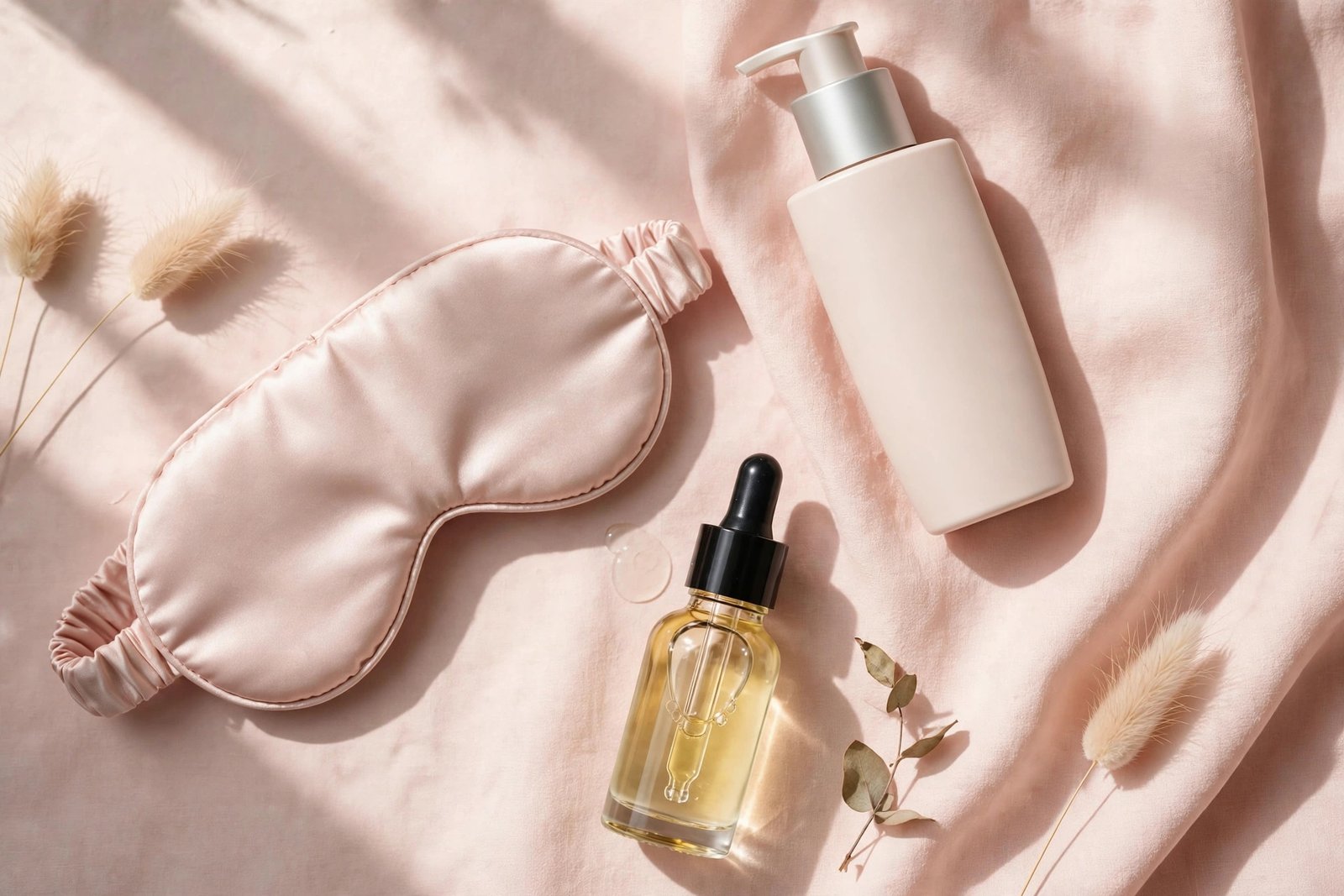
This isn’t wellness fluff. During deep sleep, skin’s barrier recovery and cell repair peak — growth hormone release, which supports tissue repair including skin, happens primarily during slow-wave sleep. Chronic sleep deprivation is associated with increased signs of intrinsic aging, diminished barrier function, and a measurably less attractive appearance in clinical assessments. Aim for 7–9 hours; keep your sleep schedule consistent; and consider a silk or satin pillowcase — cotton creates friction that etches “sleep lines” into side-sleepers’ faces night after night.
Target the First Lines: Eyes, Forehead, Mouth
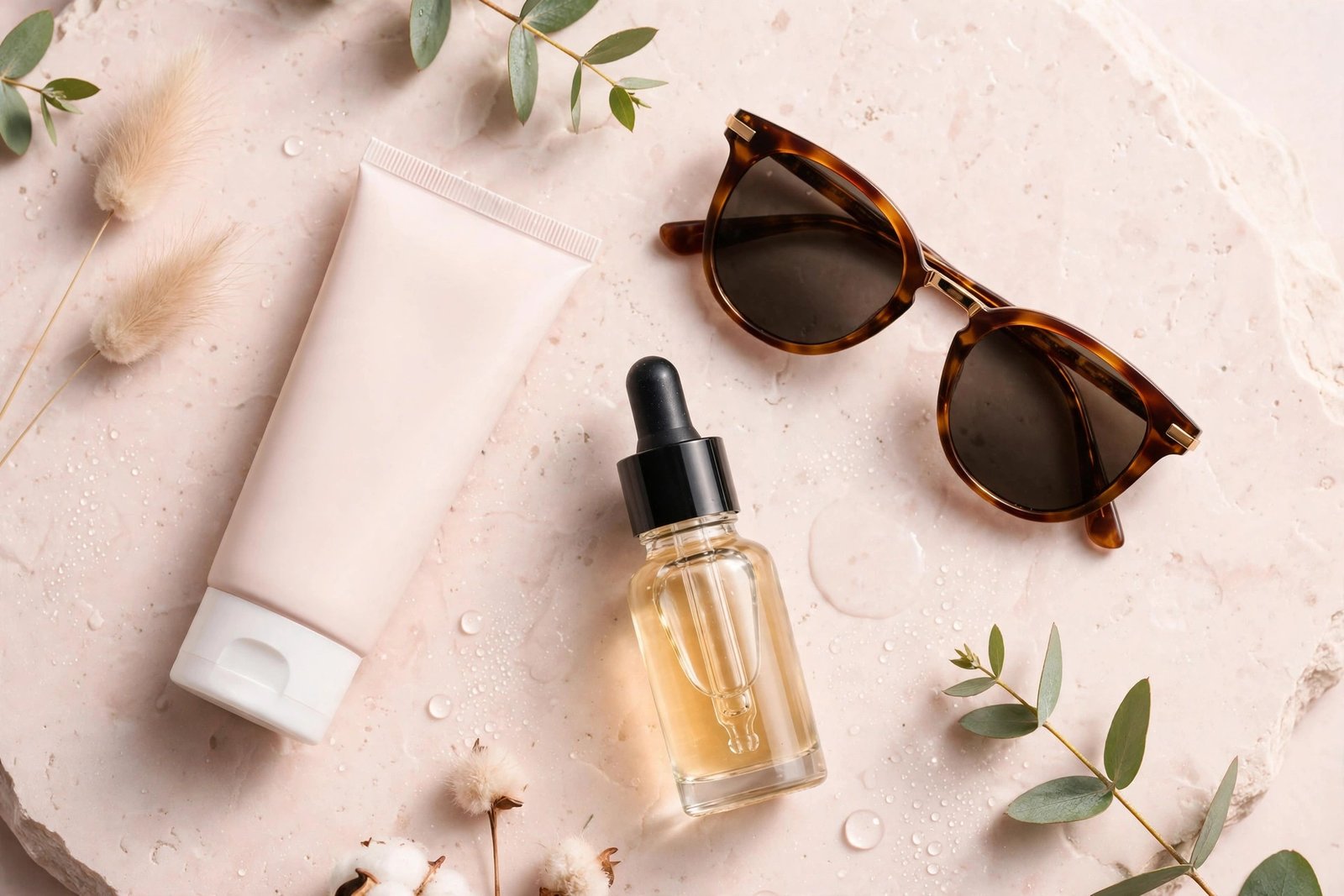
Crow’s feet (eyes): The thinnest skin on your face lives around the eyes, so this is where lines appear first. Sunglasses outdoors do double duty — UV protection plus preventing the squinting that deepens these lines. For topical care, your regular moisturizer is fine for most of your 30s; if lines are already visible, a dedicated formula helps — see the [beginner’s eye cream guide → best-eye-cream-for-fine-lines-beginners].
Forehead lines: Driven by expression (raising brows) plus UV. Sunscreen and retinoid cover most of it. Being conscious of unconscious brow-raising — while working at a screen, for instance — helps more than people expect.
Smile lines / nasolabial folds: Partly structural (fat pad shifts with age) and partly expressive. Topical prevention helps with the surface component; significant deepening is better discussed with a dermatologist than chased with ever-stronger creams.
Neck and chest: The most-forgotten zones. Extend your sunscreen, vitamin C, and retinoid down past your jawline every day. The neck and décolletage often age a full decade ahead of the face simply because they’re unprotected.
Lifestyle Factors That Quietly Accelerate (or Slow) Lining
- Smoking: constricts blood vessels feeding the skin and directly breaks down collagen. Among modifiable factors, it’s second only to UV in aging impact. Quitting shows measurable skin benefits within months.
- Sugar-heavy diets: excess sugar drives glycation, a process where sugar molecules bind to collagen and elastin, making them stiff and brittle. You don’t need to eliminate sugar — but chronically high intake shows in skin over time.
- Alcohol: dehydrates, disrupts sleep architecture, and dilates blood vessels (worsening redness). Moderation is the realistic advice.
- Chronic stress: elevates cortisol, which is associated with collagen breakdown and impaired barrier function. Stress management isn’t just mental health — it’s skin health.
- Facial massage and gua sha: pleasant and good for de-puffing, but be honest about the claims — no facial tool rebuilds collagen. Enjoy them for relaxation and lymphatic drainage, not as line prevention.
None of these require perfection. The pattern across all of them: small, sustained improvements compound over a decade. That’s the entire philosophy of 30s prevention.
What NOT to Do in Your 30s
- Don’t chase aggressive treatments out of panic. Your 30s don’t require lasers, deep peels, or injectables as a default. A consistent topical routine handles prevention; save stronger interventions for actual concerns, discussed with a dermatologist.
- Don’t layer every active at once. Retinoid + strong AHA + vitamin C + exfoliating toner in one routine is how beginners destroy their barrier. One new active at a time, 1–2 weeks apart.
- Don’t skip moisturizer because you’re oily. Dehydrated skin shows lines more prominently. Oily skin still needs lightweight hydration — it actually supports barrier function and retinoid tolerance.
- Don’t tan “for a base.” There is no safe tan. A base tan provides roughly SPF 3 worth of protection while delivering the UV damage you’re trying to prevent. Self-tanner gives the glow without the cost.
- Don’t compare your 32 to someone’s filtered 32. Social media has warped expectations of what unedited skin looks like at every age. Fine lines at rest in your mid-30s are normal; the goal is healthy, well-cared-for skin, not poreless perfection.
Frequently Asked Questions
I’m 35 and just noticing lines. Am I too late for prevention?
Not at all. “Prevention” at 35 means slowing and softening what’s starting — and retinoids plus sunscreen do exactly that. The routine is the same as at 30; you may simply notice improvements faster because there’s visible change to work on.
Do I need Botox in my 30s to prevent wrinkles?
That’s a personal medical decision, not a skincare requirement. Topical prevention (sunscreen, retinoids, antioxidants) is the evidence-based foundation; injectables are an optional addition some people choose. No cream replaces them and they don’t replace a good routine either — dermatologists recommend the topicals regardless.
Will drinking more water prevent fine lines?
Hydration supports overall skin function, but drinking excess water doesn’t plump away lines — skin hydration comes primarily from barrier function and humectants applied topically, not from water intake beyond normal needs. Drink water for your health; moisturize for your lines.
Are silk pillowcases actually worth it?
For side sleepers, yes — reasonably so. They reduce friction compared to cotton, which means fewer sleep-creases pressed into your face for eight hours nightly. It’s a small factor, but it’s an every-night factor, and those compound.
Your 30s reward the boring virtues: sunscreen every morning, a retinoid most nights, enough sleep, and the patience to let proven ingredients work. Build the foundation with the [beginner’s anti-aging routine → anti-aging-skincare-for-beginners], understand your tools with the [ingredient guide → best-anti-aging-ingredients-for-beginners], and check the [timing guide → when-should-you-start-anti-aging-skincare] if you’re wondering how the playbook shifts in your 40s.
anti-aging skincare routine for beginners
best anti-aging ingredients for beginners
when should you start anti-aging skincare
beginner eye cream guide
when to start using retinol
Love this? Pin it for later!