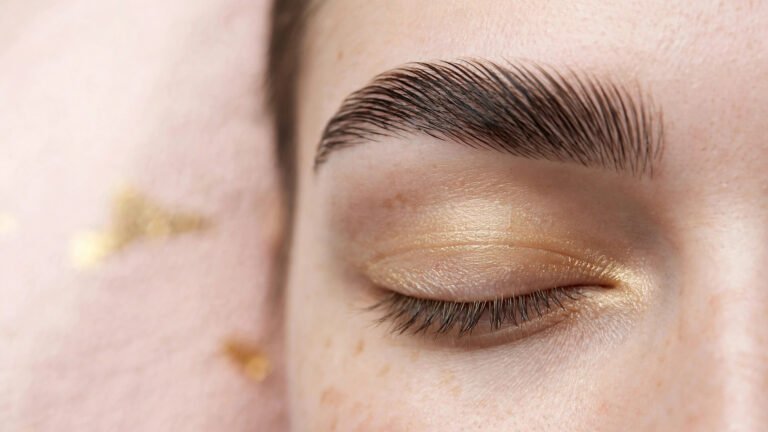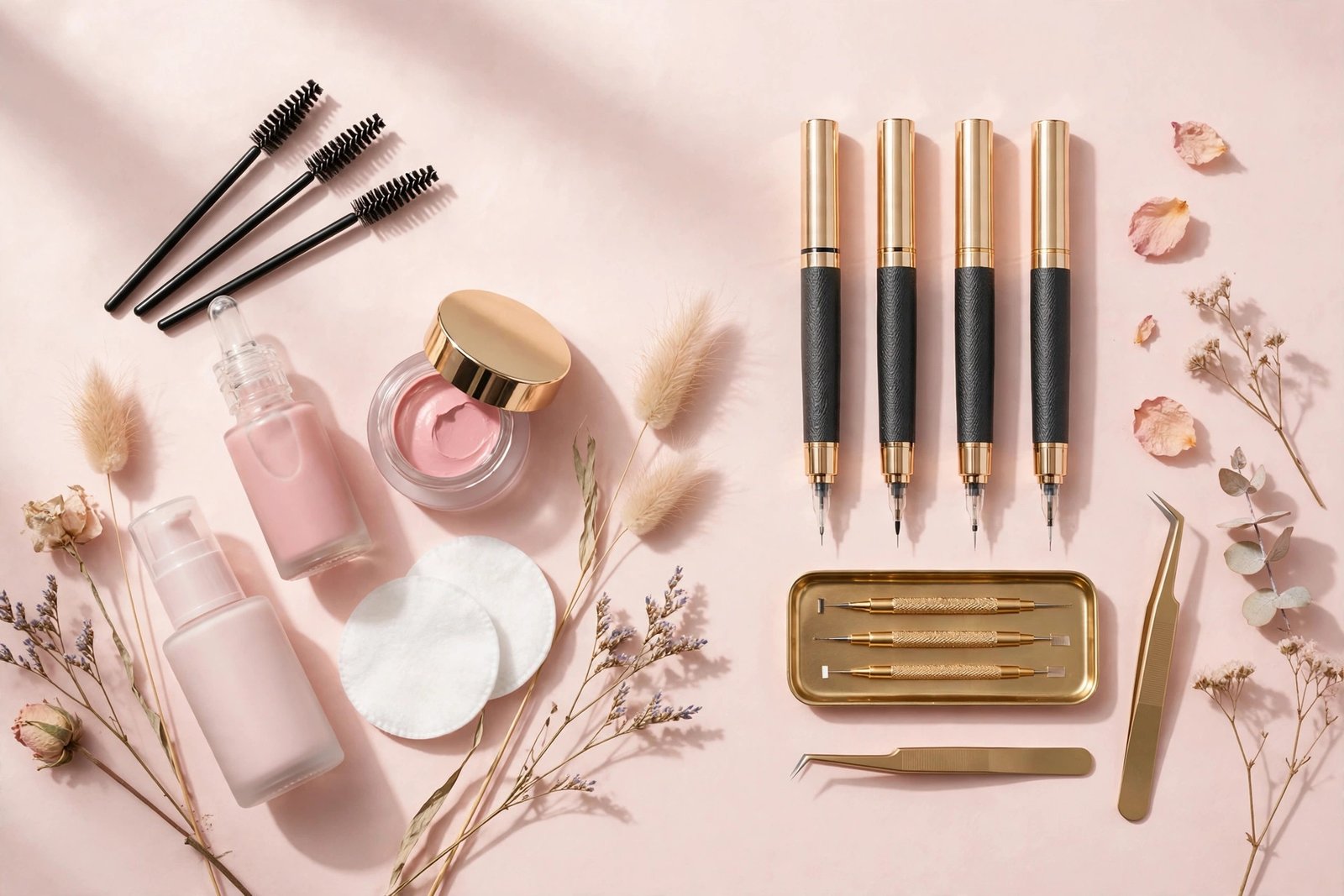
Brow Lamination vs Microblading: Cost, Pain, Longevity & Which Is Right for You
If you are dreaming of fuller, more defined brows without daily makeup, you have probably narrowed it down to two popular treatments: brow lamination and microblading. Both promise beautiful brows, but they work in completely different ways, cost very different amounts, and ask for very different levels of commitment. Choosing the wrong one for your lifestyle is an expensive mistake — especially since one of them is semi-permanent.
In this guide, we compare brow lamination vs microblading across everything that matters: what each treatment actually does, cost, pain level, how long results last, maintenance, risks, and who each one suits best. We will also answer the big question — can you combine them? — so you can decide with confidence.
If you are leaning toward lamination after reading, our step-by-step brow lamination guide covers the full at-home process, and our best at-home brow lamination kits will help you pick the right supplies.
What Each Treatment Actually Does
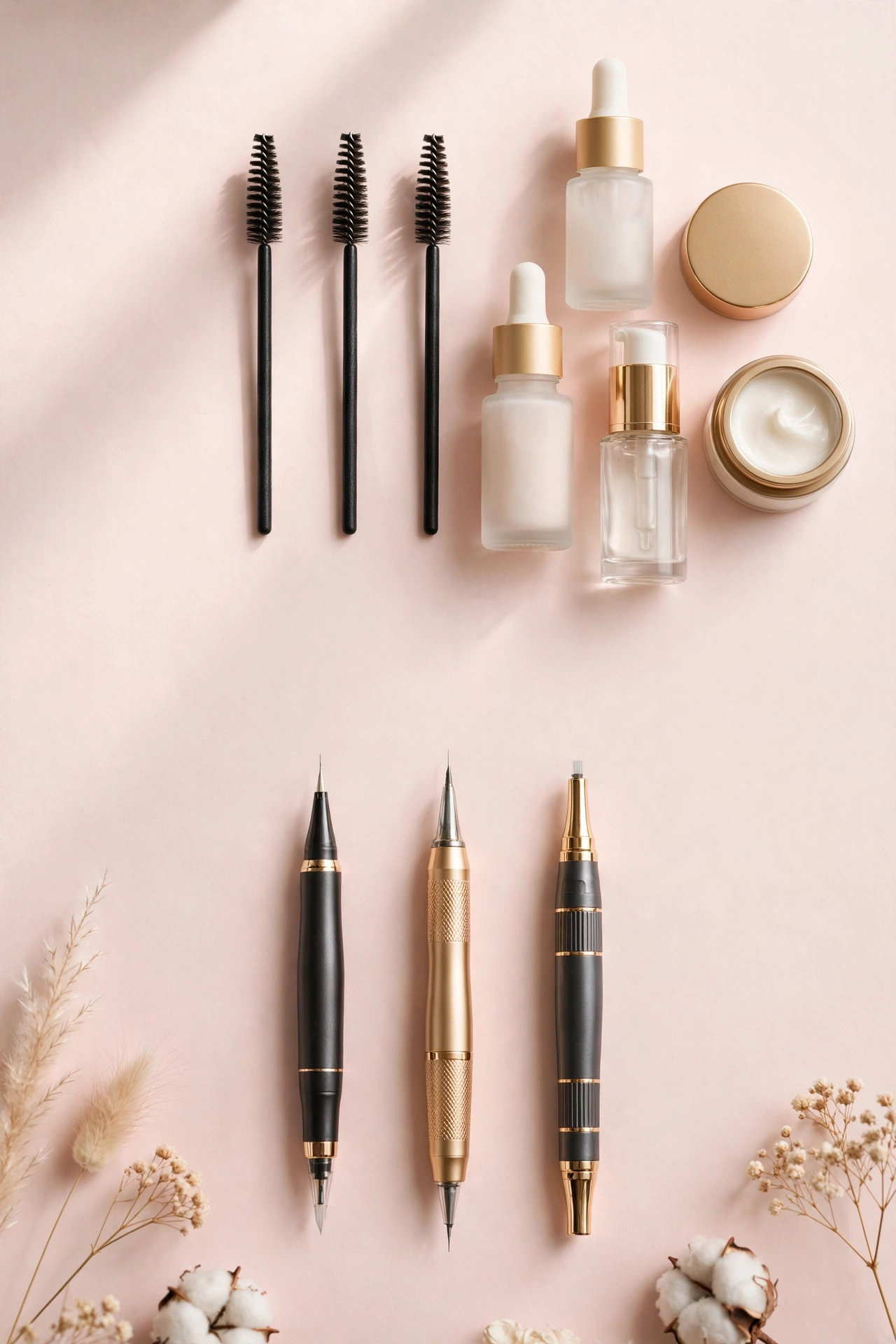
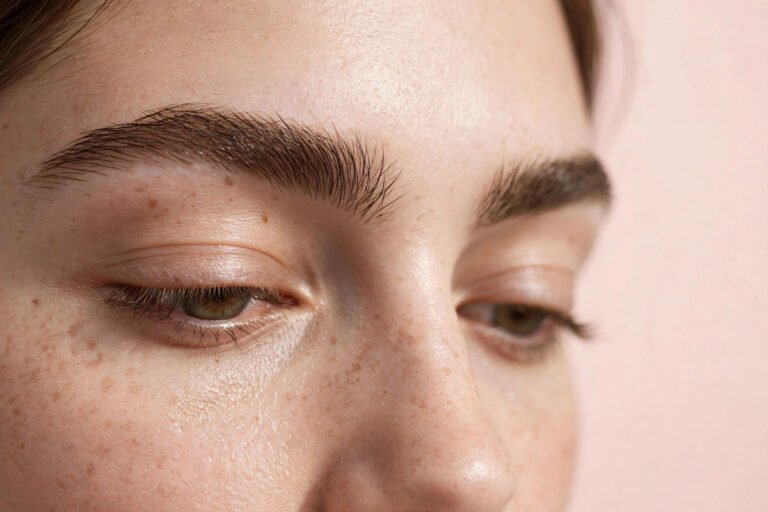
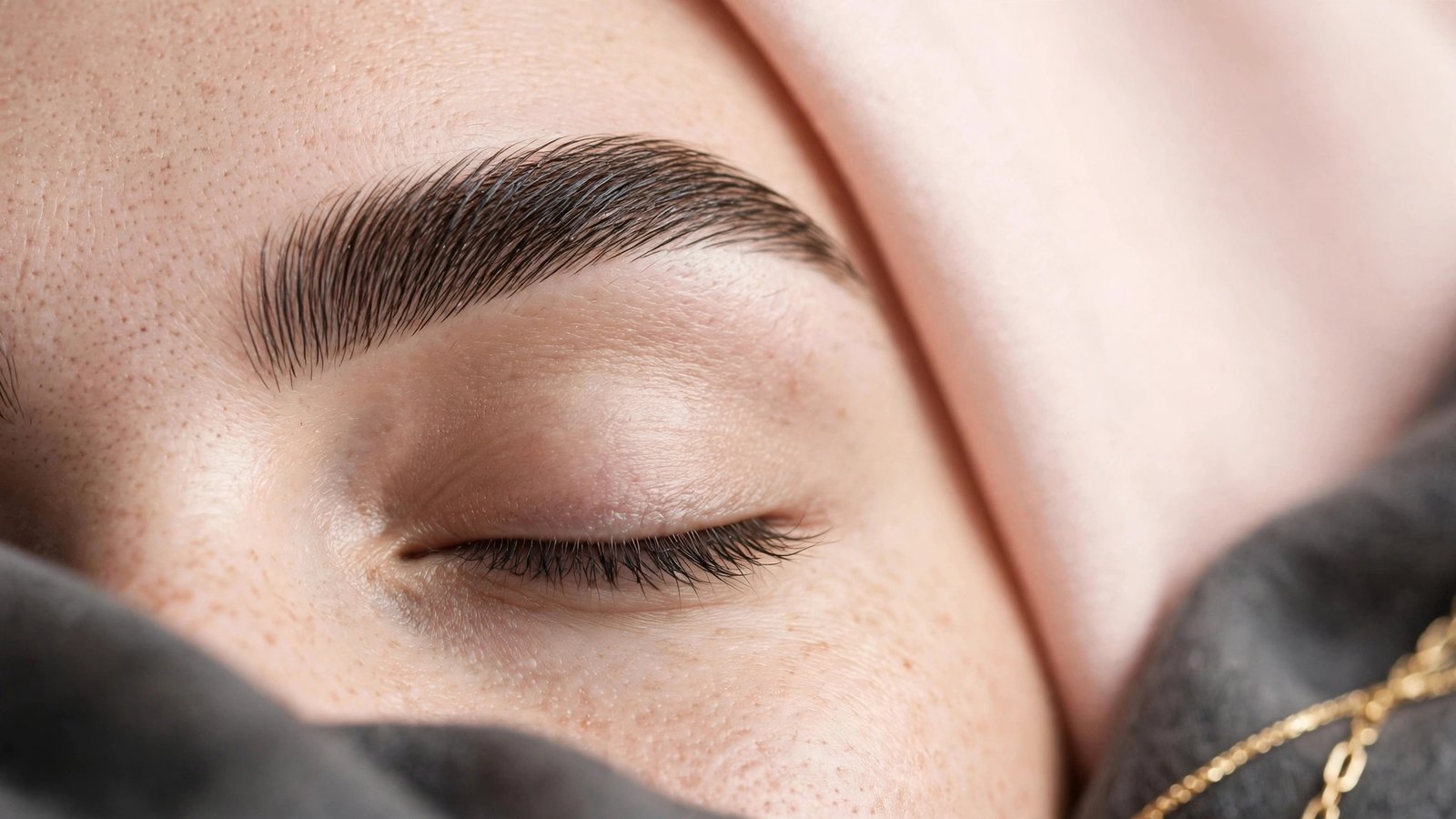
Brow lamination is a chemical restructuring treatment — essentially a perm for your brow hairs. A lifting cream softens the hairs, you brush them into a new direction (usually up and outward for fullness), and a neutralizer locks them in place. It works with the hair you already have, redirecting it to look fuller, fluffier, and more defined. Nothing is added and nothing is removed; your existing hairs are simply reorganized.
Microblading is a form of cosmetic tattooing. A trained artist uses a handheld blade made of tiny needles to deposit pigment into the upper layers of the skin in fine, hair-like strokes. It creates the illusion of hair where there is little or none — ideal for filling in genuinely sparse or missing areas. Unlike lamination, it adds something that was not there before.
The simplest way to think about it: lamination styles the hair you have; microblading draws in hair you do not have.
Brow Lamination vs Microblading: Head-to-Head Comparison
| Factor | Brow Lamination | Microblading |
|---|---|---|
| What it does | Redirects existing hairs for fullness | Tattoos hair-like strokes into skin |
| Typical cost (salon) | $50–$150 per session | $300–$800+ for initial session |
| At-home option | Yes — kits cost $15–$30 | No — professional only |
| Pain level | None to mild tingling | Moderate — numbing cream used |
| How long it lasts | 4–6 weeks | 12–18 months (fades gradually) |
| Commitment | Low — grows out naturally | High — semi-permanent |
| Reversibility | Fully reversible; just wait | Difficult — needs laser or saline removal |
| Best for | Unruly, downward-growing, or flat brows with decent hair | Sparse, thin, or patchy brows with little hair |
| Session time | 30–45 minutes | 2–3 hours (including mapping) |
| Downtime | None — 24–48h no-water rule | 7–14 days of scabbing/healing |
Cost Breakdown
Brow lamination is the budget-friendly option by a wide margin. A salon session runs $50 to $150, and at-home kits cost $15 to $30 for multiple applications — bringing the per-session cost down to just a few dollars. Even if you laminate every 6 weeks at a salon for a full year, you would spend roughly $400 to $1,200, and far less doing it yourself.
Microblading is a significant investment. The initial session typically costs $300 to $800 or more depending on the artist’s experience and your location, and most artists require a touch-up appointment 4 to 8 weeks later ($100–$300). Annual color-refresh sessions ($200–$400) keep the pigment looking fresh. Over two years, microblading commonly totals $700 to $1,500+.
If budget is your primary concern, lamination wins easily. If you are willing to invest for long-term, low-maintenance results, microblading’s cost-per-day over 18 months becomes more reasonable.
Pain and Comfort
Brow lamination is essentially painless. Most people feel nothing at all; some notice mild tingling while the lifting cream processes. There are no needles, no numbing cream, and no healing period. The main sensation-related rule: if you ever feel burning or sharp stinging during at-home lamination, rinse immediately — that is a warning sign, not a normal part of the process.
Microblading involves a blade cutting into the skin, so discomfort is expected. Reputable artists apply topical numbing cream before and during the procedure, which reduces the sensation to scratching or pressure for most clients. Pain tolerance varies — people with low pain tolerance or sensitive skin around the brows tend to feel it more. The healing period (about 1–2 weeks of scabbing, itching, and flaking) is also part of the comfort equation.
For anyone anxious about pain or needles, lamination is the clear winner.
Longevity: How Long Does Each Last?
Brow lamination lasts 4 to 6 weeks. Results fade gradually as your natural brow growth cycle replaces the treated hairs with new, unprocessed ones. There is no awkward grow-out phase — brows simply return to their natural state. Our how long brow lamination lasts guide covers exactly what affects the timeline and how to extend it.
Microblading lasts 12 to 18 months on average, sometimes up to 2 years, fading gradually as the pigment breaks down. Oily skin types tend to fade faster; dry skin holds pigment longer. Sun exposure accelerates fading, which is why SPF on the brows matters after microblading.
The trade-off is commitment: lamination’s short lifespan means low risk and easy changes, while microblading’s longevity means you live with the shape and color for over a year — great if you love it, frustrating if you do not.
Maintenance and Upkeep
Brow lamination needs redoing every 6 to 8 weeks (waiting at least 6 weeks between sessions to avoid over-processing). Between sessions, daily care is simple: brush brows into place with a spoolie and apply a nourishing oil a few times a week. Our brow lamination aftercare tips guide has the full routine.
Microblading needs far less frequent attention but stricter early aftercare: keeping the brows dry, avoiding picking at scabs, and staying out of the sun during the 1–2 week healing period. After healing, maintenance is minimal — just annual touch-ups and daily sunscreen on the brow area to slow fading.
Risks and Downsides
Brow lamination risks are mostly about technique: over-processing (leaving the lifting cream on too long) can make hairs frizzy, brittle, or broken; skipping the patch test risks an allergic reaction; and getting product in the eyes causes irritation. All of these are preventable with proper technique — which is why our at-home brow lamination safety guide emphasizes patch testing and timing so heavily. There is no permanent risk: the worst case grows out in weeks.
Microblading risks are more serious because the treatment is semi-permanent: infection if aftercare is poor or the studio is unhygienic; allergic reaction to pigment; scarring or keloids in susceptible individuals; and the aesthetic risk of a shape or color you dislike that takes a year or more to fade (or requires laser removal). Choosing a licensed, experienced, well-reviewed artist dramatically reduces these risks — never bargain-hunt for microblading.
Who Should Choose Brow Lamination?
Brow lamination is likely your best pick if:
- You have a decent amount of brow hair, but it grows downward, sideways, or unruly
- Your brows look flat and you want that fluffy, lifted, feathered look
- You want low commitment — the ability to change your mind in 6 weeks
- You are on a budget or want an at-home option
- You are nervous about needles, pain, or permanent decisions
- You like changing your look and do not want to be locked into one brow shape
Lamination is also the better choice if your brow concerns are mostly about direction and fullness rather than missing hair. For shaping guidance alongside lamination, our eyebrow shaping guide for beginners pairs well with this treatment.
Who Should Choose Microblading?
Microblading is likely your best pick if:
- Your brows are genuinely sparse, thin, or have bald patches with little hair to work with
- You have over-plucked in the past and the hair never fully grew back
- You want to wake up with defined brows and skip brow makeup entirely
- You are ready for a semi-permanent commitment and have found a reputable artist
- You have the budget for the initial session plus touch-ups
- You have researched healed results (not just fresh photos) from your chosen artist
Microblading is the better choice when the problem is lack of hair rather than unruly hair — lamination cannot create fullness from hairs that do not exist.
Can You Combine Brow Lamination and Microblading?
Yes — and many brow artists consider them complementary rather than competing. The combination works like this: microblading creates the underlying shape and fills sparse areas with pigment strokes, while lamination styles your natural hairs over the top for texture, fullness, and that fluffy finish.
Important timing rules if you combine them:
- Microblading first, lamination second. Get microbladed, wait until the brows are fully healed (at least 4 to 6 weeks), then laminate.
- Never laminate freshly microbladed brows. The lamination chemicals can interfere with healing and affect pigment retention.
- Tell your brow artist about the microblading before laminating, so they can adjust timing and assess the skin.
- Do not microblade over freshly laminated brows either — let lamination fully grow out first so the artist can map your natural shape.
If you are unsure which to try first, start with lamination. It is cheaper, painless, and reversible — a low-stakes way to discover how much of a difference brow styling makes before committing to a tattoo.
Key Takeaways
- Brow lamination redirects your existing hairs for a fuller, fluffier look; microblading tattoos hair-like strokes to fill in sparse areas. They solve different problems.
- Lamination costs $50–$150 per salon session (or a few dollars at home) and lasts 4–6 weeks; microblading costs $300–$800+ initially and lasts 12–18 months.
- Lamination is painless with no downtime; microblading involves needles, numbing cream, and a 1–2 week healing period.
- Lamination is low-commitment and fully reversible; microblading is semi-permanent and difficult to undo.
- Choose lamination for unruly but adequate hair, low budgets, and flexibility; choose microblading for genuinely sparse brows and long-term, makeup-free definition.
- The two can be combined — microblade first, heal fully, then laminate — but never laminate over unhealed microblading.
Frequently Asked Questions
Which looks more natural: brow lamination or microblading?
It depends on the artist and your natural brows. Lamination looks natural when you have enough hair, because it is your real hair — just better organized. Microblading looks natural when done by a skilled artist who matches your hair color and follows your natural growth pattern, but poor microblading is much more obvious than poor lamination. Always review an artist’s healed results, not just fresh photos.
Is brow lamination cheaper than microblading in the long run?
At-home lamination is dramatically cheaper — a $15–$30 kit covers multiple sessions. Salon lamination every 6 weeks for a year costs roughly $400–$1,200, which is comparable to microblading’s first-year cost ($400–$1,100 including touch-up). Over multiple years, microblading can become the cheaper per-day option, but only if you are happy with the results long-term.
Does microblading hurt more than brow lamination?
Yes, significantly. Lamination is painless for most people (mild tingling at most), while microblading involves a blade cutting the skin — though numbing cream makes it tolerable for most clients. If pain is a deciding factor, lamination wins easily.
Can I get microblading if I have laminated my brows before?
Yes, but wait until the lamination has fully grown out (at least 6–8 weeks) so the artist can see and map your natural brow shape and hair direction. Laminated hairs sitting in an artificial direction can mislead the artist’s mapping.
Will brow lamination work if I have very little brow hair?
Lamination works with the hair you have — it cannot create fullness from nothing. If your brows are very sparse with large gaps, microblading (or a combination of microblading plus lamination) will give you better results. For improving natural fullness over time, our how to get thicker eyebrows naturally guide covers growth-supporting habits.
How do I choose a good microblading artist?
Look for a licensed artist with extensive healed-result photos (not just fresh work), verifiable training credentials, a clean and professional studio, and strong reviews mentioning both the procedure and the healing process. Ask about the pigments used, the touch-up policy, and what happens if you dislike the results. Never choose based on price alone — with semi-permanent face tattoos, expertise is everything.
Love this? Pin it for later!