Beard Grooming for Beginners: The Complete Routine
Growing a beard is the easy part — keeping it looking intentional is where most beginners get stuck. A few weeks in, many new beards look wild, itchy, and unkempt, not because the beard can’t look good, but because nobody taught the owner the basics. The good news: a proper beard routine takes about five minutes a day and a handful of affordable products.
This guide walks you through the complete beginner beard routine, step by step: washing, conditioning, oiling, brushing, trimming, and styling. You’ll also learn what products you actually need (and which ones are marketing fluff), how to shape your neckline and cheek lines, and the mistakes that make beginners quit too early. If you’re new to facial hair — or shopping for a gift for someone who is — this is the only guide you need to get started.

Key Takeaways
- A beginner beard routine takes about 5 minutes a day: wash a few times a week, oil daily, brush daily, trim weekly.
- Never use regular shampoo on your beard — it strips the natural oils that keep facial hair soft and the skin underneath healthy.
- Beard oil moisturizes the skin under the beard (stopping the infamous itch); beard balm adds hold and shape for longer beards.
- Clean up the neckline and cheek lines regularly — that’s what separates a deliberate beard from a forgotten one.
- The first 2–4 weeks are the hardest. Itching and patchiness are normal and almost always pass with patience and basic care.
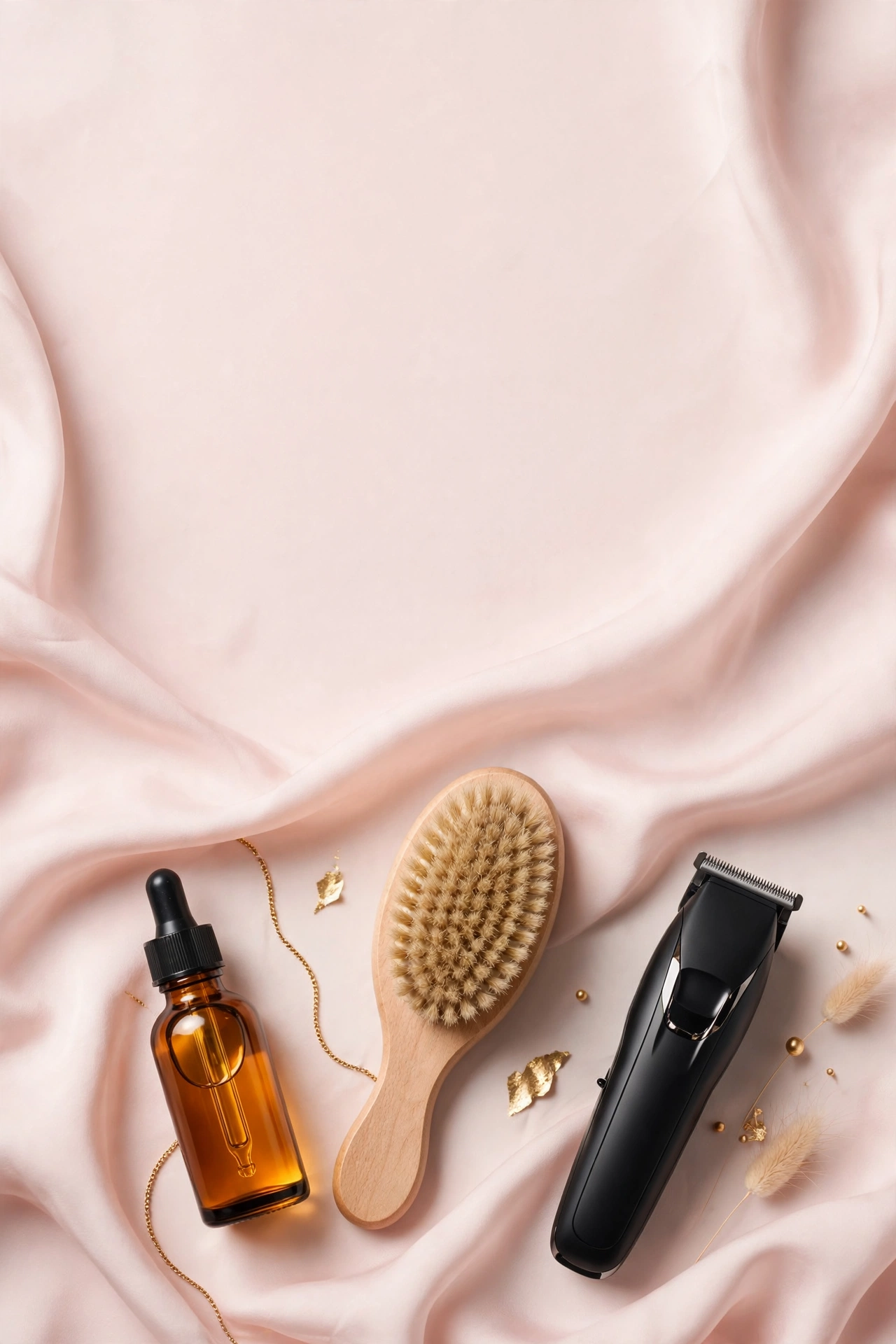
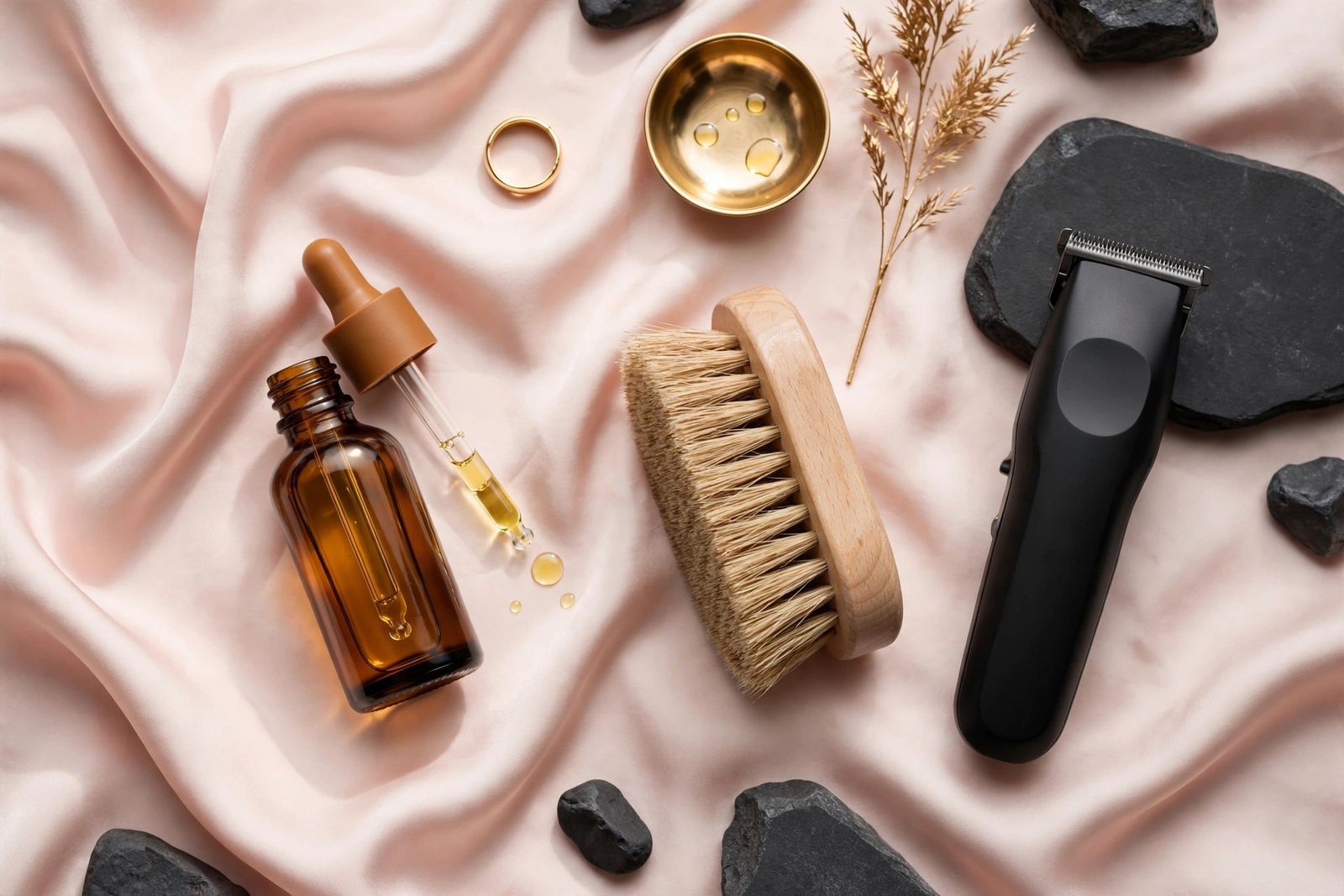
- Most beginners only need four products: a beard wash, beard oil, a boar bristle brush, and a decent trimmer.
Understanding Your Beard: What Beginners Should Know
Before buying anything, it helps to understand what you’re working with. Facial hair is different from the hair on your head in almost every way that matters.
Beard Hair vs. Scalp Hair
Beard hair is coarser, curlier, and drier than scalp hair. Each follicle produces thicker strands with more kinks, which is why beards can look wiry even on guys with straight head hair. The skin underneath the beard is also more sensitive and produces less oil than the scalp, so it dries out faster. This is the entire reason beard-specific products exist — regular hair products are formulated for a different hair type and a different scalp environment.
The skin under a new beard also goes through an adjustment period. As hair grows past stubble length, the sharp cut tips curl back and poke the skin, which is the main cause of the infamous early-stage beard itch. Keeping the hair conditioned and moisturized during this phase makes a huge difference.
The Growth Timeline: What to Expect
Patience is the most important beard tool, and it’s free. Most beginners underestimate how long a respectable beard takes to grow in. Here is a realistic timeline:
- Weeks 1–2 (stubble): The itchy phase. Growth is uneven, and the skin is adjusting. Moisturize daily.
- Weeks 3–6 (short beard): Shape starts to emerge, but it will look patchy and scruffy. Resist the urge to trim heavily.
- Months 2–3 (medium beard): The beard fills in noticeably as slower follicles catch up. This is when many guys first feel like they “have a beard.”
- Months 3–4+ (full beard): Enough length for real shaping and styling. Slow growers may need six months for full density.
A common mistake is judging the beard at week three and deciding it “doesn’t grow well.” Most patchy-looking early beards fill in significantly by month two or three. what causes patchy growth and how to fix it
The Beginner’s Beard Toolkit: What You Actually Need
Grooming brands love to sell beginners a 12-product “complete system.” Most of it is unnecessary. Here is the honest shortlist, roughly in order of importance.
The Essentials
Beard wash (specialized cleanser). Regular shampoo is too harsh for beard hair and facial skin — it strips natural oils, leaving the beard dry and brittle and the skin flaky. A dedicated beard wash uses gentler cleansers that clean without stripping. Wash your beard 2–3 times per week, not daily.
Beard oil. The single highest-impact product for beginners. Beard oil is a lightweight blend of carrier oils (like jojoba, argan, or sweet almond) that moisturizes the skin underneath the beard and conditions the hair. Apply it daily. It is the main weapon against itching and “beardruff” (flaking skin). beard oil vs beard balm — which one does your beard need
Boar bristle brush. Brushing trains the beard to grow in one direction, distributes oil evenly, exfoliates the skin underneath, and makes the beard look fuller and neater. Brush for a minute or two daily. A boar bristle brush is better than a plastic comb for short-to-medium beards because the natural bristles distribute oils more effectively.
Beard trimmer with adjustable guards. Even if you’re growing your beard out, you’ll need to trim for tidiness — neckline, cheek lines, stray hairs. An adjustable-guard trimmer gives you consistent lengths without guesswork. Look for one with guards from about 1mm to 20mm.
Nice to Have (Not Required)
Beard balm. A thicker product (oil + butter + beeswax) that adds light hold and shape. Useful once the beard is an inch or longer and you want to control flyaways. how to trim your beard at home — a beginner’s step-by-step
Beard comb. Handy for longer beards and for styling the mustache. Short beards don’t need one.
Scissors. Small grooming scissors for snipping individual stray hairs. A cheap pair works fine.
Mustache wax. Only necessary once the mustache is long enough to style — most beginners won’t need it for months.
What to Skip
Skip the “beard growth vitamins,” “beard growth oils” that promise faster growth, and derma rollers marketed to beginners. No topical product or supplement has been proven to make beard hair grow faster or thicker. Growth rate and density are almost entirely genetic. What products CAN do is keep the hair you have healthy so it reaches its full potential without breakage.
The Daily Routine: Your 5-Minute Morning Ritual
Consistency beats complexity. Here is a simple morning routine that takes about five minutes and covers everything a beginner beard needs daily.
Step 1: Rinse or Wash (1 minute)
On wash days (2–3 times per week), lather a small amount of beard wash into the beard, massage it down to the skin underneath, and rinse thoroughly. On non-wash days, just rinse with warm water in the shower — the beard doesn’t need daily soap.
Use lukewarm water, not hot. Hot water strips moisture from both hair and skin, which leads to dryness and brittleness.
Step 2: Dry Gently (1 minute)
Pat the beard dry with a towel — don’t rub aggressively. Rubbing roughs up the cuticle and creates frizz and split ends. Let the beard air-dry the rest of the way, or use a blow dryer on the lowest heat setting, blowing downward, if you’re in a hurry. Many beginners find a quick low-heat blow-dry actually helps train the beard to lie flat.
Step 3: Apply Beard Oil (1 minute)
This is the daily non-negotiable. Warm 3–6 drops of beard oil between your palms (more for longer beards), then massage it deep into the beard, making sure to reach the skin underneath — that’s the part that needs it most. Work from the roots outward, then smooth the surface with your palms.
Step 4: Brush or Comb (1–2 minutes)
Brush the beard downward with your boar bristle brush, following the natural direction of growth. This distributes the oil, trains unruly hairs, exfoliates dead skin, and gives the beard a tidy, fuller appearance. If you have a mustache, brush it outward from the center and tuck the edges.
Step 5: Style if Needed (optional)
If your beard is long enough to need shape control, apply a small amount of beard balm after brushing and smooth flyaways into place. Short beards usually don’t need this step.
The Weekly Routine: Trimming and Deep Care
Daily care keeps the beard healthy; weekly care keeps it looking sharp. Set aside 15–20 minutes once a week.
Clean Up the Neckline
The neckline is the single biggest difference between a beard that looks intentional and one that looks neglected. Here’s the classic method:
- Tilt your head back slightly and place two fingers horizontally above your Adam’s apple.
- Everything below that line gets trimmed — this is your neckline boundary.
- Use a trimmer without a guard (or a razor) to clear the neck area below the line, and follow the natural curve from ear to ear.
The “two fingers above the Adam’s apple” rule works for most face shapes. Going too high (right at the jawline) makes the beard look thin and the face look heavier; going too low makes it look scruffy.
Define the Cheek Lines
Most beginners benefit from cleaning up the cheek line — the top edge of the beard on the cheeks. Some guys prefer a natural cheek line; others like it crisp and defined. If stray hairs are growing high on your cheeks, trim them back to a line that looks natural. A good rule: the cheek line should slope gently from the sideburn down toward the corner of the mouth. Don’t carve it too low — an overly sculpted cheek line looks unnatural and grows out awkwardly.
Trim for Even Length
Even during the growing phase, occasional light trims keep the beard tidy. Use your trimmer’s longest guard first — you can always go shorter, but you can’t put hair back. Trim against the direction of growth for an even cut, and check your work in a mirror from multiple angles. Snip obvious stray hairs with scissors rather than re-running the trimmer over the whole beard.
Deep Condition Weekly (Optional but Helpful)
Once a week, especially for dry or coarse beards, do a deeper conditioning treatment: apply a generous amount of beard oil (or a beard conditioner if you bought one), leave it for 10–15 minutes, then rinse or wash as normal. This keeps long beards soft and reduces split ends.
Choosing the Right Beard Style for You
Not every beard style suits every face — and the wrong shape can work against your features. The general principle: use the beard to balance your face shape. Round faces look better with beards that add length (longer on the chin, shorter on the sides); long or oblong faces look better with beards that add width (fuller on the sides, shorter on the chin).
For a full breakdown of which styles flatter round, square, oval, and oblong faces, see our dedicated guide. the best beard styles for your face shape
Beginners usually do best starting with a natural, medium-length full beard and refining the shape over time. Dramatic styles (goatees, chin straps, heavy sculpting) are harder to pull off and harder to fix if you make a mistake.
Common Beginner Mistakes (and How to Avoid Them)
Most beard failures aren’t about genetics — they’re about a handful of avoidable mistakes. Run through this list and be honest about which ones apply.
Trimming Too Much, Too Early
The number one beginner mistake is trimming during the first month. The beard looks awkward at week three, so beginners “clean it up” — and cut off the exact hairs that would have filled in by week eight. Rule of thumb: no significant trimming for the first 4–6 weeks. Neckline and cheek-line cleanup is fine; reducing overall length is not.
Washing With Regular Shampoo
As covered above, shampoo strips the beard dry. If your beard feels like straw and the skin underneath is flaky, the shampoo is almost always the culprit. Switch to a beard-specific wash and the difference is usually noticeable within a week.
Skipping Beard Oil
Many beginners assume oil is optional — it isn’t. The skin under your beard can’t get moisturizer once the hair covers it, and without oil, dryness leads to itching, flaking (“beardruff”), and brittle hair that breaks instead of growing long. Daily oil is the highest-impact habit in this entire guide.
Ignoring the Skin Underneath
A healthy beard grows from healthy skin. The routine that supports your beard — gentle cleansing, regular moisturizing (via beard oil) — is also a basic skincare routine. Beginners who neglect the skin underneath often deal with ingrown hairs, acne under the beard, and irritation. If you’re building a grooming routine from scratch, consider a simple skincare routine for men alongside your beard care. a beginner skincare routine for men
Comparing Your Beard to Someone Else’s
Beard density, growth rate, color, and curl pattern are genetic. Comparing your month-two beard to someone’s year-two beard is a recipe for frustration — and for shaving off a beard that was about to look great. Judge your beard against its own past, not someone else’s present.
Using Too Much Product
More product doesn’t mean better results. Over-oiling leaves the beard greasy and can clog the skin underneath; too much balm makes the beard look wet and heavy. Start with less than you think you need — you can always add more.
Beard Care by Length: Short, Medium, and Long
Your routine should evolve as the beard grows. What works at one inch doesn’t quite work at four inches.
Short Beards (Under 1 Inch)
Keep it simple: wash 2–3 times weekly, oil daily, brush daily. Trim weekly to maintain even length and keep the neckline and cheek lines clean. This is the easiest stage to maintain — most of the work is just not over-trimming.
Medium Beards (1–3 Inches)
Add beard balm for shape control and start paying attention to symmetry — medium beards show unevenness more than short ones. Brush twice daily if the beard is unruly. Trim every 1–2 weeks, and consider a professional barber trim every month or two to keep the shape on track while you learn.
Long Beards (3+ Inches)
Long beards need more moisture — increase oil, add a weekly deep-conditioning treatment, and switch to a beard comb (brushes can snag long hair). Sleep on a silk or satin pillowcase to reduce friction and breakage. Trim split ends regularly with scissors; damaged ends travel up the hair shaft and make the whole beard look ragged.
Eating, Drinking, and Living With a Beard
The practical stuff nobody warns beginners about. Food gets in the beard — it’s unavoidable, so keep a napkin handy and do a quick mirror check after meals. Mustache hairs will eventually reach your mouth; that’s what mustache wax and regular trimming are for. Drinking from bottles and cans takes minor technique adjustment (pour into a glass when you can).
Wind, hats, and scarves will mess up the beard’s shape. A quick brush-through fixes it. And yes, people will touch your beard without asking — a weird but universal beginner experience. How you handle it is up to you.
Gift-Giver’s Guide: Beard Care Gifts That Are Actually Useful
If you’re buying for someone growing their first beard, skip the novelty “beard kits” with the funny branding. A genuinely useful starter gift includes: a quality beard wash, a bottle of beard oil (unscented or lightly scented — strong fragrances are a gamble), a boar bristle brush, and a decent trimmer. That’s a complete beginner setup for the price of one mediocre novelty kit. A gift card to a good barber for a shaping session is also an excellent gift — a professional shape-up early on teaches the beginner what their beard can look like.
Frequently Asked Questions
How long does it take to grow a decent beard?
For most men, 2–3 months of uninterrupted growth produces a respectable medium beard. Full density can take 4–6 months, and some men need a full year for maximum length. Facial hair grows about half an inch per month on average, though this varies by individual.
Why is my beard so itchy?
The early-stage itch is caused by sharp new hair tips irritating the skin as they curl back, combined with dryness under the beard. Daily beard oil, gentle washing (not over-washing), and moisturizing the skin underneath almost always resolve it within a couple of weeks. If itching persists beyond the first month or comes with redness and flaking, it may be seborrheic dermatitis — worth mentioning to a dermatologist.
Should I trim my beard while growing it out?
For the first 4–6 weeks, only clean up the neckline and cheek lines — don’t reduce overall length. After that, light maintenance trims every few weeks keep the beard tidy without sacrificing growth. Use the longest guard first and trim conservatively.
Does trimming make a beard grow faster or thicker?
No. Trimming has zero effect on growth rate or follicle density — hair grows from the root, not the tip. What trimming does is remove split ends and damage, which prevents breakage and makes the beard look fuller and healthier. The “thicker after trimming” effect is purely cosmetic.
What is beardruff and how do I get rid of it?
Beardruff is flaking skin under the beard — essentially dandruff of the beard area. It’s caused by dryness, over-washing, or fungal irritation. The fix: wash less often (2–3 times per week), moisturize daily with beard oil, brush regularly to exfoliate, and use lukewarm water. If flakes are yellowish, greasy, or come with redness, see a dermatologist.
Can I use coconut oil or olive oil instead of beard oil?
You can — they’re moisturizing and cheap. But commercial beard oils are usually blends of lighter oils (jojoba, argan, grapeseed) that absorb better and feel less greasy than straight coconut or olive oil. Coconut oil in particular can clog pores for some people. Kitchen oils work in a pinch; a proper beard oil is better for daily use.
How often should I wash my beard?
Two to three times per week is the sweet spot for most beginners. Daily washing strips natural oils and causes dryness. If you work in a dusty or sweaty environment, rinse with water on off days rather than washing with cleanser every day.
Conclusion
Beard grooming isn’t complicated — it’s just consistent. Wash a few times a week, oil every day, brush every day, and trim weekly. That’s genuinely the whole routine, and it takes about five minutes a day. The beginners who end up with great beards aren’t the ones with the most products; they’re the ones who stuck with the basics long enough for the beard to fill in.
Start with the four essentials — beard wash, beard oil, a boar bristle brush, and a trimmer — and give your beard at least two to three months before judging it. Your future bearded self will thank you. And when you’re ready for the details, our step-by-step trimming guide for beginners and our complete guide to beard oils and balms will take you to the next level.
Love this? Pin it for later!